
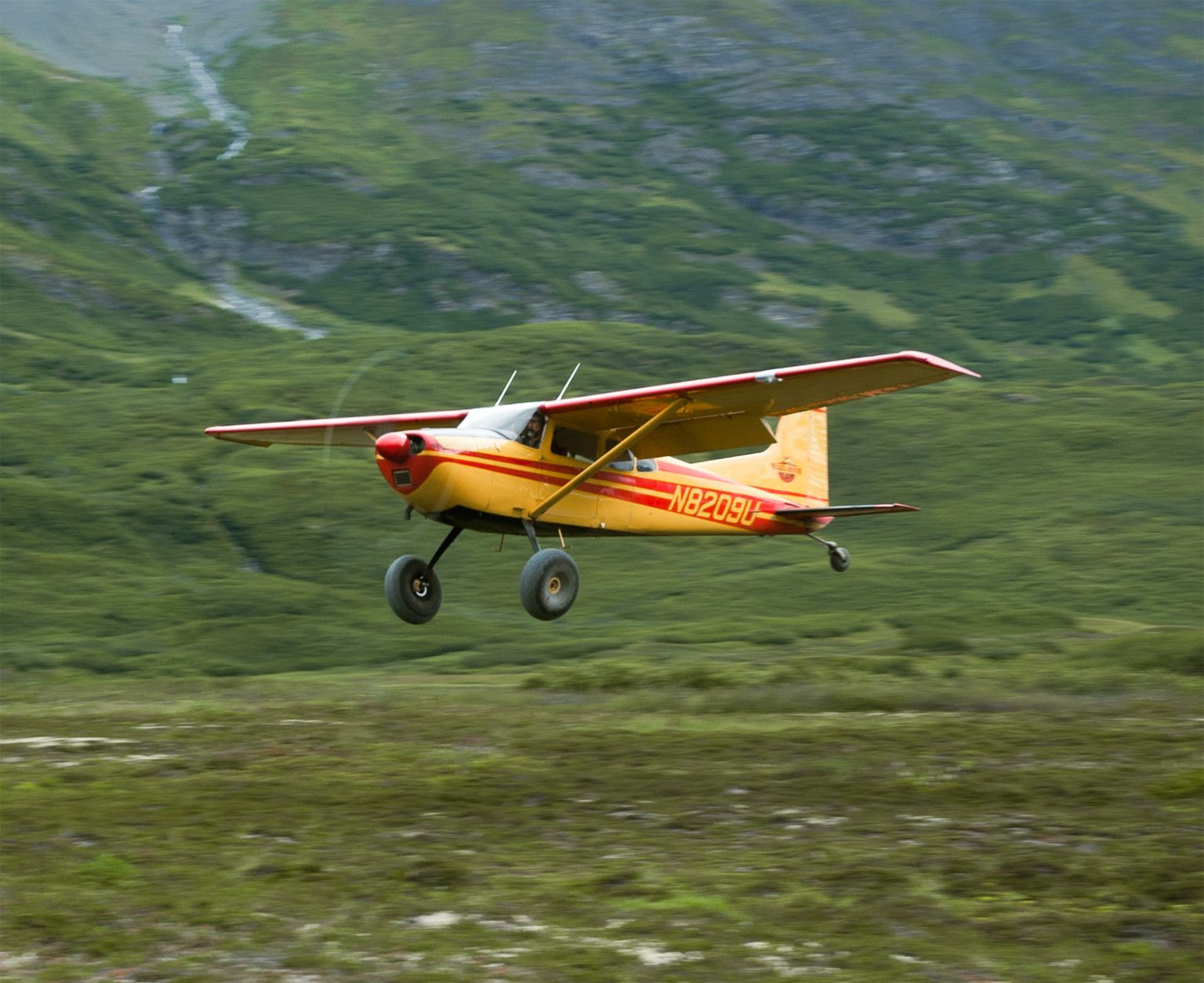
A bush pilot was set to transport a passenger to a remote community in Alaska. Yet the flight never reached its destination, because of beer.
The passenger had a six-pack among her belongings and the destination was one of Alaska’s dry communities. When the contraband was discovered, authorities seized the pilot’s $95,000 plane and have held it for more than a decade. The US Supreme Court will now decide whether or not the state must give it back.
The case is called Kenneth J. Jouppi v. Alaska after Jouppi, the pilot who had his plane seized, and Alaska, the state that seized it. The US Supreme Court’s announcement that it would hear the case came on 20 July. It will be argued during the court’s new term that begins in October and a judgment will likely follow next spring.
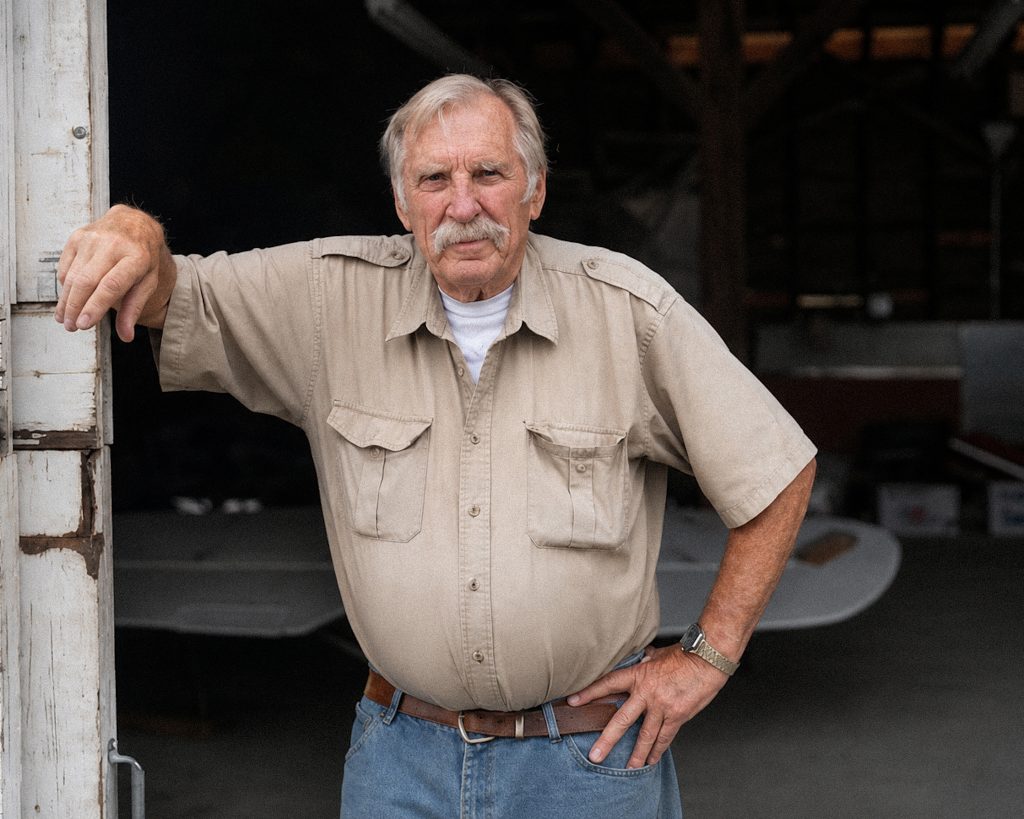
That will be none too soon for Jouppi, who said in a statement: “I’m in my 80s now, and I’ve been fighting this for over a decade because I see it as my duty to ensure that the Bill of Rights actually means something in protecting against government overreach.”
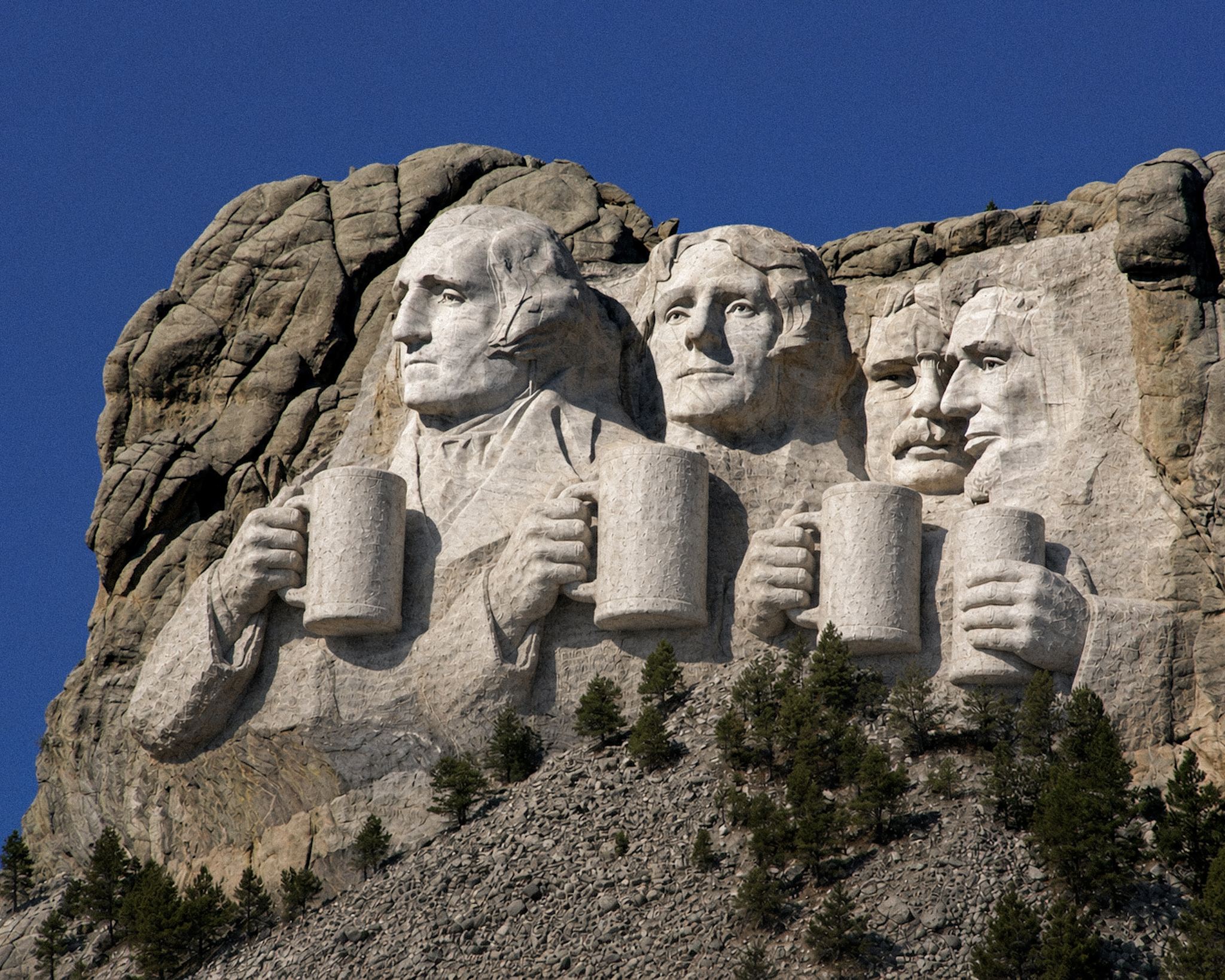
The Bill of Rights is the name for the first ten amendments to the US Constitution, which were passed as a package on 25 September 1789. Jouppi is challenging the seizure based on the excessive fines clause, which is part of the Eighth Amendment. It reads in full: “Excessive bail shall not be required, nor excessive fines imposed, nor cruel and unusual punishments inflicted.”
The US Supreme Court has in the past weighed in on the meaning of other parts of the Eighth Amendment. It has used the cruel and unusual punishment clause to limit what cases can merit the death penalty and to mandate better terms of imprisonment for US inmates, for instance.
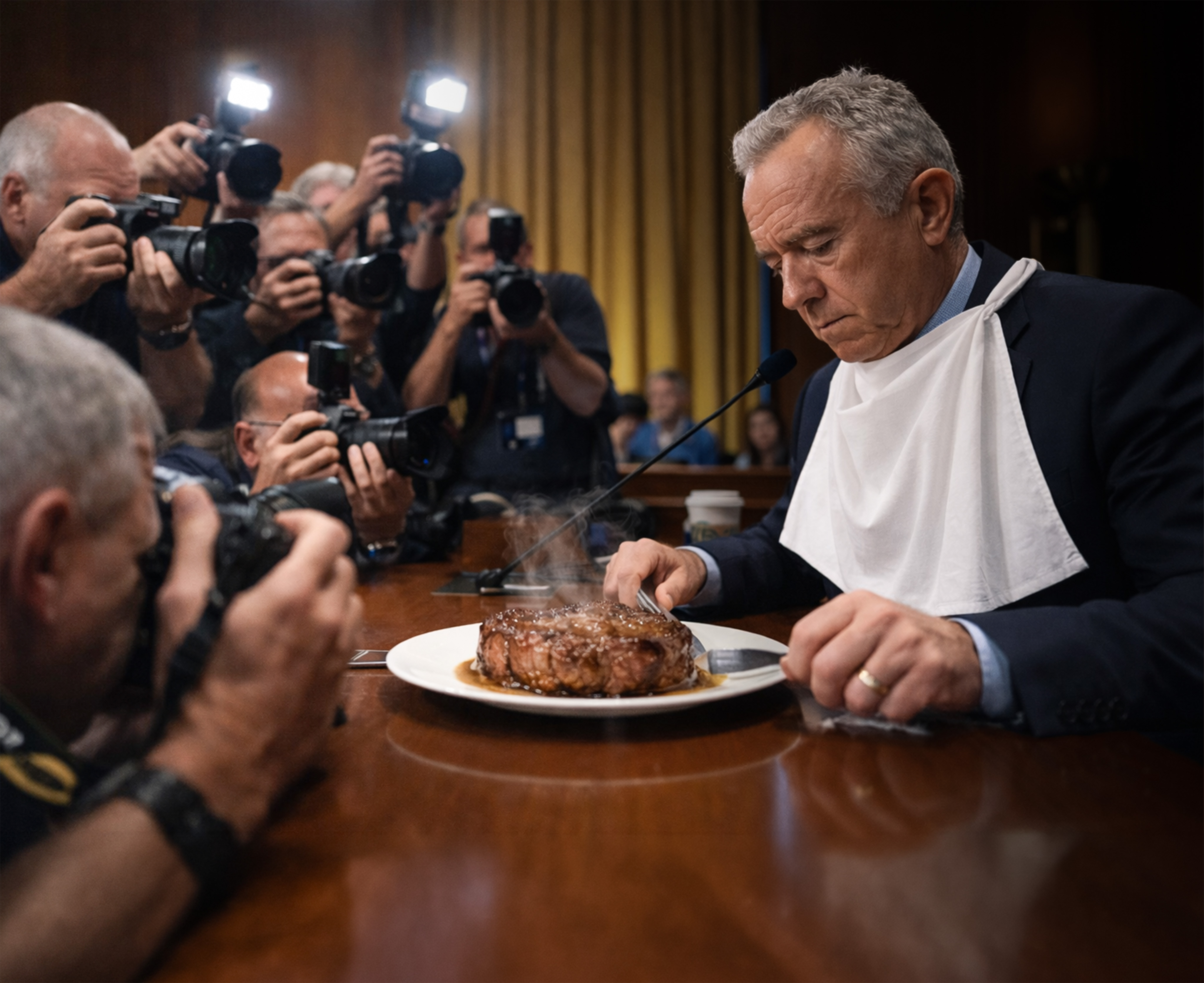
By comparison, the court has issued fewer rulings defining the excessive fines clause. It is sometimes hard to know exactly why the court takes up a case, but this one seems tailor-made to make a point. A ruling for Jouppi here would put some teeth in the clause and help protect defendants from efforts by state and local governments to take their stuff.
The Facts in the Case
On 3 April 2012, Jouppi was set to fly a passenger, Helen Nicholia, from Fairbanks, Alaska’s second-largest city with about 30,000 people, to the village of Beaver, which has a population of fewer than 100 people.
State troopers inspected the passenger’s luggage before takeoff. They could see a six-pack of beer in a grocery bag and searched Nicholia’s belongings. That is when things really hit the propeller blades. They found two more cases of beer in the cargo hold of Jouppi’s 1969 Cessna.
Nicholia eventually pleaded guilty to a misdemeanor charge of attempting to transport an alcoholic beverage to a dry community. Jouppi fought it and lost. He was sentenced to three days in jail and a $1,500 fine, the statutory minimum.
Further, the state informed him that it had no intention of returning his plane. He fought that to the state high court and lost, and then appealed to the US Supreme Court with the help of the Institute for Justice, a public interest law firm.
At trial, Jouppi insisted that he had not seen the beer. While the state would not concede that he had no knowledge of the additional cases of beer, it insisted that he must have seen the six-pack that Nicholia had in a shopping bag, and the jury bought it.
What that means is that the seizure of his plane and guilty verdict really did come down to a single six-pack. Priced per unit, that works out to a little over $15,800 per can, before legal costs.
The Alaska Supreme Court accepted the jury verdict and rejected Jouppi’s plea that this fine was utterly disproportionate to the crime. That now leaves it to the highest court in the land to sort out.
Who Decides What Is Excessive?
The state of Alaska argued, and its high court concurred, that excessive fines is a term of art. It does not matter if the average observer would think that seizing an airplane worth nearly $100,000 over a six-pack of beer is excessive. What really matters is what the legislature thinks.
In the legal filings leading up to the court’s acceptance of the case, the state cited precedent, arguing that the current standard for how to apply the excessive fines clause “is based on the recognition that ‘judgments about the appropriate punishment for an offense belong in the first instance to the legislature’ and that ‘any judicial determination regarding the gravity of a particular offense will be inherently imprecise’”.
Therefore, the state of Alaska argued that Jouppi’s “petition should be denied”.
The US Supreme Court disagreed with Alaska’s move to deny the case a hearing. In the coming hearing and judgment, the world should learn if the justices disagree with the rest of Alaska’s analysis as well.
It is possible the US Supreme Court will rule that excessive fines is not a term of art, but rather a term of more substantive meaning at the time of its passage by Congress and ratification by state legislatures.
Beer Banned in Beaver
Beaver, where the six-pack was headed, is a dry community, thanks to a local vote in 2004. What that means is that, with a few legal exceptions, the importation, sale and ownership of alcohol is legally prohibited there.
The state made a special case to the US Supreme Court for such laws.
“Alaska faces unique difficulties in combating alcohol abuse and its consequences”, the state explained in its filing. Why, many remote villages and communities “have limited law enforcement resources to respond to, for example, alcohol-fueled domestic violence” and “also lack the public health resources to address other problems associated with alcohol abuse”.
For this reason, Alaska’s legislature in Juneau “gave communities the option to ban alcohol”. Legislators additionally “provided that any airplane used to illegally import alcohol into a dry community was subject to forfeiture”. And they did not specify the quantity of alcohol necessary to rise to the level of a seizure.
Perhaps those who passed the law would consider a seizure over a six-pack excessive, but that would then become a matter for a future legislature to take up, the state suggested to the US Supreme Court.
Alcohol After Prohibition
Legally, Alaska did not have to lay it on so thick on the alcohol in remote communities front. Ratified in 1933, the Twenty-First Amendment repealed the national prohibition of alcohol. It did so by repealing a previous amendment to the US Constitution that made a national prohibition possible.
At the same time, the repeal amendment gave states wide latitude about what they would allow or not allow. The relevant clauses were as follows: “Section 1: The eighteenth article of amendment to the Constitution of the United States is hereby repealed. Section 2: The transportation or importation into any State, Territory, or possession of the United States for delivery or use therein of intoxicating liquors, in violation of the laws thereof, is hereby prohibited.”
The second section proved vital to the measure’s passage. It was the legislature of Mormon-majority Utah that put repeal over the top.
Post-Prohibition, states had wide latitude to operate where alcohol is concerned. Many legislatures opted for something like what Alaska has today, allowing for local control in the form of “dry” or “wet” counties, and that option is still available to them today.
The federal government stayed somewhat involved as well. For instance, the drinking age in most states today is tied to the federal government pressuring them to adopt a legal drinking age of 21, with funding denied to those that did not go along.
Baffling to Foreigners
This mishmash of state control and federal pressure has produced results that some foreign observers find utterly baffling and incomprehensible.
In the early 2000s, the American writer Christopher Caldwell was at a restaurant in Normandy. A local family that he was with ordered a drink for one of the kids, so he inquired what was in it. Whereupon, well, here was the exchange:
“It's half beer, half lemonade”, the father explained: “You must have something like it in the United States.”
“No, we prefer to drink just beer”.
“I mean for kids”.
“Well, kids can't drink in the United States”.
“But, say, when they go out to a bar and their father orders a–”
“Kids don't go into bars.”
“Of course not, but if a boy's with his father and–”
“It doesn't matter”, Caldwell said: “It’s against the law for a father to order a beer for his kid.”
Caldwell explained: “This is where understanding broke down totally.”
“No, you see, the child doesn't order the beer”, the man went on, his patience rapidly eroding. “The father–”
“It doesn't matter”, Caldwell repeated.
The man called in his older brother who “did an extraordinary thing: he told me that what I was saying could not possibly be true”, Caldwell wrote.
The well-traveled American writer went on to argue that there are “no customs on Earth more bizarre than America’s alcohol laws”.
America’s alcohol laws have produced such results as one mom being arrested for allowing her son to have a few sips of beer at a pub or a pilot having his plane seized over a six-pack of beer.
In Jouppi v. Alaska, the Supreme Court has a chance to use the excessive fines clause as a counterweight. There is a decent chance the justices will seize that chance.