
For the first time, a US citizen, Samuel Tunick, faces punishment for deleting all the data from his smartphone upon entering the United States. The indictment relies on a statute, 18 USC § 2232(a), originally directed against smugglers. A grand jury indicted him in November 2025. He was arrested in December, pleaded not guilty and was subsequently released under certain conditions.
The court must now decide whether the authorities were entitled to access the contents of the phone in the first place. That is where the case's significance lies: it could set a precedent for privacy software, border checks and government access to smartphones upon entry into the US.
Flagged Before He Landed
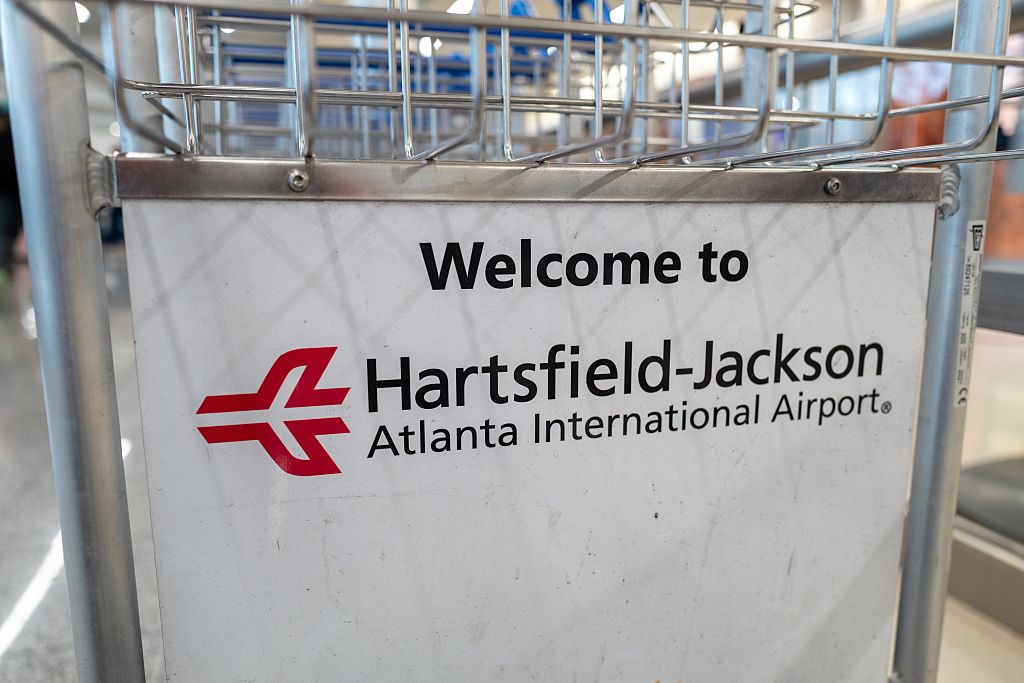
Tunick had returned from a trip to the Dominican Republic in January of the previous year. At Hartsfield-Jackson Airport in Atlanta, he was pulled into secondary inspection by Customs and Border Protection (CBP) staff, including officers from the Tactical Terrorism Response Team.
Secondary inspection is a more thorough, second-level check carried out upon entry to the US. Travelers are pulled out of normal processing and taken to a separate area, where they can be questioned more extensively, their luggage searched and their travel documents examined more closely. Under certain conditions, border officers may also inspect electronic devices. The Federal Bureau of Investigation (FBI) and CBP had agreed to question Tunick and examine his devices even before he arrived.
The Code That Wiped the Evidence
The presumed motive lay in his alleged connection to the "Defend the Atlanta Forest" protest movement, which opposed the planned police training center in Atlanta known as "Cop City". According to the defense, Tunick repeatedly asked for a lawyer during the inspection and wanted to end the questioning. Since he said he did not wish to comment on the matter, it was a right he was entitled to under US law. The officers nonetheless told him they wanted to access the data on his phone. They said they did not need a search warrant at the border and could access the device even if he refused to cooperate.
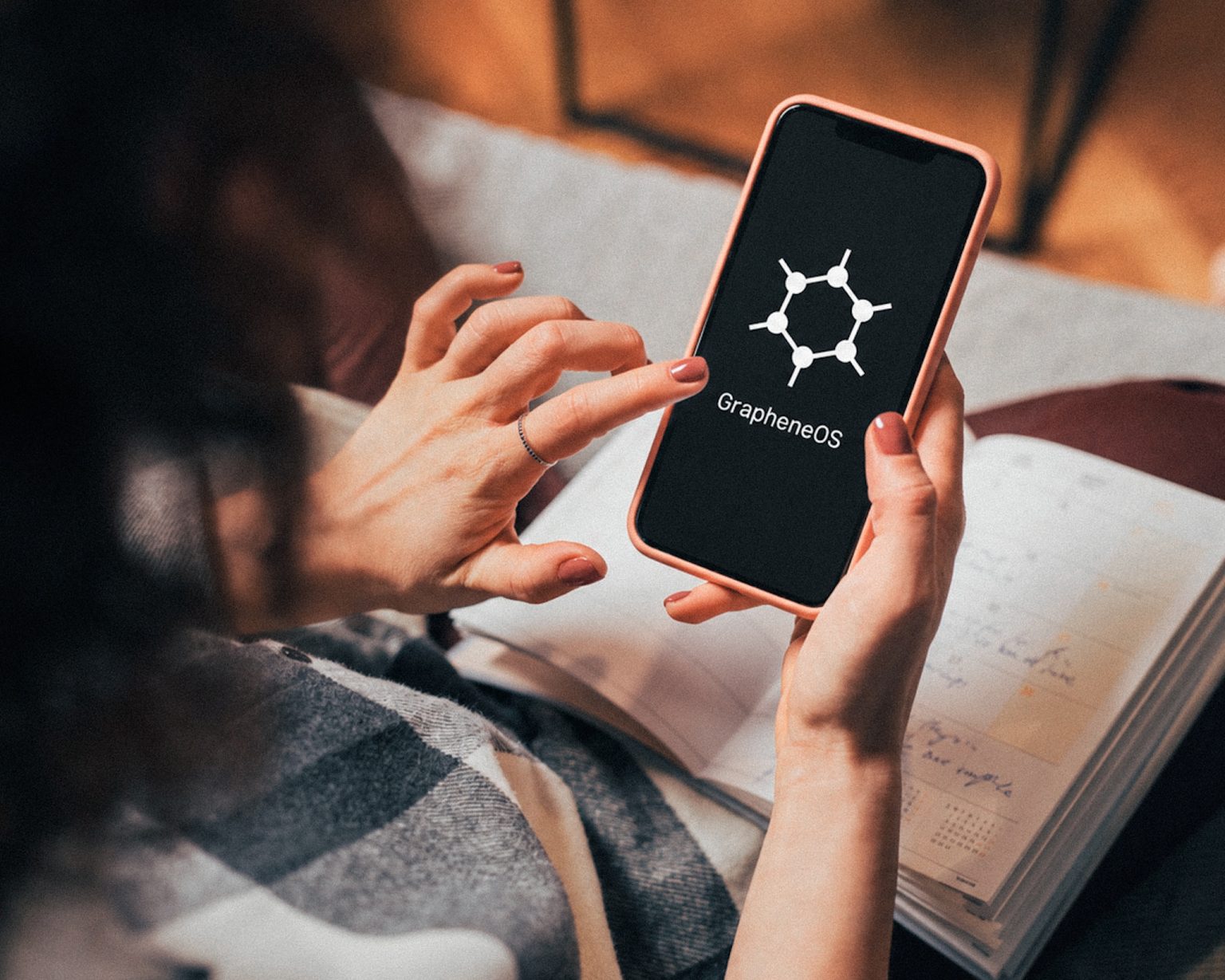
Eventually, Tunick gave the officers a code. When a border agent entered it into the smartphone, the screen went black, flashed several times and the phone was reset. Tunick's phone was a Google Pixel running GrapheneOS, an Android-based operating system geared toward security and privacy. GrapheneOS offers users the option to set up a duress PIN: if this code is entered instead of the normal unlock code, the system irrevocably erases the user's data and any existing eSIMs, a process that cannot be interrupted.
Pretext of Child Sexual Abuse
According to his defense attorneys, the officers initially said they were looking for individuals in possession of child sexual abuse material and wanted to determine whether such content was on his phone. The defense considers this a pretext to obtain information about Tunick's political contacts, while the government maintains that this was a lawful border inspection aimed at searching for prohibited items or data.
The prosecution alleges that Tunick knowingly handed officers the deletion code instead of his actual password. The indictment accordingly accuses him of intentionally deleting the phone's digital contents to prevent or impede the government's lawful seizure of it. Section 2232(a), under which Tunick is now charged, makes it a crime to intentionally destroy, damage, remove or otherwise render inaccessible property before, during or after a lawful search or seizure, in order to thwart the government from taking possession of it.
Built for Ships' Cargo, Tested on a Phone
The law, however, was never designed with modern security software or digital emergency codes in mind. Its roots lie in American customs and excise law, drafted to cover cases in which merchants, smugglers or ship crews got rid of, destroyed or threw goods overboard the moment customs or tax officials sought to seize them. Applying it to a GrapheneOS deletion code marks a modern, and apparently untested, extension of the statute into the digital age. Experts say they are not aware of any earlier US case in which the provision was applied to the duress function of a mobile operating system.
What happens next for Tunick depends largely on whether the intended search and seizure were lawful. Section 2232(a) explicitly protects the government's "lawful authority", and the government argues that returning travelers are subject to special border-control powers. In the Eleventh Circuit, where the case falls, existing case law permits extensive searches of electronic devices at the border without a warrant, and in some cases without individualized suspicion. Other US circuits have drawn stricter limits in the past.

Five Years at Stake over One Deleted Phone
Tunick's defense attorneys raise three main arguments. First, they contend that what began as an ordinary border inspection turned into a criminal interrogation without Tunick being informed of his rights. Second, they argue that officers ignored his repeated requests for a lawyer and pressured him into handing over a password, and that disclosing an unlock code can be considered protected testimony under the Fifth Amendment, which holds that no one may be compelled to testify against themselves in a criminal proceeding.
Third, they say the border check was used as an opportunity to search for evidence relating to a domestic political protest movement, without a judicial order. In the defense's view, the questions about child sexual abuse material were merely a pretext. If convicted, Tunick faces a maximum sentence of five years in prison, and the court may also impose a fine.