The UK government has opened a public consultation on reforming the marriage law of England and Wales, but critics warn that proposals to allow non-verbal consent and permit weddings to be held behind closed doors cave in to Sharia law practices and strike at the heart of marriage as “a public exchange of solemn promises”.
Westminster argues that the historic rewrite of its marriage laws, which date to the 18th and 19th centuries, is necessary to update the “outdated” regulations, saying they belong to “a different age”.
The Ministry of Justice (MoJ) says its new proposals, released on 16 July, will strengthen the institution, while reducing the financial burden placed on couples and giving them freedom over where they say “I do”.
However, critics say the proposals – released in a 96-page consultation document titled Tying the Knot: Reforming Weddings Law in England and Wales – fail to address the problem of religious ceremonies that are not legally recognized as marriages and make it harder to detect forced marriages, while stripping marriage of its distinct meaning and legal standing.
Long Called-For Reforms
Advocates on all sides of the political spectrum have long called for the reform of England’s marriage laws, seeking a universal law that applies to all wedding ceremonies.
Currently, marriage law is tied to venues rather than officiants. For a marriage or civil partnership ceremony to be legally binding, it must take place in an approved venue. The Marriage Act includes specific exceptions for people of Anglican, Jewish and Quaker faiths. However, since a precedent was set in a 1966 legal case, all Christian and Jewish ceremonies have also come under the remit of the law.

But this still leaves out many religious-only marriages, with one Channel 4 study finding that up to 60% of Muslim couples in Britain had undergone only a religious marriage ceremony that was not legally recognized. This often leaves women in vulnerable positions if their relationship breaks down, as they have no legal recourse.
Over the past decade, a number of government ministers and reviews – including a Home Office review of Sharia law practices in the UK – have recommended changes that would see one marriage law for all, with advocates calling for civil marriage to take place before or as part of every religious marriage ceremony.
Government’s Hollow Proposals
As a result, changes to the marriage law have been in the pipeline for several years now, with the latest proposals being the first concrete effort at reform.
The MoJ’s new proposals, based on recommendations from a 2022 Law Commission report, signal a major shift that will see wedding law move away from a building-based system to an officiant-based model. The government would appoint a regulator responsible for licensing celebrants to perform wedding ceremonies.
But while MoJ argues that this will remove “unnecessary restrictions on where people can marry and how their ceremony can be conducted”, and frequently stresses that marriage is a “serious and lifelong commitment”, some believe its key recommendations fail to reflect these assertions.
Forced Marriage Concerns
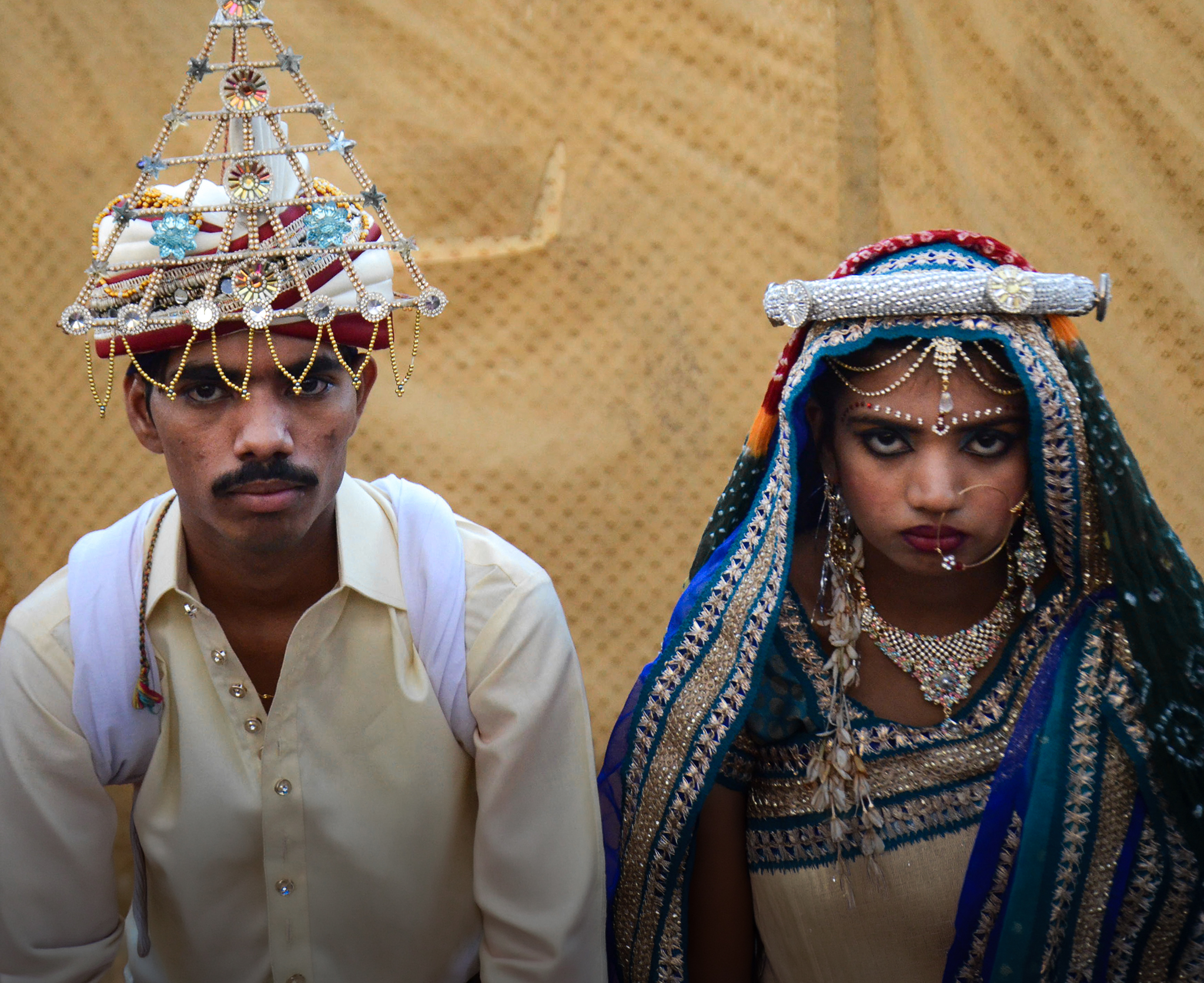
The first area of significant concern highlighted by critics is a proposal to ditch “prescribed words” of consent, allowing an officiant to confirm a couple’s consent to marry even if neither spouse says anything.
The document cites examples of Islamic and Hindu rituals, as well as non-religious belief practices in which consent is expressed “through actions, including rituals, rather than by set words”.
The consultation document also allows weddings to take place in private homes and behind closed doors, even while conceding that home weddings “could make it harder to identify forced, predatory, sham marriages or wider abuse”.
For the multi-denominational marriage advocacy group Coalition for Marriage (C4M), this raises the prospect of a bride—Muslim, Hindu or otherwise—being “married without saying one word, in the secrecy of a private home”, with the marriage resting on an “officiant’s judgement of what her silence meant”.
However, in a 25 July statement, C4M noted that the issue is of particular concern in the context of Muslim marital practice. It pointed to an investigation this year that found a London-based Islamic center was teaching that a virgin’s silence counts as consent.
Although C4M welcomed the introduction of a private registrar’s meeting held prior to the wedding to screen for coercion, the group argued that consent should never be “read into” a bride by onlookers at a wedding.
The organization warned that the current proposals remove what has been the law’s “final refusal point” for centuries and recommended that spoken or personally signed consent before witnesses must remain “the law’s floor” for every wedding in the land.
The Christian Institute also expressed concern that, in attempting to pull down “perceived ‘barriers’, the government is ditching important safeguards”.
Reforms Leave Legal Gaps
One of the key areas the new marriage proposals are intended to address is the unequal treatment of different religious and non-religious groups under the present marriage laws of England and Wales.
This has created significant issues in ensuring all marriages have legal recognition, again particularly in the Muslim community. The new proposals cite the Channel 4 survey suggesting that as many as six in 10 Muslim women married in Britain are not in legally recognized marriages, having been married in a religious-only ceremony not covered by current legislation.
In 2018, the Home Office said that the Marriage Act should be amended so that civil marriage accompanies the Muslim marriage ritual, the nikah, and that celebrants should be required to ensure marriages are recognized under the law.
However, the proposed reforms fail to resolve this issue, described by C4M as the “biggest inequality” in the current system, is resolved. It argues that the legislation would recognize Muslim marriage ceremonies without introducing the safeguards needed to ensure marriages are registered and women receive legal protection.
Meanwhile, as the new law would not automatically make every nikah legally binding, the British Muslim news site 5Pillars says it also means Muslim men will still be allowed to practice polygamy.
Although multi-person marriage is strictly prohibited, meaning exact figures are not available, the Channel 4 survey of 1,000 Muslim women found that 10% of them were in polygamous relationships, while the 2016 Casey Review reported that unregistered polygamy is “more commonplace than might be expected”.
Weakening the Institution
Critics argue that the proposals not only fail to tackle the key issues of forced marriages and religious-only weddings that are not legally binding, but also strike at the “very nature of marriage as a public exchange of solemn promises”.
For instance, the proposed law would no longer require marriage vows to include references to the institution as a lifelong commitment and an exclusive union.
Instead of strengthening the institution, the new proposals repackage marriage as “a regulated consumer product”, C4M warns, citing the government's promotion of cruise-ship weddings as an example.
The public consultation is open until 24 September and C4M and other pro-marriage advocacy groups have called on citizens to respond in force to ensure a marriage law that is truly universal, with sufficient safeguards to protect vulnerable women and strengthen the institution.