In its reasoning, the court stated that she had ‘made available to the public, and kept available, opinions that insult homosexuals as a group on the basis of their sexual orientation’. It nonetheless acknowledged that ‘the text forming the basis of the conviction did not contain any call to violence or comparable, threatening incitement to hatred. The conduct is therefore not particularly serious in terms of the nature of the offence’. Even so, a conviction followed.
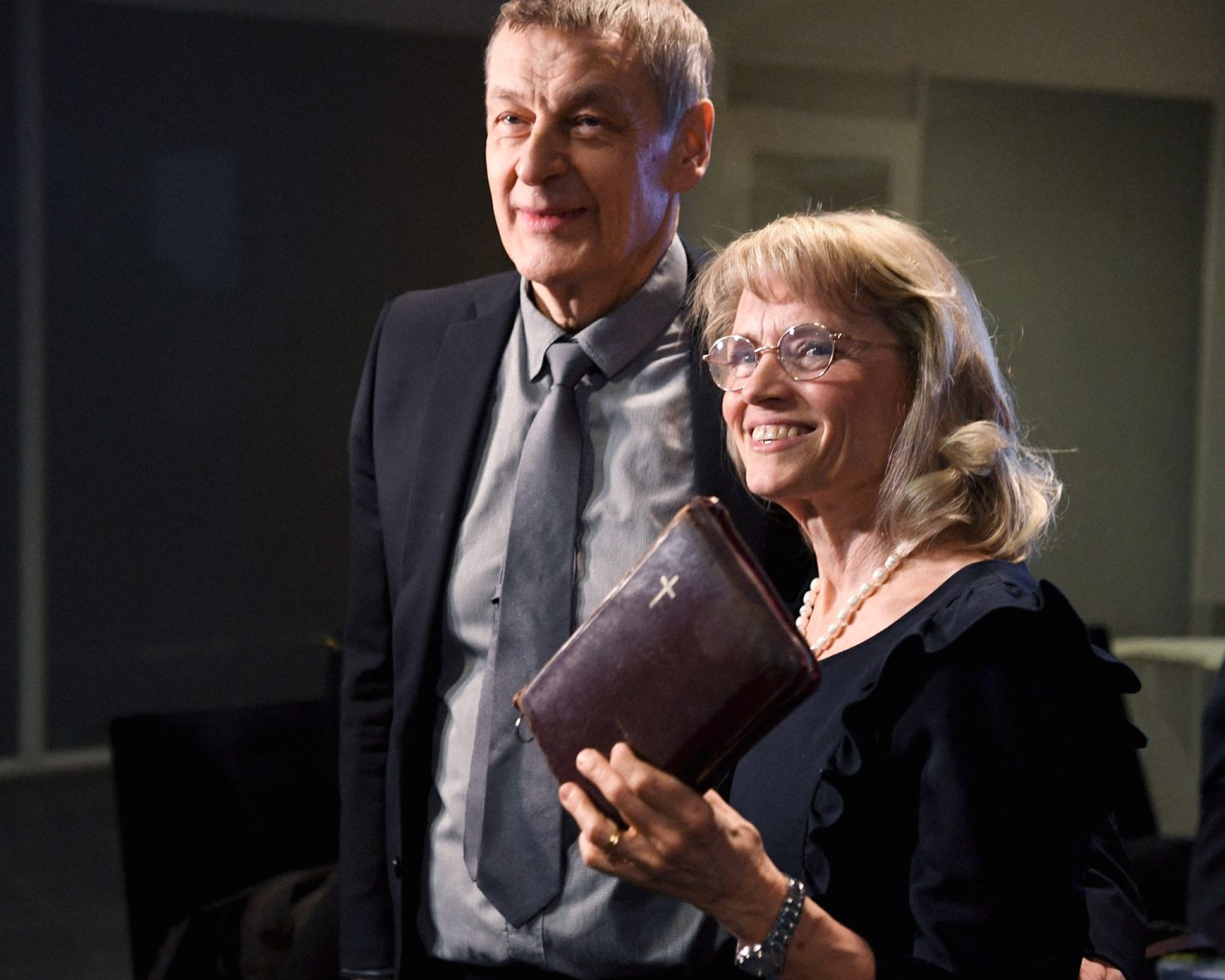
Räsänen has for years been represented in the case by lawyer Paul Coleman, executive director of ADF International, a legal human rights organisation. While welcoming the acquittal regarding the Bible verse, he expressed concern that a woman had been judged under a law that only entered into force more than a decade after the act she is accused of. He described the case as a troubling example of state censorship and warned that the decision would have a strong chilling effect on freedom of expression. Räsänen now intends to consider an appeal before the European Court of Human Rights.
Christians as ‘Easy’ Opponents
The conviction of Päivi Räsänen does not merely mark the provisional end of a years-long series of proceedings. It also casts a light on what Christians may still express openly about their religious convictions without coming into conflict with the law. The prosecution’s repeated appeals underline the persistence with which an example appeared to be sought in her case.
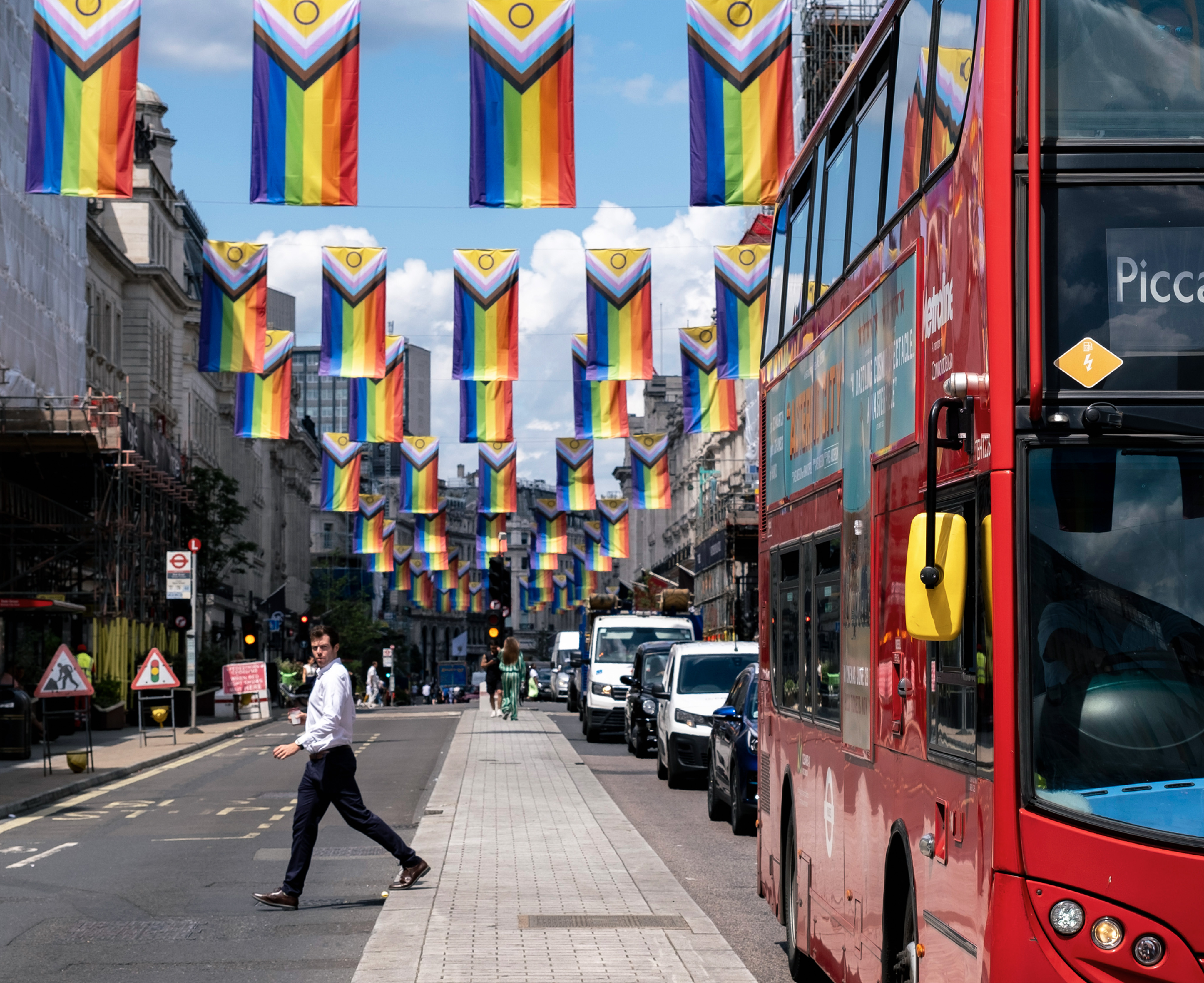
The Christian understanding of marriage and family, as well as the definition of homosexuality as sin in the Bible, remain the subject of fierce public disputes – not only in Finland. They sit uneasily with the prevailing form of expansive LGBTQ politics. In many countries, rejecting that agenda can quickly bring accusations of transphobia, homophobia or even of spreading hatred.
Across a number of European countries, it is striking that LGBTQ activists frequently pursue legal challenges against Christian positions, while the real – and often physical – dangers faced by homosexuals and members of the ‘queer community’ from certain Islamic views and actors are largely ignored. The outcome of such contradictions is unlikely to be favourable. Their most visible expression can be seen in groups such as ‘Queers for Palestine’, which campaign for Muslims in the Gaza Strip while, in many countries, including there, they would struggle to exist openly in public space without facing hostility.
For that milieu, Christians are the easier and ‘less dangerous’ opponents, as they express convictions but pose no physical threat. It is naïve, meanwhile, to assume that the growing Islamisation of parts of Europe’s major cities offers a benign future for that community, given that increasing numbers of people are arriving from societies in which homosexuality is regarded as a crime, punished not by debate but by imprisonment or even death.
The ruling in Finland reflects that wider shift, in which tolerance for dissenting views appears to be diminishing, even as those who press for such proceedings speak of diversity and plurality but show little willingness to accommodate them.
A Judgment with Contradictions
Räsänen, it seems, was not to be allowed to ‘get away with it’, not even after 20 years. The court’s reasoning is correspondingly inconsistent. It explicitly found that the contested texts neither called for violence nor constituted serious incitement. Yet the mere dissemination of their content in a church pamphlet sufficed to justify a conviction and fines amounting to several thousand euros. The statements in question may therefore no longer be publicly disseminated. In effect, under the banner of ‘hate speech’, something the court itself deemed harmless has been punished. Why, then, punish it at all?
Räsänen herself expressed deep disappointment at the judgment, pointing to her fundamental right to freedom of expression. She has received support from international human rights organisations, which view the ruling as an alarming signal. If a decades-old church pamphlet can be criminalised retrospectively on the basis of laws that did not even exist at the time, the implications are not only kafkaesque but dangerous for citizens’ freedom of expression. If a citizen can no longer be certain that what is lawful today will not lead to punishment in the future, legal certainty itself begins to erode and the prospect takes on distinctly dystopian overtones.
The case makes clear how far the shift has already advanced. For years, the citation and dissemination of biblical content were pursued through the courts as potential criminal offences. That even a partial acquittal is accompanied by a conviction suggests that more than one individual has been judged here – the limits of free expression themselves have been put on trial. The message to Christians is unmistakable: exercise caution, or risk being judged in the future under laws yet to be written.