
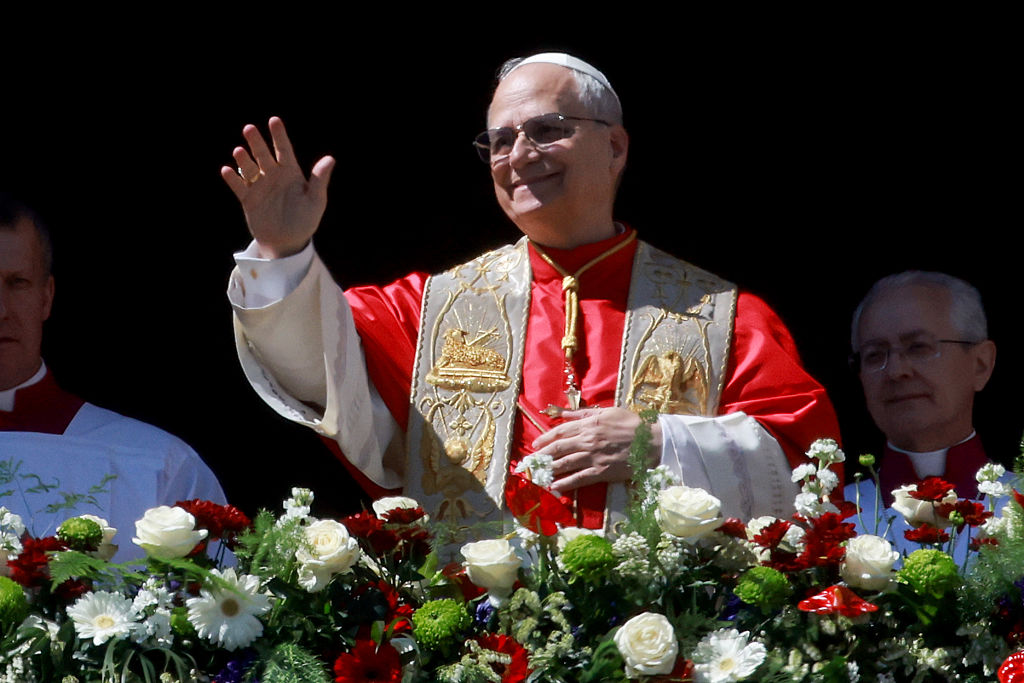
Easter Sunday is one of the most important Christian feasts, when believers commemorate the resurrection of Jesus Christ. The day symbolises the victory of life over death and brings a message of hope.
This year’s celebrations are also marked by the memory of Pope Francis, who died on Easter Monday last year at the age of 88. His successor, Pope Leo XIV, now stands for the first time at the centre of the Easter rites as head of the Catholic Church.
A Blessing for the City and the World
The Urbi et Orbi blessing, which translates as ‘to the city and the world’, is one of the most important public acts of the Pope. For the faithful, it is linked to the possibility of obtaining plenary indulgences when certain conditions are met.
Leo XIV has already granted the blessing at Christmas and immediately after his election. As the first pope from the United States, who also holds Peruvian citizenship, he leads an estimated 1.4 billion Catholics worldwide.
In his message, the Pope emphasised a central truth of the Christian faith: that Christ rose from the dead. He described Easter as a victory of life over death, light over darkness and love over hate.
According to the Pope, the victory was won through Christ’s sacrifice on the cross, where, as an innocent man, he accepted suffering and death in order to free humanity from sin. He stressed that the power of the resurrection lies not in violence but in God’s love, which forgives, renews and brings new life.
A Call to the Faithful
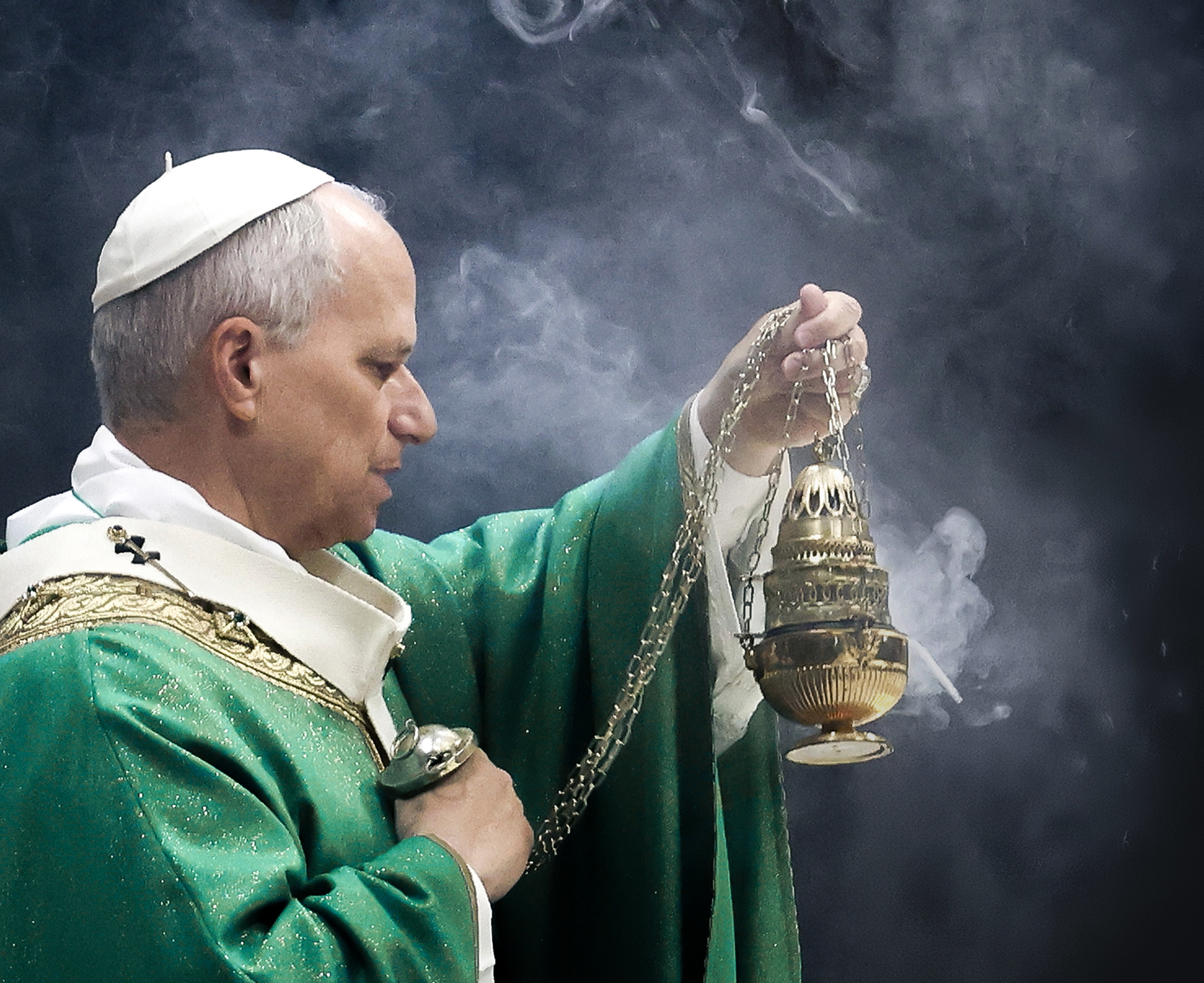
Leo XIV called on the faithful to be bearers of Easter hope in the world. Christians, he said, should bring the joy of the resurrection into their lives and help the light of life shine even in dark situations.
He concluded by expressing his wish that Christ would bring peace to the whole world, a message that is particularly important at a time of global conflict and uncertainty.
In his message, Leo XIV called for a rejection of violence and war. He appealed to those who hold weapons to lay them down and to those in power to choose the path of dialogue. He also drew attention to growing indifference to the suffering and consequences of conflicts around the world.
He stressed that true peace is not the result of power, but of a transformation of hearts and relationships between people.
A Message of Hope and New Life
At the heart of the Pope’s Easter homily is a message of hope. He stressed that Christ’s resurrection brings new life not only to individuals but also to the whole of human history. In his words, death no longer has the last word and humanity is called to the fullness of life.
The Pope also pointed to the reality of suffering and injustice in the world – from personal struggles to violence, war and exploitation. But it is precisely into this reality, he said, that the Easter message enters as a light that brings hope and renewal.
He also recalled Pope Francis’ words that the resurrection is not just an event of the past, but a force that continually permeates the world and brings new beginnings even where everything seems to be dying.
The More Traditional Style of the New Pope
The septuagenarian Leo XIV presents himself as somewhat more traditional than his predecessor. On Maundy Thursday, he honoured the memory of the Last Supper by washing the feet of twelve priests in St John Lateran Basilica.
Pope Francis often visited prisons on this occasion, emphasising humility and service at the margins of society.
The difference was also evident during the Stations of the Cross on Good Friday at the Colosseum, when Leo XIV carried the cross himself, while his predecessor left the symbolic act to others.
(vatican news, reuters, mja)