
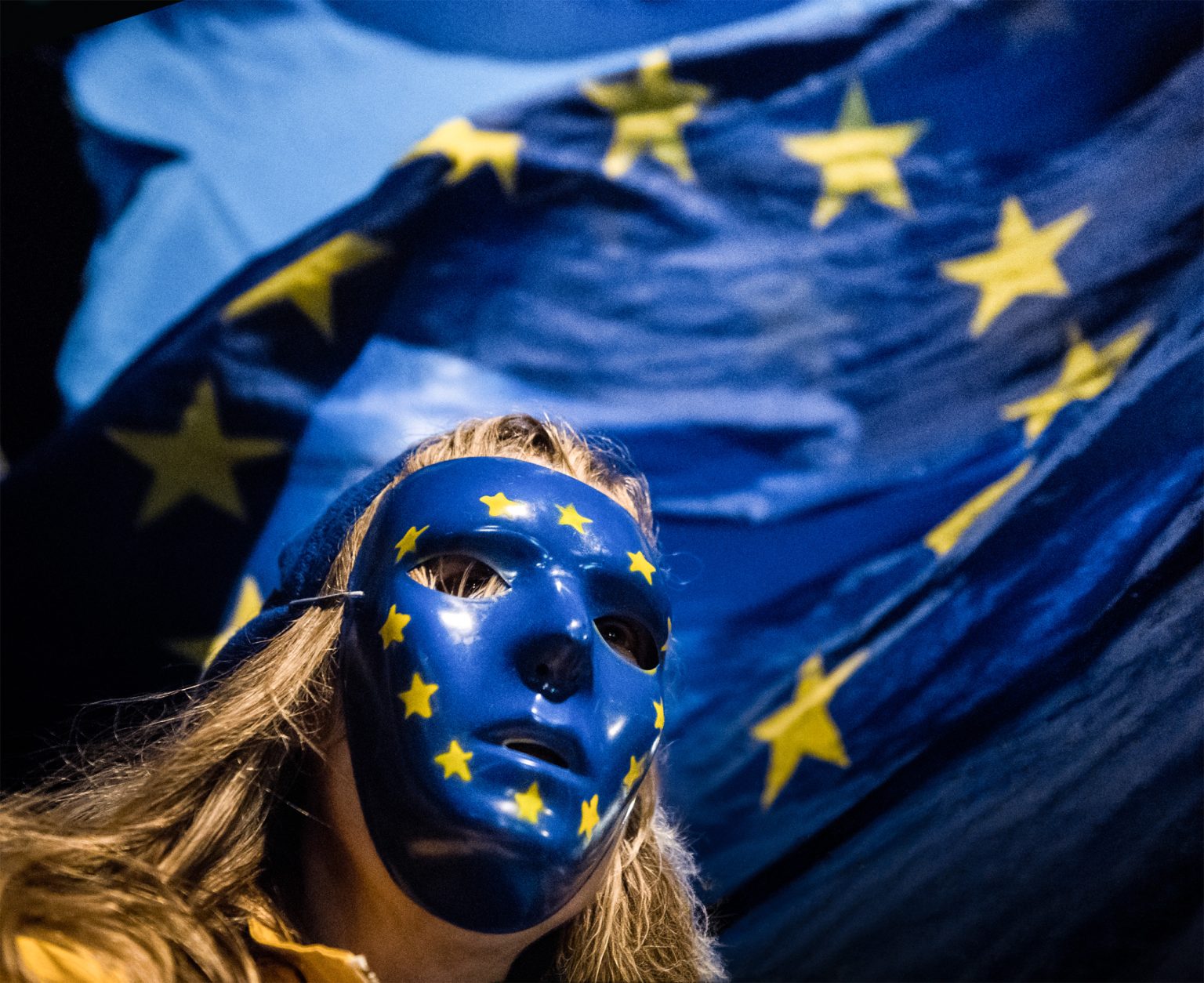
Suspicions of interference in European elections can no longer be dismissed as fabrications or fringe speculation. They are gradually turning into a hard political reality that strikes at the very heart of democracy: the right of peoples to decide for themselves without foreign dictates.
Whereas a few years ago any debate on election rigging was automatically associated with Russia or China, the picture is becoming more complicated.
New actors are appearing on the scene, including Ukraine and European Union institutions themselves. This shift reveals a deeper problem: selective threat perception and a dangerous double standard.
Hungary as a Laboratory of Foreign Influence
The latest case from Hungary is presented as a warning signal for the whole of Europe. A report by the Hungarian Institute of International Affairs (HIIA) highlights a coordinated network of social media accounts that systematically engage in Hungarian political debate, but without any real anchorage in Hungarian society. Instead, the report claims they show strong links to Ukraine, as well as Serbia and Georgia.
The accounts do not lead a normal political debate. They do not argue, analyse or engage substantively. They attack, insult and polarize.
Their aim is not to persuade but to fragment the public space and create the impression of mass dissatisfaction with the government of Viktor Orban. A classic tool of modern hybrid warfare is the manipulation of reality without the need for physical presence.
If the conclusions of the report are confirmed, the episode would amount to an attempt by a foreign actor to influence parliamentary elections in an EU member state by a country that is also the largest recipient of European financial and political support.
Open Conflict of Interest
The Hungarian government’s reaction was sharp. Viktor Orban accused Kyiv of interfering in the elections and summoned the Ukrainian ambassador. Foreign Minister Peter Szijjarto subsequently spoke of an unprecedented intervention by foreign intelligence services.
It is not difficult to understand why such allegations have arisen. Hungary is one of the EU countries taking a more restrained stance on military support for Ukraine. It refuses to send weapons, rejects escalation and emphasizes national interests. In the eyes of both Brussels and Kyiv, this makes it a problem state.
If the government of a sovereign state refuses to follow the geopolitical line of major powers, and it becomes legitimate to try to replace it with a more obedient one, then the debate shifts from democracy to a controlled political space.
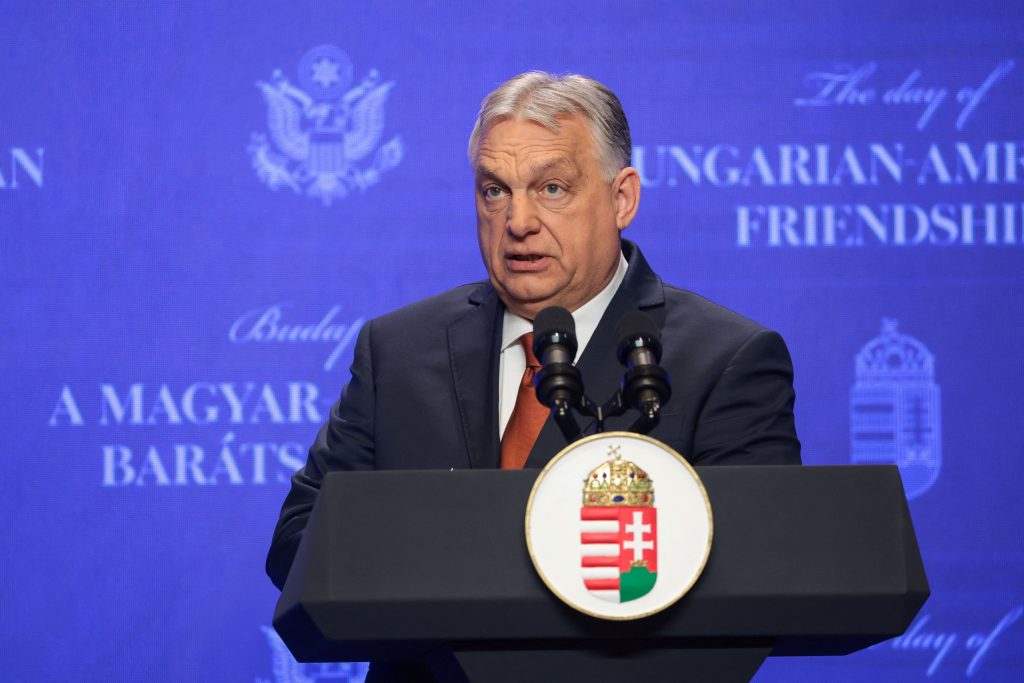
Double Standards as a Systemic Problem
European politics currently suffers from selective morality. When suspicions of Russian interference arise, sanctions, investigations and media campaigns often follow. When similar accusations are directed at actors on the same geopolitical side, the response is more muted.
The Hungarian case illustrates the contrast. If the same activities had been attributed to Russia, there might have been extraordinary summits, resolutions and calls for the protection of democracy. When accusations concern Ukraine, an ally, the response is more limited.
Such perceptions of double standards can undermine confidence in democratic institutions. Democracy cannot function effectively if rules appear to apply unevenly.
A recent survey by data analytics firm Vox Harbor identified coordinated waves of pro-Russian content on Hungarian Telegram channels ahead of the parliamentary elections. The analysis found recurring narratives and identical wording across multiple channels, suggesting organized dissemination. Telegram was described as an “incubator” from which the same themes spread to Facebook and TikTok. It remains to be seen how these findings will be addressed.
Brussels as Actor, Not Arbiter
Accusations have also been directed at the European Commission. Documents released by US Republicans under the label EU Censorship Files suggest that Brussels was not only a passive observer but an active participant in shaping public debate.
According to the materials, the Commission pressured technology platforms to change rules, remove certain content and restrict what was described as undesirable views.
The measures were presented as combating disinformation but, critics argue, also shaped what could be said in the public sphere. Some of the actions were allegedly taken shortly before elections in Ireland, France, the Netherlands, Slovakia and Romania.
Romania and the Political Fallout
The Romanian case shows how quickly narratives of foreign interference can become political tools. After the 2024 presidential election, which was subsequently annulled, alleged Russian influence via social media was cited as the main reason.
Thierry Breton, then EU internal market commissioner, who has long advocated stricter regulation of the digital space, also became involved in the debate. In the context of the annulment of the Romanian elections, he was quoted as saying: “We did it in Romania and we will have to do it in Germany if necessary.”
This approach fits into a broader EU policy framework in which the fight against disinformation is increasingly intertwined with influence over the information space during election campaigns. In recent years, the European Commission has worked with technology platforms within the Code against Disinformation. Critics argue that such tools can create pressure to restrict political content during campaign periods.
At the same time, the opposite direction of influence is also discussed. The actions of the United States can likewise be perceived as shaping domestic political debate. The visit of US Vice President JD Vance to Hungary and his positive remarks about the Hungarian government sparked discussion in this regard. Although not a direct intervention in the electoral process, such signals from abroad can influence the political atmosphere.
Censorship as an Instrument of Power
Modern interference in elections no longer resembles traditional methods. Ballot papers do not need to be forged. Influence over the flow of information can be enough. Decisions about what people see, and what they do not see, shape political outcomes.
If technology platforms, under pressure from political institutions, change algorithms, remove content or favor certain opinions, the result is interference in the democratic process. In a coordinated and systematic form, such practices represent a new form of power: subtle but effective.
Examples in which moderation also affected legitimate political views illustrate how thin the line between combating disinformation and restricting debate can become. From the perspective of sovereignty-focused politics, this represents a fundamental conflict.
The European Union, critics argue, is moving from a project of cooperation toward stronger centralized control. Competences are shifting to Brussels, while nation states lose room for independent decision-making. The Digital Services Act gives the European Commission significant influence over how platforms regulate public debate.
Migration policy is increasingly centralized through redistribution mechanisms or financial sanctions, limiting national control over asylum policy. The Green Deal sets binding targets affecting national economies. Tying EU funds to rule of law assessments creates another lever of influence over domestic political decisions.
Elections remain the final pillar of sovereignty. If they are influenced from outside, whether through social networks or regulatory pressure, the concept of national democracy is weakened.
The Hypocrisy of the Liberal Order
The liberal establishment often speaks about protecting democracy. Critics argue that this protection is selective and depends on outcomes.
When voters support conservative or sovereigntist forces, accusations of manipulation or extremism often arise. After Giorgia Meloni’s victory in Italy, parts of the European media warned of threats to democracy. Similar dynamics appear in criticism of the Hungarian government framed as rule of law disputes.
When comparable methods are used by pro-Brussels actors, the argument is framed as defending values. One example cited is the push by European institutions to regulate content during the COVID-19 pandemic as part of combating disinformation.
Critics argue that this approach undermines legitimacy and fuels distrust. The Hungarian elections in 2026 therefore become more than a domestic contest. They are portrayed as a test of whether European nations retain control over their political direction.
If foreign actors, whether states or supranational institutions, can influence elections, democracy risks becoming purely formal.
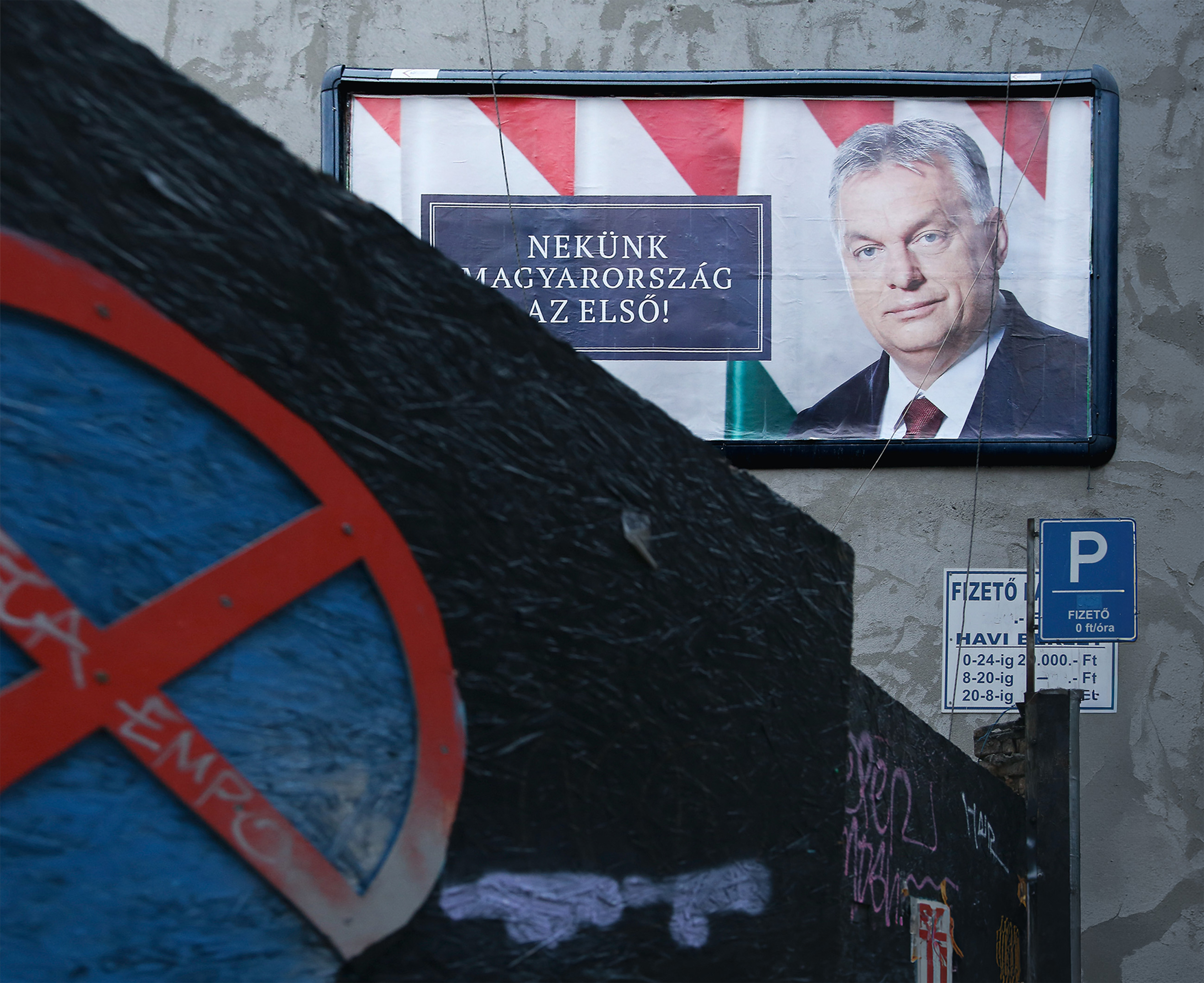
Protecting Democracy Starts at Home
Europe faces a choice between deeper centralization and a return to sovereignty, pluralism and freedom of speech. Conservative and sovereigntist forces argue that they must highlight double standards and defend national decision-making.
Not ideology or geopolitical rivalry, but the will of citizens should be decisive.
If democracy is to be preserved, interference in elections must be rejected regardless of the actor. Hungary’s case is presented as highlighting a broader European issue. Ignoring it risks deeper erosion of democratic trust.
Democracy is not guaranteed. It must be defended. Its basic principle remains that the future of a nation is decided by its own people.