
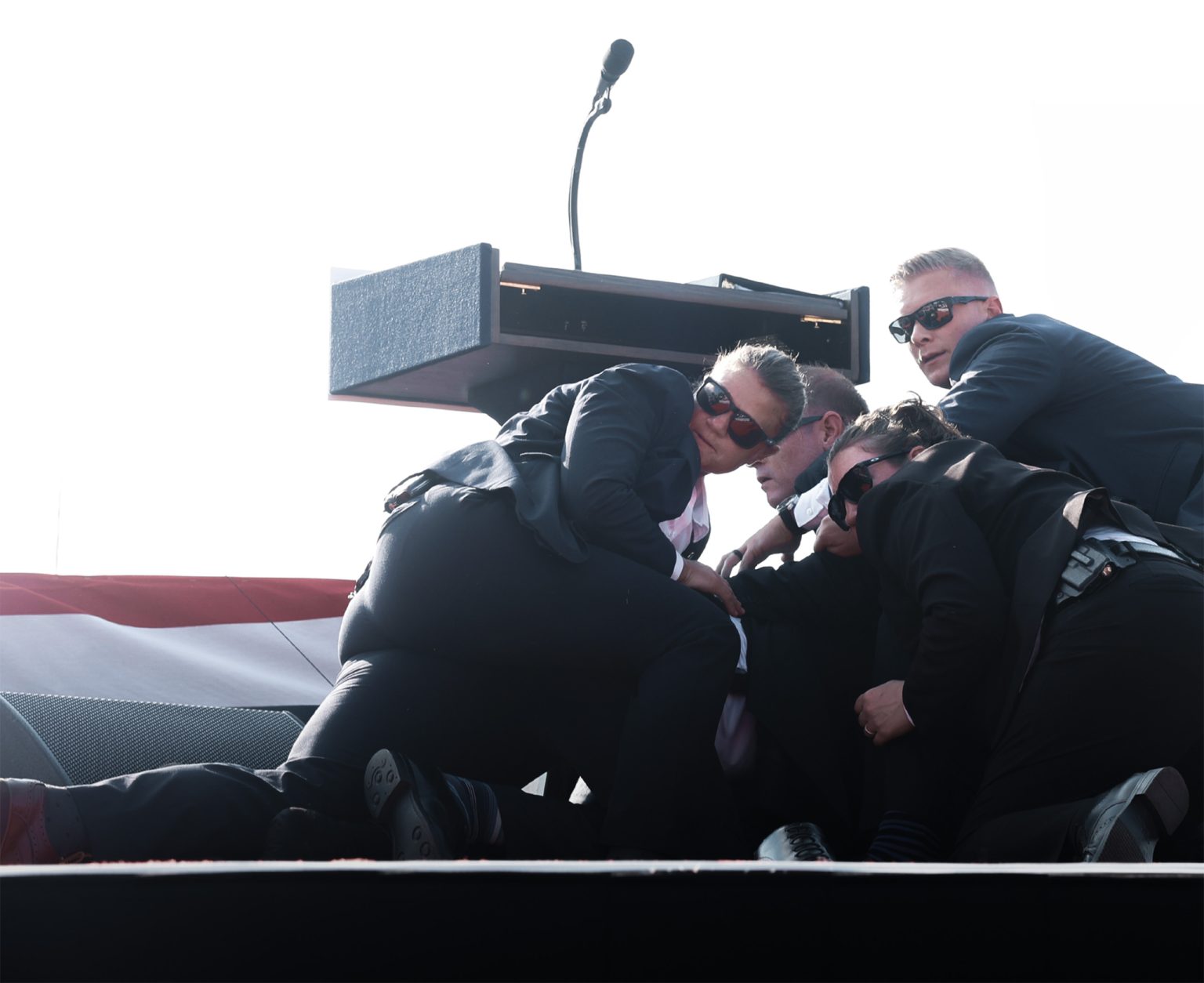
A few years ago, political violence might have seemed confined to history books rather than the everyday reality of free societies. When John F. Kennedy, Martin Luther King Jr. and Mahatma Gandhi were assassinated, and when John Paul II survived an attempt on his life, society reacted in one way, with condemnation and solidarity with the victim.
Violence was not a matter of interpretation but of clear moral judgment. Increasingly, however, such acts are framed within ideological narratives, shifting attention from the perpetrator to the “right” or “wrong” context and prompting a search for a new culprit.
A punch thrown in the street in the Slovak city of Kezmarok, shootings targeting political leaders in the United States, murders and assassinations driven by hatred, all can no longer be dismissed as isolated acts. Something deeper and more disturbing is unfolding.
When a member of parliament is attacked in front of his child, when political disputes turn into physical violence and when an opponent becomes an enemy who must be silenced, society crosses a dangerous line. Beyond that line, argument gives way to force, and respect for human dignity begins to disappear.
Christian civilisation has for centuries rested on simple but firm foundations: “Thou shalt not kill” and “Love thy neighbour as thyself”. If those commandments cease to be a living part of public life, they will not leave a void. They will be replaced by anger, hatred and ultimately violence.
What we are witnessing is no accident. It is a consequence.
Where Are the Restraints of a Nation of Doves?
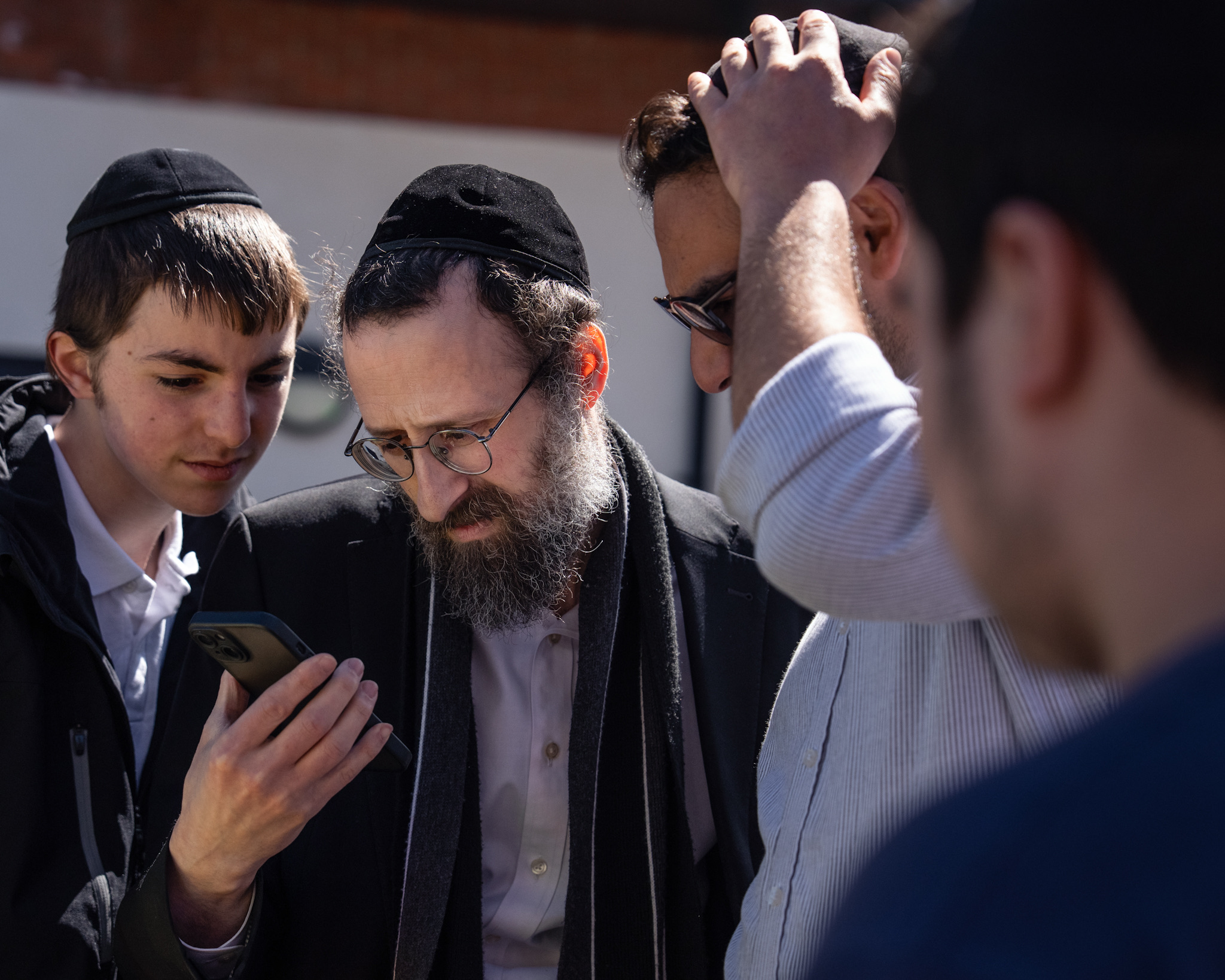
Slovakia has recently seen several disturbing manifestations of political violence. After the attempted assassination of Prime Minister Robert Fico, who was shot following a cabinet meeting in Handlova in May 2024, another incident followed.
On Saturday 25 April, Jan Ferencak, a member of the National Council of the Slovak Republic, was physically assaulted in Kezmarok. According to available information, an unknown man struck him on the back of the head in front of his daughter. The politician sustained injuries requiring treatment. Police are searching for the attacker.
Ferencak linked the attack to his parliamentary work and described it as intimidation. Interior Minister Matus Sutaj Estok of The Voice ruled out a political motive and said he was prepared to provide the MP with police protection.
The question of motive matters and must be investigated thoroughly. At the same time, the fact that a public figure becomes the target of a physical attack points to a broader problem. The distinction between political and non-political violence blurs in such cases, as both violate the basic rules of public life.
Democracy rests on the premise that conflicts are resolved through words, not force. If violence becomes tolerated as one possible response to political disagreement, it undermines the essence of the system. The issue is not the protection of status or position but of the fundamental dignity of the human person, without which public debate becomes a contest without rules.
This is no longer a “heated atmosphere”. It is moral decay and the erosion of norms that once prevented political opponents from becoming legitimate targets. A society that accepts the idea that an opponent deserves a punch or a bullet ceases to be civilized. Where respect for human life and dignity is lost, where evil is relativized and aggression justified by the “right view”, violence inevitably follows.
A nation that loses its moral scruples undermines the foundations of its own existence.
When Ideology Justifies Violence
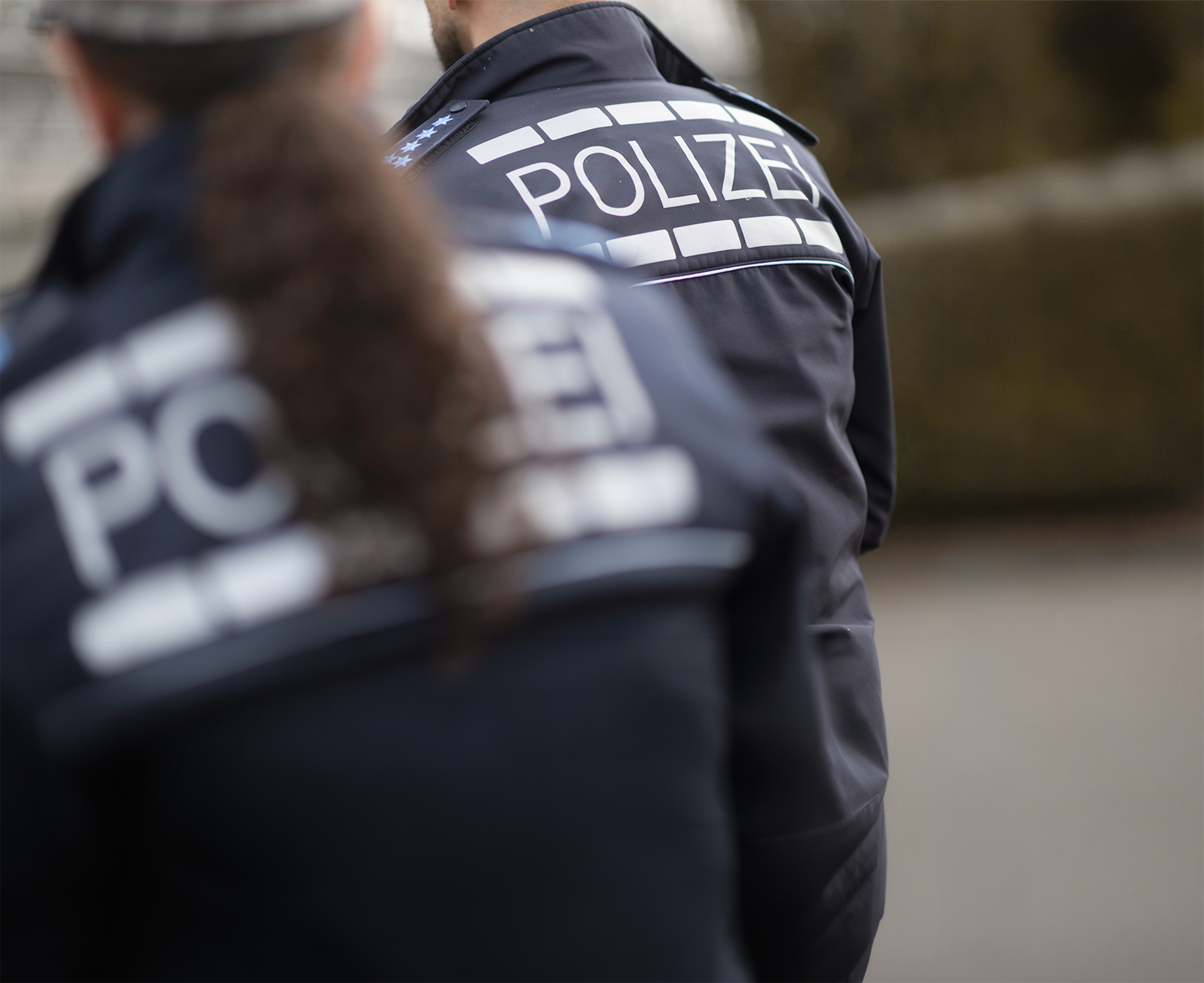
Europe is not merely a passive observer of this trend but an active participant. The case of the German non-binary left-wing extremist Simeon T., convicted in Budapest, has shown how easily violence can be transformed into an ideological symbol. A group of radicals did not travel to debate or protest but to target those identified as opponents. The court’s ruling addressed not identity but a specific act of organized violence.
What was troubling was not only the brutality of the attacks but also the reaction of part of the public. Instead of solidarity with the victims, support emerged for the perpetrator. In the name of ideology, an act that would otherwise have provoked clear condemnation was relativized. Violence ceases to be a problem and becomes a tool.
A similar dynamic has been visible in France. The death of a young activist, Quentin Deranque, following an attack by radicals in Lyon, showed how quickly political conflict can turn deadly. What should have remained a clash of views ended in the loss of life.
These cases reveal a dangerous shift. The focus is no longer primarily on the act itself but on who committed it. Violence is judged through an ideological lens rather than by its substance. Such an approach erodes trust in justice and expands the boundaries of what is considered acceptable.
Deadly Hatred
Political violence is not new to the United States, often seen as a model of stable democracy. In recent years, however, attacks, threats and assassinations with a possible political background have become more frequent, from assaults on public officials to killings in which investigators are considering ideological motives.
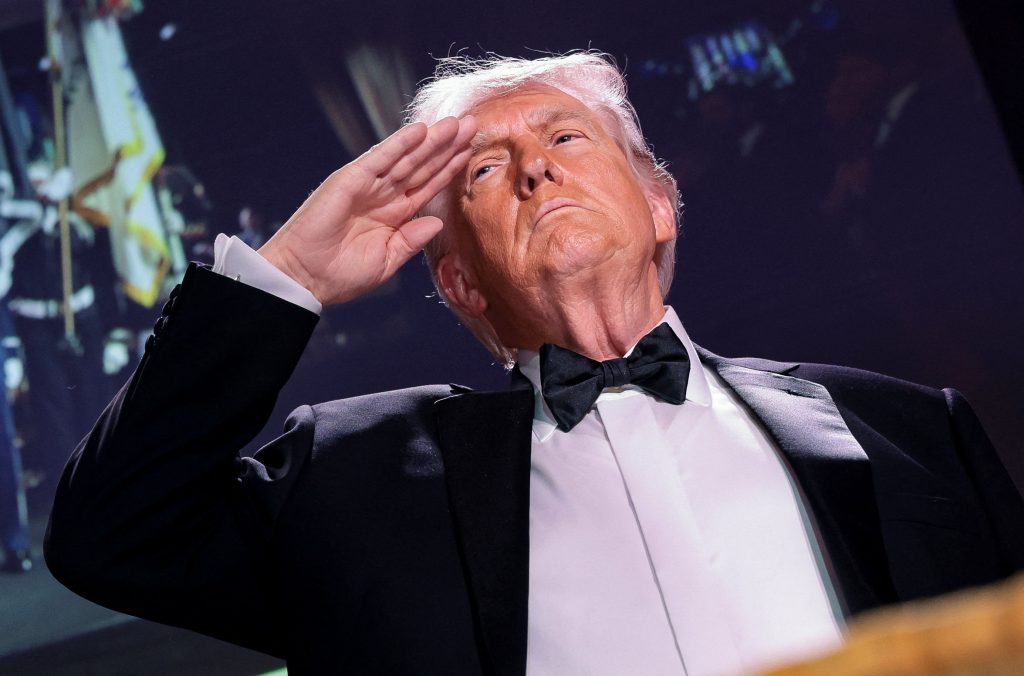
During the White House Correspondents’ Dinner in Washington, an attempted attack on Donald Trump was foiled by security forces. He had already survived an assassination attempt at a campaign rally in Pennsylvania in July 2024. In September 2025, conservative activist Charlie Kirk was assassinated.
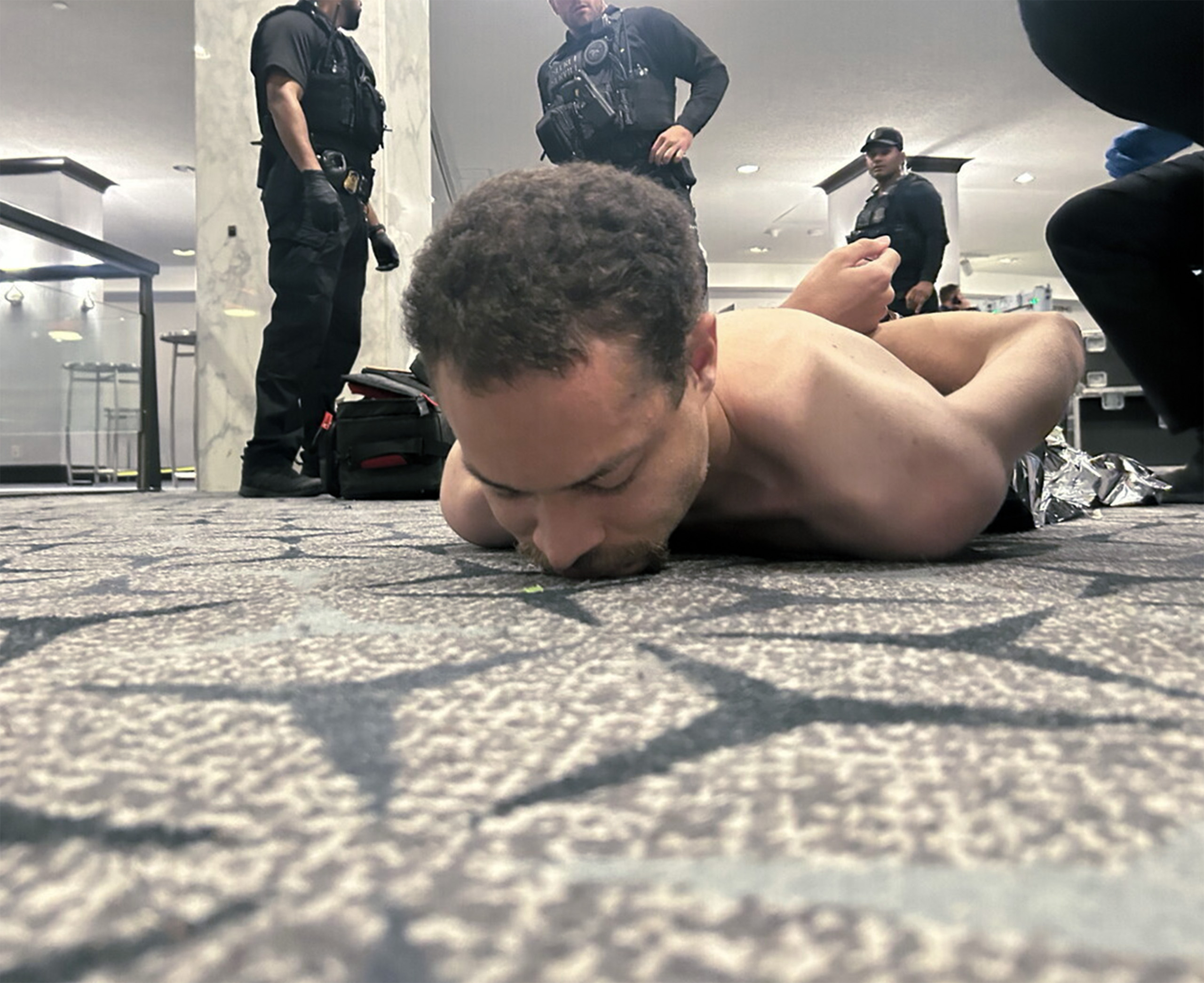
In June that same year, Minnesota was shaken by the murder of lawmaker Melissa Hortman and her husband, with investigators not ruling out a political motive. These cases show that even stable democracies are no exception when hatred escalates into deadly violence.
In some cases, violence is no longer merely a tool but a source of satisfaction. How can a society that claims to value life tolerate joy in its destruction?
Once that shift takes hold, the capacity for compassion begins to erode. With it disappears the final restraint separating people from barbarism. Where the death of an opponent is celebrated, it soon becomes impossible to distinguish between an enemy and another victim.
In such an environment, the issue is no longer only political but concerns the very nature of society.
Victims Beyond Politics
Increasingly, political violence affects not only public officials but also ordinary people who find themselves in the wrong place or become symbols of conflicts they did not create. Knife attacks, street violence and incidents in churches or at public gatherings show that the line between political and non-political violence is fading.
In a recent interview with Statement, Michael Kyrath spoke about the aftermath of such attacks. His 17-year-old daughter Ann-Marie was murdered along with her boyfriend by a Palestinian asylum seeker on a train in Germany. He said that attention often shifts away from the victims toward the perpetrator’s background, trauma or circumstances. As a result, the suffering of the victims recedes from view.
The same pattern is becoming increasingly common across countries. In the United States and Western Europe, there have been attacks on churches, violent clashes between radical groups such as Antifa and their opponents and assaults on random passers-by. The common element is a shift in which violence is no longer viewed as unequivocally wrong but is increasingly explained, relativized or even justified.
When victims must first fit a particular narrative to deserve compassion, something has gone seriously wrong.
Change Starts Within Us
If society is to have a future, it cannot settle for the status quo. Condemning individual attacks is not enough if the language and behavior that enable them are tolerated. Violence does not arise in a vacuum. It is preceded by a gradual lowering of the boundaries of what is considered acceptable.
Change begins within each individual, in the willingness to recognize that even those with whom one disagrees possess equal dignity. It requires rejecting the logic that turns an adversary into an enemy and returning to the foundations on which civilisation has been built: respect for life, truth and responsibility for one’s words and actions.
The character of a society is revealed not in times of peace but in how it responds to tension and conflict. If fundamental norms are abandoned in the name of emotion or political struggle, the ability to restore them is gradually lost.
“Righteousness exalteth a nation: but sin is a reproach to any people.” This biblical warning is not a platitude but a reality. A nation stands not on economics or power but on character. If that character erodes, everything else follows.
The question is not how far violence can go. It is whether we can still say a clear and firm “no” to it.