
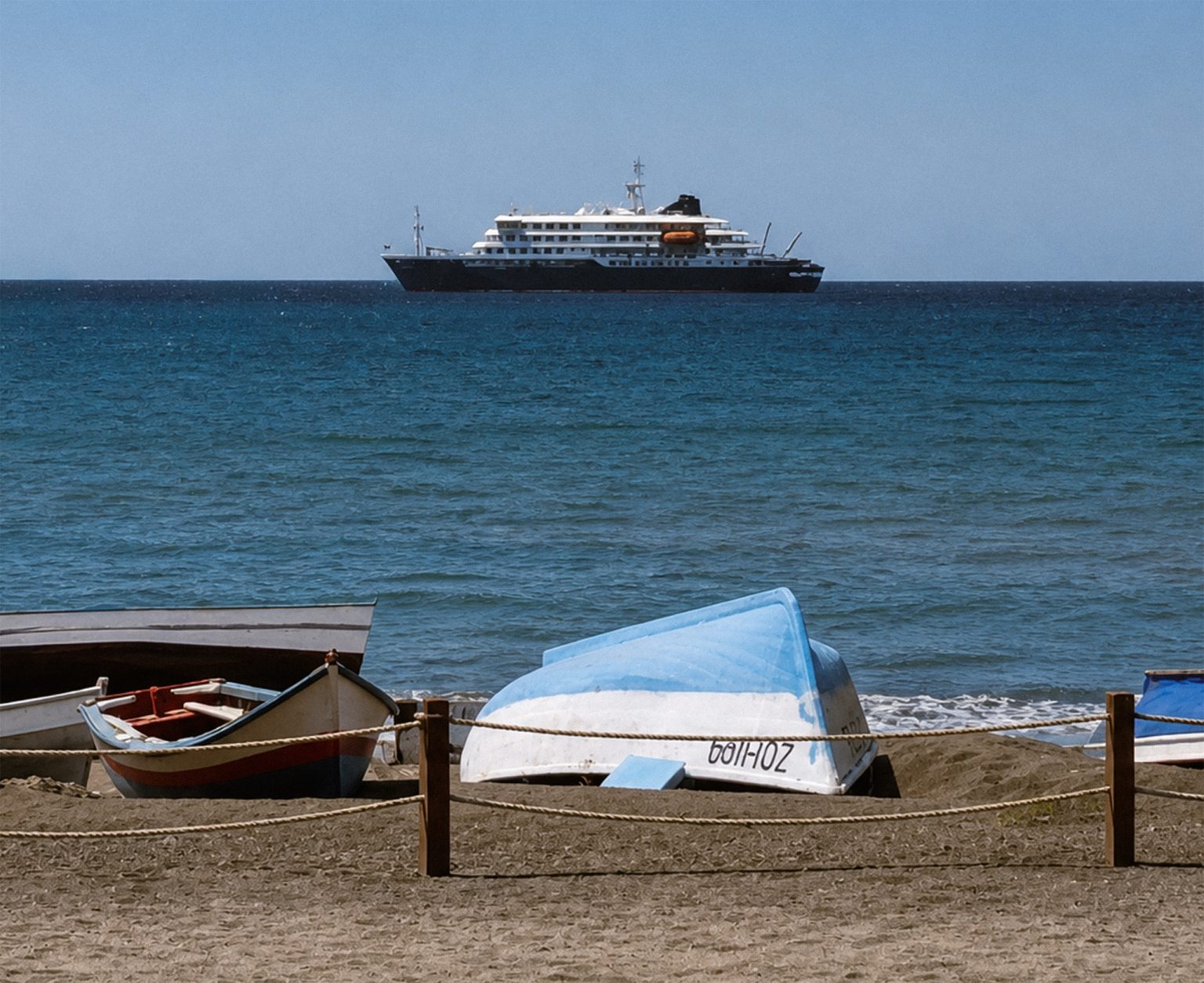
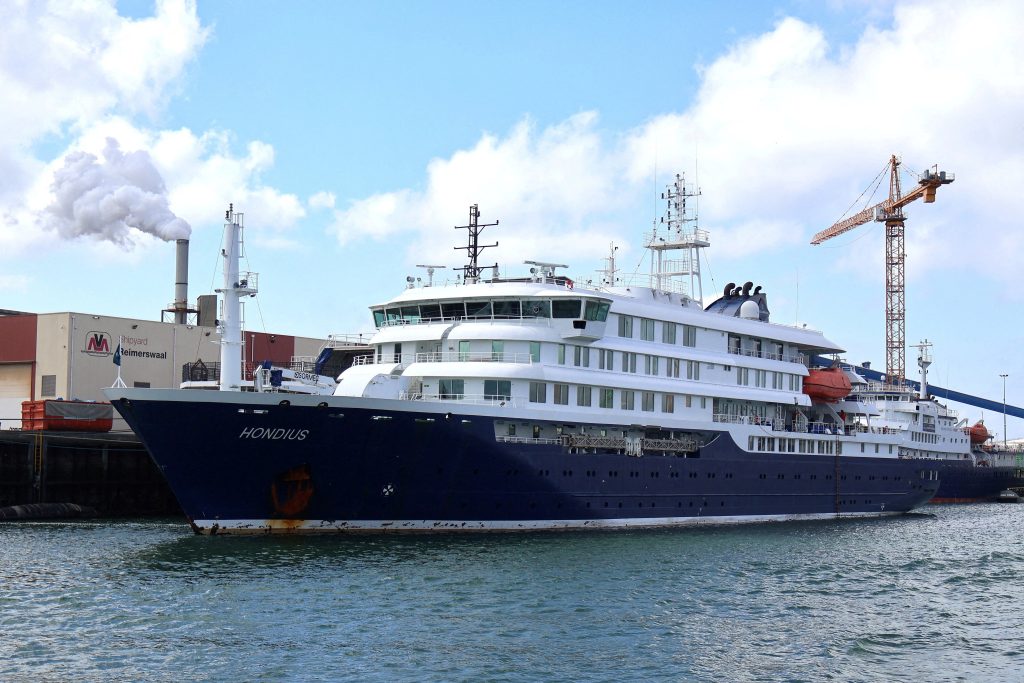
A deadly hantavirus outbreak aboard the luxury cruise ship MV Hondius has left three passengers dead and several others ill. After being stranded off Cape Verde since at least 4 May with close to 150 people on board, the vessel was preparing to sail to the Canary Islands after Spain agreed to receive it.
A Dutch couple and a German national who had been on the ship have died. A British national is in intensive care in South Africa, while Swiss authorities said a man who returned to Switzerland after travelling on the MV Hondius had also tested positive for hantavirus and was being treated in Zurich. Officials in Switzerland said there was no danger to the broader population.
The World Health Organization (WHO) said it suspects that rare human-to-human transmission may have occurred among very close contacts on board. Since the start of the outbreak, however, the UN health agency has stressed that the risk to the broader public is low.
Authorities Monitor Contacts
South Africa’s health ministry said contact tracing was underway, with 62 contacts identified, including flight crew and healthcare workers. They will be monitored until the incubation period has passed. None has so far been diagnosed with hantavirus.
Cape Verde was meant to be the ship’s final destination, but the Atlantic island nation off West Africa has not allowed passengers to disembark because of the outbreak.
The Dutch Ministry of Foreign Affairs said it was coordinating the evacuation of three patients, one of them a Dutch national, to the Netherlands, where they will receive care.
“All efforts are aimed at making this happen as soon as possible”, it said. “Exact details of the timing and logistics of this operation can only be shared once they are definitively established.”
Spain Agrees to Receive the Ship
The MV Hondius was preparing to travel from Cape Verde toward Europe on Wednesday after the Spanish government gave permission for it to dock in the Canary Islands.
Late on Tuesday, the Spanish Health Ministry said it had been asked by the WHO and the European Union to receive the vessel and had agreed “in accordance with international law and humanitarian principles”.
The ship will dock on the Canary Island of Tenerife, Spanish state broadcaster TVE reported on Wednesday, citing sources in the country’s health ministry.
The leader of the Canary Islands, Fernando Clavijo, said he opposed the move and requested an urgent meeting with Prime Minister Pedro Sanchez. The final decision rests with Spain’s central government, which has authority over regional administrations.
Once the ship reaches the Canary Islands, medical teams will examine and treat all passengers and crew before transferring them to their countries, the ministry said.
“The World Health Organization has explained that Cape Verde is unable to carry out this operation”, the health ministry said. “The Canary Islands are the closest location with the necessary capabilities. Spain has a moral and legal obligation to assist these people, among whom are also several Spanish citizens.”
A Cruise That Began in Argentina
The Hondius was carrying mostly British, American and Spanish passengers on a luxury expedition cruise that left the southern tip of Argentina in late March. During the voyage, passengers visited the Antarctic Peninsula, South Georgia and Tristan da Cunha, some of the most remote islands in the South Atlantic.
The cruise was advertised as an expedition into the Antarctic wilderness, with berths priced at €14,000 to €22,000, roughly $16,000 to $25,000.
The first passenger to die was a 70-year-old Dutchman. He developed fever, headache and mild diarrhea on 6 April and died on 11 April after suffering breathing difficulties. His body remained on board until 24 April, when it was disembarked on St Helena, according to Oceanwide Expeditions, the operator of the Dutch-flagged ship.
His 69-year-old wife also fell ill on board and left the ship at St Helena. Her condition deteriorated during a flight to Johannesburg, where she was due to catch a connecting flight to the Netherlands. She died after arriving at an emergency room on 26 April, the WHO said. Monitoring of contacts from that flight is continuing.
The third case is a British man who fell ill on board after the ship left St Helena. He disembarked at Ascension Island, where he was treated, and was medically evacuated to South Africa on 27 April. He remains hospitalized in isolation in an intensive care unit in Johannesburg.
The fourth case was a German woman who died on the ship on 2 May after developing symptoms five days earlier.
Three others with suspected hantavirus infection have reported fever or gastrointestinal symptoms and remain on board the vessel off Cape Verde. Medical teams there are examining the patients and taking samples for testing.
What Is Hantavirus?
The WHO estimates that between 10,000 and 100,000 human cases of hantavirus occur worldwide each year, with the severity of the disease varying by strain.
People are usually infected with hantavirus through contact with infected rodents, or their urine, droppings or saliva. Human-to-human transmission is rare.
Limited spread among close contacts has been observed in some previous outbreaks of the Andes strain, which circulates in South America, including Argentina, where the cruise began in March.
A presentation seen by Reuters said tests carried out by South Africa’s National Institute for Communicable Diseases found that the Andes strain was the cause of infection in the Dutch woman who died in Johannesburg as well as in the British man who remains in hospital there.
“This is the only strain that is known to cause human-to-human transmission, but such transmission is very rare and as said earlier, it only happens due to very close contact”, according to the presentation.
The WHO said it had been told by the ship that there were no rats on board.
“We believe that there may be some person-to-person transmission between really close contacts, husband and wife, people who shared a cabin”, Maria Van Kerkhove, director of epidemic and pandemic preparedness and prevention at the WHO, told reporters in Geneva.
What Are the Symptoms?
Hantaviruses found in different parts of the world cause different symptoms and illnesses. Some cause none.
Symptoms usually begin one to eight weeks after exposure and can include fever, muscle aches and gastrointestinal problems, according to the WHO.
In Europe and Asia, hantaviruses are known to cause hemorrhagic fever with renal syndrome, which mainly affects the kidneys and blood vessels.
In the Americas, infection can cause hantavirus cardiopulmonary syndrome, which can progress rapidly and lead to fluid build-up in the lungs as well as heart complications.
According to the WHO, the mortality rate for cardiopulmonary syndrome caused by hantavirus can be as high as 50%, compared with 1%–15% for infections common in Asia and Europe.
The WHO’s US office warned in December that hantavirus infections were rising in the region, particularly in Bolivia and Paraguay. Brazil and Argentina, which have the most cases, have also recorded rising death rates.
Argentina reported 21 deaths last year, a mortality rate of 32% among the 66 people who contracted hantavirus-induced pulmonary syndrome, compared with an average of 15% over the previous four years.
There is no specific treatment for hantavirus infection. Current therapy focuses on supportive care, including rest, fluids and, in severe cases, respiratory support such as ventilation.
(reuters, red, im)