Toddlers, Thoughtcrime and the New Culture of Surveillance
A new Labour-backed anti-racism initiative for nurseries and schools in Wales has sparked concern that Britain is treating childhood mistakes as ideological offenses.
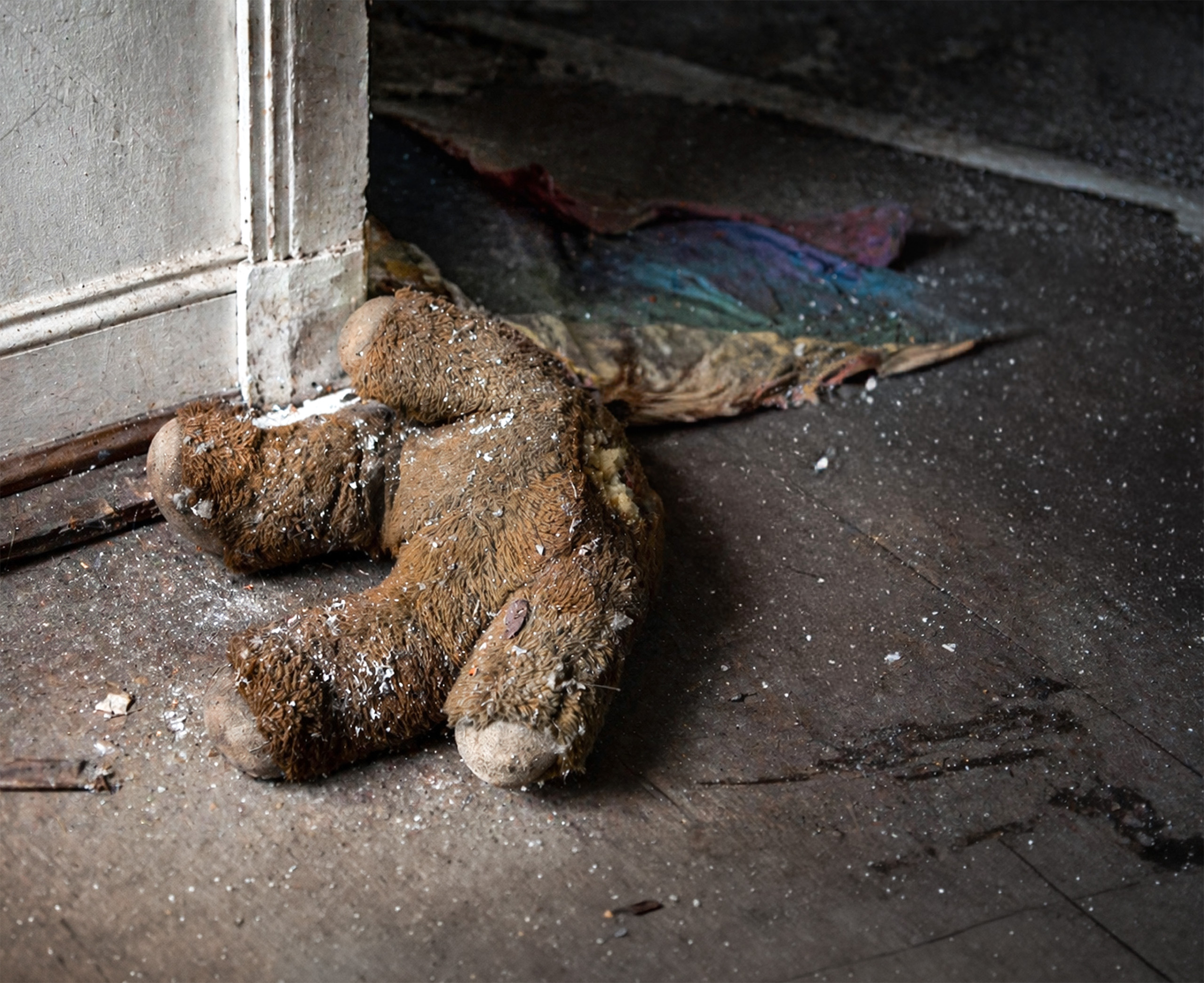
When toddlers learn to speak, they often make mistakes at first. He or she repeats a word that was heard somewhere, perhaps from an older sibling, perhaps from television, perhaps without understanding it at all. In any sane society, the response would be obvious: a parent or teacher calmly explains why the word is inappropriate, and the child learns from it.
But in modern Britain, the response increasingly appears to involve pathologizing the child and even involving the police. This week, The Telegraph revealed that nursery workers in Wales are being encouraged to report even very young children for behavior that could be interpreted as racist or considered a “hate incident”.
The guidance, backed by public funding and linked to the Welsh Government’s anti-racism strategy, urges childcare professionals to escalate concerns when incidents might meet the threshold of hate crimes or non-crime hate incidents. The document asks childcare workers: "How competent and open am I about addressing reporting/non-reporting of racism among children/adults?"
The official Diversity and Anti-Racist Professional Learning (DARPL) program, founded in 2021 and funded by the Welsh Government to provide anti-racism training and resources for educators and childcare professionals, repeatedly frames nurseries and playgroups as part of a wider state-led mission to build an “anti-racist nation by 2030”.
The broader ambition may sound noble. Few people oppose teaching children respect and manners. But somewhere between opposing racism and policing preschoolers, Britain appears to have lost its collective mind.
Genuine racist abuse should be condemned wherever it occurs, but a three-year-old does not possess a developed political worldview. Toddlers mimic language. They like to test boundaries. They repeat phrases without comprehension. Developmental psychologists have understood this for decades. Yet official culture increasingly treats this childish ignorance as evidence of ideological deviance requiring institutional intervention.
The language surrounding these programs is itself revealing. The Welsh guidance speaks not merely about preventing discrimination, but about embedding “anti-racist leadership” throughout childcare settings. This is no longer simply about protecting children from cruelty by their peers. It is about imposing a political and ideological framework on educators and increasingly on families.
That is especially clear when reading the Welsh government’s Race Equality Action Plan, which talks about deeply contested concepts like “white privilege” and “white fragility”. Under the plan, even “banter” would be examined to ensure it is not acceptable, meaning that humor now has to be scrutinized and made politically acceptable. The same plan rejects being non-racist in favor of being anti-racist, a subtle shift that implies compliance is not sufficient, only activism is.
Once the state begins encouraging citizens to monitor language at the level of nursery playgrounds, the boundaries of acceptable intervention disappear entirely. We already know where this road leads. Britain’s expanding regime of “non-crime hate incidents” has already swept children into police databases. Reports in recent years have revealed that schoolchildren as young as four years old have been investigated for classroom insults and playground disputes.
One case involved a nine-year-old questioned after calling another child a "retard" during an argument. No crime had been committed, yet the police still recorded it. The danger here is cultural as much as legal. Nursery staff are pressured to think like compliance officers, implementing "anti-racism" and "progressive values" to staff, children and their families. Parents are subtly taught that ordinary disciplinary problems may carry ideological implications. Children grow up in environments where accidental offense is treated not as a learning opportunity, but as a quasi-criminal matter.
Ironically, this obsession with monitoring speech risks trivializing real racism. When every childish misunderstanding or playground comment becomes part of the same bureaucratic framework as genuine hate crimes, the meaning of serious racism becomes diluted. If a toddler’s parroting of an inappropriate phrase is treated through the same lens as deliberate racial intimidation, then the system has lost all sense of moral scale.
Even many people who strongly support anti-racism should feel uneasy about this direction of travel. Liberal democracies depend on distinguishing between education and coercion, between guidance and surveillance. Once authorities begin to encourage policing preschool behavior through ideological frameworks such as those pushed in Wales and England, society crosses a line that should concern anyone who values freedom. There is something deeply unhealthy about a culture that increasingly views childish innocence itself with suspicion.
A toddler is not a criminal nor a racist.
Placeholder For Topreaded Placeholder For Topreaded
Placeholder
Placeholder
Placeholder For Topreaded Placeholder For Topreaded
Placeholder
Placeholder
Placeholder For Topreaded Placeholder For Topreaded
Placeholder
Placeholder
Placeholder For Topreaded Placeholder For Topreaded
Placeholder
Placeholder
Placeholder For Topreaded Placeholder For Topreaded
Here is placeholder for Article excerpt Here is placeholder for Article excerpt Here is placeholder for Article excerpt Here is placeholder for Article excerpt
Here is placeholder for Article excerpt Here is placeholder for Article excerpt Here is placeholder for Article excerpt Here is placeholder for Article excerpt
Here is placeholder for Article excerpt Here is placeholder for Article excerpt Here is placeholder for Article excerpt Here is placeholder for Article excerpt
Welcome to the comments section of the Štandard daily. Please take note of our guidelines, comments are moderated by us. You can contact the moderators at [email protected].
Participate in the discussion
Comments are available to subscribers only. If you'd like to join the discussion, choose a subscription starting at €6.72 per month.
All comments 0
Register
Comments are available to registered users only. If you'd like to join the discussion, register here.