Official accounts in Washington are no longer trying to sound diplomatic. By turning once-taboo language into government messaging, the Trump administration is forcing even hostile media to discuss ideas they had long treated as unsayable.
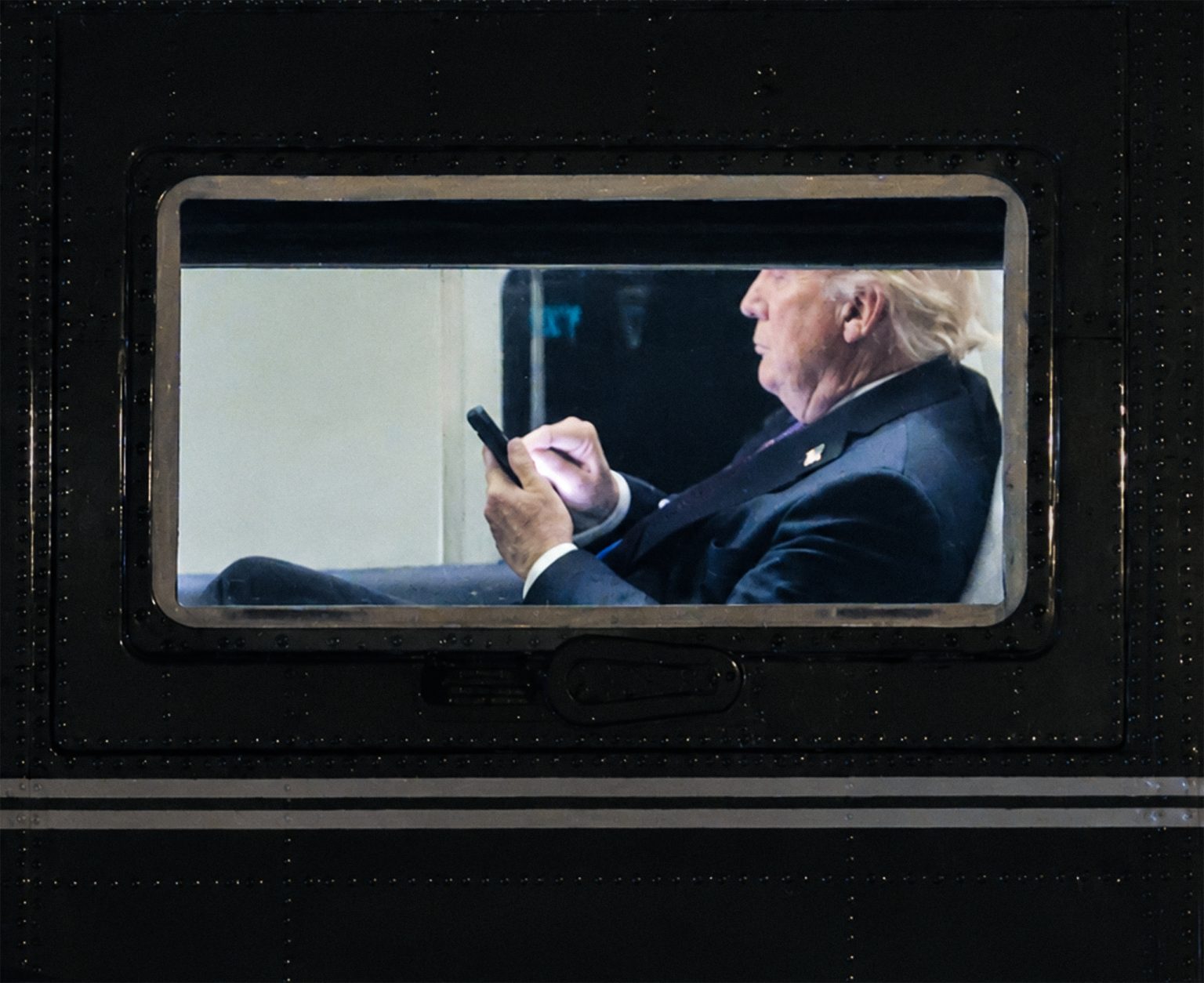
Donald Trump’s posts have turned online provocation into official political language. Photo: Chip Somodevilla/Getty Images
|
The second Trump administration has received both praise and criticism for its unconventional behavior on social media, particularly because its various official accounts post graceless - but sometimes very funny - memes about sensitive political topics.
“The arrests will continue. The memes will continue”, declared the White House deputy communications director in response to objections about an AI-generated parodic image of a previously deported Dominican woman, who had also been convicted of drug trafficking, crying during her arrest by immigration officers.
The president himself posts AI images and videos that are sometimes strange and transgressive, which irritable critics commentators like those on The View have suggested constitutes evidence of mental unfitness that could possibly disqualify him from office under the 25th Amendment.
A New Tone for Official Washington
Putting aside which images are prudent to share online under the banner of the government, these posts represent the broader approach of the Trump team’s effective social-media strategy: official government accounts have abandoned contrived etiquette standards regarding so-called presidential conduct or statesmanship, allowing them to engage unapologetically in the culture wars.
By rejecting the premise that they must appear diplomatic or even formal, arms of the administration are emboldened to advance right-wing arguments without obsessing over the optics of politeness, sometimes even embracing the exact rhetoric that has been carelessly labeled “fascist”.
By using supposedly scary terminology or endorsing allegedly far-right views on its official social-media pages, the Trump administration broadens the boundaries of acceptable discourse by legitimizing certain perspectives and, more importantly, effectively forces the mainstream media to discuss such perspectives in their pages, although they rarely do so fairly.
https://www.youtube.com/watch?v=03PJmEnAAgQ
When Taboo Words Become Government Language
Perhaps the best example of this phenomenon happened this May, when the US State Department made a series of posts that expressly endorsed “remigration” and directly attacked the United Nations for facilitating “replacement migration” across Western nations.
“For the citizens of Western nations, mass migration was never safe”, said the department, currently under the leadership of Marco Rubio. “It introduced new security threats, imposed financial strains, and undermined the cohesion of our societies.” I am certainly not the first person to notice the significance of the administration explicitly mentioning “replacement migration”, a phrase associated with what mainstream outlets deem a gravely concerning “conspiracy theory” advanced solely by “white supremacists”.
The linguistic shift is so extraordinary that even non-conservative publications have to confront it: National Public Radio discussed how “the Trump administration is dramatically changing the way diplomats talk about refugees and migration”, and attempted to frame this development as “echoing language used by white nationalists”. Newsweek stated that “the language used by the State Department represents a notable shift in U.S. diplomatic rhetoric”.
But international discourse is also influenced, with German politician Alice Weidel and English activist Tommy Robinson both praising the State Department’s posts. Not only was it unimaginable just years ago that a government department might say such a thing on social media, but it was also challenging to think of anyone willing to express it, since anything arbitrarily deemed “racist” risked being punishable “hate speech” that violated a platform’s guidelines.
Perhaps worse, any wrongthink summoned an online mob that worked diligently to inflict social punishment, sometimes engendering campaigns to terminate a person’s job. In the words of the American software engineer and venture capitalist Marc Andreessen: “Four years ago, [the State Department’s post] would have gotten you erased from the entire Internet, banned from the entire banking system, fired from your job, and blackballed from future employment in the Fortune 500.”
Of course, the consequences were much more severe in nations where so-called hate speech is banned.
America’s Overton Window Goes Global
Although the social and political effects of the administration’s rhetoric will be most obvious in America, the United States is a superpower that, intentionally or not, influences norms elsewhere. Government accounts have effectively shattered the global Overton window by not only mentioning but firmly defending stances that were recently prohibited on popular online platforms and, in some places, illegal to say.
Ultimately, it will prove challenging for a country with illiberal free-expression policies to defend penalizing a person who expresses the same view that is now the official policy of the US State Department, although protection from state sanction does not prevent social hostility, professional consequences or ejection from a social platform.
Still, right-wing individuals generally should feel hopeful that such drastic social change occurred so quickly, particularly because it proves cultural correction is achievable.