
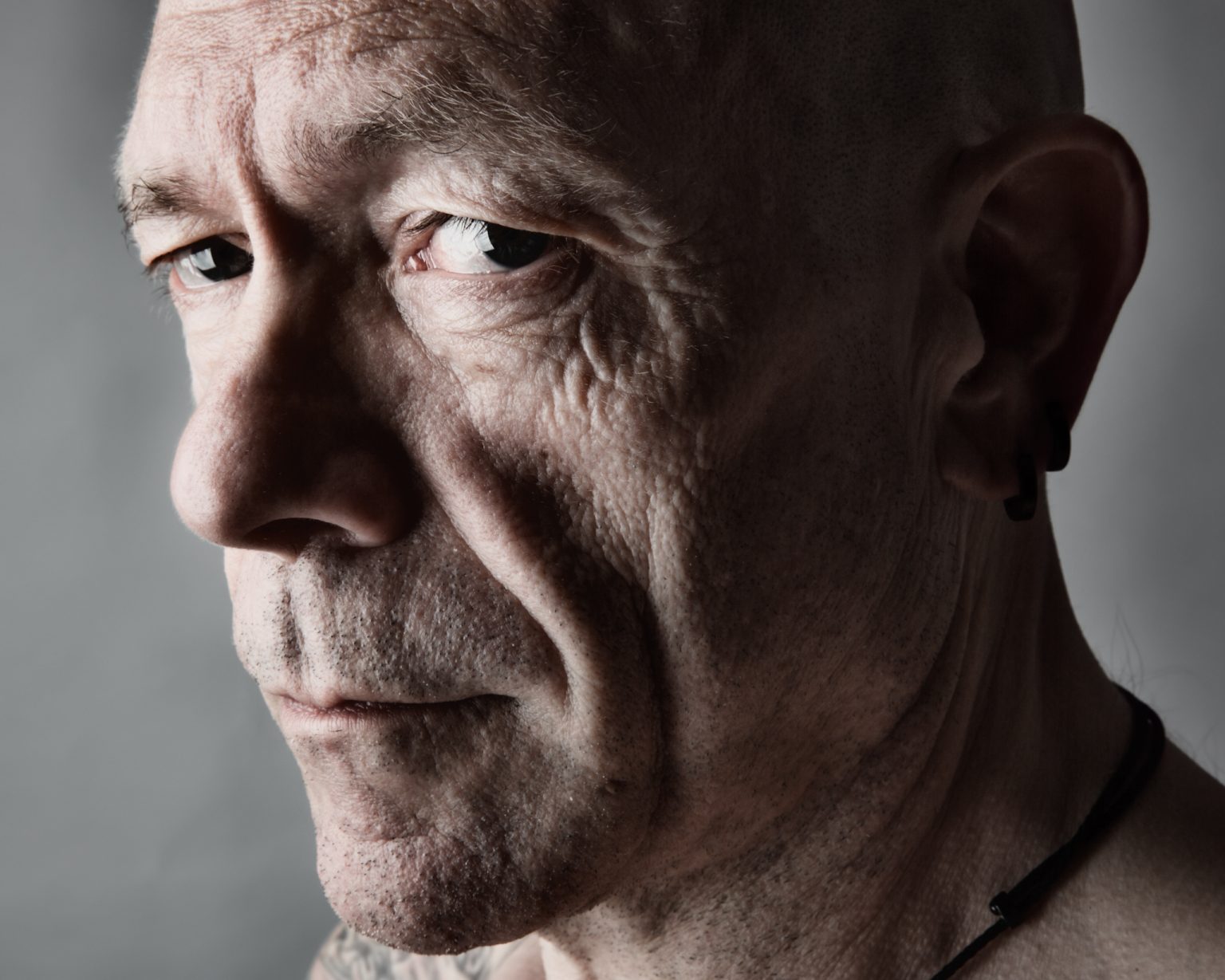
The gladiatorial arena has gone online. Instagram and Facebook are its new sand, the mouse its new sword. And where Roman crowds once judged with a thumbs-up or thumbs-down, we now do so with a like.
The struggle playing out online merely reflects a deeper human tendency: the need to win, to be noticed, to count for something. That conviction is what gives people the courage to step forward - whether to launch a startup, open a small business, or build a following for a Christian website from scratch.
Our lives have become gladiatorial arenas: instead of sand there is Instagram, instead of a lion there is an algorithm, and instead of a sword there is a profile picture. Chesterton observed somewhere that the greatest tie binding a man's hands is his watchband. One wonders what he would say about the multitude of hands now permanently occupied by smartphones, connecting us to the world and also ensuring we never fully leave the arena.
No one told us we would have to prove ourselves constantly, but we do. Constantly. Because if we do not fight, if we do not show that we are still growing, still relevant, still worth watching, it is as if we cease to exist.
Competition as a Way of Being
Jordan Peterson put it plainly in the opening chapter of 12 Rules for Life: "Stand up straight with your shoulders back." The rule is about more than posture. It is about how we face the world.
To explain this, Peterson reaches for an unlikely creature: the lobster. Hierarchy, he observes, is written into its posture: the winner walks upright, the loser crouches. Humans, he argues, are not so different. A straight back and raised head signal to the world, and to our own nervous systems, that we are prepared to engage. Competition is not a modern invention. It is biology.
And so we fight for attention, for digital recognition, for a moment of glory that will vanish from the feed almost as soon as it appears. A culture of competition is not merely a marketing strategy for modern man; it is his ontological stance.
To be is to assert oneself, to stand out, to refuse to be outshone. And if we fail, we do not rest, we simply try harder, because this culture has no shelf for failure. No one reads the biography of a loser; no one sets out to follow a weakness.
But at what price? The winners, it turns out, are not always the happiest.

A Different Kind of Victory
The answer comes from an unexpected place. In her book What a Life Worth Living, Swiss philosopher Barbara Schmitz describes a paradox she encountered close to home. Two members of her family took their own lives, although outwardly both were living what appeared to be an enviable existence: successful careers, comfortable lives, people around them. What made this particularly striking was that Barbara herself has a daughter who is severely disabled and will never be fully self-sufficient.
Her daughter, unable to integrate fully into society by most conventional measures, is quietly, stubbornly happy.
That observation sends Barbara in search of an answer to the oldest philosophical question dressed in modern clothes: what kind of life is actually worth living? After many conversations with severely disabled people, she finds her starting point. It is, on reflection, the only honest one: you do not have to step on the starting line at all.
The idea is simpler than it sounds. If you cannot run, you do not line up for a sprint. If you cannot compete intellectually, you do not enter that contest. The question is what we call someone who never takes the field - and whether loser is really the right word.
Many winners, it turns out, end up in therapy. The reason is rarely weakness. More often it is the opposite: a strength so relentless that it turns inward and begins to consume what it was meant to protect. They overcame the world. They overcame others. In the end, they could not stop overcoming themselves.
Antonio Maria Baggio, in his book Finding Your Face, puts the therapist's case plainly. The winners eventually find their way to a therapist, he writes, and a good one will try to convince them that a balanced person does not attempt to outdo others at any cost, because that cannot be the meaning of life. Anyone forced to measure themselves constantly against others, he adds, is not really their own master.
The therapist then gently, with the precision of a surgeon but without the blade, delivers the verdict: the meaning of life is not to be better than others, but to be whole. To be at home in one's own skin.
The Fights Nobody Wins
To be at home in your own skin, even if it is not the most beautiful, the strongest, or the wisest, is itself a kind of victory. A quiet one, but a real one.
The person who must constantly compare himself is not his own master. He is a slave to the gaze of others. He is not a human being but a product: wrapped in smiles, smoothed by filters, happy only for as long as someone is watching. And when no one is, he falls apart.
The paradox that awaits every winner is the same: the final opponents cannot be defeated. Pain does not negotiate. Old age does not grade on a curve. Death does not check your follower count. And the person who has spent a lifetime prevailing must, in the end, find a different way to stand.
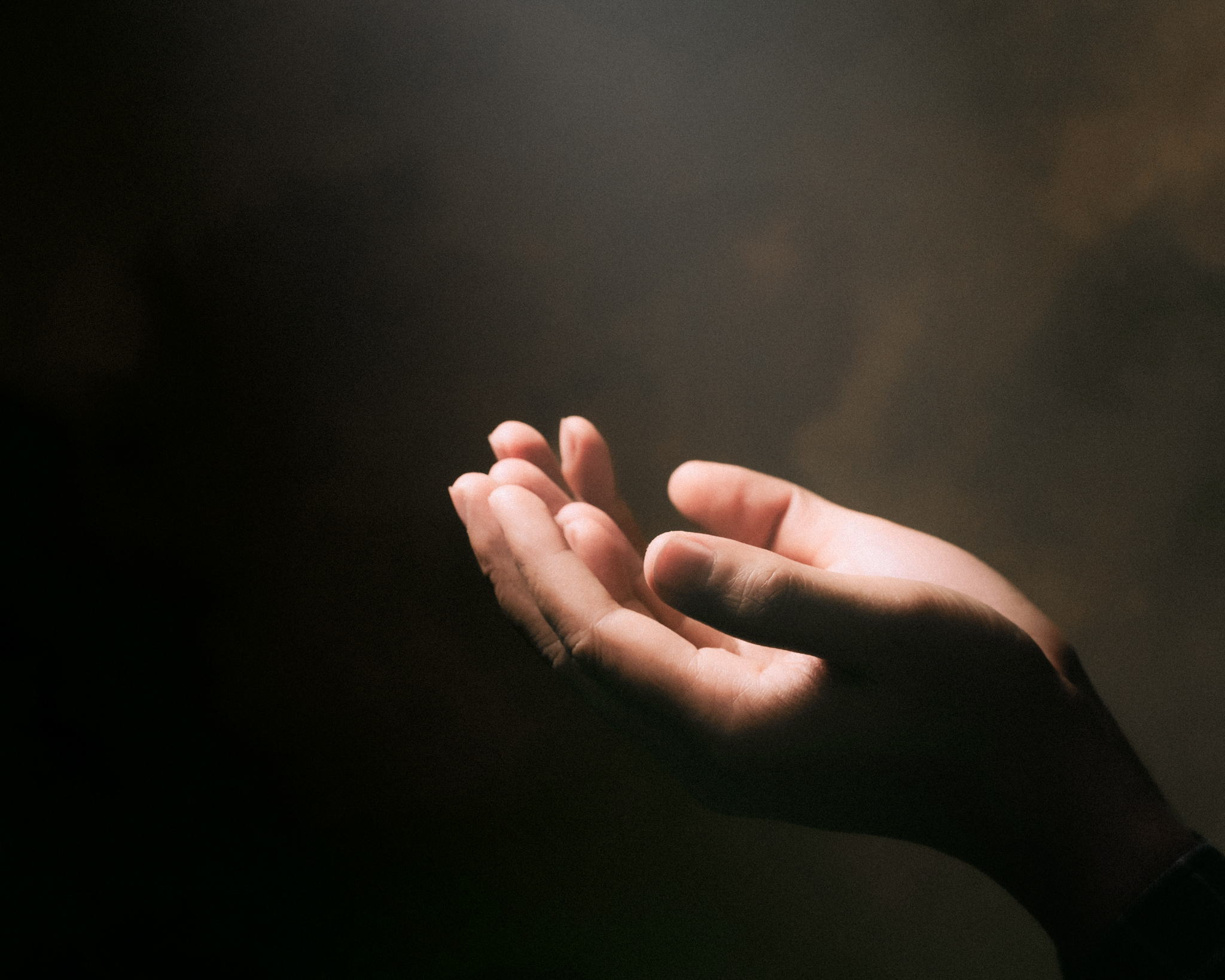
There are many fights that nobody wins. And yet we take part in them. We fight even when we know we will lose. And sometimes only that loss - deep, whole, real - is a victory.
In defeat, we begin to see what we had been too busy winning to notice: the beauty of leaves, the smell of bread, the warmth of another hand.
This text was originally published on DoKostola.sk, a Slovak Catholic website.
Timotej Križka is a photographer, director and screenwriter. He is a student of theology and an active member of the Greek Catholic Church.