

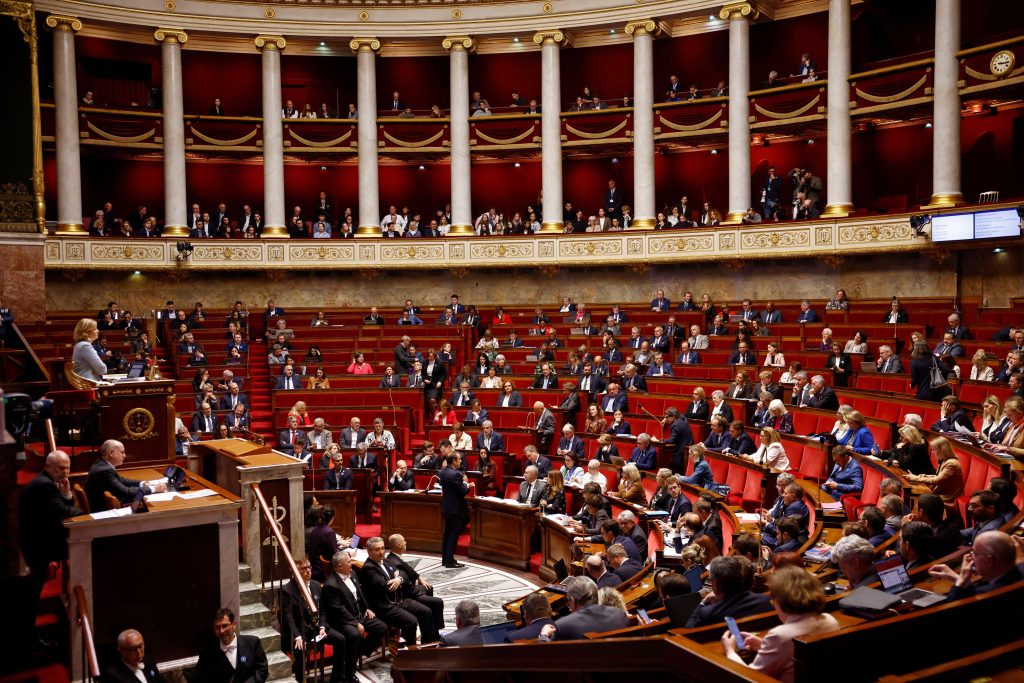
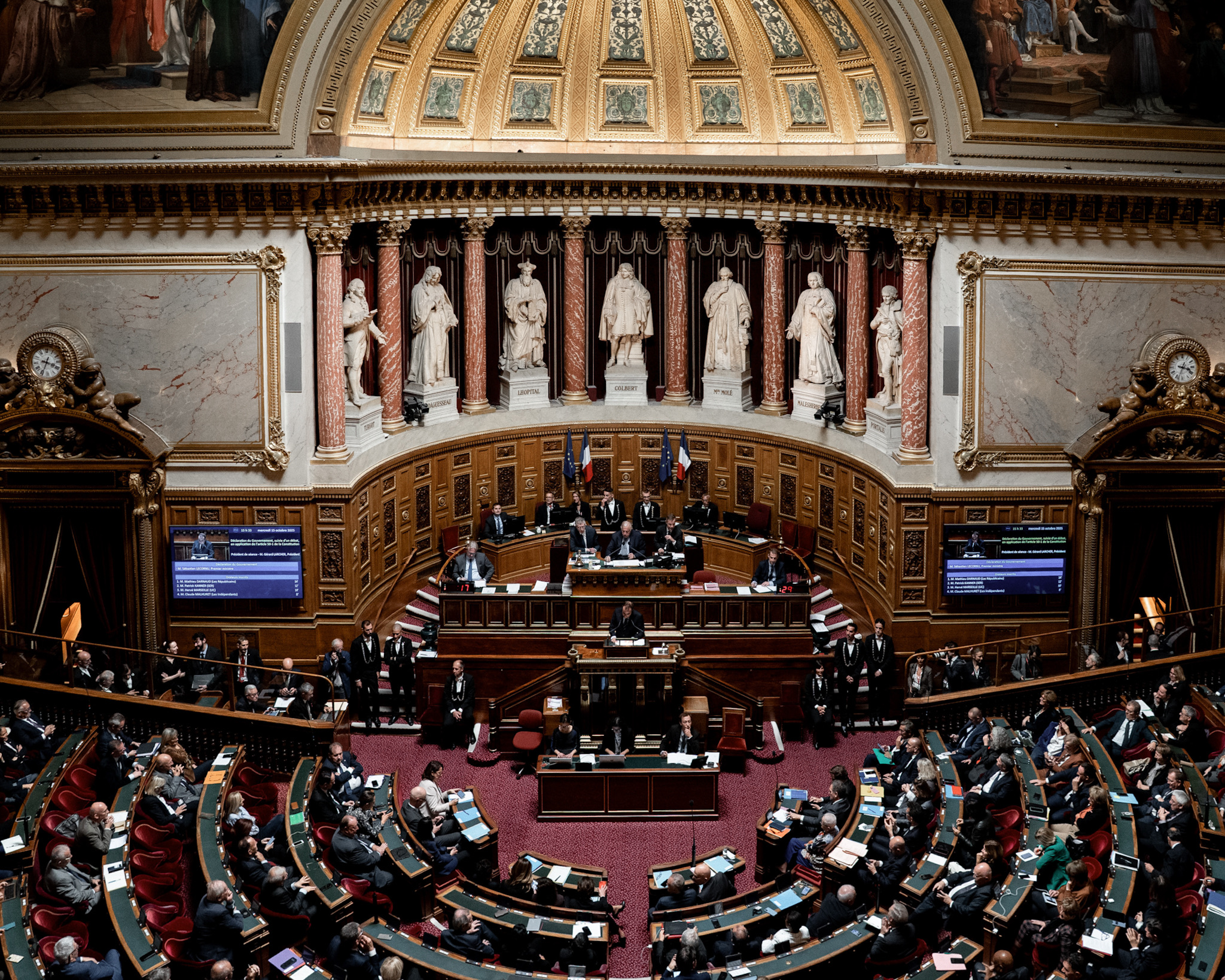
A bill aimed at strengthening the protection of minors from violence and abuse was debated in the French National Assembly on 1 June. Its most controversial provision, Article 9, would have abolished confidentiality protections for priests and other clergy in cases involving minors.
The proposal would have required priests to report information obtained even during the sacrament of reconciliation. After intense debate, the provision was ultimately removed from the final version of the bill. Nevertheless, the episode revealed a deeper conflict between the secular state and the Catholic Church over the limits of state power and religious freedom.
The Inviolability of the Confessional
For the Catholic Church, the seal of confession is not an administrative rule or a professional privilege that can be modified by the state. It is an essential element of the sacrament of reconciliation itself.
When a believer enters the confessional, he must have absolute certainty that everything said will remain forever between him, the priest and God. At that moment, the priest is not acting as an agent of the state but as an instrument of God’s mercy.
This principle is not a modern invention. It is a centuries-old practice that has endured through both persecution and peace. If the state could compel priests to reveal what they hear in confession, confession would cease to be confession. It would become a place where people could no longer speak freely for fear that their words might later be used against them or others.
Such a change could ultimately weaken efforts to combat abuse rather than strengthen them, as many believers would simply stop seeking the sacrament.
The Catholic bishops of France rightly emphasized that the seal of confession is not a privilege enjoyed by priests but a right belonging to the faithful. A priest who breaks it commits not only a grave violation of Church law but also a profound moral offense.
This does not mean the Church seeks to protect abusers. On the contrary, priests are expected to encourage penitents to make amends, accept responsibility and voluntarily submit themselves to justice – but outside the confessional.
The State and the Limits of Its Power
A democratic state has a legitimate duty to protect the vulnerable, especially children. No reasonable person disputes that.
The problem arises when the state extends this responsibility into areas beyond its competence and claims authority over the substance of religious acts. The seal of confession is fundamentally different from the professional confidentiality of doctors or lawyers. It has a transcendental dimension rooted in a person’s relationship with God.
If the state can override confessional secrecy today in the name of protecting minors, tomorrow it may invoke other “higher interests”, whether combating “extremism” or defending the “values of the republic”.
History offers many examples of regimes that sought to break the seal of confession because they viewed any sphere beyond state control as a threat. A democratic society should distance itself from such impulses, not imitate them.
Nor is this the only way to protect children. Stronger oversight in schools, more effective prosecution of offenders, greater support for victims and improved prevention programs offer solutions that do not require the state to intrude into the sacramental life of the Church.

Respect for Boundaries
Had the provision passed, it would have established a precedent extending far beyond Catholicism. Religious freedom is not merely the right to worship privately. It also includes the right of religious communities to maintain their internal discipline and sacramental life without state supervision.
Conservative Christians in France and elsewhere see this dispute as part of a broader trend in which the secular state steadily expands its authority at the expense of traditional institutions such as families, churches and local communities.
Once the principle is accepted that a sufficiently important public interest can override centuries-old religious practice, it becomes difficult to define where that process should end.
For that reason, the withdrawal of the provision is a positive development. It demonstrates that respect for proportion, religious liberty and the historical foundations of European civilization has not yet disappeared.
Finding the Right Balance
Protecting children and protecting religious freedom are not contradictory goals. A healthy society should be capable of doing both.
The Church has a duty to stand with victims and support prevention efforts. The state has a duty to prosecute crimes and uphold justice. Neither institution, however, can replace the other or dictate the internal functioning of the other.
The French debate demonstrates that public resistance can still influence political outcomes. It also serves as a reminder that freedom of conscience and religion is not a luxury but one of the foundations of a free society. If we undermine it, we will lose much more than many people today would like to admit.