A Mounting Problem
The Religious Freedom Data Center (RFDC) documented 181 incidents in 2025. Most involved spitting, verbal abuse and vandalism targeting crosses, graves, churches and monasteries.
The center’s 2025 Annual Summary: Harassment Against Christians in Israel offers a solid basis for assessing the scale of the problem. The report provides a detailed breakdown: 60% of cases involved spitting, 18% verbal abuse, 12% vandalism or damage to religious symbols, 5% physical violence, 3% the desecration of holy sites or degrading behavior and 2% online incitement.
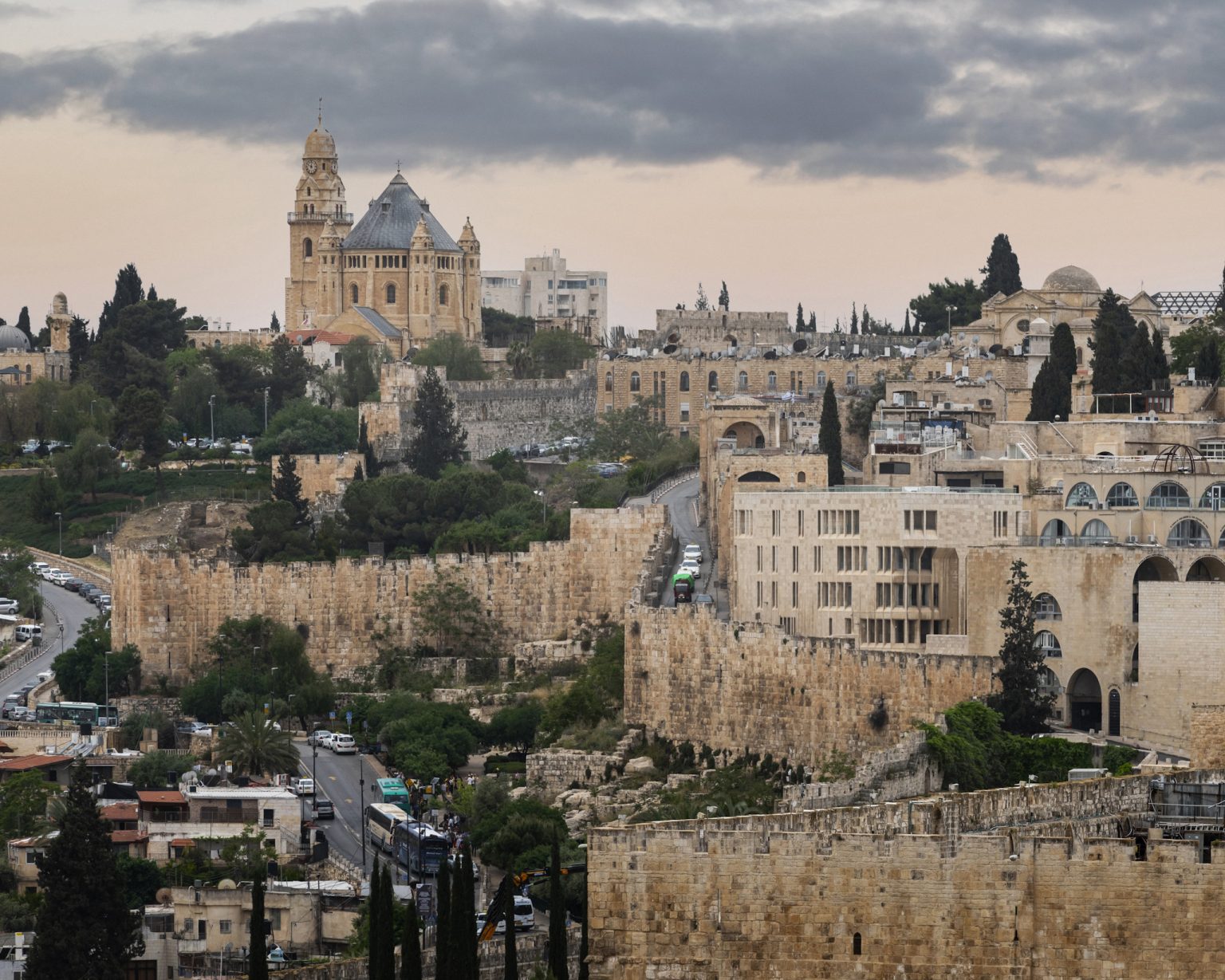
Jerusalem accounted for 150 of the 181 cases, by far the largest share. Hotspots within the city included the Armenian Quarter, the Via Dolorosa, Jaffa Gate, Mount Zion and West Jerusalem.
By early June, more than 88 cases had already been reported in 2026. The RFDC stresses that the figure probably represents only the “tip of the iceberg”, since many victims either do not come forward or report their experiences only after a delay.
The RFDC is headed by Yisca Harani, an Israeli Jewish scholar, and also documents rabbinical statements condemning anti-Christian violence. Its work provides an evidence-based account of the incidents, as well as concerns about law enforcement and political radicalization.
The figures reveal a clear trend. Priests, nuns, monks and pilgrims whose clothing or role visibly identifies them as Christian are particularly vulnerable to harassment and violence. Well-known institutions in Jerusalem’s Old City, on Mount Zion and in the Armenian Quarter are also repeatedly targeted.
Dormition Abbey Repeatedly Targeted
Dormition Abbey has faced anti-Christian hostility for years. Documented incidents include graffiti and hate slogans, slashed tires, damage to crosses and statues and attempted arson.
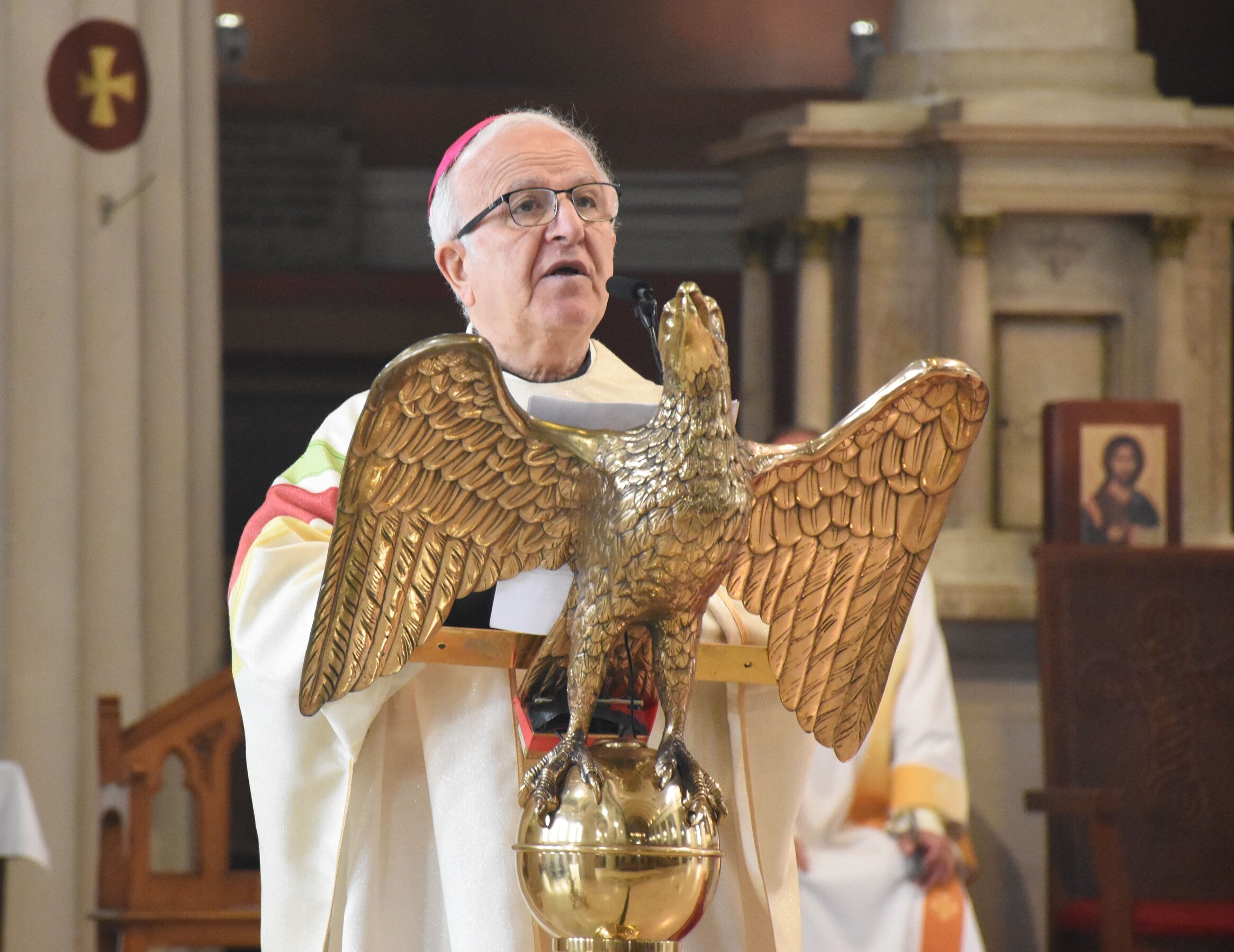
Attacks and abuse directed at Abbot Nikodemus Schnabel have also been recorded. According to the abbey’s historical account, its monasteries have repeatedly been subjected to so-called “price tag attacks”.
Reliable sources generally link the perpetrators to ultra-Orthodox or ultranationalist circles. Israeli authorities and rabbis have condemned such acts on numerous occasions. Human rights activists and church representatives, however, criticize inadequate law enforcement and an atmosphere of impunity in which offenders are protected.
Most cases involve low-level but deliberate harassment, including spitting, insults, threats, intimidation and damage to crosses. The desecration of churches and disruption at holy sites are also among the incidents documented.
According to Israel’s Central Bureau of Statistics, around 184,000 Christians currently live in the Holy Land, accounting for just under 2% of the population. Around four fifths are Arab Christians.
The largest denominations are the Melkite Greek Catholic, Greek Orthodox and Latin Catholic churches. Smaller communities include Maronites, Armenians, Syriacs, Copts, Anglicans, Lutherans and other Protestants.