A jury rejected Karmelo Anthony’s self-defense claim and convicted him of murdering Austin Metcalf. Yet much of the public response has treated the killer less as a perpetrator than as a victim of the system.
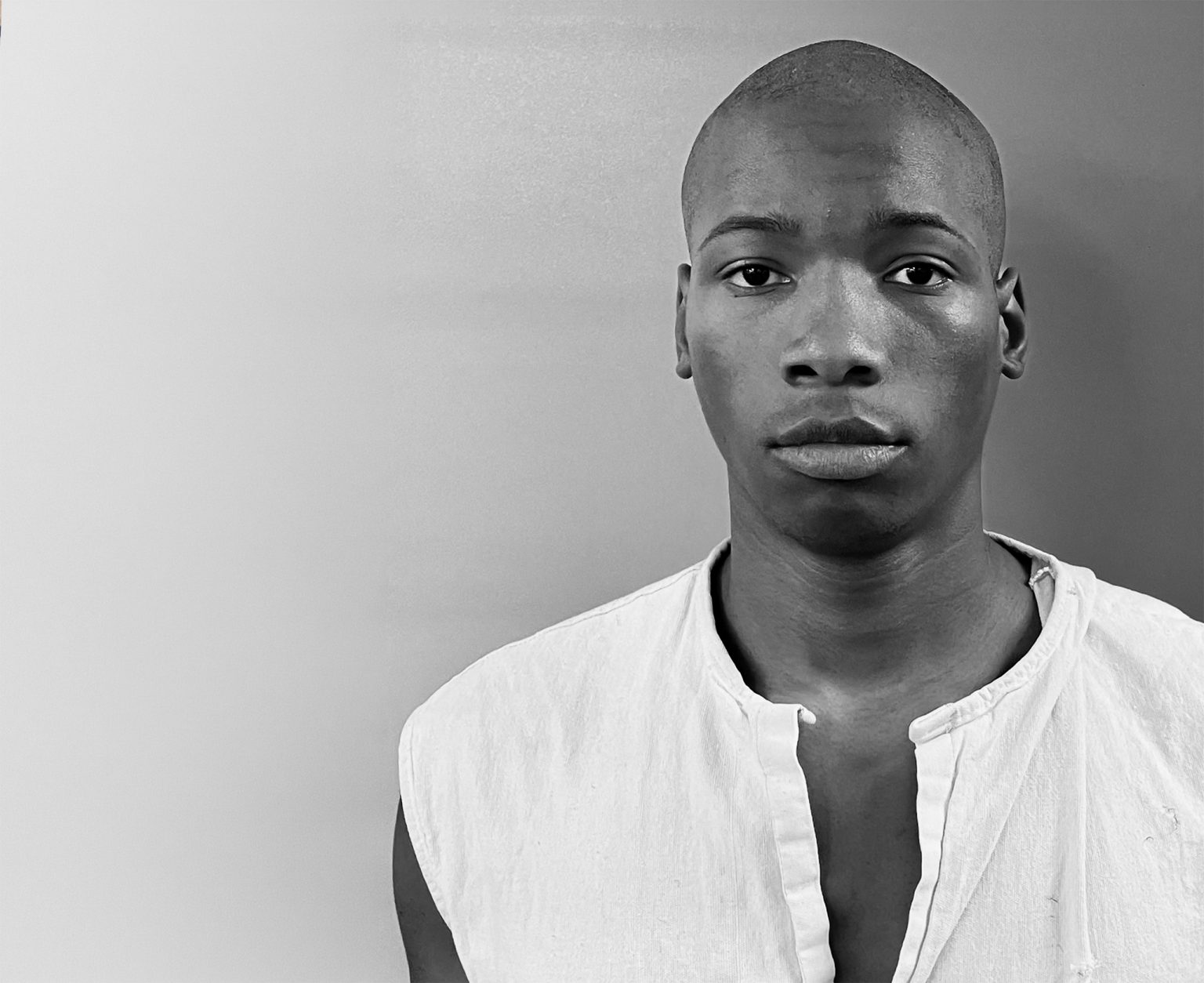
Booking photo of Karmelo Anthony, who was sentenced to 35 years in prison for the fatal stabbing of Austin Metcalf. Photo: Texas Department of Criminal Justice/MEGA/The Mega Agency/Profimedia
|
A Texas jury found black young adult Karmelo Anthony guilty of murdering white teenager Austin Metcalf, and he was sentenced to serve 35 years in prison. In April of last year, the two high-school teenagers, who attended different institutions, were at an athletic event. Anthony sought shelter from the rain at a tent that belonged to the rival team, where Metcalf approached him and repeatedly asked him to leave.
The pair began arguing, and Anthony challenged Metcalf by saying “Touch me and see what happens”. Metcalf, who was unarmed, reportedly made physical contact. Anthony proceeded to fatally stab Metcalf.
Anthony admitted to authorities on site that he had stabbed Metcalf, but he argued that he acted in self-defense. During the trial, the self-defense claim was rejected. Indeed, the witness testimony clearly portrayed Anthony as the aggressor.
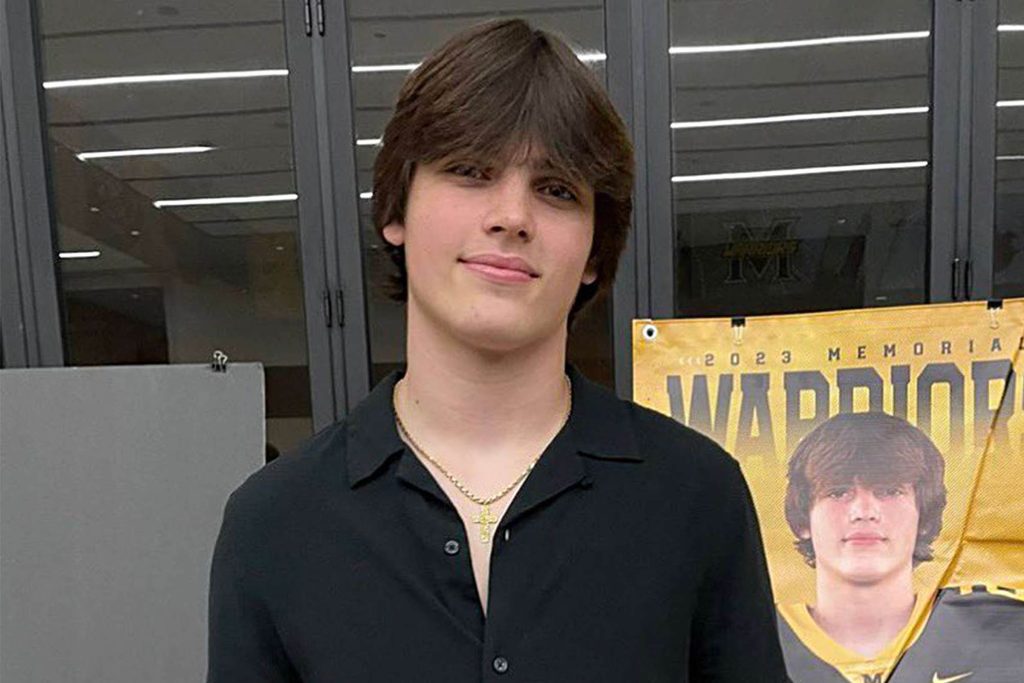
Austin Metcalf was fatally stabbed at a Texas high-school athletic event. Photo: X/Planet/Profimedia
A Murder Recast as Victimhood
The reasonable reaction to the conviction is something like this: It is absolutely tragic that Metcalf was senselessly murdered at such a young age, while Anthony has rightly been punished for committing an indefensible act of evil.
But unfortunately, that does not seem to be the dominant response within the black American population. There is plenty of footage, for instance, showing crowds of black protesters chanting “free Karmelo” and holding signs that say “Karmelo is innocent”. One woman went as far as to say the trial amounted to a “legal lynching”.
https://www.youtube.com/watch?v=S2EjBn5Ofq8
Anthony’s black supporters, along with self-proclaimed “antiracist” progressive activists, have managed to frame the murder perpetrator as the victim. Why?
The people defending Anthony tell us that, by virtue of being black in America, it somehow must be the case that he has been systematically discriminated against and was raised in a hostile environment with relatively poorer living conditions.
The obvious flaw in this argument, though, is that a child need not be raised by a stable family in a comfortable home surrounded by melodious chirping birds under a dazzling rainbow to know that stabbing a person is bad.
It is absurd to argue that an individual’s socioeconomic background or membership in a previously discriminated-against group explains, let alone excuses, murder.
Funnily enough, these same activists maintain that Anthony was an outstanding student who graduated with a 3.7 grade-point average, which usually works out to B+ or A-, depending on the school’s metric. Therefore, he must have been able to overcome whatever environmental or socioeconomic conditions theoretically burdened him.
As one activist group told the news: “We are proud to share that Karmelo Anthony will graduate and receive his high school diploma, and that his academic achievements will not be disrupted.”
Somehow, the public is meant to simultaneously maintain that Anthony was environmentally conditioned beyond his control to commit murder and therefore lacks guilt, but also that he was smart enough to perform decently in school.
Another defense of Anthony is that the mixed-race jury did not have a black individual as a member, which somehow is proof that the trial was biased against him and that the outcome would have been different with at least one black juror.
The argument that a black juror would have altered the trial’s outcome is, quite frankly, an argument against multiculturalism rather than for it; the legitimacy of a jury system and the rule of law depend upon individuals evaluating the facts without regard to their personal preferences or in-group affiliations.
It is worth noting that at least one prospective black juror was struck by the prosecution precisely because he had expressed racial solidarity with the perpetrator, reportedly saying he would “have a hard time putting a brother in jail”.
It is worth acknowledging that the support for Anthony is both material and significant. A fundraiser that launched shortly after the murder raised at least $630,000 to support his legal defense and his family.
But after his conviction, Anthony claimed to be “penniless” and therefore filed documents seeking a court-appointed appellate lawyer, which is generally an attorney paid by taxpayers. He has filed a notice to appeal the conviction.
Elite Sympathy for a Killer
Support for Anthony might be dismissed as ridiculous, but the uncomfortable fact remains that his advocates are not simply unhinged college activists, nor are they uneducated gangsters.
Many high-profile and accomplished individuals have defended the murderer, or at least, showed sympathy toward him. Bernice King, the daughter of Martin Luther King Jr., issued a statement lamenting that Anthony was “convicted by a jury with no Black jurors”. She further wrote that “justice is still being administered through a system with a long history of racial disparity in sentencing and punishment”.
A professor at Howard University, a historically black college in the United States, condemned the murder victim and blamed his father for Anthony’s crime. “Since dead Black boys are never allowed to remain innocent, let us stop pretending dead white boys are beyond scrutiny”, Professor Stacey Patton wrote. “Let us refuse the sentimental immunity given to dead white boys and grieving white fathers.”
Sunny Hostin, a lawyer by training and current host on The View, defended the murderer because she believes he acted in self-defense. She further complained that Anthony did not have a jury of his peers because there were no black jurors, and she suggested that there “seems to be two systems of justice in this country”.
The response to Anthony’s trial reinforces the observation that large swaths of Americans, including public figures and professors and lawyers, are so blinded by racial tribalism that the killer is seemingly awarded more sympathy than the teenager who died.
The prominent figures who frame a murderer as an unfortunate victim of racism instead of a violent perpetrator jeopardize the legitimacy of the justice system by suggesting that punishment should be calculated with respect to an individual’s immutable identity as opposed to the actions committed.
The activists and commentators who reflexively rallied behind Anthony do not seek justice and equality, but rather, differential treatment toward their favored groups.