UK Nurses Win £187,000 Payout over Trans Changing Room Policy
Seven nurses have secured a £187,000 payout from an NHS trust after its changing-room policy forced them to share facilities with a biological male. The settlement is the latest sign that trans-inclusive rules are being rolled back across Britain.
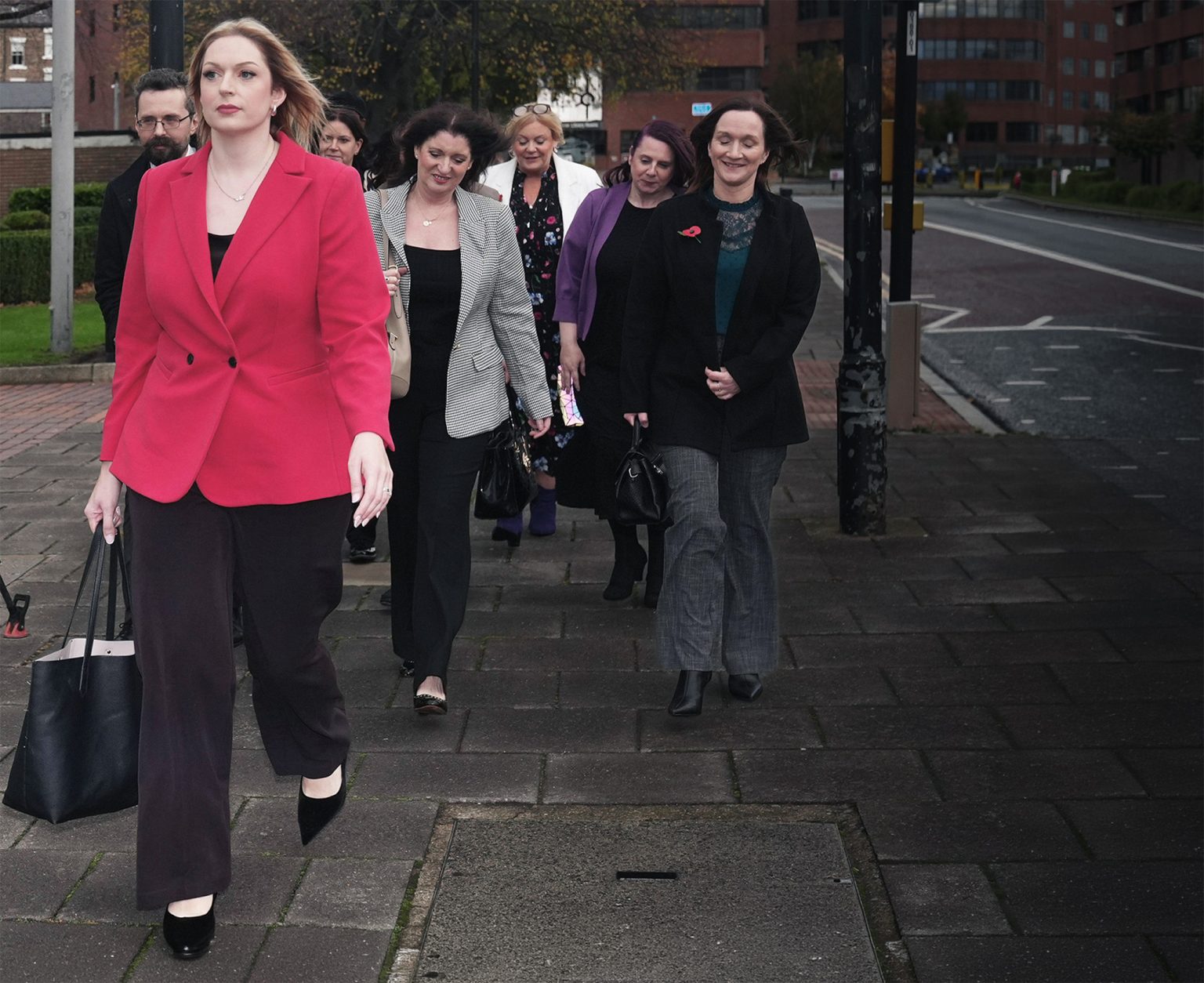
A group of seven nurses arrive at the Civil and Family Courts and Tribunals Centre located in Newcastle Civic Centre. Photo: Owen Humphreys, PA Images / Alamy / Profimedia
|
A group of British nurses have won £187,000 ($246,000) in damages from a National Health Service (NHS) trust, it was announced on 24 June, as well as an apology and a commitment to provide separate changing facilities for biological men and women.
The Darlington Seven, as they have become known, welcomed the settlement, calling it a vindication for their stand for “dignity, privacy and common sense”, mounted in the face of “pressure and intimidation” by the trust.
According to the Christian Legal Centre (CLC), which supported the nurses in their case, their victory “sends a powerful message across the NHS and beyond that ideology cannot override” the duty of employers to protect the rights, dignity and safety of their staff.
In addition to the damages, the County Durham and Darlington NHS Foundation Trust offered “sincere apologies” for failing to provide a “safe, respectful and inclusive environment” for the nurses, acknowledging that they did not address their concerns in a “timely or sensitive manner”.
The settlement comes after a court ruling in January of this year, which found that the trust’s conduct had the effect of “violating” the dignity of the Darlington Seven by imposing a trans-inclusive policy requiring them to share changing facilities with a biological male.
The employment tribunal’s ruling was influenced by the United Kingdom Supreme Court’s seminal decision in April 2025, which found that under the Equality Act 2010, the terms “sex” and “woman” refer exclusively to biological sex.
Trans Policy Dropped
In light of the tribunal’s decision, the trust says it has reviewed its policies and will implement changes, including: providing separate changing, washing and sanitary facilities for biological men and women; withdrawing its policy known as “Transitioning in the Workplace”; and providing “suitable training” to its management staff to prevent any repetition of “such discrimination or harassment” of female staff as the tribunal found to have taken place.
The legal proceedings against the NHS trust were launched in May 2024 by seven nurses at Darlington Memorial Hospital in the north of England on the grounds of sexual harassment and sex discrimination. Their case quickly became one of the most significant legal challenges concerning the freedom of women to access single-sex spaces, garnering national and international attention after support from Harry Potter author JK Rowling and the future Health Secretary Wes Streeting.
The case stemmed from a dispute arising in July 2023, when the nurses raised serious concerns with management after they were required to share changing facilities with a biological male colleague who identifies as female, known as “Rose”.
The nurses said they were not warned or consulted about Rose’s presence in their changing area, but management said that the Transitioning in the Workplace policy allowed men who identify as women to access female changing rooms “due to the inclusivity of the NHS”.
Concerns Brushed Aside
The concerned staff formally wrote to the trust raising concerns rooted in privacy, cultural sensitivity and experiences of abuse, but they were brushed aside. An HR manager told them they needed to “broaden their mindset” and “be more inclusive”.
It was after this that the nurses filed legal proceedings at the employment tribunal, but even then management ignored their concerns. In response, four of the nurses went fully public. They continue to face potential disciplinary action for speaking about their case, despite the fact that the tribunal ruled going to the media was “a protected act”.
Although future Health Secretary Wes Streeting said he was “horrified” by their case, the trust doubled down on its policy, saying that any women who had an issue would have to find alternative facilities. An office was converted into a “temporary” changing area, which one of the nurses described as being “a glorified cupboard”. The nurses would continue to use it for 10 months, while Rose used the female changing room.
A Society Gone Wrong
After Streeting took up the health secretary’s role, he continued to support the nurses, telling them “something has gone wrong in our society” and that he wanted biological reality to be restored to the NHS.
However, the major unions, including Unison and the Royal College of Nursing (RCN), gave the nurses no support. In fact, the president of Unison accused Streeting of “pandering to transphobic bigotry”.
In response, with the support of the CLC, the nurses established a union dedicated to protecting women’s rights in the workplace, the Darlington Nursing Union (DNU).
Later, the RCN did warn the trust that it was acting unlawfully and urged it to provide single-sex spaces “without delay”.
The Darlington Seven's case garnered international attention thanks to support from JK Rowling.
But even after Darlington nurse Karen Danson went public with her story of how encountering Rose in the changing room triggered PTSD linked to childhood sexual abuse – and Streeting sent a senior figure to the hospital – nothing changed.
A three-week employment tribunal hearing took place in October and November 2025, revealing “troubling evidence” about the trust’s conduct, CLC said in a statement.
Pressure and Intimidation
This included accusations that the nurses were pressured and intimidated to withdraw or dilute their safeguarding concerns and that HR figures dismissed them as “noise in the system”.
Further evidence revealed that a pregnant nurse was allegedly subjected to inappropriate personal comments by Rose about her body while in the changing room. However, allegations of harassment against Rose were dismissed by the tribunal.
Finally, in January 2026, Employment Judge Seamus Sweeney handed down a ruling finding that the Darlington Seven had been treated unlawfully.
He said the trust engaged in “unwanted conduct” relating to sex and gender reassignment, which had the effect of “violating the dignity” of the nurses and creating a “hostile, humiliating and degrading environment”.
Now, the trust faces a large payout, as well as a significant legal bill that could touch £1m ($1.32m).
Legal Victories
The case is one of a number of significant legal victories in the UK for women’s rights and safety campaigners regarding single-sex spaces.
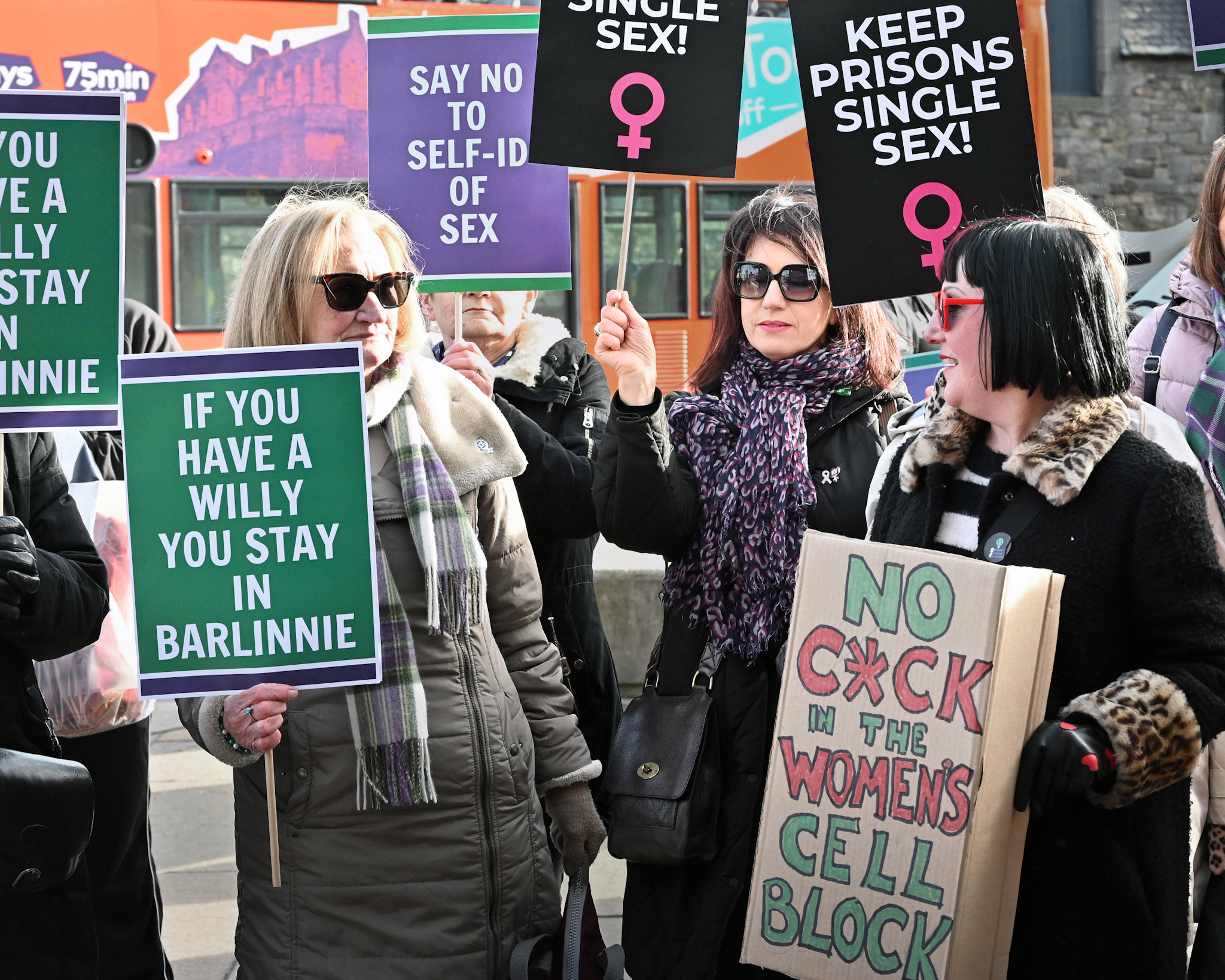
Following on from the 2025 Supreme Court ruling, courts in England and Scotland have ruled in favor of single-sex toilets and facilities in schools, while a 19 June ruling found the Scottish Prison Service’s (SPS) policy of housing biological males in women’s prisons was unlawful.
The SPS withdrew its transgender policy, first implemented in 2014, on 22 June.
Meanwhile, in Northern Ireland, where the Equality Act does not automatically apply, a complaint before a Belfast employment tribunal could serve as a test case for the freedom to express gender-critical views in the region.
A former employee of the Belfast Film Festival (BFF), Sara Morrison, claims in her case that she was unlawfully discriminated against by the organization over her gender-critical beliefs.
The BFF rejects this, as well as her claim of constructive dismissal. A ruling was slated to be handed down this month, but has now been delayed.
Regardless of the result, the trajectory of recent rulings and support from politicians suggests that campaigners for single-sex spaces are winning the battle for policies that reflect common sense in the UK.
Welcome to the comments section of the Štandard daily. Please take note of our guidelines, comments are moderated by us. You can contact the moderators at support@statement.com.
Participate in the discussion
Comments are available to subscribers only. If you'd like to join the discussion, choose a subscription starting at €6.72 per month.
All comments 0
Register
Comments are available to registered users only. If you'd like to join the discussion, register here.