Once, societies maintained order through firm but restrained and informal authority. Over time, however, the structures enabling this restraint have been dismantled. The decline of family structures, especially paternal authority, has left a void in moral education. Permissive schools, anti-authoritarian parenting, the decline of Christianity, and over-intellectualized legal frameworks have left states weak yet intrusive, bureaucratic yet ineffective. Meanwhile, parallel patriarchal structures—particularly within the migrant communities—fill the void left by the state, creating power struggles Western institutions are ill-equipped to handle.
True peace, as Ernst Jünger once wrote in his “Forest Passage”, is not about complex laws but about the willingness of the family father to stand in the doorway with his sons, axe in hand, to defend his home. Societies with low crime rates once relied not on omnipotent police forces but on ingrained social responsibility. The old London “bobby,” unarmed and respected, was the product of a society that policed itself. That world is disappearing—forever.
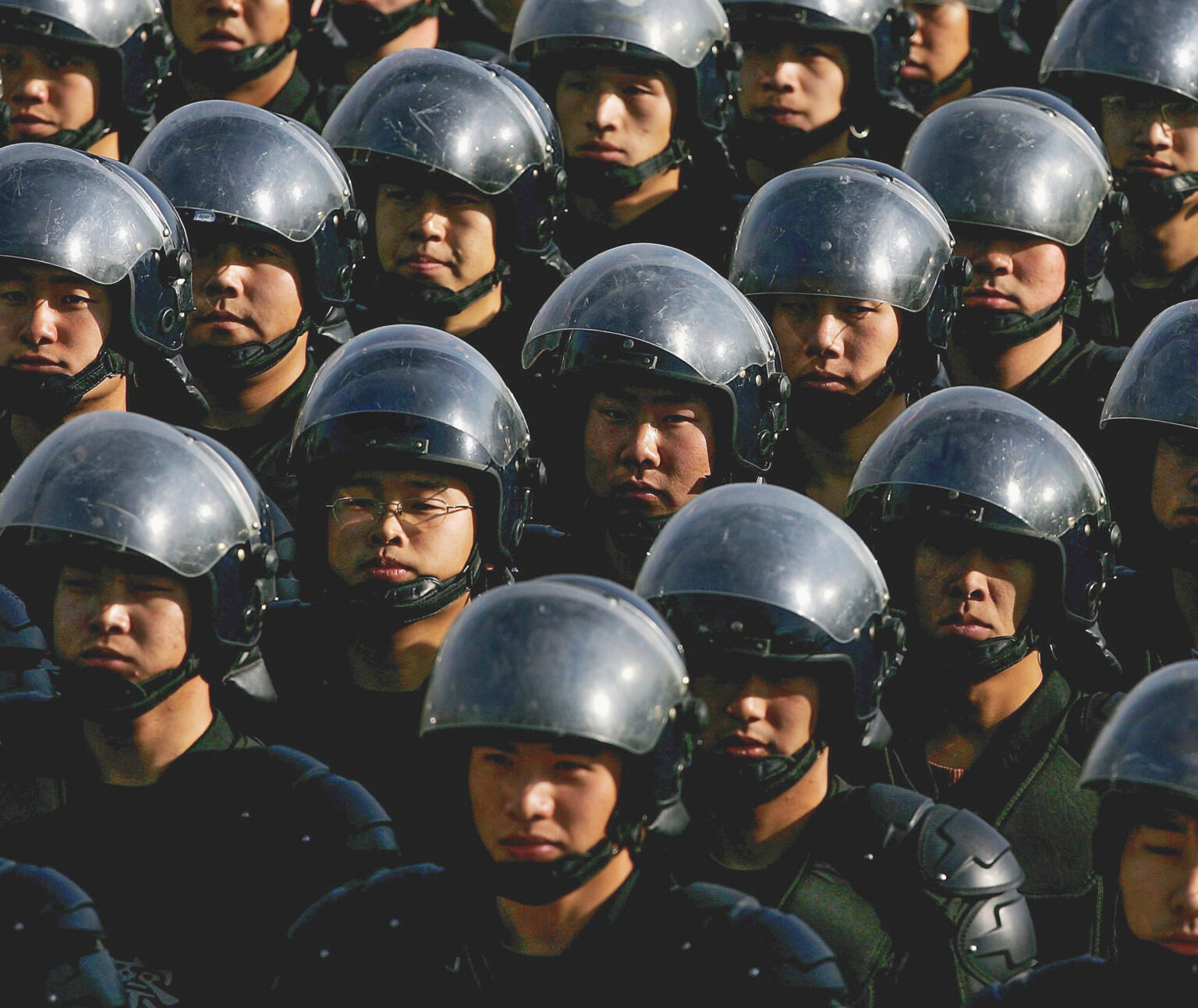
Does China disprove this argument? If tradition alone could sustain order, why does such an ancient civilization require an intrusive state apparatus? The answer is scale. With 1.4 billion people, China has always relied on bureaucratic oversight and central control—not merely for governance, but for maintaining power and "riding the tiger." Everyday security is less a goal in itself and more a side effect of the ruling elite’s primary objective: preventing rebellion. Also, the absence of violent street crime does not mean crime is absent—it has merely shifted. Cybercrime, financial fraud, and corporate espionage flourish in China’s digital underworld, where the state is less efficient than it claims. Additionally, organised crime, particularly in southern China, continues to operate under the radar. Surveillance suppresses disorder, but it does not eliminate crime—it merely shifts it to the next level.
The Inevitable Drift Towards AI Policing
Where, then, are we heading? The answer seems unavoidable. The modern world, West and East, is marching towards an AI-driven police state—not necessarily out of conviction, but out of necessity (or cowardice). Some societies, like China, accept authority as a given. Others, particularly in the West, will adopt it reluctantly, outsourcing security to machines out of desperation. The fear of making politically sensitive judgments will lead to delegating authority to allegedly neutral algorithms. Bureaucracies, unwilling to take moral stands, will let AI determine who is a threat.
Of course, regional differences will persist. Eastern Europe, still shaped by memories of totalitarian overreach, may resist—a while. Africa, constrained by economic limitations, may never build such a system. But for most developed nations, the trajectory is set.
The future of policing will offer three choices to the individual: submission, escape, or mastery. One can accept the surveillance state, hoping to remain on the right side of the algorithm. One can flee—to the digital or physical fringes, where governance is weak but so, too, is security. Or, one can seek to control the system—to shape its algorithms, to program its biases, to ensure that AI remains aligned, if not with justice, then at least with one’s own survival.
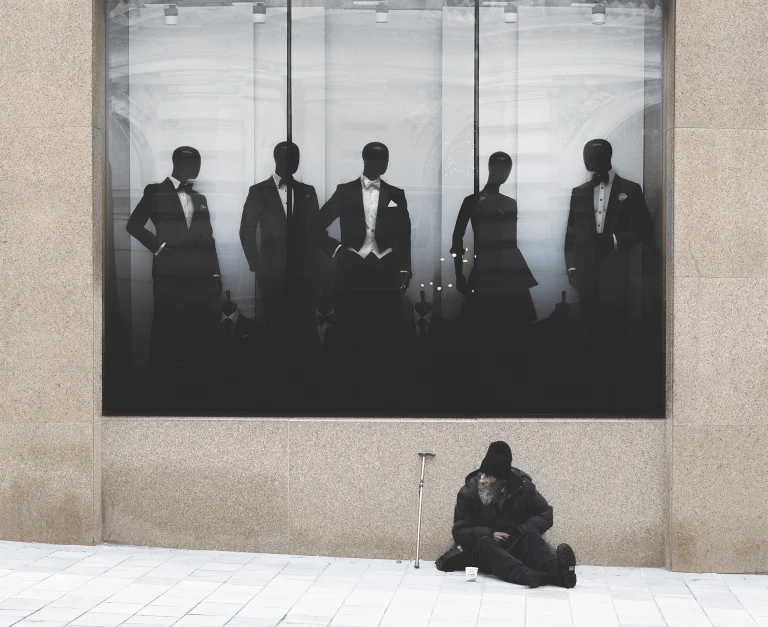
The old world of civic responsibility is vanishing. What replaces it will not be a return to tradition but a cold new order, ruled not by men but by machines. The question is not whether the AI-police state will come—it will. The only question is who will control it.
Statement
The old world of civic responsibility is vanishing. A new order is rising—not governed by men, but by machines. The AI-police state is not a possibility; it is an inevitability. Some societies will embrace it out of obedience, others out of fear. But the fundamental question remains: who will hold the reins? The choice is stark—submit to the system, escape it, or master it. In a world where algorithms define justice, only those who shape the code will wield true power.