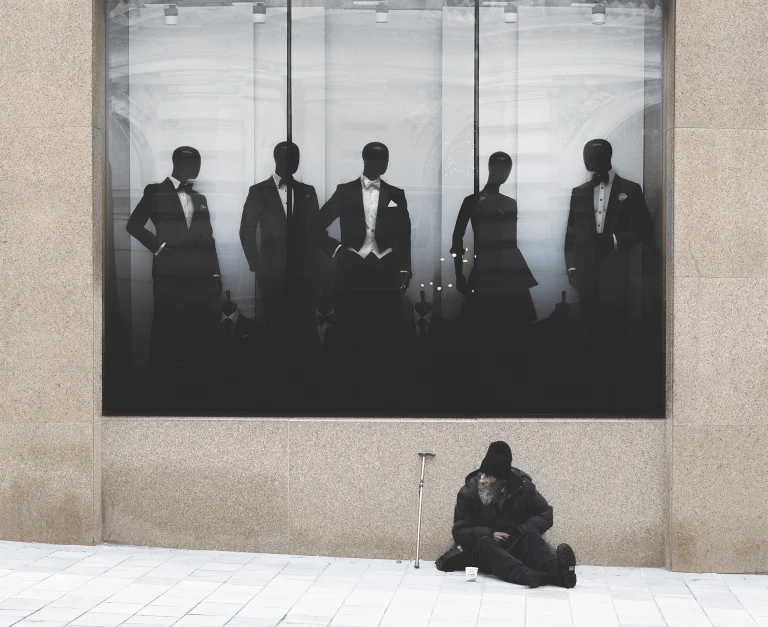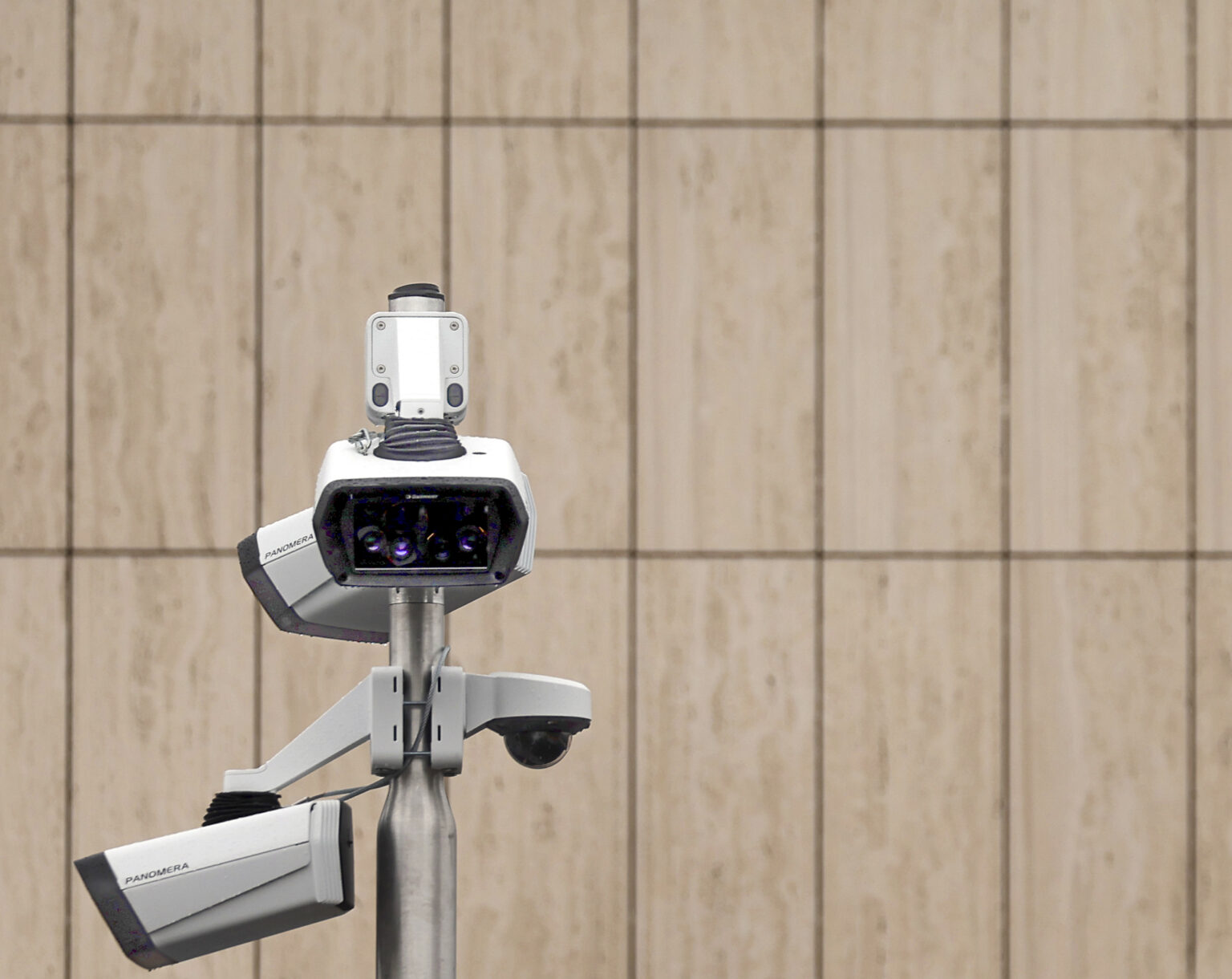
The idea was to instill in prisoners a constant sense of being watched, promoting self-policing, thereby eliminating the need for actual supervision. With smart surveillance technologies, we are now entering the age of the digital panopticon, with citizens not physically confined, but perpetually observed. Here, the watchers are not quite prison guards but algorithms, and their gaze extends beyond physical acts into the realms of speech and thought.
The state of the art
Surveillance technology is a growing market, valued at $125 billion in 2020 and projected to reach $280 billion by 2030, reflecting not just technological progress, but growing acceptance and proliferation. Thanks to AI, big data analytics, and the ubiquity of cameras in public and private spaces, today’s governments already wield capabilities undreamed of by 20th-century totalitarian regimes. With a smartphone in everyone’s pocket, gapless movement profiles are easily created. Speech and text recognition algorithms sift through communication in real time, while big data analytics predict the behaviour of individuals and groups. Global integration enables seamless tracking and monitoring. Future advancements are to be expected from the Internet of Things, the idea of ‘sensors in every thing’, allowing for data collection on every square meter of the earth’s surface. Next generation computing technologies, such as quantum computers, could break any of today’s encryption.
The art of state surveillance
Governments have long been trying to nudge citizens toward desired outcomes, think of tax on cigarettes or subsidising parenthood. Digital surveillance and social scoring allow for far more direct control: not merely encouraging compliance, but engineering it. Imagine a world where citizens’ everyday behaviour—communication, media consumption, purchases, friendships—feeds into a score, deciding over access to shops, jobs, travel, or social services. This is already seen in China, where “individuals or companies with bad credit records will be punished by having their information publicly displayed, and they will be banned from participating in government procurement bids, consuming luxury goods, and leaving the country.”
A key application of current digital control is scrutinising people’s speech and thought. For years, governments have been trying to regulate what they call disinformation and hate speech. In the European Union, the Digital Services Act mandates social media companies to monitor their users and censor content deemed inappropriate. This gives them significant power over citizens’ speech and public discourse, with the censorship lacking transparency and due process. It’s the governments, though, who ultimately deem what content is appropriate and what is not.