
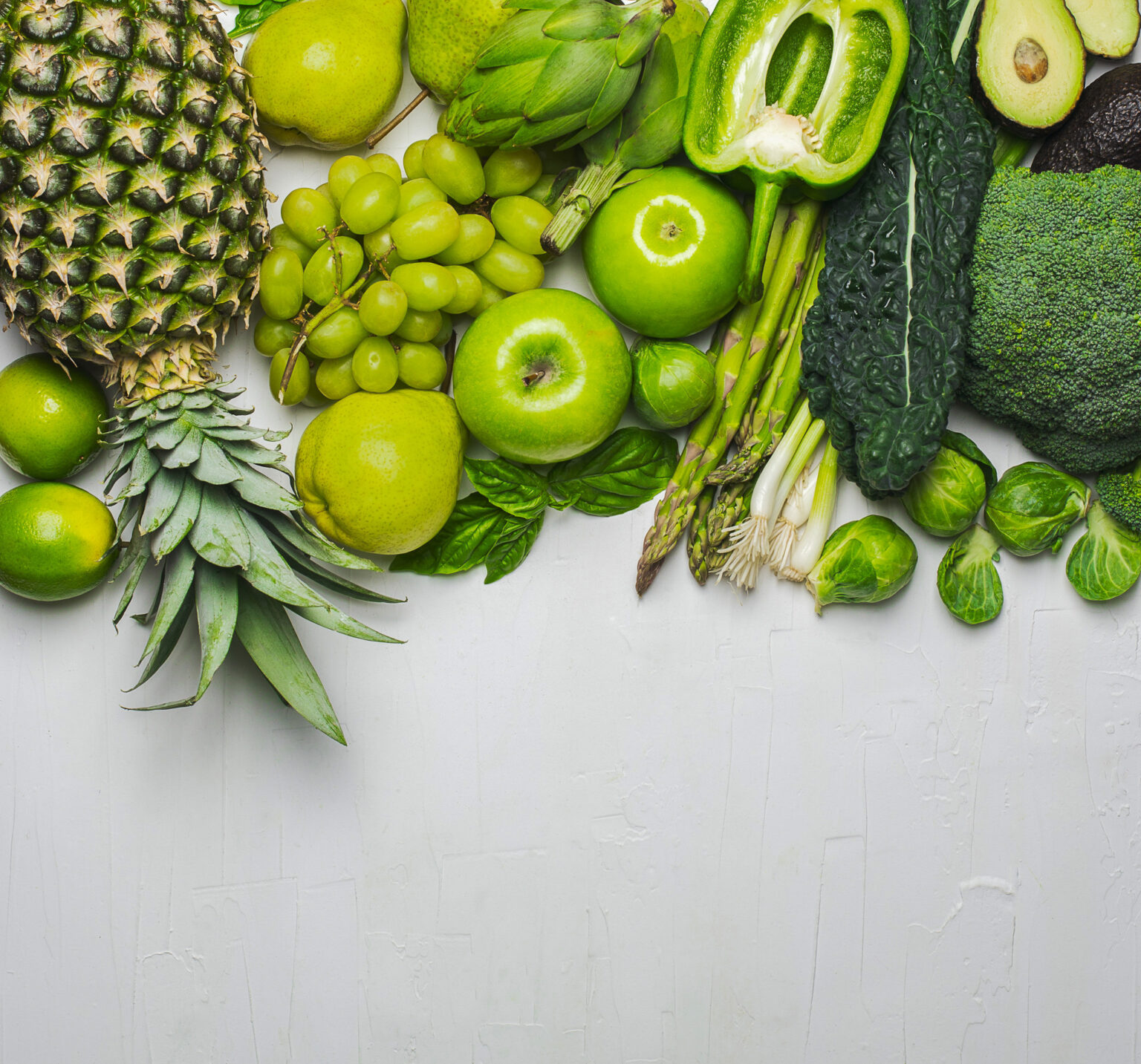
Sunday morning: sunshine, the garden and a potato harvest. Good seeds, good soil and the delight in getting one’s fingers in the dirt. No danger, no pesticides; permaculture stands as an authentically organic practice. This is the image sold to us promoting organic food. Yet while doing groceries, the day before, at the supermarket, the wife insisted on organic avocados caught by their nice look. But organic avocados from Peru shipped over 11,116 kilometers? Did those avocados travel by sailboat or pedal boat? A big question indeed: what does "organic" mean after 11,116 kilometers? Perhaps, in the end, organic isn’t organic at all. And what is organic and what isn’t organic then?
Discovering the meaning
Organic is better for your health, it contains fewer chemicals, packs more vitamins…but organic is also more expensive. Translation: more profitable. On average, organic products cost 30 to 53% more than their conventional counterparts. And yet, “organic” isn’t exactly as pure as it sounds. People mistakenly equate organic with “good for the planet and health”. But organic is simply an agricultural method that avoids synthetic chemicals and GMOs, aiming to respect the environment and animal welfare.
Let's return to our avocado. Buying organic avocados in the winter from Peru seems a bit strange. And it is, why not consume seasonal and local then? Wouldn’t it be more organicalish already? What is organic for the EU standard? No pesticides and sustainable farming, that’s all.
These natural organic methods for avocado’s farming boost soil health and biodiversity, positioning organic produce as a ‘greener’ alternative to conventional farming. Yet the picture is far from green: critics point out that intensive water usage in Peru’s arid regions strains local ecosystems, questioning the long-term sustainability of these practices. Moreover, labor rights issues and a burdensome organic certification process push small-scale farmers into a corner, leaving the organic segment—a mere 1.2% of total exports—even as Peru's overall avocado industry increase, with exports of around 625,000 tonnes in 2023 and nearly 539,313 tonnes generating $1.13 billion in 2024.
Let’s think twice about it: organic isn’t local, it’s a global market, a label that doesn’t translate into fair-trade support for small farmers but rather benefits large agribusinesses that can navigate the complex regulations, especially in the European Union. It benefits the industrial giants, not the local Peruvians, who are churning out so-called organic products. This monopolistic structure not only stifles genuine sustainability but also raises concerns: are we paying extra for true environmental benefits, or financing a corporate-imposed illusion of purity?
And the answer is obvious: organic only benefits the big players, the ones with the strength to run agriculture on a global scale. The organic avocado is a symptom: a mass-produced product made at the expense of local communities for Europeans who want to feel morally superior while eating summer fruits in the middle of winter. Organic, when not local or seasonal products, is nothing more than an illusion: a buzzword that sells the dream of environmental protection while barely leaving room for the core values of agriculture: local and seasonal produce.
Customer’s choice
That's why organic is often more problematic than it appears. In reality, the label hardly captures all the lofty ideas it inspires in people's minds. "Organic" simply means fewer pesticides, it isn’t fairtrade, nor is it necessarily any more environmentally friendly in terms of CO2 emissions.
The customer has to face the glossy image of trendy organic produce that travels 11,116 kilometers to reach his plate. He has to remind himself to eat seasonally by supporting the local garden and the neighborhood farmer. Indeed, real organic is simply common sense: enjoying fruits and vegetables grown near your home, in season even if they aren’t Instagram-perfect. After all, vegetables aren’t meant to be glamorous; they’re here to nourish you and keep you healthy, not to win beauty contests or fulfill moral self-satisfaction based on a label.
Statement
Forget the glossy image of organic produce that journeys 11,116 kilometers to your plate. True organic simply isn’t about far-flung supply chains; it’s about supporting neighborhood farmers who nurture produce with care. Real organic means enjoying seasonal fruits and vegetables grown near home, even if they lack the glamorous shine of mass-market items. After all, vegetables are meant to nourish, not win beauty contests, serving as a clear reminder that genuine quality and true sustainability is rooted in local tradition and common sense.