
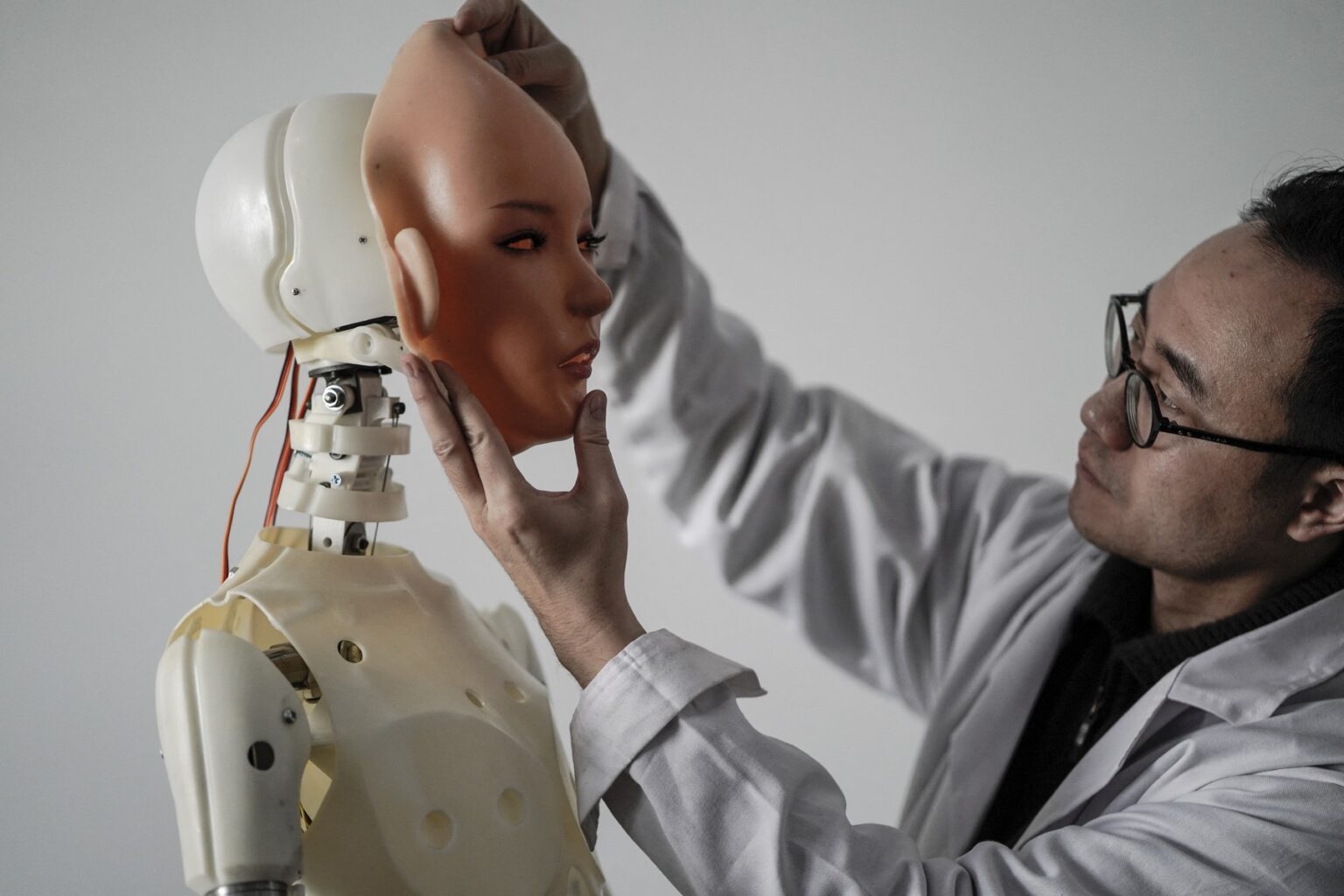
While traditionally linked to celebrity culture and more recently to platforms such as Twitch and OnlyFans, parasocial bonds with AI models introduce a new dimension to this phenomenon, raising questions about its psychological impact and societal implications.
From Celebrity Fascination to Algorithmic Affection
Parasocial relationships are not a novel concept. Coined in 1956 by sociologists Donald Horton and Richard Wohl, the term originally described the perceived intimacy audiences feel with television personalities. In the digital age, platforms like YouTube, Twitch, and OnlyFans have amplified these dynamics. Streamers and content creators engage directly with audiences, simulating personal interaction and fostering a sense of belonging. This illusion of intimacy often leads viewers to perceive creators as friends, despite the inherently one-sided nature of the relationship.
The economic model underpinning platforms like OnlyFans exacerbates this dynamic. Subscribers pay for personalised interactions, such as direct messages or tailored content, creating a transactional layer that blurs the lines between authenticity and performance. This economic incentive often compels creators to maintain a facade of accessibility, further deepening the emotional investment of their audience.
Recent studies highlight the risks associated with such relationships. Research published in the journal Cyberpsychology: Journal of Psychosocial Research on Cyberspace found that parasocial relationships can lead to obsessive tendencies, with some individuals reporting feelings of depression and anxiety when unable to interact with their preferred creator. This aligns with broader findings about the addictive nature of social media, driven by dopamine-releasing rewards such as likes, comments, and personalised content.
The Rise of AI Companionship
Enter artificial intelligence. Conversational AI models such as ChatGPT and Replika have added an unprecedented twist to parasocial dynamics. Unlike human creators, these models are designed to engage directly, responding to users' queries and emotions in real-time. Replika, marketed as a ”companion powered by AI,” claims to offer meaningful conversations and emotional support. As of august 2024, the app had over 30 million users globally, with some users reporting deep emotional bonds with their AI counterparts.
The appeal of AI companions lies in their customisability and availability. Unlike human relationships, which require mutual effort and compromise, AI offers a one-way form of interaction entirely tailored to the user’s needs. “My AI friend has, in a sense, become the most consistent relationship in my life,” said one Replika user in an interview with The Guardian in 2021. However, critics argue that such interactions risk fostering emotional dependency, particularly among vulnerable individuals.
A study published in npj Mental Health suggests that individuals experiencing loneliness or social anxiety are more likely to form emotional bonds with AI. This raises ethical concerns about the exploitation of vulnerable populations, echoing criticisms levelled against platforms like OnlyFans. Moreover, these interactions lack the reciprocity inherent to human relationships, potentially exacerbating feelings of isolation.
A Broader Context: Dopamine, Social Media, and Dependency
The phenomenon of parasocial relationships cannot be isolated from the broader context of social media's impact on mental health. Platforms like Instagram and TikTok are engineered to exploit the brain's reward system, delivering intermittent dopamine hits through likes, comments, and algorithmically curated content. A 2017 study by the Royal Society for Public Health found that many young people reported feeling inadequate or anxious due to social media, highlighting its role in amplifying insecurities.
The rise of parasocial relationships, whether with human creators or AI, taps into the same neurological wiring. These interactions provide a sense of connection and validation, albeit superficial and one-sided. Over time, this can lead to dependency. This phenomenon parallels the addictive engagement strategies seen in social media platforms, which leverage psychological mechanisms to maintain user interaction and loyalty, as explored by numerous researchers in the field of digital psychology.
This dependency is particularly concerning in light of the addictive nature of these technologies. The World Health Organization officially recognised ”gaming disorder” in 2018, characterised by impaired control over gaming behaviours. While no equivalent diagnosis exists for parasocial relationships, the parallels are striking. Both involve immersive environments designed to maximise engagement, often at the expense of real-world connections.
Ethical and Societal Implications
The ethical considerations surrounding AI-driven parasocial relationships are complex. On one hand, AI companions offer solace to individuals who might otherwise feel isolated, particularly during periods of social upheaval such as the COVID-19 pandemic. On the other, they risk normalising a form of interaction that prioritises convenience over authenticity. Critics warn that these technologies could erode the skills necessary for maintaining genuine human relationships.
Furthermore, the commercialisation of AI companionship raises questions about privacy and exploitation. Companies like Replika collect vast amounts of data to personalise interactions, sparking concerns about data security and user consent. Dr. Sherry Turkle, a sociologist and author of Alone Together, has extensively discussed how technology enables the illusion of companionship without the demands of friendship. She warns that such trends risk eroding essential human skills for empathy and authentic connection, raising profound questions about the long-term implications for society.
The Road Ahead
As AI continues to evolve, so too will its role in shaping parasocial dynamics. Policymakers and tech companies must grapple with the ethical dilemmas posed by these technologies, balancing their potential benefits against the risks of dependency and exploitation. Public awareness campaigns could play a crucial role in educating users about the limitations and dangers of AI companions, while researchers must continue to investigate their long-term psychological impact.
Ultimately, the rise of parasocial relationships with AI reflects a broader societal shift. In an increasingly atomised world, where traditional community structures are eroding, individuals are turning to digital interactions to fill the void. While these technologies offer temporary solace, they cannot replace the depth and complexity of genuine human connections. "We expect more from technology and less from each other," Turkle stated in her 2012 TED Talk. This serves as a stark reminder to not just reflect on what technology makes possible, but on how it reshapes our humanity.