
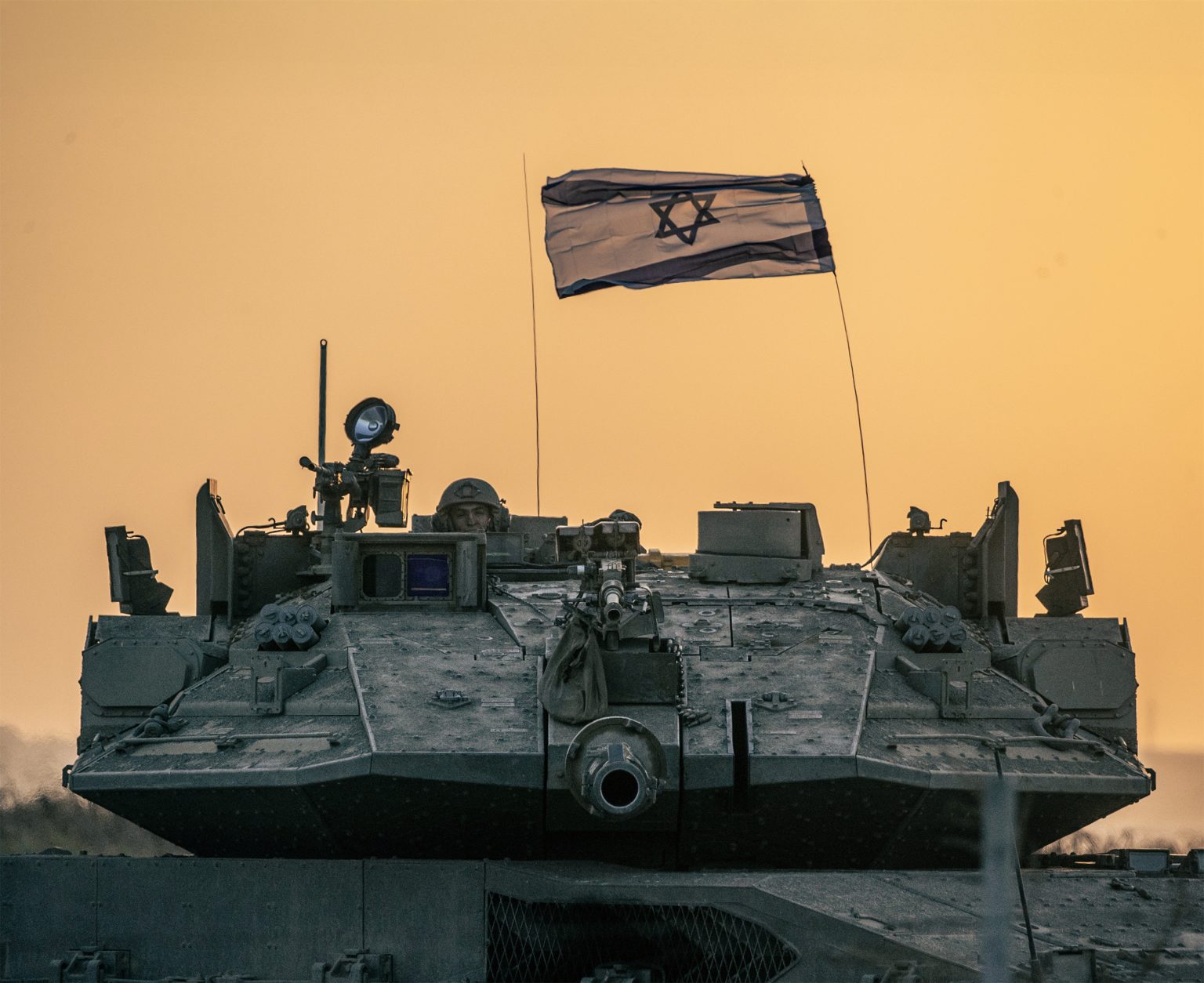
The Israeli Air Force struck Hezbollah-controlled southern suburbs of Beirut, with more than ten explosions rocking the Lebanese capital. According to the Israeli military, senior figures in the militant group were among the targets. The army also warned residents of dozens of villages in southern and eastern Lebanon to evacuate, declaring that Hezbollah bears full responsibility for any further escalation.
Israel’s strikes left 31 people dead and 149 wounded, according to the Lebanese Ministry of Health.
The bombardment was described by Israel as retaliation for Hezbollah’s attack on Monday, carried out in response to the killing of Iran’s supreme leader, Ali Khamenei. The group’s action has put it at odds with parts of the Lebanese leadership, who have sought to avoid the country being drawn into a wider regional war.
Lebanese state media reported that the public prosecutor ordered security forces to arrest immediately those responsible for firing rockets at Israel, following a telephone call from Justice Minister Adel Nassar. The government has for more than a year pursued a policy aimed at disarming Hezbollah.
Prime Minister Nawaf Salam said the rocket fire from Lebanese territory was irresponsible and endangered national security. President Joseph Aoun condemned the Israeli strikes but warned against Lebanon becoming a platform for wars ‘with which we have nothing to do’, adding that such involvement would ‘once again expose our nation to danger’.
Israel: fighting may last days
The Israeli military said no injuries or damage had been reported in Israel. Hezbollah’s assault marked its first strike on Israel since the 2024 war, while the attacks on Beirut’s southern suburbs were the most intense since that conflict.
Chief of Staff Eyal Zamir said the army had launched an ‘offensive campaign’ against Hezbollah that was likely to last several days.
‘We are no longer just on the defensive, we are now moving to the offensive,’ he said during a situational assessment following Hezbollah’s rocket and drone attacks.
‘We must prepare for several days of fighting, for many days. We need strong defensive readiness and continuous offensive readiness, in waves,’ Zamir added.
Iranian strikes continue
Shortly after 7am, sirens sounded across Israel, including in Tel Aviv and Jerusalem, after Iran announced a new wave of rocket attacks. Iranian state media reported that the missiles were launched from central parts of the country towards ‘enemy positions’.
Witnesses reported explosions in Tehran, Dubai and Doha. Kuwait said its air defences had intercepted hostile drones for the third consecutive day.
On Sunday evening, Israel said it had achieved air superiority over Tehran and that its operations were targeting intelligence, security and military command centres. According to the Israeli military, US aircraft and warships have struck more than a thousand Iranian targets since the start of the operation.
Trump vows to press ahead
On Sunday, the first American casualties were confirmed, with three US soldiers killed at a base in Kuwait. President Donald Trump called them ‘true American patriots’, but acknowledged that further losses were possible. He said that Operation Epic Fury would continue and could last at least four weeks.
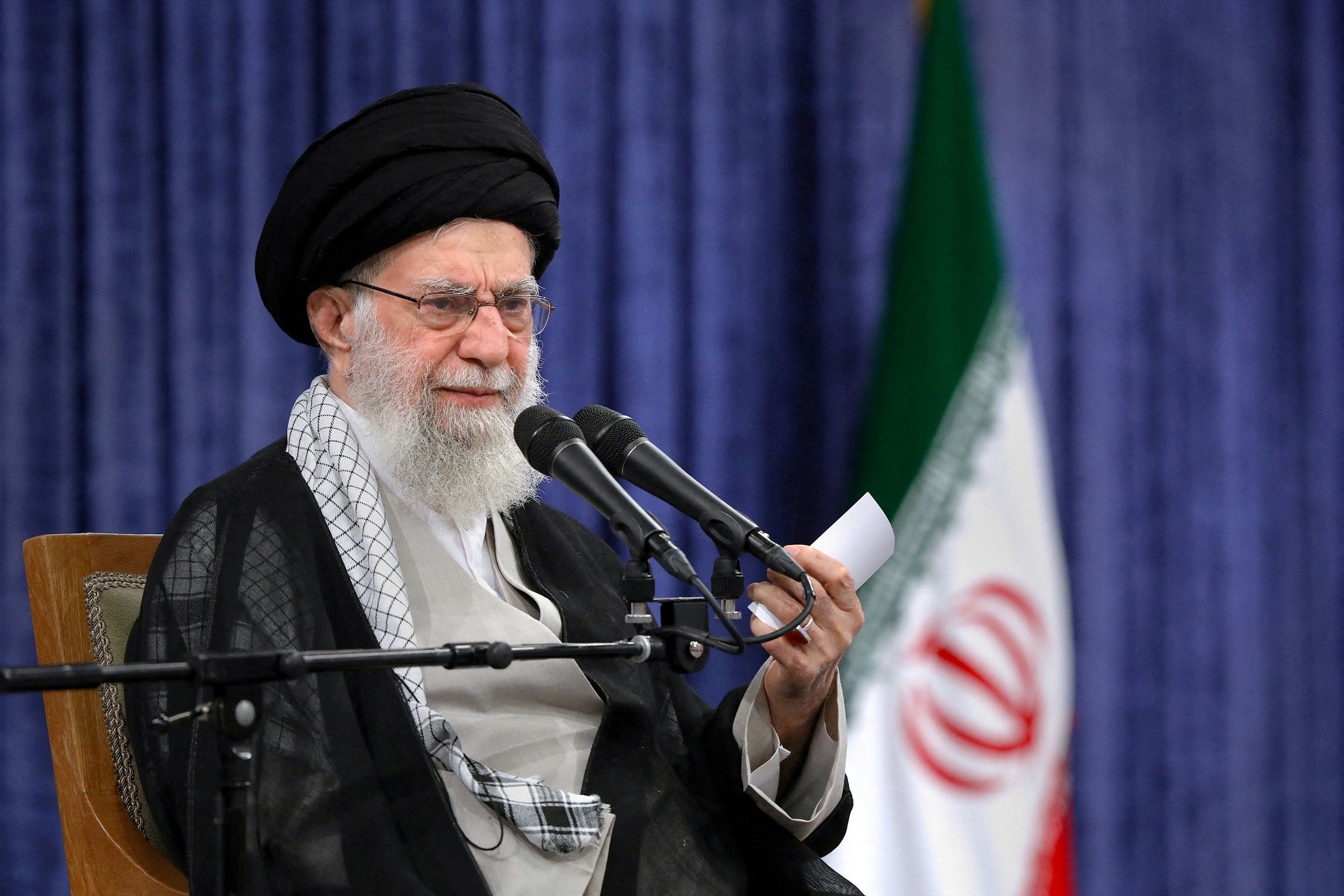
Trump also indicated that the United States would ‘eventually’ negotiate with Iran’s prospective new leadership. Iranian President Masoud Pezeshkian announced that a three-member council had assumed temporary leadership of the country.
Ali Larijani, an adviser to the late Khamenei, said Tehran would not negotiate with Trump and accused him of ‘misguided ambitions’.
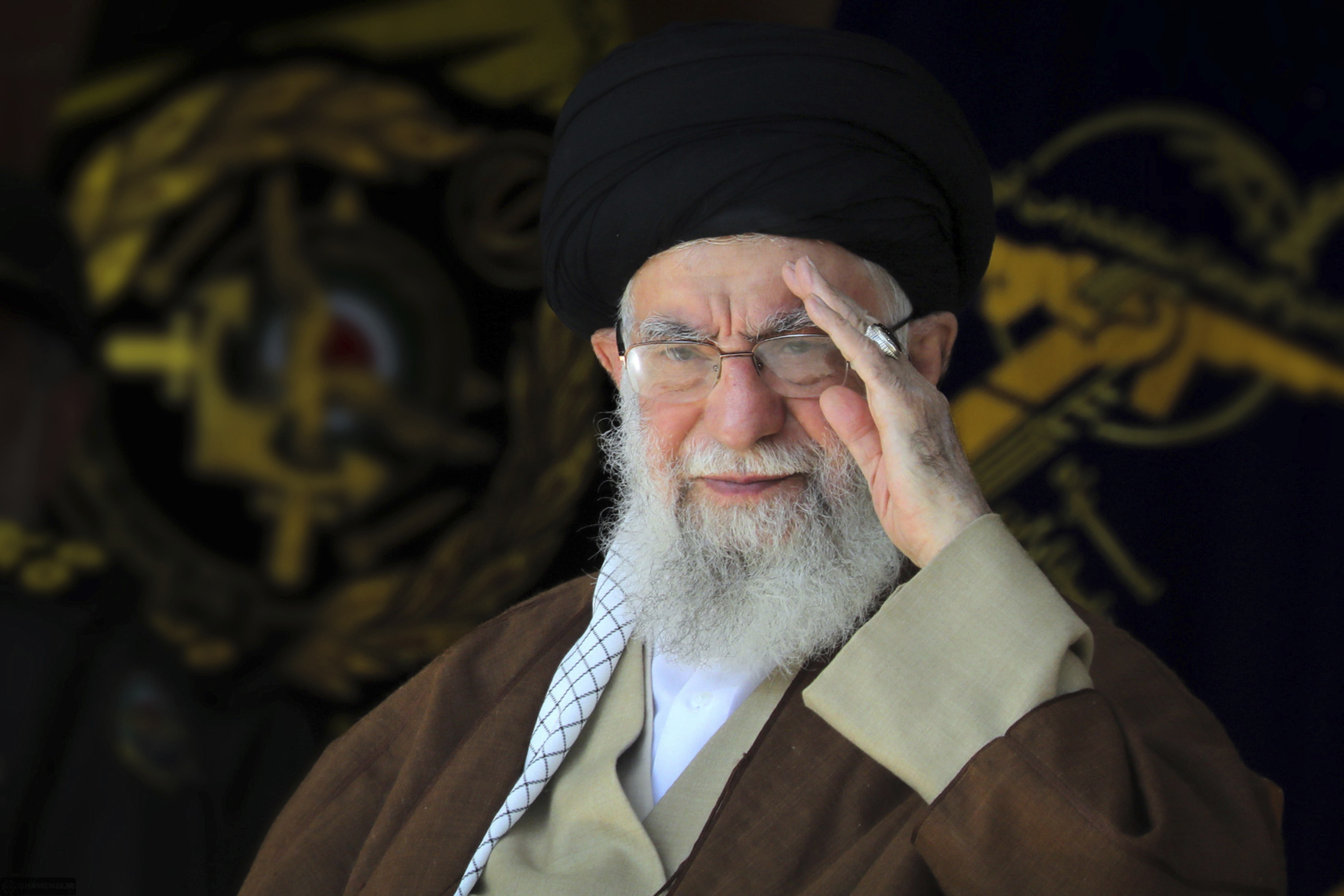
The death of the 86-year-old Khamenei has created a power vacuum in Iran and raised questions about the country’s future. Analysts note that although the development represents a serious blow to the leadership of the Islamic Republic, it does not necessarily signal the end of clerical rule or the influence of the Islamic Revolutionary Guard Corps.
Social media analysis suggests that parts of the public are already seeking alternatives to the long-serving leader.
Oil and aviation markets under pressure
The conflict is also having significant global repercussions. Iran’s Revolutionary Guard said it had carried out attacks on oil tankers and military bases in the Gulf, heightening concerns about shipping through the Strait of Hormuz. Hundreds of vessels have remained at anchor in the region, and traders expect oil prices to rise sharply.
Air traffic has also been severely disrupted, with several airports in the Middle East, including Dubai, restricting operations in what industry figures describe as one of the most serious interruptions in recent years.
(reuters, pir)