
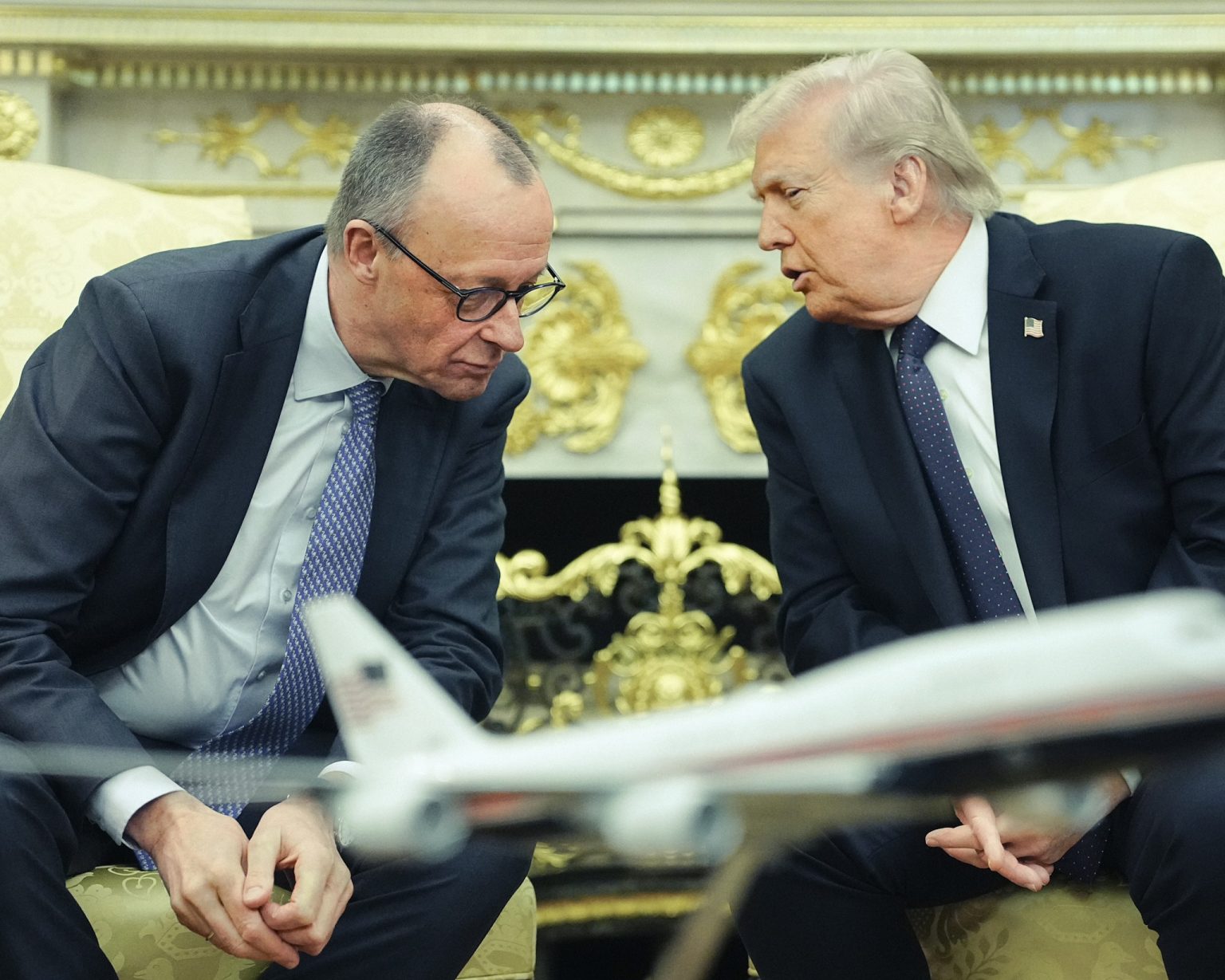
Washington. US President Donald Trump received Germany’s Chancellor Friedrich Merz at the White House on Tuesday. The meeting in the Oval Office was dominated by the escalating war with Iran. From the outset, Merz struck a pointed note: ‘We agree that this terrible regime in Tehran must be eliminated,’ he said alongside the American president. The statement was made before the cameras and in the context of the ongoing US and Israeli military operation against the leadership in Tehran.
Trump opened the meeting with warm words for his guest. He described Merz as a ‘friend’ and said he was doing ‘a fantastic job’. At the same time, the US president used the occasion to comment on other European states. Germany was ‘terrific’, he said, referring to NATO rearmament. Spain, by contrast, had ‘no good leadership’ and the United States would ‘end all trade with Spain’. Britain’s Prime Minister Keir Starmer was ‘no Winston Churchill’. For several minutes, Europe appeared less a cohesive bloc than a collection of individual partners assessed in varying terms.
The dynamics of the encounter were also visible in small details. When Trump joked, in connection with possible tariffs, that Germany should be hit ‘very, very hard’, he tapped Merz on the knee. The chancellor smiled awkwardly, did not contradict him and let the remark pass. Substantively, Merz announced that he intended to discuss three issues with Trump: Iran, trade and Ukraine.
Clear words on Iran
On substance, the language was unmistakably firm. Trump said the mullahs would have struck first had the US and Israel not acted. They were ‘evil people’, he said. Asked about Iran’s political future, he suggested that perhaps ‘someone from within the ranks’ of the existing system could assume power once the campaign was over.
At that point, Merz placed himself squarely alongside the American position. His reference to the ‘elimination’ of the regime was the clearest German statement on Tehran’s political future since the military strikes began. He gave no further details on any potential German involvement or concrete steps. When pressed on the military dimension, he did not point to specific German contributions but confined himself to a political assessment of the situation.
As the military escalation continues, the leadership in Tehran has also raised the tone. A general of the Islamic Revolutionary Guard Corps threatened that ‘every ship’ in the Strait of Hormuz would burn. The strategic significance of the passage for global trade was not explicitly addressed in Washington, yet it was clearly present in the background. The narrow waterway is one of the world’s most important energy transit routes. A blockade or prolonged fighting would have immediate repercussions for global supply chains.
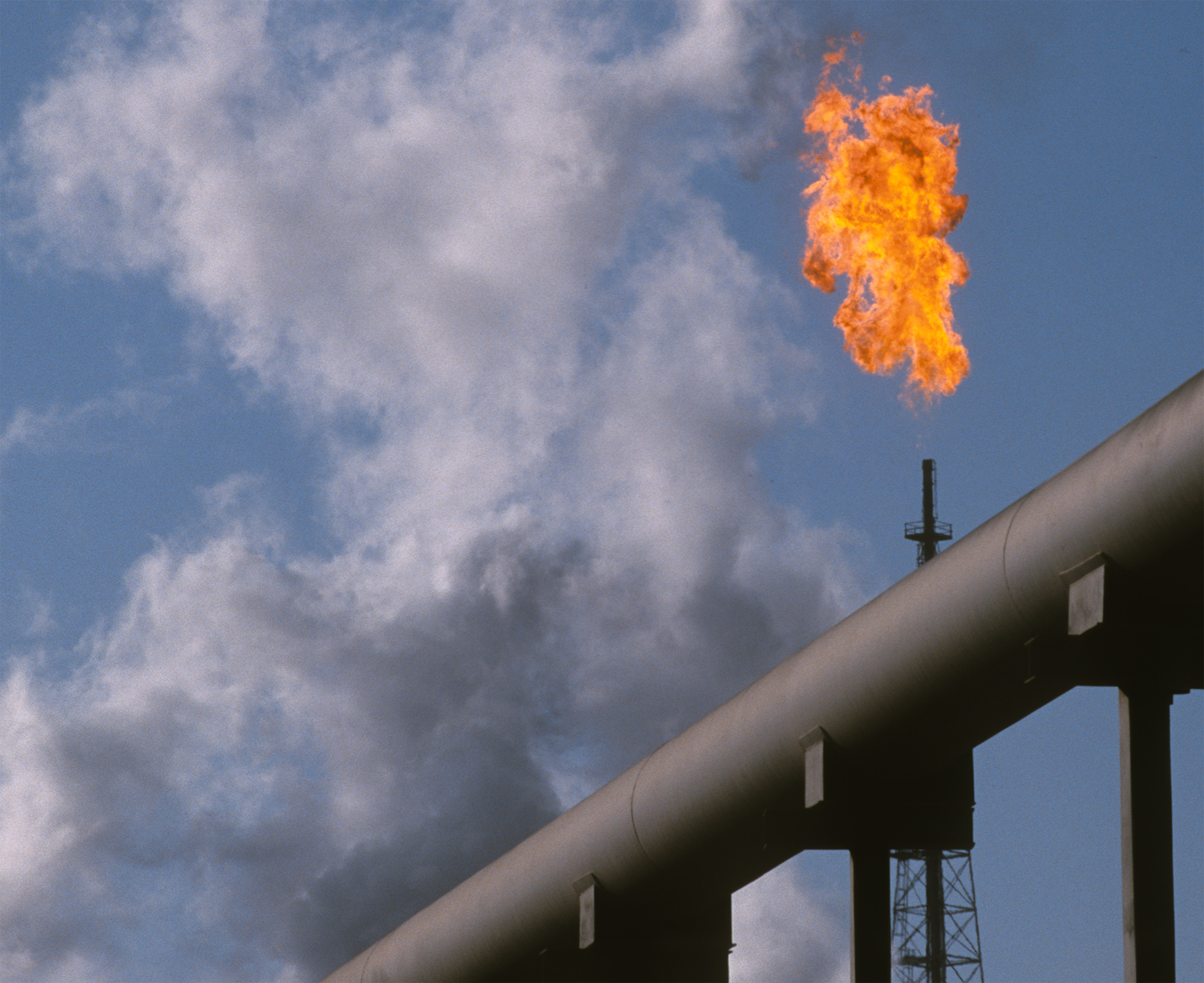
The chancellor also spoke openly about the economic consequences of the conflict. ‘Of course it affects our economy,’ he said, referring to rising oil and gas prices. He expressed hope that the war would end as soon as possible. Trump responded with the prediction that oil prices would fall, once the campaign concluded, to levels ‘never seen before’. He did not outline concrete measures or a timetable.
Energy, trade and political signalling
Alongside Iran, economic issues played a significant role. Trump once again raised the subject of tariffs and referred to ongoing trade disputes. His joking remark about a ‘very hard’ approach towards Germany prompted laughter in the room but was not accompanied by any specific announcement. The US president also underlined that some European states had been helpful in strengthening NATO, while others had not. A common European line on Iran was not discernible from the exchanges.
For Germany, the economic implications stand alongside the security questions. The conflict in the Middle East affects key energy and trade routes, and insurance premiums for cargo vessels have already risen markedly. Commodity markets are reacting sensitively to every new threat or military movement. Against that backdrop, the combination of geopolitical positioning and economic risk assessment formed a central element of the chancellor’s appearance.
Domestically, the unequivocal wording on the future of the Iranian regime is also likely to resonate. While parts of German politics continue to emphasise diplomatic initiatives and international engagement, Merz in Washington stressed alignment with the American line. Whether and in what form further steps will follow remains unclear. The meeting before the cameras lasted only a few minutes before the talks moved behind closed doors.
One thing is certain: the Iran conflict currently dominates the transatlantic agenda. Berlin has publicly positioned itself on the question with a formulation that goes beyond mere expressions of solidarity. What practical consequences may arise will become clear in the days and weeks ahead.