
In February 2026, the European Union Agency for Asylum (EUAA) completed its annual report, which was published on March 3. The document warns of a potential wave of migration triggered by Israeli-American military action in the Middle East, noting that ‘the scale of the potential risk is considerable’. The Times and The Telegraph have already drawn attention to the report in connection with recent developments in the region.
‘With a population of approximately 90 million, even partial destabilisation could trigger refugee movements on an unprecedented scale. The displacement of even 10 per cent of Iran’s population would be equivalent to the largest refugee waves of the last decade,’ the EUAA writes in its 40-page analysis.
Who might come
Israel and the United States are already causing significant disruption for Europe through their attack on Iran – and the war has only just begun. It remains unclear when and how the conflict will end, but the destabilisation of the region could have long-lasting consequences, ranging from civil war in Iran to wider religiously driven armed conflict across the Middle East.
The EUAA concludes the chapter on Iran with a reassuring remark that the scenario outlined in the report remains highly speculative for the time being. According to a statement by its spokesperson on March 3, the European Commission believes that there has been no change in migration flows so far. However, it did not comment on possible developments in that regard.
It is important to note that the asylum agency’s analysis was completed before the Israeli-American attack on Iran on February 28, which is therefore not mentioned in the report. The analysis did not take into account, for example, the escalation of fighting between Israel and Hezbollah in Lebanon, which, according to the French-German-Italian project InfoMigrants, has already displaced more than 30,000 people from their homes.
Lebanon, itself affected by the military escalation, is also hosting more than 1.5 million Syrians. However, it remains unclear whether, in the event of an Israeli army advance further into the country, they would attempt to return to Syria or instead move onwards to Europe.
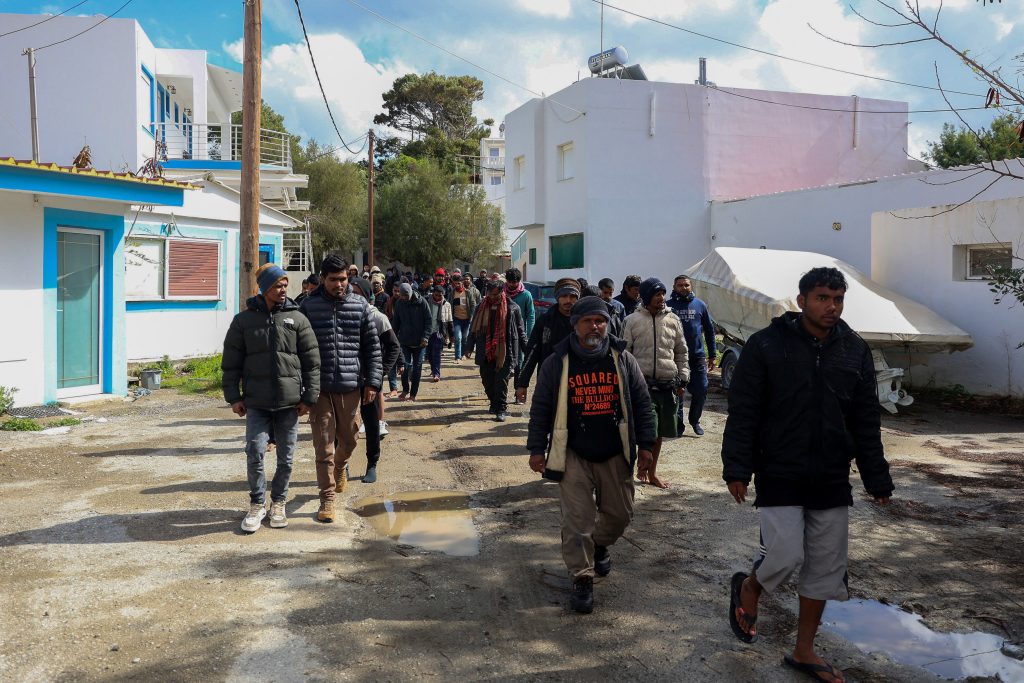
In Iran, a country of around 92 million that has been attacked and significantly destabilised, ethnic Persians – Iranians in the narrower sense of the term – represent between 51 and 65 per cent of the population according to various estimates. Azerbaijanis account for 16 to 24 per cent – and there are several times more of them in Iran than in Azerbaijan itself – while Kurds make up about seven per cent of the population. A dozen other ethnic groups are also present in smaller numbers.
In addition, there are between 2.5 million and four million refugees in Iran. Approximately 99 per cent of them are Afghans, with a small proportion being Iraqis. Given the situation in Afghanistan, however, it is unlikely that Afghan migrants would choose to return to their homeland if they were forced to leave Iran.
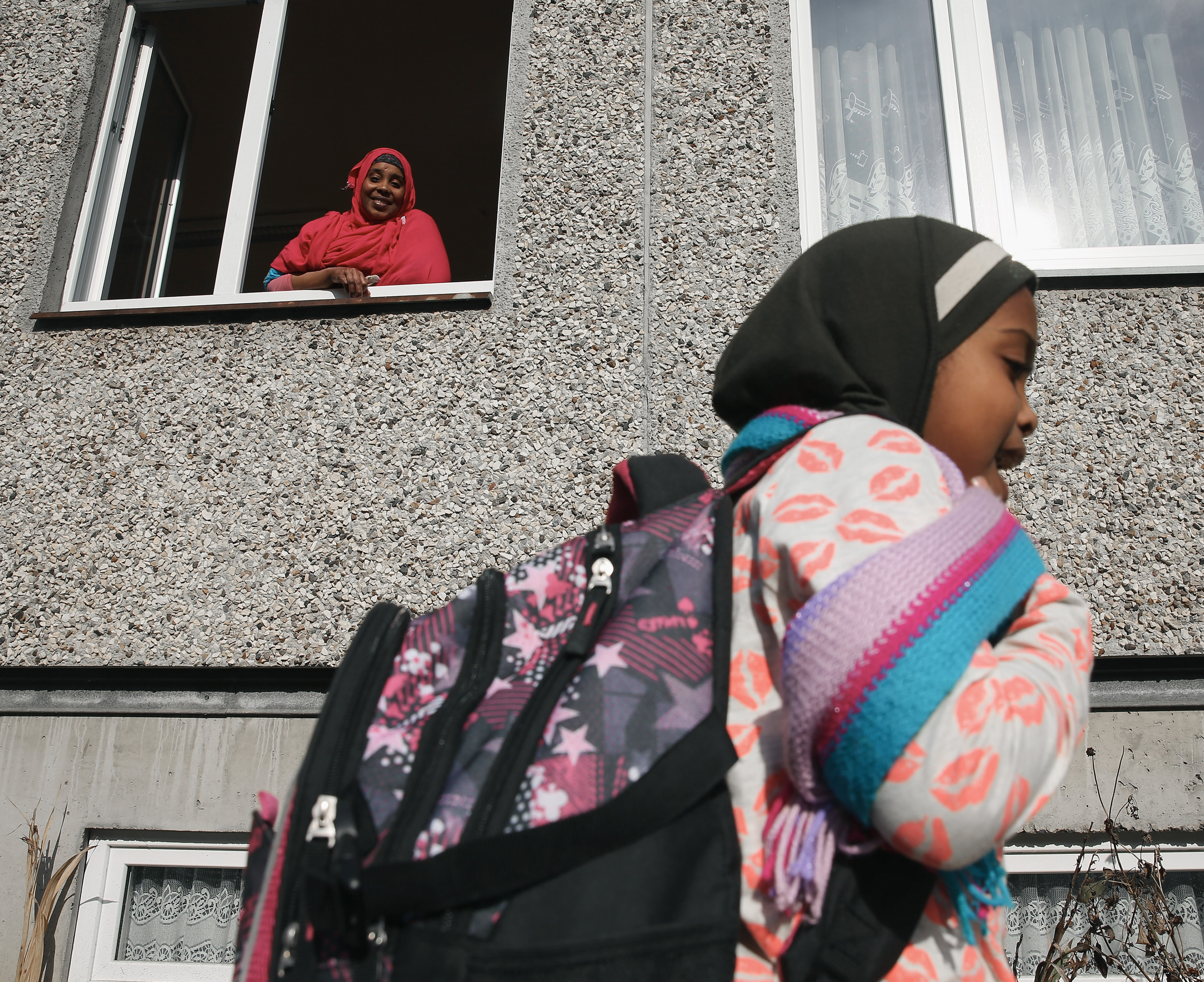
Experts from the Migration Research Institute believe that more Afghan migrants would choose to travel to Europe if Iran became destabilised. Iran lies on a migration route long used by migrants which runs through Turkey to Europe.
According to a report by the International Organization for Migration (IOM) from the end of 2024, migrants from Afghanistan, Pakistan and Iran use the eastern Mediterranean migration route, travelling through Iran and Turkey to Greece, Cyprus or Bulgaria, and then along the Balkan route, including through Slovakia, towards Western Europe.
Border preparations
Today, about one third of irregular migrants travelling to Europe are heading to Britain. Between 2015 and 2024, Iranians represented the largest group of asylum seekers in the United Kingdom. The British Home Office therefore expects a possible increase in applications in connection with the attack on Iran.
However, countries lying along migration routes – such as Turkey and Greece – are also preparing for a potential influx. Greek Minister for Migration and Asylum Thanos Plevris has announced that Athens will introduce stricter and more thorough monitoring of Iranians seeking asylum.
‘Iranians will naturally turn to Turkey. Once someone gets there, they will then try to get to Europe... We don't know the extent of the military operations or how long they will last, but migration flows increase when the situation takes root and remains unstable for a long time,’ Plevris said.
Turkey, which shares a 560-kilometre border with Iran, has already begun to strengthen border security with drones and by increasing the number of personnel deployed for border control. According to a statement from Ankara, border crossings are currently closed.
A tool of hybrid warfare?
According to local sources, smaller waves of migration may also affect Armenia, Turkmenistan, Azerbaijan and Kazakhstan – countries that could serve only as a temporary refuge for many migrants on their way to wealthier Russia.
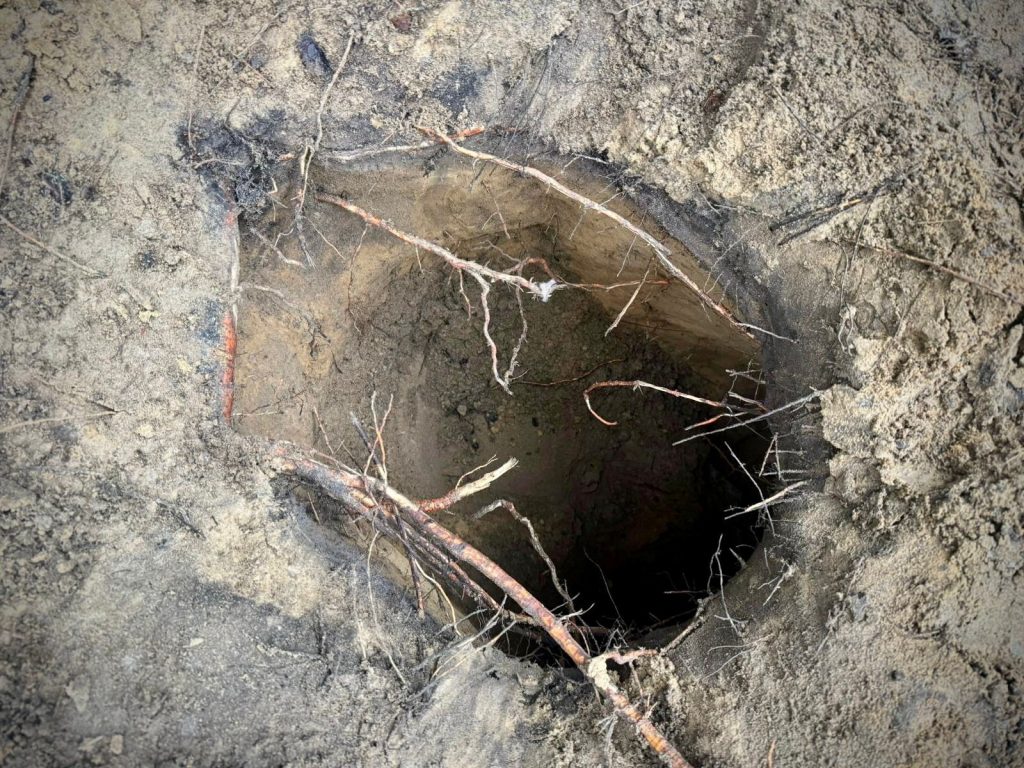
According to Polish findings and statements by migrants themselves, border guards in Belarus, which borders Russia, are providing foreigners with ladders, wire cutters and other equipment needed to cross the Polish–Belarusian border. Polish border guards also say that specialists from the Middle East are building cross-border tunnels.
However, these migrants are flown to Minsk on valid Belarusian tourist visas and are not people who would enter Belarus via the Russian–Belarusian land border. It is therefore premature to assume that the war in the Middle East will increase migration pressure on the Polish or Lithuanian borders.
Migrants who travel to Russia via the Caucasus or Kazakhstan are very likely to remain there or to take advantage of opportunities to earn money and legalise their stay by joining the Russian side of the war in Ukraine.
Fico says Slovakia will not accept illegal migrants
Prime Minister Robert Fico (Smer) and Interior Minister Matúš Šutaj Eštok (Hlas) said at a press conference on March 4 that Slovakia will not accept illegal migrants.
Since 2014, men have represented between 67 and more than 80 per cent of new illegal migrants in the EU each year. Men aged 18 to 34 accounted for more than a third of all asylum seekers in 2024. Data for 2025 will not be published until the end of March.
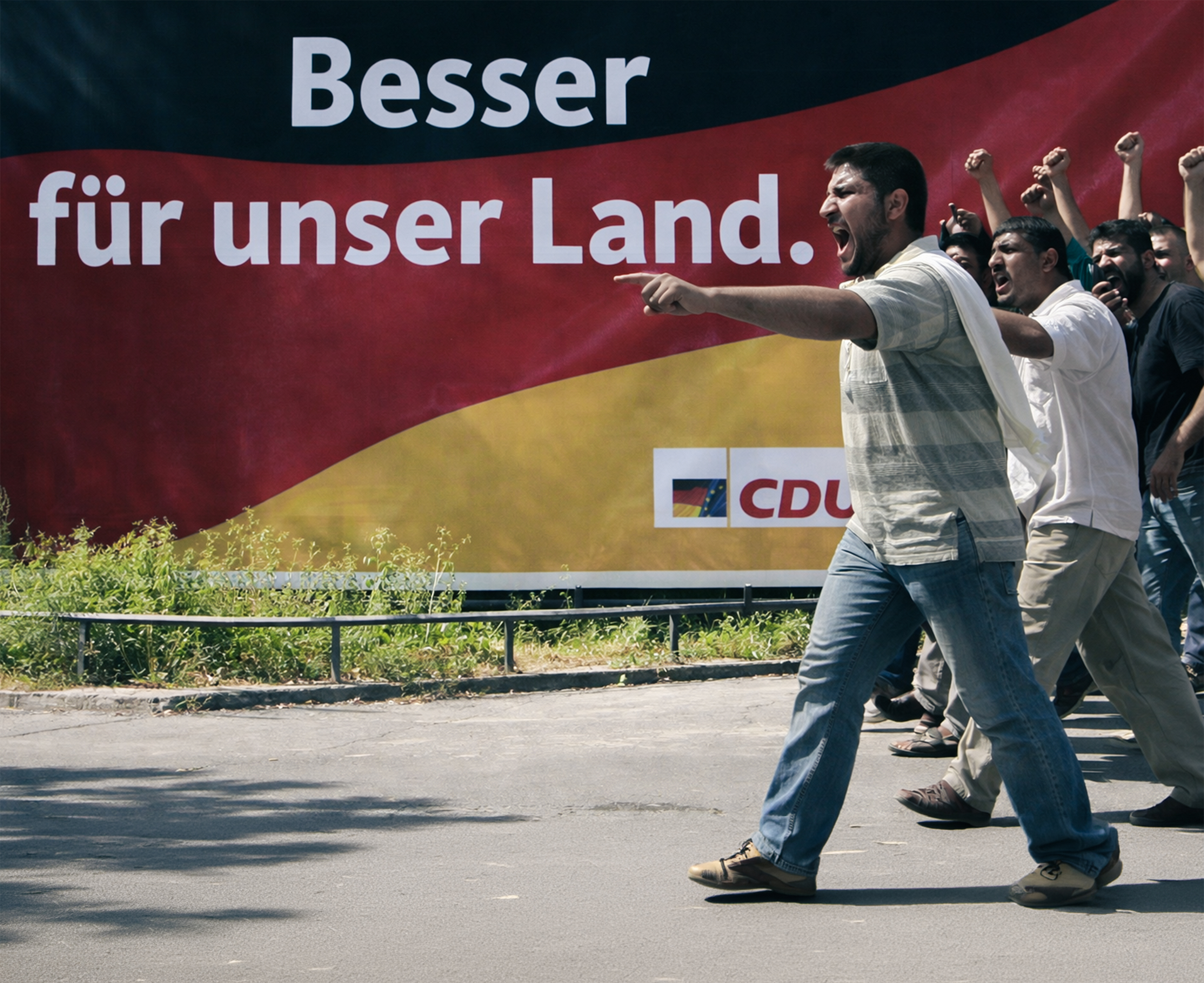
When analysing the negative impact of immigration, the crime rate among young immigrant men in countries such as Germany, Sweden or France is often cited, for example. However, large-scale migration from affected countries in the Middle East could significantly reshape some European countries in the long term and noticeably alter their political, religious and ethnocultural character.