
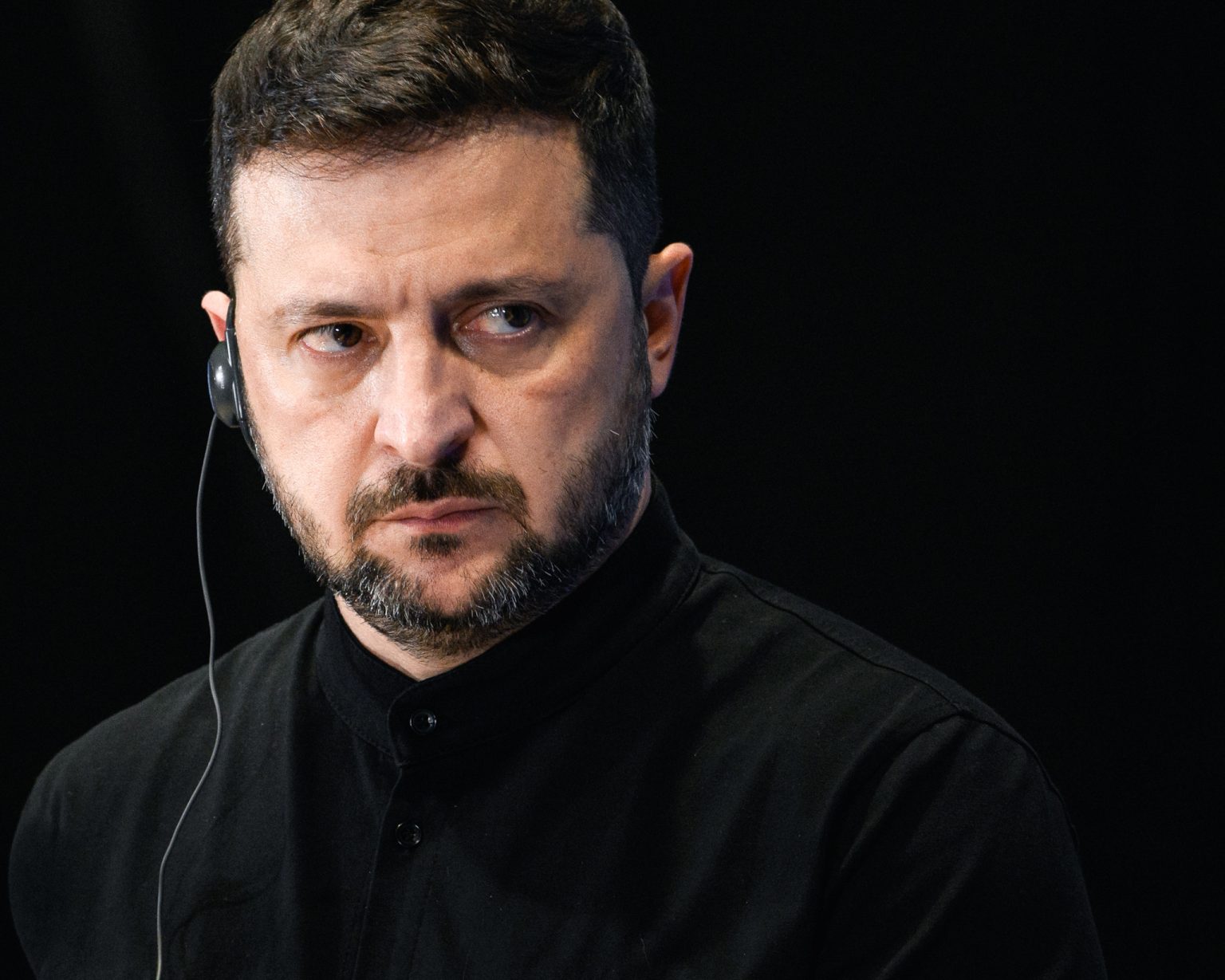
Oil has not flowed through the Druzhba pipeline to Slovakia and Hungary for 39 days. Despite the length of the outage, the public has yet to see convincing evidence of what actually happened on the Ukrainian section of the pipeline.
The lack of transparency is gradually turning what was initially presented as a technical problem into a political crisis. The situation deepened further this week when Hungarian authorities detained Ukrainian citizens escorting an armoured cash transport and confiscated large sums of cash and gold.
Ukrainian embassy versus Slovak intelligence
Ukraine attributes the outage to a Russian attack on infrastructure on 27 January this year. Kyiv says the damage is serious. Transformers, power cables and sensors ensuring the pipeline’s safe operation were reportedly hit.
According to the Ukrainian embassy in Slovakia, it took ten days to extinguish the fire after the attack. The high temperatures allegedly destroyed sensors and automation components without which the pipeline cannot be controlled.
‘Outwardly, the situation may not seem dramatic, but in reality it is very complicated and will require extensive repair work,’ the embassy said.
The difficulty is that such claims have not been accompanied by publicly available evidence. Ukraine has refused to allow a joint expert mission from Slovakia and Hungary to visit the site of the incident. Neither European Commission President Ursula von der Leyen nor European Council President António Costa were granted access, reportedly for security reasons.
The refusal to allow an independent inspection of the site has raised the greatest doubts.
Those doubts were reinforced by the position of the Slovak Information Service (SIS). According to satellite images from 21 February and 1 March, there are no visible signs of the alleged Russian attack of 27 January in the area. Reporters also say that no repair work can be seen there.
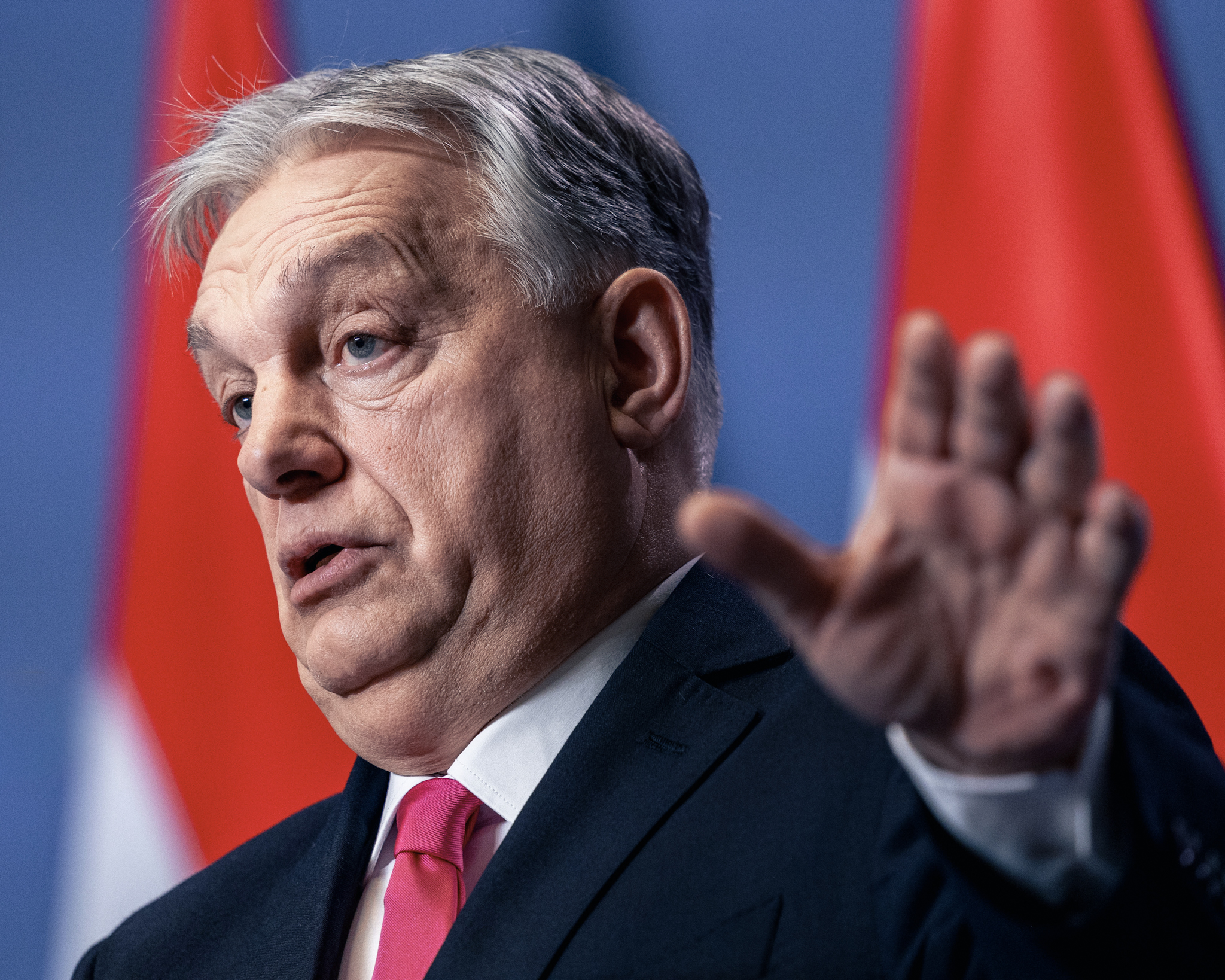
For several weeks now, governments in Central Europe have openly accused their neighbour of withholding information and suggested that the main pipeline may not have been seriously damaged.
‘Why doesn’t Zelenskyy want to let anyone in?’ Slovak Prime Minister Robert Fico said, criticising the Ukrainian president. ‘What is he afraid of? The truth, or does he need time to destroy it?’
On Friday, Viktor Orbán announced that Hungary would halt the transit of goods vital to Ukraine through its territory. At the same time, he gave Kyiv three days to resume the transit of Russian oil through Druzhba and to allow inspectors access to the oil pumping station near the town of Brody.
Trust and sabotage
The Hungarian prime minister’s move reflects broader mistrust in parts of Central Europe over the reliability of energy transit during the war, shaped in part by earlier pipeline sabotage.
In addition to numerous investigative reports suggesting that the Nord Stream gas pipelines were sabotaged in 2022 by a Ukrainian commando group, Germany’s Federal Court of Justice (Bundesgerichtshof, BGH) has also dealt with the case in recent proceedings.
In a ruling published last year concerning the arrest warrant of one suspect, the court confirmed that there was strong suspicion of a state-directed operation and that the attack had likely been organised by actors linked to Ukraine. The proceedings do not constitute a final judicial determination of state responsibility.
At Thursday’s briefing, Volodymyr Zelenskyy indicated that he had little sympathy for Russian oil continuing to flow through Druzhba.
‘To be honest, I would not restore it. That is my position. I have said this to European leaders and to everyone who has called me about this issue, including the leadership of the European Union, because it is Russian oil. There are things and principles that are simply priceless. They are killing us, and we are supposed to supply oil to Orbán because he is a “poor thing” and cannot win the election without this oil,’ Zelenskyy said.
He added that the pipeline could technically be ready for operation again in about a month and a half, although any decision to resume transit would depend on political negotiations with the European Union.
A nervous Zelenskyy
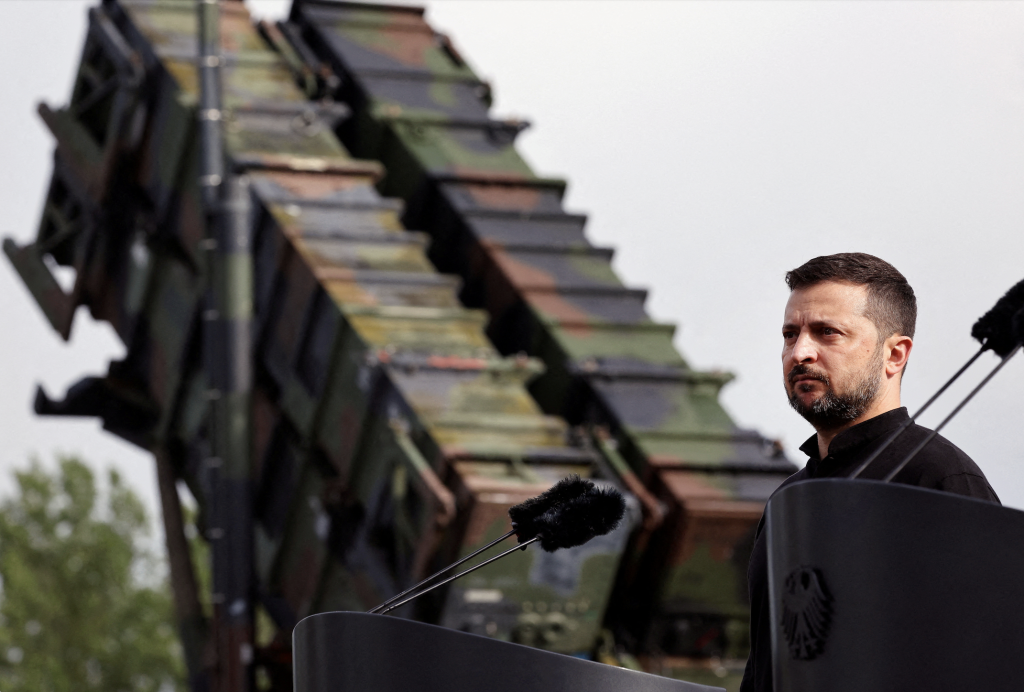
The strain on Zelenskyy is immense. Ukraine is facing growing difficulties on the battlefield. At the same time, the war in the Middle East threatens to divert Western air-defence missiles urgently needed by Kyiv.
Tensions between Zelenskyy and Orbán escalated further on Thursday when the Ukrainian president suggested that if the Hungarian government continued to block the EU aid package, the matter could be taken up by Ukrainian soldiers themselves.
‘We hope that one person in the European Union will not block the €90 billion package and prevent our soldiers from receiving weapons. Otherwise we will pass this person’s address to our soldiers so that they can call him and speak to him in their own language,’ Zelenskyy said.
The remark was widely interpreted in Budapest and Brussels as a veiled threat directed at Viktor Orbán.
Slovakia has shown little sympathy for the increasingly confrontational tone, particularly after last year’s assassination attempt on Prime Minister Robert Fico in Handlová.
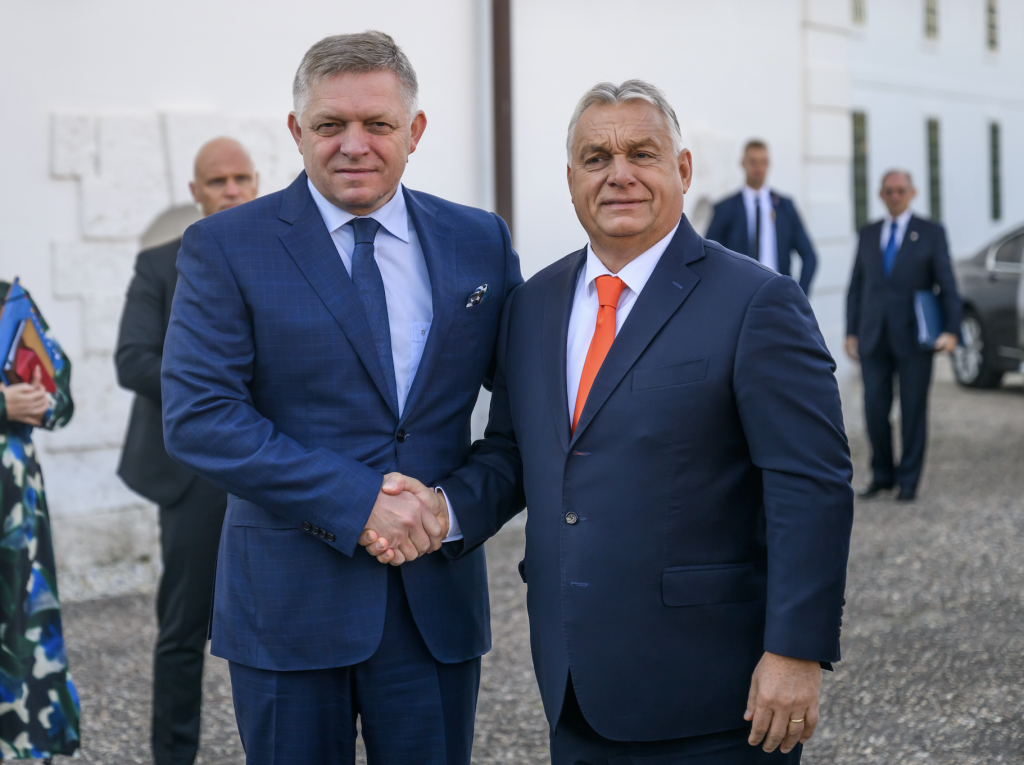
Fico immediately expressed his support for Orbán. ‘If the Ukrainian president continues like this, other EU member states may also block the €90 billion loan for Ukraine,’ the Slovak prime minister said.
Zelenskyy's comments also prompted a reaction in Brussels. A spokesperson for the European Commission said that threats against leaders of EU member states were unacceptable and called for restraint in public rhetoric.
The dispute escalated further after Hungarian authorities detained seven Ukrainian citizens accompanying an armoured cash transport entering the country. According to Hungarian authorities, the vehicles were carrying about 40 million US dollars, 35 million euros and around nine kilograms of gold. An investigation into possible money laundering was launched.
Ukrainian Foreign Minister Andrii Sybiha reacted sharply, describing the detained Ukrainians on X as hostages and accusing Hungary of ‘state terrorism and gangsterism’. Kyiv said it reserved the right to respond with ‘appropriate measures’, including sanctions.

Two Moscow agents
While the governments in Budapest and Bratislava say they are seeking at least basic information about what actually happened at the Brody station, the Slovak opposition has taken a markedly different position and sided firmly with Ukraine.
Ivan Korčok (PS) said the disruption of Druzhba was the result of Russian attacks on Ukrainian infrastructure and criticised the Slovak government for what he described as a failure to communicate normally with Kyiv.
Korčok also argued that Zelenskyy rejected the joint Hungarian–Slovak mission because he did not want to allow ‘two Moscow agents’ into strategic infrastructure. According to him, mistrust in relations has deepened after years of sharp rhetoric between the governments.
Support for Ukraine from Slovakia has nevertheless been substantial. According to data from the Kiel Institute for the World Economy, the country has provided roughly €3.5 billion in aid since the start of the war in February 2022.
Most of that amount – more than €2.7 billion – has been spent on supporting Ukrainian refugees in Slovakia. Around €100 million went to humanitarian assistance.
The remainder was delivered in the form of military equipment worth almost €700 million, including the S-300 air defence system.
Playing for time
Ukraine appears to be playing for time. Until recently, Brussels expected that Kyiv could run into financial difficulties as early as the beginning of April. The latest forecasts now point to the end of the month.
That would mean several additional weeks – just until after the Hungarian parliamentary elections on 12 April, in which opposition leader Péter Magyar could defeat Viktor Orbán and lift the veto on the EU aid package.
If Hungary were to drop its opposition, Ukraine’s financial position would improve significantly.
However, the strategy could be undermined if Robert Fico follows through on his warnings and Slovakia also blocks the package. Ukraine’s already fragile budget would struggle to withstand such pressure for long.
Fico has also hinted at another issue on which he could side with Orbán – halting further steps towards Ukraine’s integration into the European Union.
The confrontation between Budapest and Kyiv is increasingly placing Brussels in an uncomfortable position. The European Union depends on Hungarian approval for major financial decisions, while at the same time trying to maintain political unity behind Ukraine.
The dispute over the Brody station may therefore deepen divisions within the EU about the pace of Ukraine’s integration and the handling of energy transit during the war.