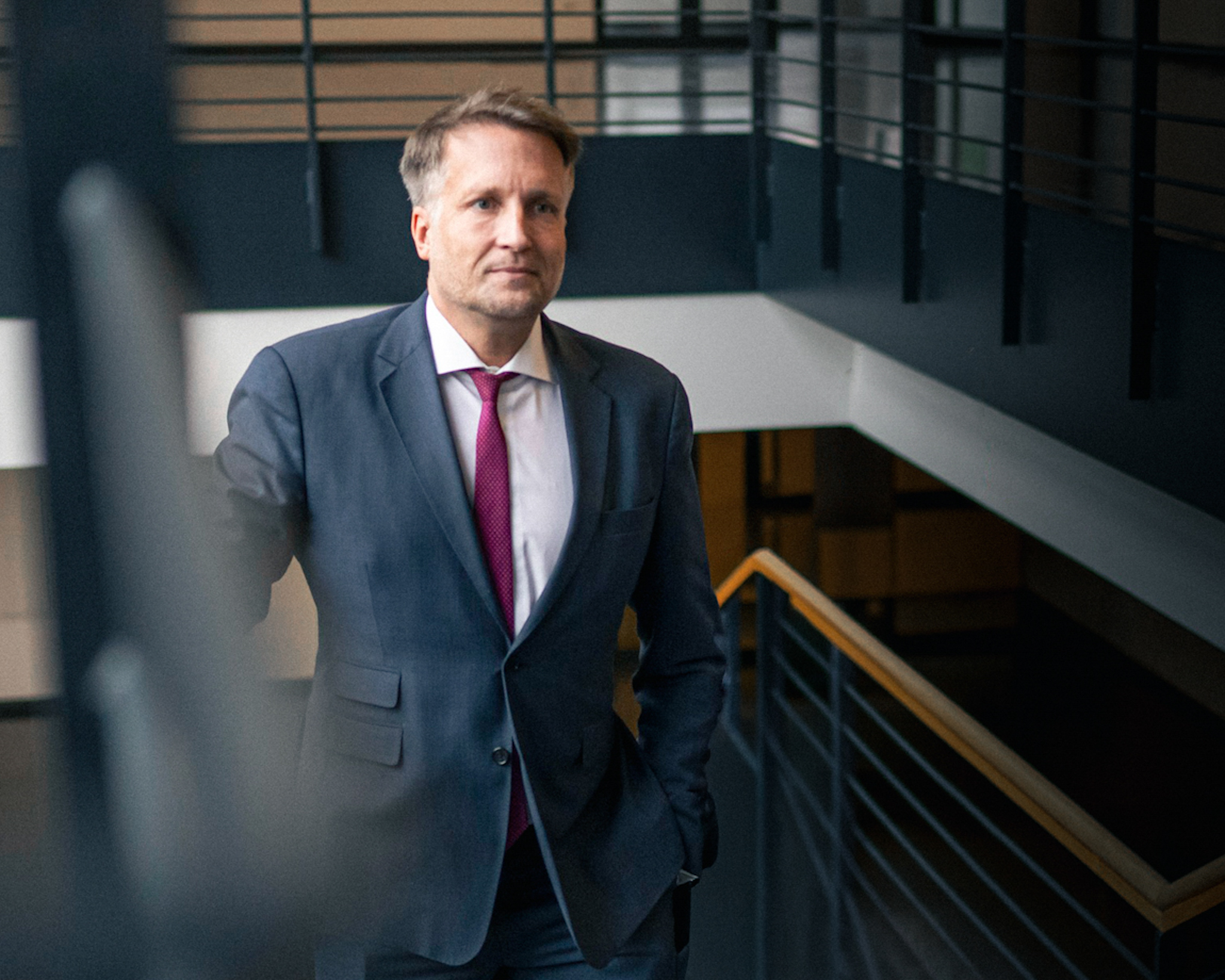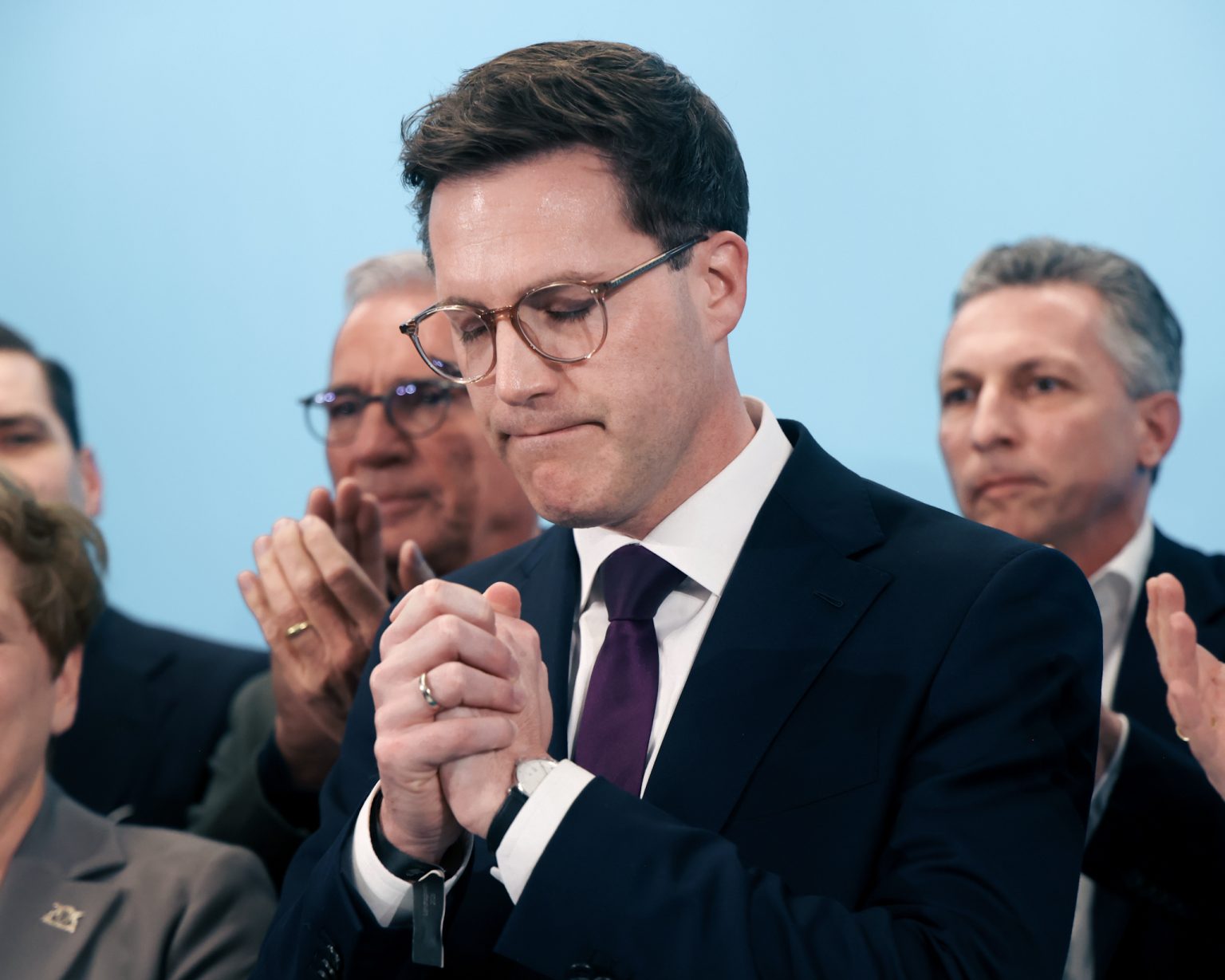
Stuttgart. On Sunday, Baden-Württemberg elected a new state parliament. The southern German state was meant to mark the start of a super election year with five state elections and three local ballots. For the CDU in particular, it was supposed to launch a hoped-for series of victories. As it turned out, Manuel Hagel’s poor result was largely self-inflicted. The CDU demonstrated with remarkable skill how to lose an election that had almost been considered safe.
Only five months ago, the CDU’s lead candidate in Baden-Württemberg held a 15-point lead over his rival Cem Özdemir of the Greens. The former Green Party leader and agriculture minister had seemed destined to lose. Besides the CDU, the AfD was widely expected to be among the election’s winners. Everyone else, it was assumed, would lose ground.
A tragic figure
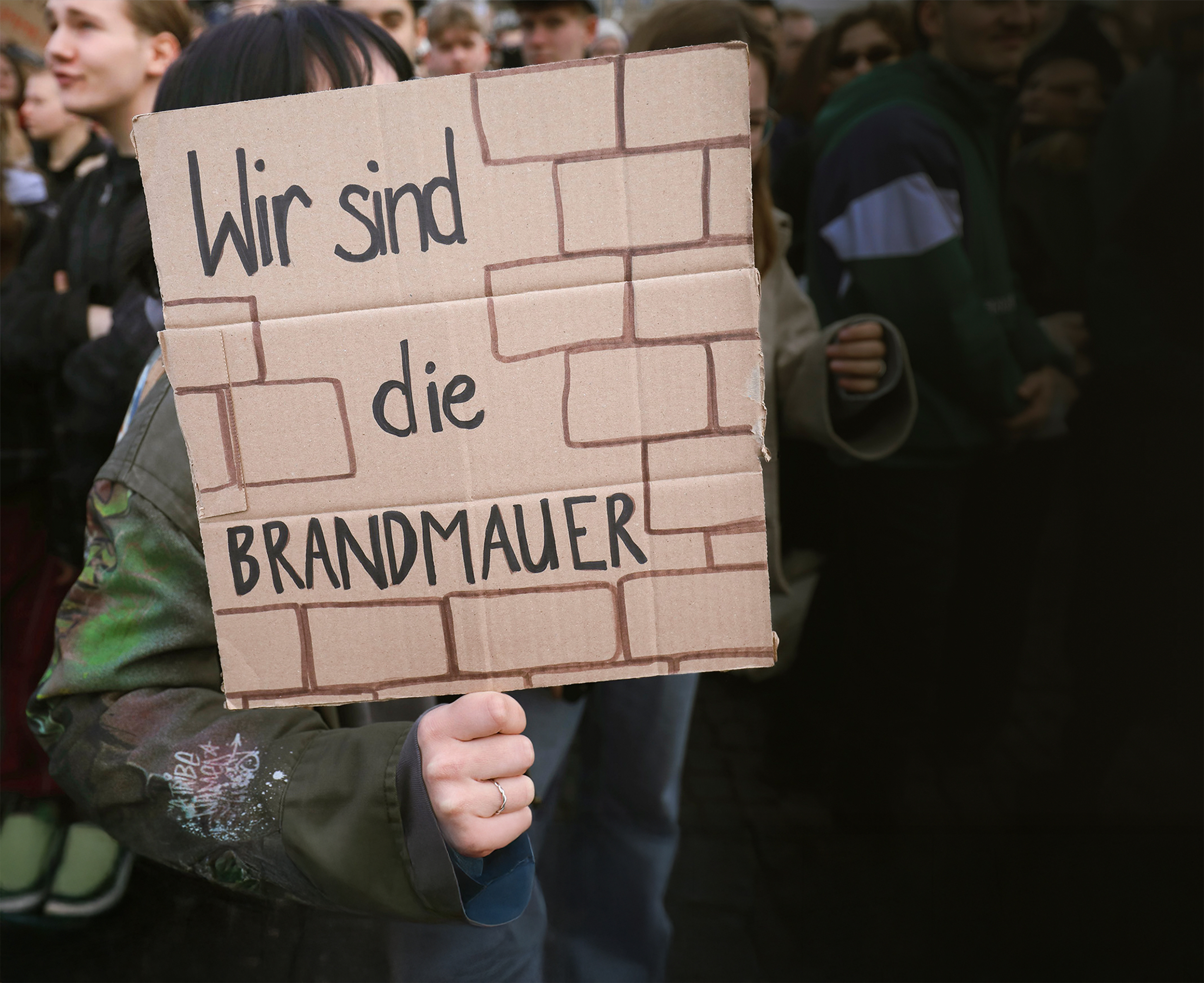
Manuel Hagel nevertheless managed to emerge from this situation as the tragic loser of the election. Considerable ineptitude was required to squander such an advantage. The recipe for losing the race, however, was fairly simple. First, present a candidate who does little more than embody the image of the perfect son-in-law. Hagel showed no clear policy profile, offered no distinct vision for the state and failed to distance himself from the federal chancellor where it might have been necessary. Instead, he conducted a campaign focused on the ‘firewall’ against the AfD, attacking it with vigour even though it was not a real competitor for power.
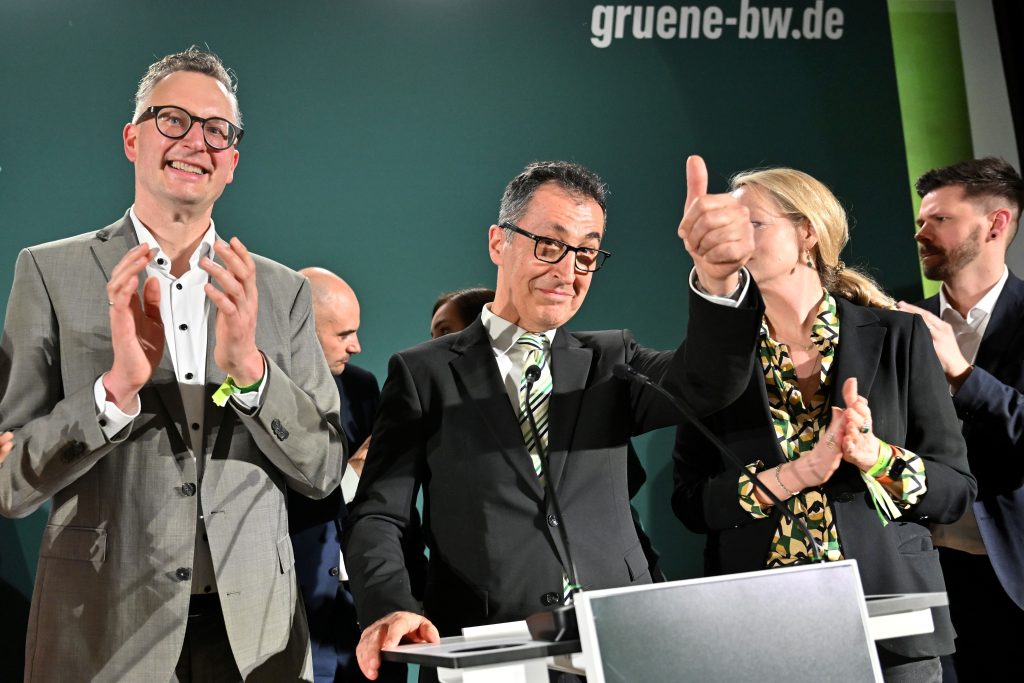
Meanwhile, his main opponent, Green candidate Cem Özdemir, was treated with kid gloves. Hagel repeatedly emphasised how pleasant Özdemir was as a person. At the national level he also resisted any effort to sharpen the CDU’s environmental or climate policy profile by watering down party conference motions. Such a stance might have distinguished the party from the Greens, but Hagel was careful not to offend them.
Why not vote for the real thing?
From this mixture grew a conviction among voters in Baden-Württemberg that a Green-led government would emerge regardless of the outcome. Long before election day it appeared certain that the current coalition would continue in office. Many voters concluded that if a Green government was inevitable, they might as well vote for the Greens themselves. The Social Democrats struggled even to clear the parliamentary threshold and finished with 5.5 per cent. The FDP had no realistic chance of winning seats at all. Week by week, Manuel Hagel’s lead melted away.
As a reward for the CDU’s polite approach, the Greens presented the friendly Manuel with a smear campaign shortly before the vote, costing him the final remaining points of his lead. A seven-year-old video was used to portray the model son-in-law as a sleazy sexist, and the resulting storm of outrage was eagerly fuelled. Özdemir himself merely had to distance himself from the campaign – a gesture that soon helped carry him into the office of minister-president. The outcome is well known: the Greens won an election that had once appeared unwinnable.
Other options existed
For Hagel, who had been widely seen – even at the CDU headquarters in Berlin – as the likely victor, the state chancellery in Stuttgart has now slipped out of reach. That is despite the theoretical possibility of an alternative majority or a minority government supported by other parties. It would not be the first time that the second- and third-largest parliamentary groups formed a government together. A stable majority could exist. Yet the toxic firewall has made even contemplating such an arrangement taboo. In Germany, merely voicing the idea is enough to turn someone into a political outcast.
As a result, the same party will continue to provide the minister-president in a state once regarded as Germany’s model pupil. Until 2011, Baden-Württemberg – the ‘Ländle’ – was considered among the most successful federal states. As recently as 2005, it ranked third among the world’s most innovative regions after California and Massachusetts.
Today, Stuttgart is building a railway station that never seems to be finished while proudly pointing to its 8,000 kilometres of signposted cycle paths. Germany’s traditional car state is now working towards making cycling account for 20 per cent of all traffic by 2030. While roads deteriorate, energy prices rise and industry warns of large-scale job cuts, the state is constructing 20 long-distance cycle routes under so-called infrastructure projects that few people will ever need. That is the policy direction Baden-Württemberg will continue to follow, thanks to Manuel Hagel’s failure and the firewall maintained at all costs.
Disappointment in Berlin
At CDU headquarters in Berlin the mood is one of deep disappointment. Victory in Baden-Württemberg had been expected to provide much-needed relief for the already weakened federal chancellor. With approval ratings even lower than those of Olaf Scholz, Friedrich Merz urgently needed a win. The result now also reflects poorly on him. The chancellor and CDU leader cannot place all the blame on Hagel, after all it was the party that chose him as its candidate.
In Rhineland-Palatinate, where the Social Democrat Alexander Schweizer currently governs and elections will be held in two weeks, the CDU is predicted to face a close race with the SPD. At present the CDU holds a narrow lead. If it also fails to win in Rhineland-Palatinate, the outlook for Friedrich Merz will be bleak. Yet even there one outcome already seems clear. The AfD is expected to more than double its result from 2021.