
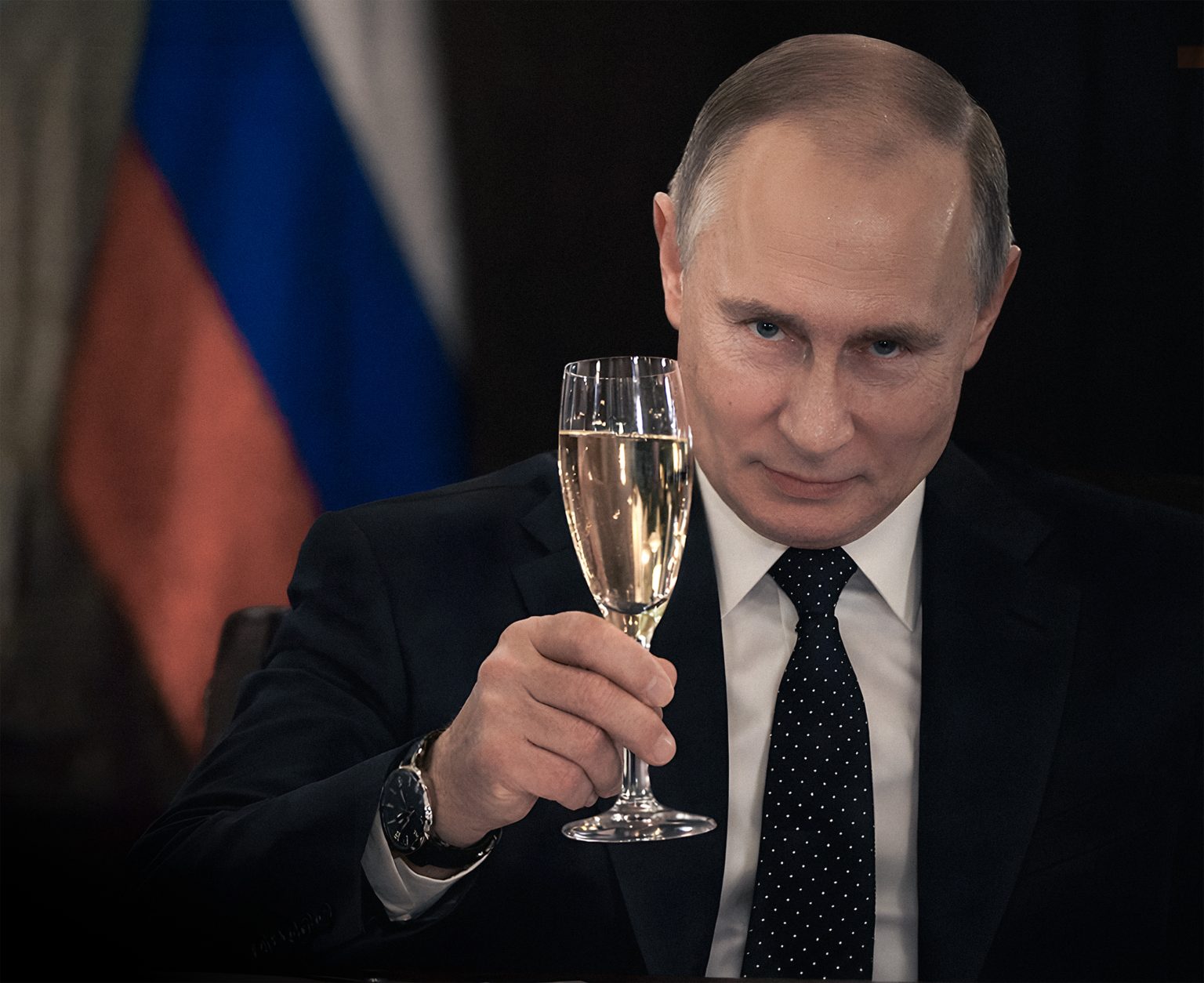
The Wall Street Journal wrote over the weekend that Russia has emerged as the ‘big winner’ of the energy crisis triggered by the war in the Persian Gulf.
For the Kremlin, last week’s extraordinary surge in oil and natural gas prices has come as a lifeline. The economy has been weakening not only because of Western sanctions but also because energy prices had remained relatively low.
As the conflict disrupts production and exports in parts of the Middle East, Russia is regaining importance as an alternative supplier. The administration of US President Donald Trump has also taken steps that ease pressure on Moscow.
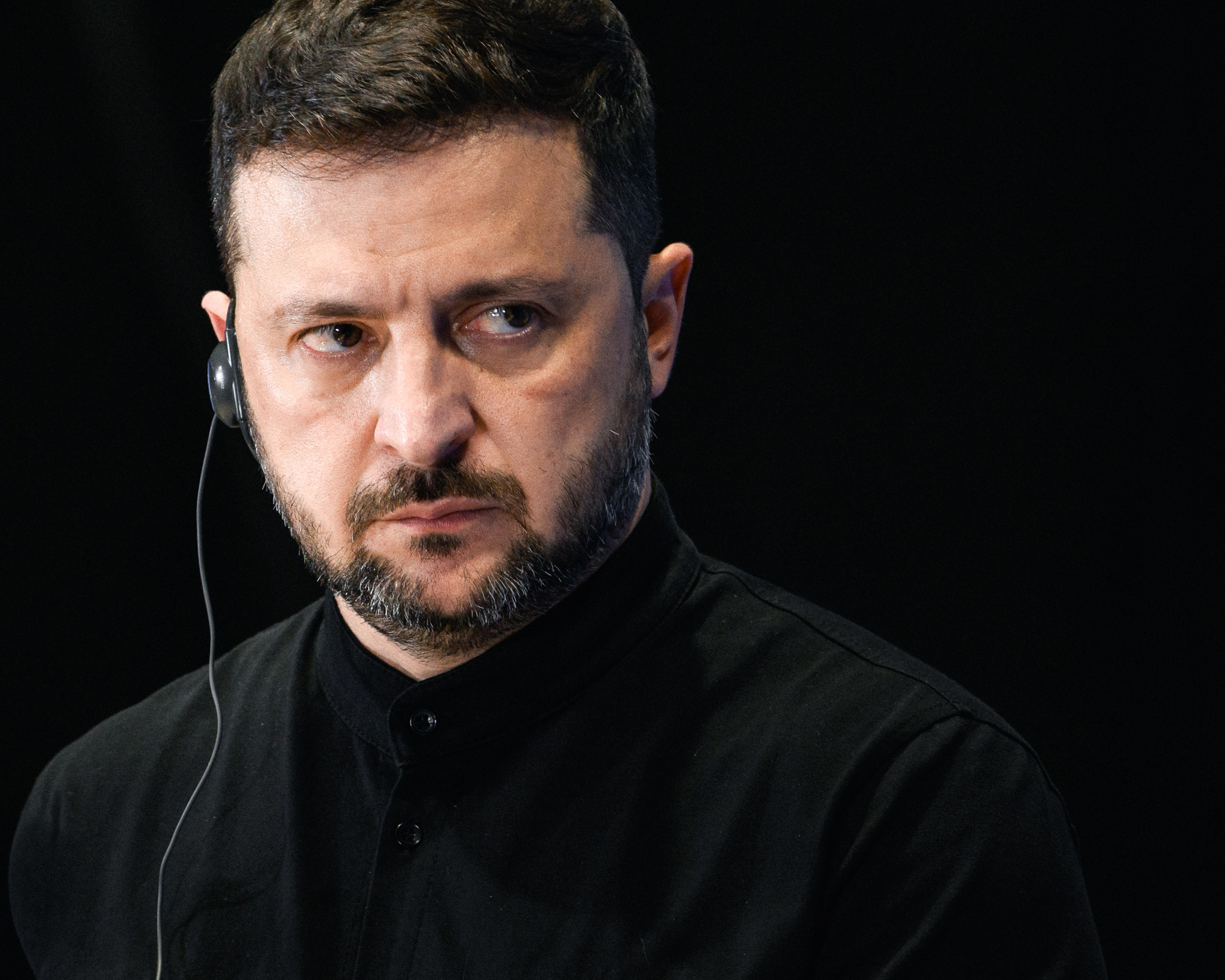
US grants exemptions
On Friday, the US Treasury Department granted India a one-month exemption allowing it to purchase Russian oil cargoes that had already been loaded onto tankers. Some shipments had effectively been stranded at sea because of sanctions introduced by Trump.
Earlier this year India pledged to halt purchases of Russian oil, a step for which Trump ‘rewarded’ it by cancelling a 25 per cent secondary tariff. The policy was later undermined by a US Supreme Court ruling that limited the president’s authority to impose such tariffs under emergency powers.
A conciliatory step was also taken towards the German subsidiary of the Russian state oil giant Rosneft, which benefited from sanctions relief on Friday. The company holds stakes in three German refineries that together account for about 12 per cent of Germany’s total refining capacity.
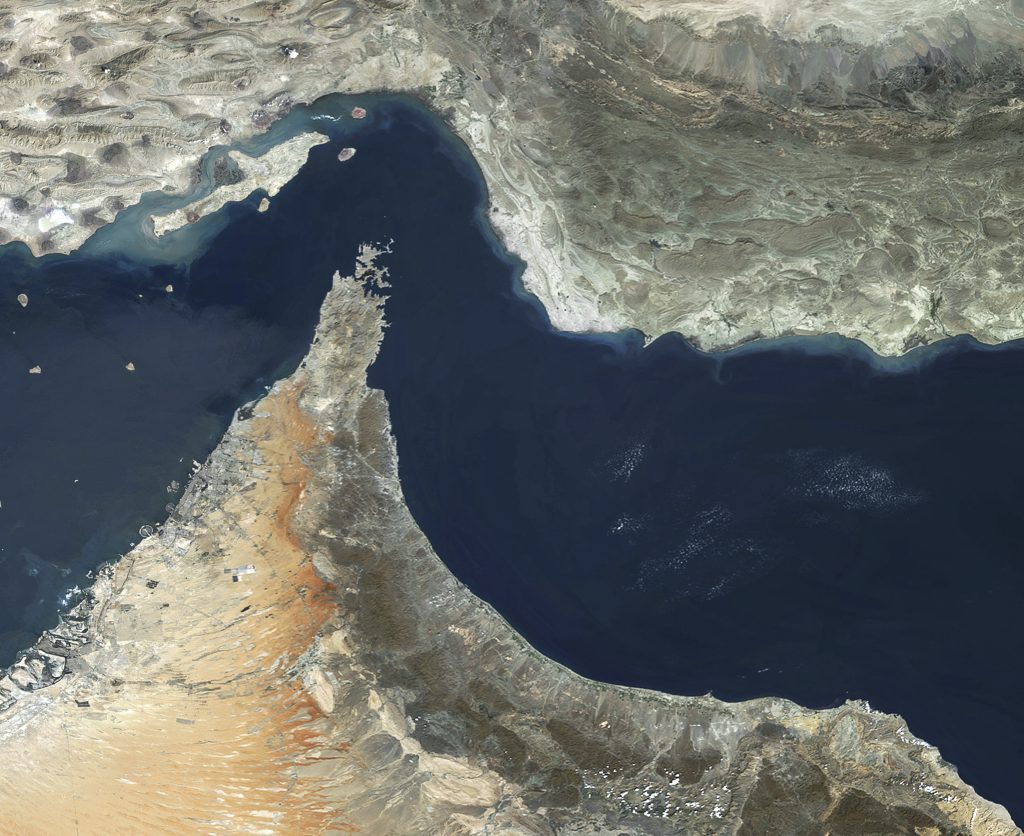
Washington has indicated that it is willing to ease some sanctions in order to relieve pressure on global energy markets, particularly for oil and gas. The expectation is that a greater flow of previously restricted Russian supplies will increase global availability and help cushion the price shock caused by last week’s closure of the Strait of Hormuz.
Iran has so far managed to deter commercial vessels and tankers from using the strait – the most important artery of global energy trade – through a series of attacks and threats.
Possible implications for the Czech Republic
The situation is also relevant for the Czech Republic. Oil processed in German refineries partly owned by Rosneft affects the supply of fuel – and its price – in the country. According to the Czech Statistical Office, more than 71 per cent of Czech oil products were imported from Germany last year.
The value of those imports of refined petroleum products from Germany exceeded €2.25 billion. If the Rosneft refineries were forced to limit or halt operations because of US sanctions, the price of fuels imported by the Czech Republic would probably rise, followed by higher prices at filling stations.
After Germany, Slovakia was the second-largest supplier of petroleum products to the Czech Republic last year. Its share of imports was roughly 14 per cent, with a value of nearly €0.45 billion.
Slovakia remains heavily dependent on Russian oil and gas. If Moscow were to shut off supplies, Slovak producers would likely reduce exports – including deliveries to the Czech Republic – in order to satisfy domestic demand. That could again push fuel prices higher in the Czech Republic.
Last Wednesday, Russian President Vladimir Putin, apparently influenced by the escalating conflict in Iran and the Persian Gulf, raised the possibility of cutting supplies to Europe.
Europe still imports a significant share of gas from Russia
The continent still obtains about 13 per cent of its imported gas – both pipeline gas and liquefied natural gas – from Russia. By shutting off supplies, Putin could drive gas prices on European markets even higher than they have already risen because of the war in the Persian Gulf. Prices climbed by more than two-thirds last week.
Such a move would not only put pressure on Europe. Moscow would also be likely to find buyers elsewhere, as global demand for Russian energy remains strong, at least as long as the Strait of Hormuz remains effectively closed.
Traders predicted that if the situation in the Middle East did not stabilise quickly – and there were currently no signs of that – the price of Brent crude could exceed the psychological threshold of $100 per barrel this week. Oil passed that level when trading opened on Monday.
How will Slovakia fare?
Growing interest in Russian oil can already be seen in recent market developments. According to the Wall Street Journal, some Indian refineries have received offers for shipments of Russian crude at prices close to the global Brent benchmark, between one and five dollars per barrel. Earlier this year Russian oil was still sold at a discount of more than ten dollars per barrel compared with Brent.
If Putin were to cut supplies to Europe, Slovakia and Hungary would be particularly exposed. Both countries remain dependent on Russian gas and oil imports.
That dependence may explain why Slovakia is now negotiating an increase in gas purchases from Russia so that the country could cover up to 100 per cent of its imports, Reuters reported last week. In 2025 Russia accounted for less than half of Slovakia’s gas imports.

The more gas Bratislava secures from Russia, the more attractive Slovakia may become as a trading partner for Moscow – and the less incentive Putin would have to shut off supplies, Slovak policymakers appear to believe.
Slovakia may also wish to strengthen its position because Hungary may not remain a reliable partner for Russia. If Viktor Orbán fails to retain the premiership in the April elections, Budapest could take steps to reduce its dependence on Russian energy.
From Bratislava’s perspective, the greater its purchases from Russia, the lower the likelihood that Moscow would completely halt supplies to the European Union even if Hungary ceased to be a major customer.
However, if the war in the Persian Gulf continues for a longer period of time, and the closure of the Strait of Hormuz persists, it is possible that even post-Orbán Hungary will lose its appetite for disconnecting from Russian energy supplies. What is more, other EU countries may also begin to consider resuming supplies, including those via the as-yet-unoperational Nord Stream 2 gas pipeline, which connects Russia directly with Germany.
According to Fatih Birol, executive director of the International Energy Agency, the current crisis in the Middle East is already prompting some in Europe to reconsider their long-term energy options.
Birol warns that returning to Russian supplies would be a mistake. In turbulent times, however, political considerations may yield to economic pressure.
The text was originally published on the website lukaskovanda.cz.