
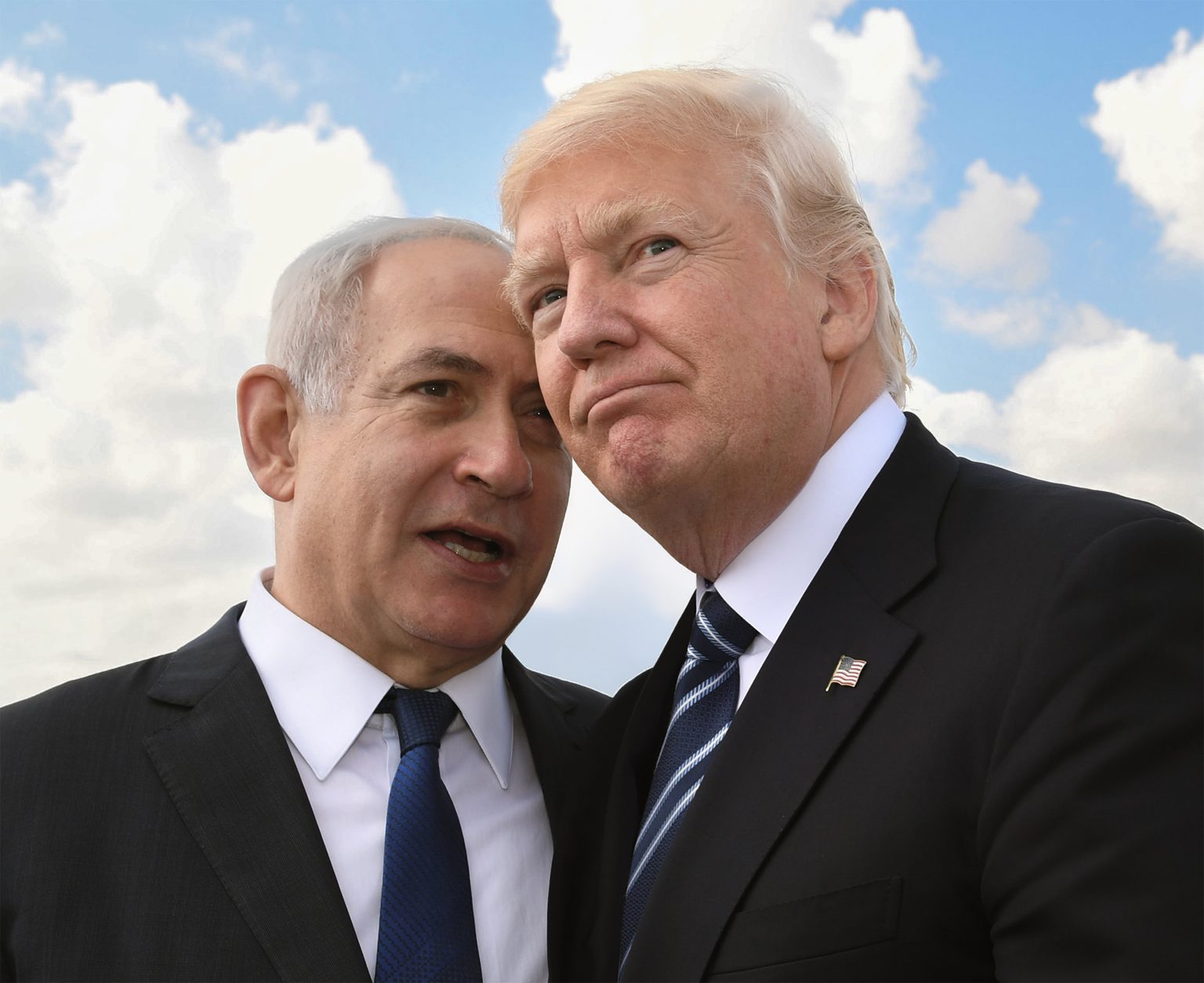
On 28 February the United States and Israel launched a series of strikes against hundreds of targets across the Islamic Republic of Iran. Among those killed in the initial attacks was the country’s supreme leader, Ali Khamenei. Within a week he was succeeded by his son, Mojtaba Khamenei. Other casualties included the commander of the Islamic Revolutionary Guard Corps, Mohammad Pakpour, and the senior Iranian security official Ali Shamkhani, along with dozens of other figures from the country’s political and military leadership.
A rapid escalation
In the first hours after the attacks, US President Donald Trump suggested that the campaign would be short. Later he revised that estimate, saying operations could continue for several weeks if necessary. US Central Command (CENTCOM), which is directing the military effort from its headquarters in Tampa, Florida, subsequently reinforced its planning staff with additional intelligence officers from the Pentagon.
Trump later declared that Iran had suffered ‘serious damage’ and demanded unconditional surrender. He also insisted that the United States should have a say in the selection of Iran’s next leader. When Mojtaba Khamenei emerged as the leading candidate, Trump dismissed him as a ‘lightweight’ and described the choice as ‘unacceptable’. After the clerical assembly formally elected him, the president said he was ‘disappointed’ by the decision.
The cost of war
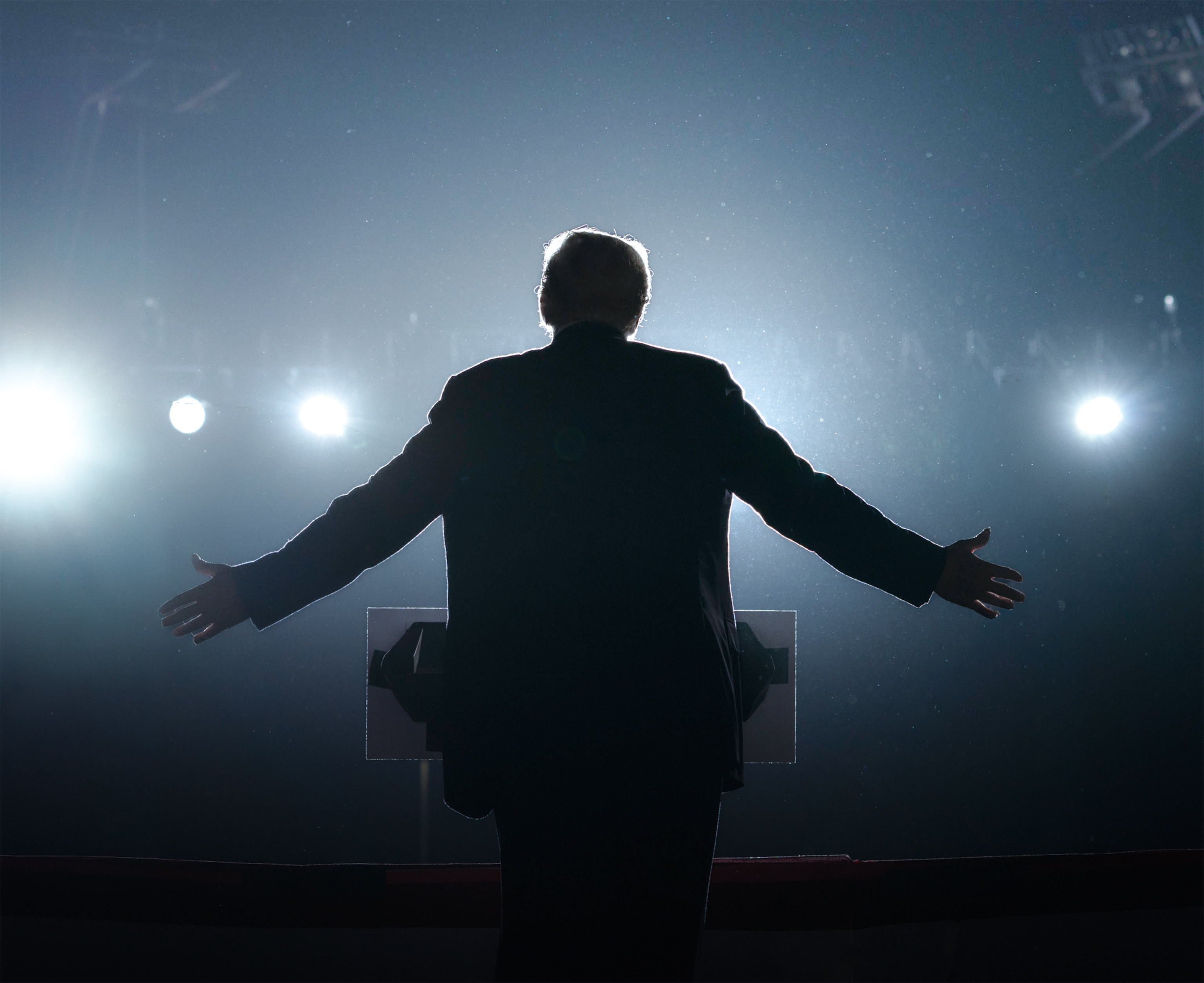
The conflict has already generated enormous military expenditure. According to a congressional estimate, the United States spent roughly $5.6 billion on offensive operations on the first day of the campaign alone. In the first week, the allies used roughly 40 billion dollars’ worth of air defence missiles. The scale of the costs has revived debate in Washington about the limits of presidential war powers and the long-term sustainability of the operation.
A report in the Financial Times drew attention to the large number of Tomahawk missiles launched since the beginning of the campaign. Sources cited by the newspaper suggested that the strikes may have consumed a significant share of the weapons normally used over the course of a year. The discussion in Washington has therefore increasingly focused on the cost of modern air defence – particularly the question of whether it makes strategic sense to intercept relatively cheap drones with interceptor missiles worth millions of dollars.
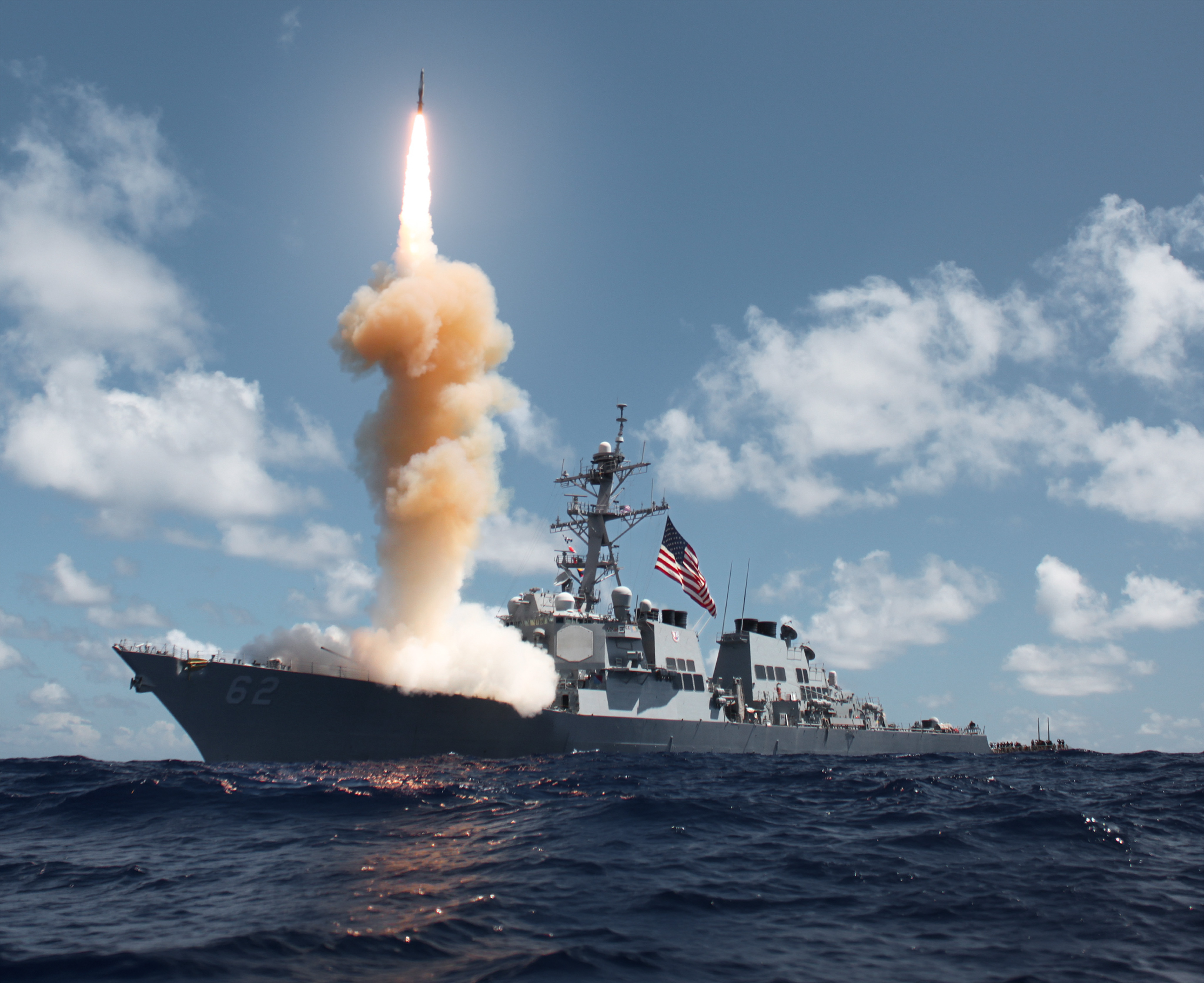
The war is also beginning to affect broader military planning. Lockheed Martin produces hundreds of interceptor missiles each year, weapons that are used not only by the United States but also by its allies. Analysts cited by Politico have warned that increased demand generated by the war with Iran could place additional pressure on global air-defence supplies, including those destined for Ukraine.
In Washington the scope of the campaign remains the subject of political debate. Some advisers close to the administration have emphasised that the military operation is intended to remain limited and focused on specific strategic objectives. Others, including Republican senators such as Lindsey Graham and Tom Cotton, have argued that the United States should maintain maximum pressure on Tehran.
Israel, for its part, faces its own strategic calculations. The country has spent decades building a layered air-defence network designed to protect its population from missile attacks. The system operates in several tiers. At the lowest altitude the Iron Dome intercepts short-range rockets within roughly 70 kilometres. Above that range the David’s Sling system targets medium-range missiles, while the Arrow-2 and Arrow-3 systems are designed to intercept ballistic missiles outside the atmosphere.
At the outset of the war Israeli planners hoped that the elimination of several senior Iranian leaders might trigger renewed protests inside Iran. Monarchist opposition groups had been organising demonstrations since late 2025. So far, however, the expected internal uprising has not materialised. Instead, reports suggest that the external attack has largely strengthened domestic unity in the face of foreign pressure.
A widening conflict
In the days following the initial strikes, Iran launched missile and drone attacks against Israeli territory. Israeli air-defence systems intercepted most of the projectiles, though several missiles reportedly struck military facilities and infrastructure. The exchanges marked a rare direct military confrontation between the two countries.
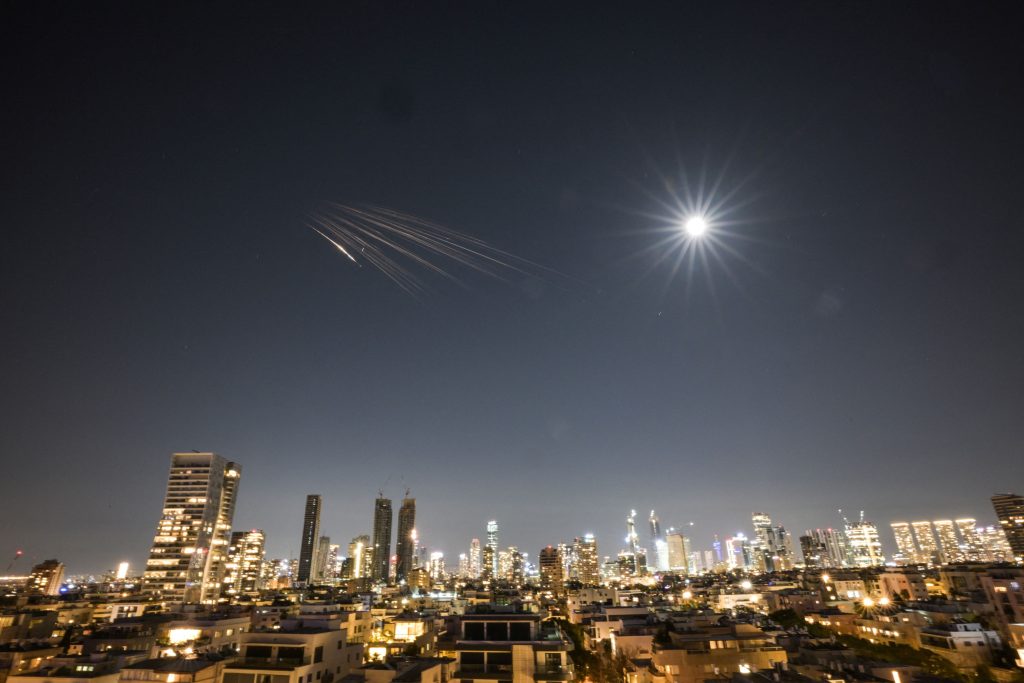
The conflict is also beginning to reverberate across the wider region. Iran has carried out retaliatory strikes against American military facilities and energy infrastructure in several Gulf states, including the United Arab Emirates, Bahrain and Qatar. Tensions have also risen along Israel’s northern border with Lebanon, where the Iran-backed Hezbollah movement remains a potential flashpoint. Demonstrations targeting American interests have also taken place in Pakistan, while US security agencies have warned of the possibility of attacks on American soil.
These developments have increased concern that the war could widen further. According to Reuters, some Israeli officials are now discussing scenarios that might prevent the conflict from spreading across the Middle East.
‘I’m not sure it’s in our interest to fight until the regime is overthrown,’ one Israeli official told Washington Post columnist David Ignatius. ‘No one wants a never-ending story.’
What comes next
For the moment the outcome of the campaign remains uncertain. Some Israeli security officials argue that the destruction of parts of Iran’s missile and nuclear infrastructure has already significantly weakened the country’s military capabilities. Others caution that the objectives of the war appear to be evolving as the conflict continues.
Prime Minister Benjamin Netanyahu has also adjusted his public rhetoric during the first weeks of the campaign. While early statements emphasised decisive military action against the Iranian leadership, later speeches have placed greater emphasis on the role of the Iranian people and the possibility that internal political pressure could eventually reshape the country’s leadership.
Commentary in the Israeli newspaper Haaretz has suggested that the war may also be reshaping perceptions of Israel in parts of the Gulf. Before the war in Gaza, several Arab states had begun to view Israel as a counterweight to Iranian influence in the region. Since then, however, the regional balance has become more uncertain.
In Washington the strategic debate is evolving as well. The Economist has argued that the White House may ultimately favour an outcome that stops short of forcing outright regime change in Tehran. Instead, the magazine suggested, the administration could be seeking an end to hostilities that leaves the Iranian state intact while opening the door to negotiations with a different leadership.
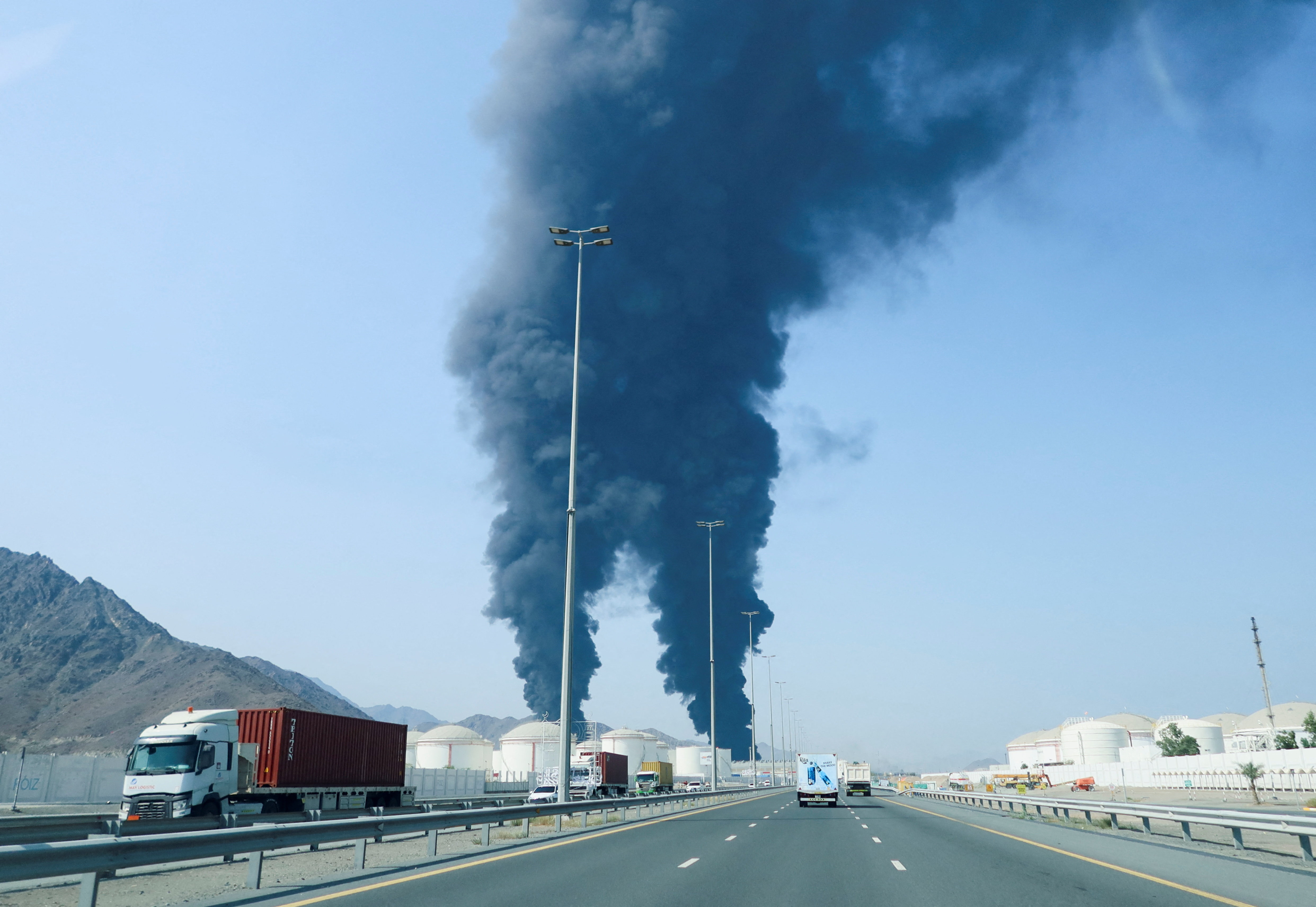
Energy geopolitics remains central to the calculations of the major powers. China continues to buy much of Iran’s oil at discounted prices, often circumventing US sanctions. Trump is expected to meet Chinese President Xi Jinping later this month, and control over the flow of energy through the Strait of Hormuz is likely to be a key issue in those discussions. Washington has also called on allied countries to contribute naval forces to help secure shipping routes in the Gulf, particularly around the Strait of Hormuz, one of the world’s most important energy corridors.
For now the war has entered a new phase of strategic uncertainty. Publicly, Washington and Jerusalem continue to emphasise their close coordination. Yet the longer the conflict continues, the more difficult it may become to contain its regional and political consequences.
Both leaders also face domestic pressures. Netanyahu must contend with elections at home, while Trump will soon confront congressional midterm elections in the United States. The longer the war continues, the more unpredictable its political impact may become.
What began as a rapid attempt to cripple Iran’s leadership has already developed into a broader strategic confrontation. Whether it remains a limited campaign or evolves into a prolonged regional conflict may shape the balance of power in the Middle East for years to come.