Trump gives Iran an ultimatum
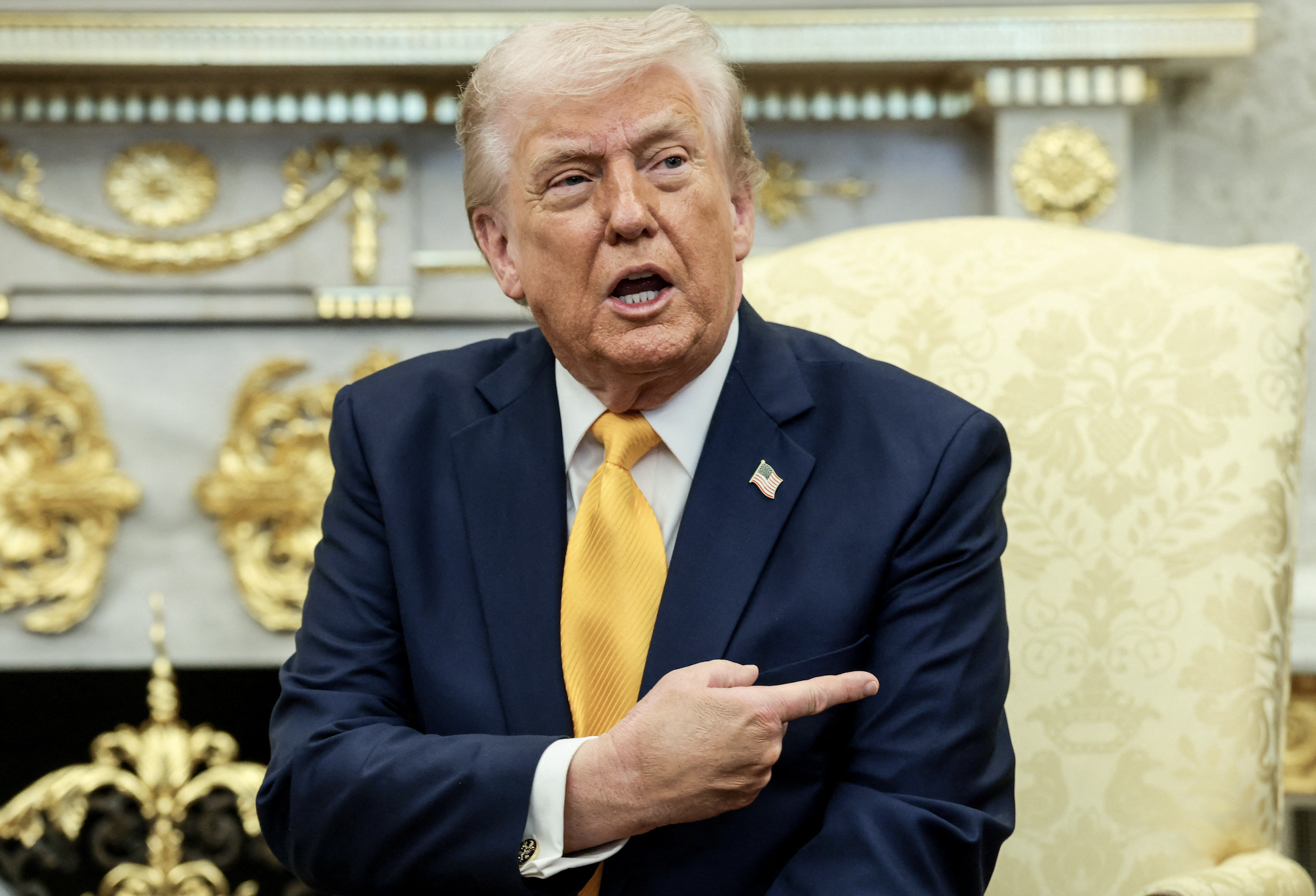
Tensions escalated after US President Donald Trump issued a direct threat of military action against Iran.
He warned that the United States would strike Iranian power plants if the Strait of Hormuz was not fully reopened within 48 hours, he said on Truth Social.
The statement came just a day after he spoke of a possible end to the conflict in the Middle East, which observers say points to a rapid escalation of the situation.
Tehran expands list of potential targets
At the same time, Iran announced that it would consider not only US interests but also energy infrastructure in countries hosting US military bases as legitimate targets.
It also warned of US-backed firms that could be targeted in retaliation, signalling readiness to extend the conflict beyond its territory.
Attacks on desalination plants
The risks are underlined by Iran’s threat to target desalination plants in the water-scarce Gulf states. The danger is particularly acute for desert countries whose populations and economies depend on water production facilities.
While some states, such as Saudi Arabia, Oman and the United Arab Emirates, can draw from more than one sea, others – including Qatar, Bahrain and Kuwait – lie along the Gulf coast with no alternative shoreline, leaving critical desalination facilities exposed to any escalation targeting energy and infrastructure.
Shipping faces restrictions
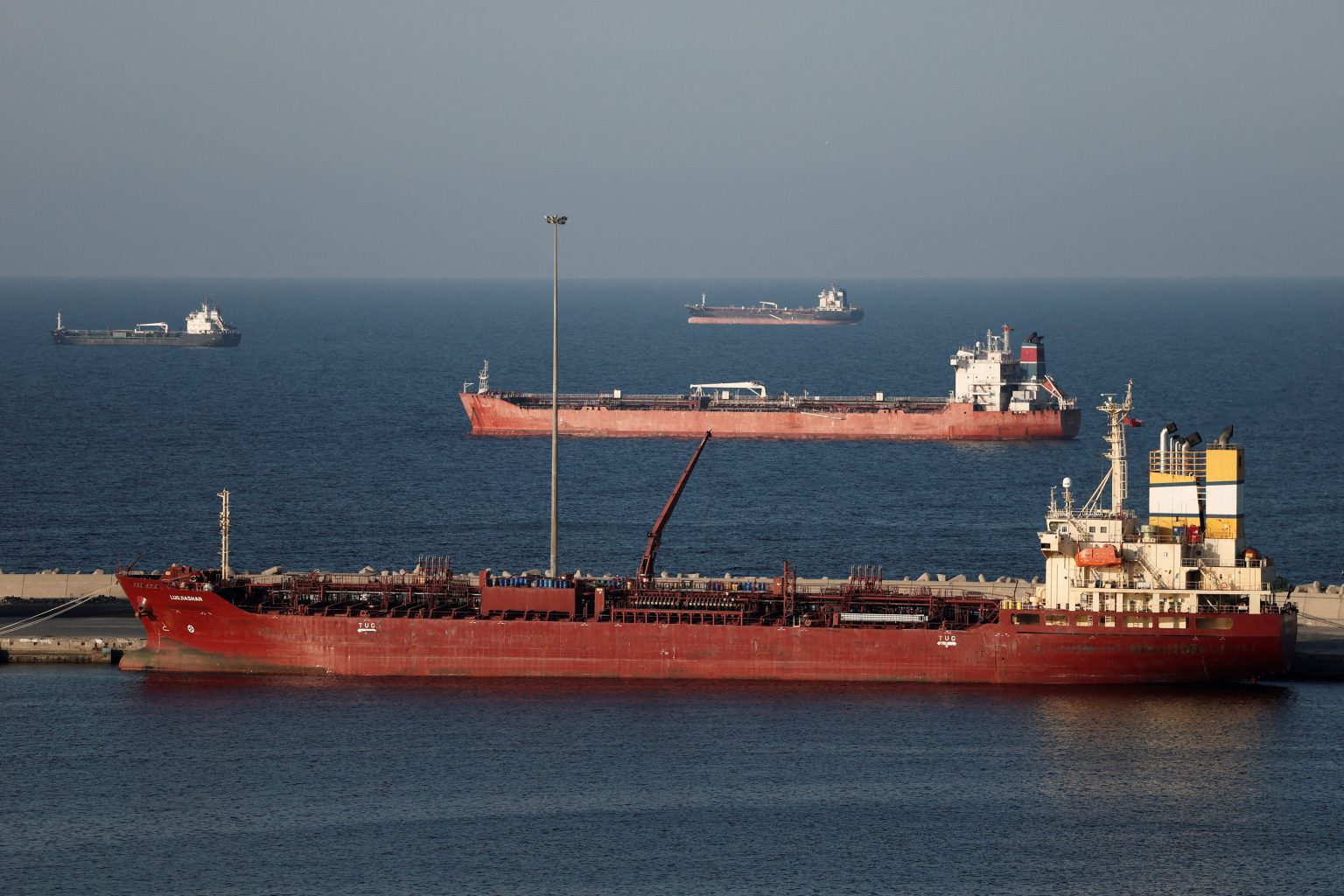
While the Strait of Hormuz remains formally open, Iran has indicated selective restrictions on vessels associated with its adversaries.
According to Iran’s representative to the International Maritime Organization, Ali Mousavi, other ships can pass only with Tehran’s approval.
However, use of the strait has already declined as carriers fear attacks. The conflict between the US, Israel and Iran is beginning to affect global shipping.
Energy prices rise
The escalation is already reflected in energy prices. The prospect of a blockade of the strait and attacks on oil and gas infrastructure in the Middle East has driven prices significantly higher.
Countries dependent on the route have begun to seek alternative transport routes and draw on strategic reserves.
Despite the tough rhetoric, Tehran says its priority remains a diplomatic solution. At the same time, it blames the United States and Israel for the escalation.
(reuters, mja)