
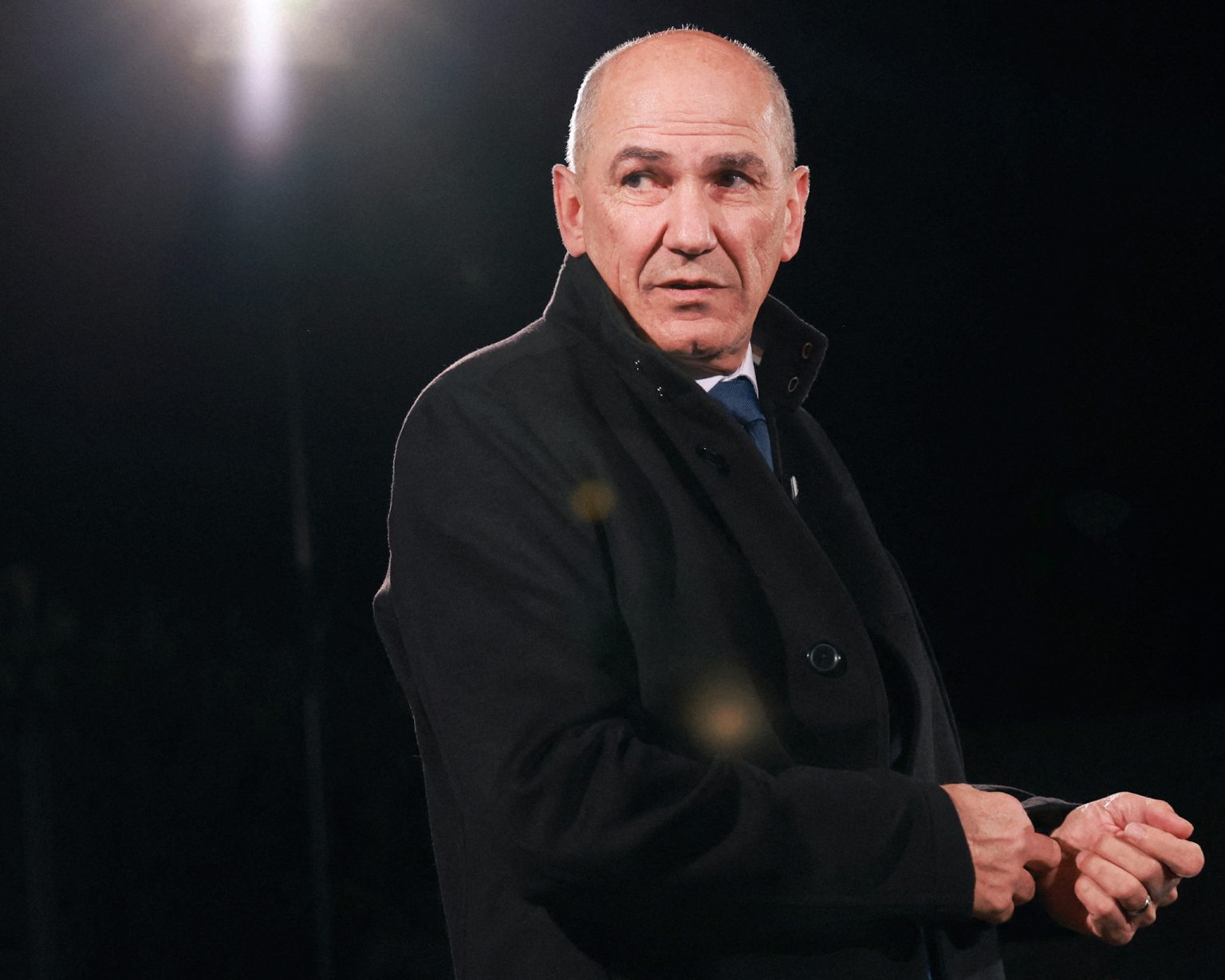
Slovenia faces political deadlock after parliamentary elections delivered no clear winner.
According to preliminary results from the National Electoral Commission, 99.2 per cent of the votes have been counted.
The right-wing Slovenian Democratic Party (SDS), led by former prime minister Janez Janša, holds a narrow lead over the liberal Freedom Movement (GS), headed by incumbent prime minister Robert Golob, the commission said.
With most votes counted, no party appears likely to secure the 46 seats needed for a majority in the 90-member parliament, leaving smaller parties above the 4 per cent threshold as potential kingmakers.
Based on 82.32 per cent of ballots counted, SDS has 29 seats, closely followed by GS with 28. Together with SDS-aligned parties, Janša’s bloc has 44 seats, while Golob’s camp has 39.
Polls had previously shown Golob’s party ahead, prompting celebrations among his supporters.
‘We have done a great job, a great campaign, and Slovenia will move in the right direction,’ said Miha Lamut, a candidate for GS. ‘Of course, forming a new government will be a challenge, but we are not afraid of it.’
Janša said he would not accept a minority government.
Both camps argue that the election will determine Slovenia’s future course. Under Golob, the country has pursued a liberal, pro-European agenda focused on social reform and a foreign policy aligned with European partners that have backed an independent Palestinian state and imposed an arms embargo on Israel.
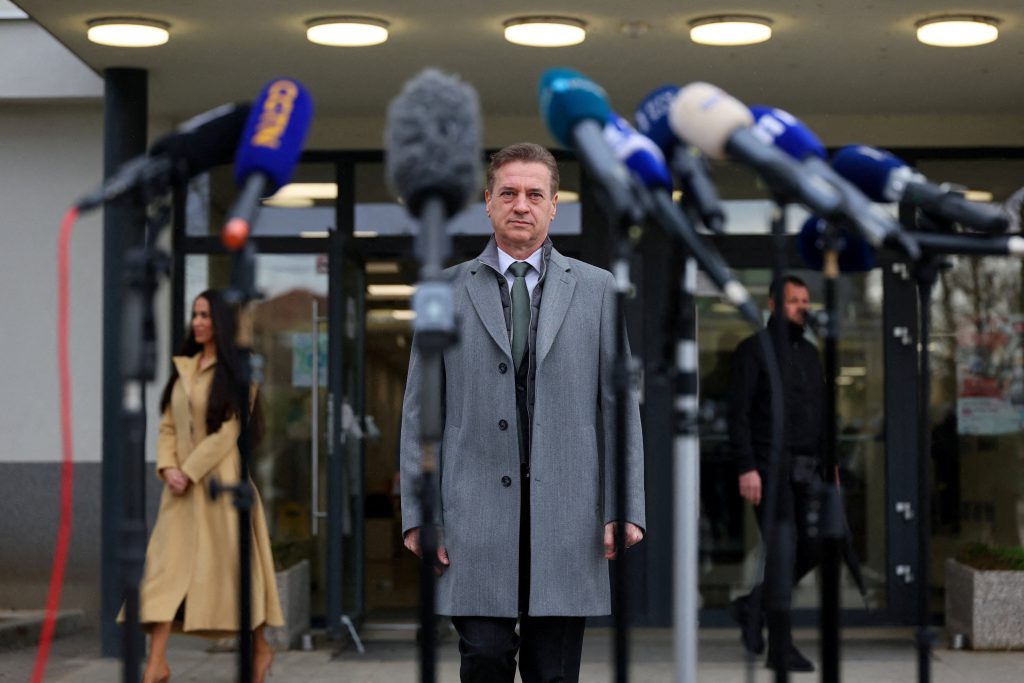
Janša has pledged tax cuts for businesses and reductions in funding for NGOs, social welfare and the media. He is also an ally of Hungarian prime minister Viktor Orbán and a supporter of US president Donald Trump, signalling a potential shift in the country’s international orientation.
‘We can wait, but the question is whether Slovenia can wait (four more years),’ said Janša, who accused Golob’s government of corruption.
As voters went to the polls on Sunday, long queues formed at petrol stations after the government had imposed restrictions on fuel purchases, partly driven by cross-border refuelling and stockpiling in the wake of the Iran war.
The campaign intensified this month after undercover videos were posted on an anonymous website that allegedly exposed corruption within the government.
A separate scandal involving representatives of the Israeli private intelligence firm Black Cube, which was alleged to have influenced the election, also emerged.
(reuters, im)