
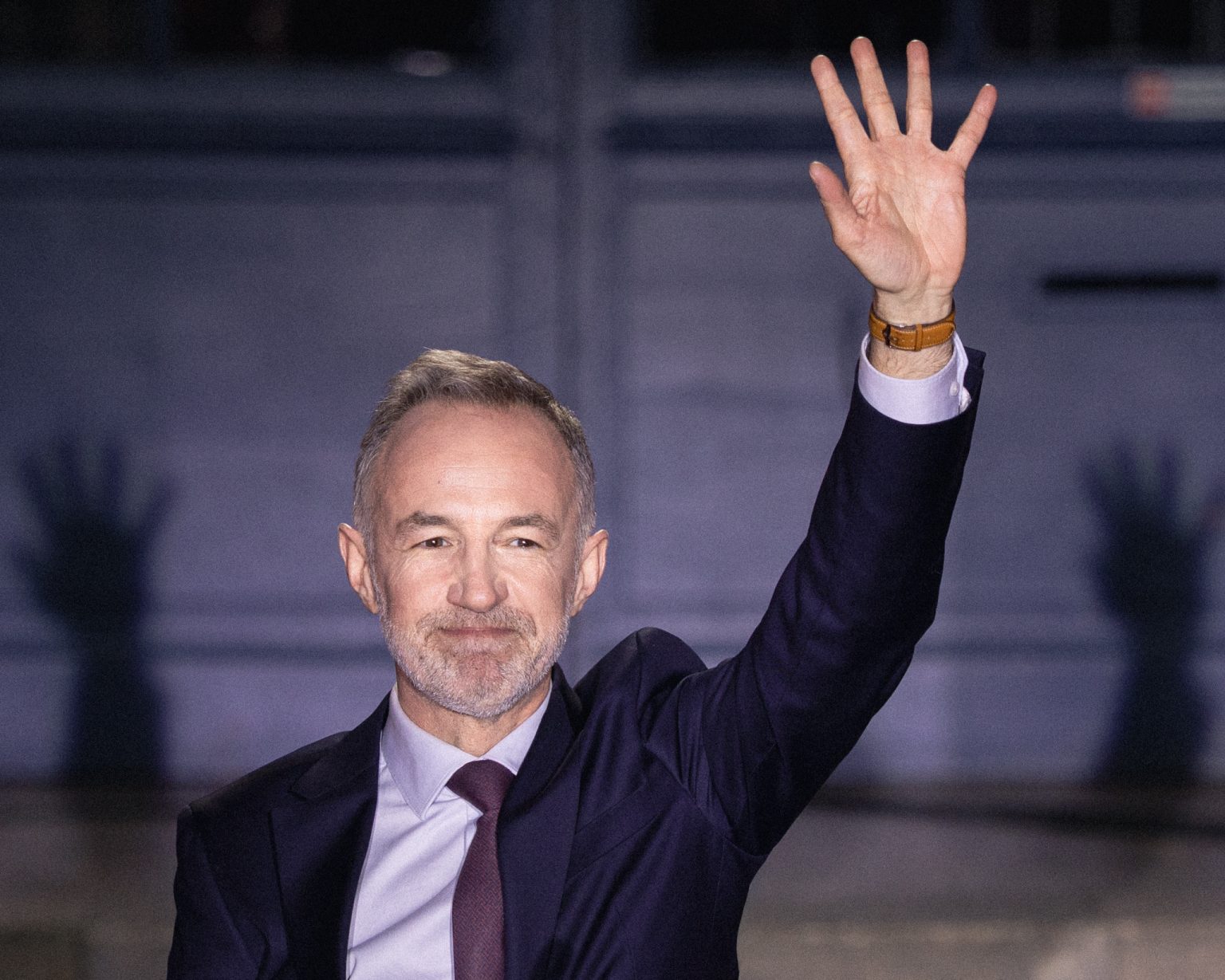
France has struggled with centralisation since the Jacobin era. Paris remains the undisputed centre of political life, and for many citizens outside the major urban hubs, the mayor is the most tangible symbol of political authority.
Mayors operate close to the ground. Beyond the routine challenges of running a city, they often assist residents in navigating the complexities of the centralised administration. That direct contact helps sustain public trust, even as confidence in national politics and systemic solutions declines.
The limits of a local test
Municipal elections in France are being closely watched, not least because they may be the last nationwide vote before the 2027 presidential election. While the dissolution of parliament and snap elections cannot be ruled out, they would be unlikely to alter the broader political picture.
France’s political system is structured in a way that makes it difficult to remove a sitting president from power. Only the election of a new head of state can reset direction and provide a longer-term vision. Although some commentators framed the municipal vote as a rehearsal for the presidential contest, the aggregate results are potentially misleading, as they were dominated by groupings without a clear national party identity.
Official statistics from the Ministry of the Interior suggest victory for a diffuse bloc labelled Divers droite, Divers gauche or simply Divers. Yet these are not coherent parties but administrative categories.
They encompass thousands of local coalitions, civic lists and independent candidates unwilling to align themselves with a centrally imposed party label. Even so, most remain loosely anchored in the traditional left–right divide, historically represented by the Republicans and the Socialist Party. Together with these independent formations, those two parties emerged as the principal beneficiaries of the vote.
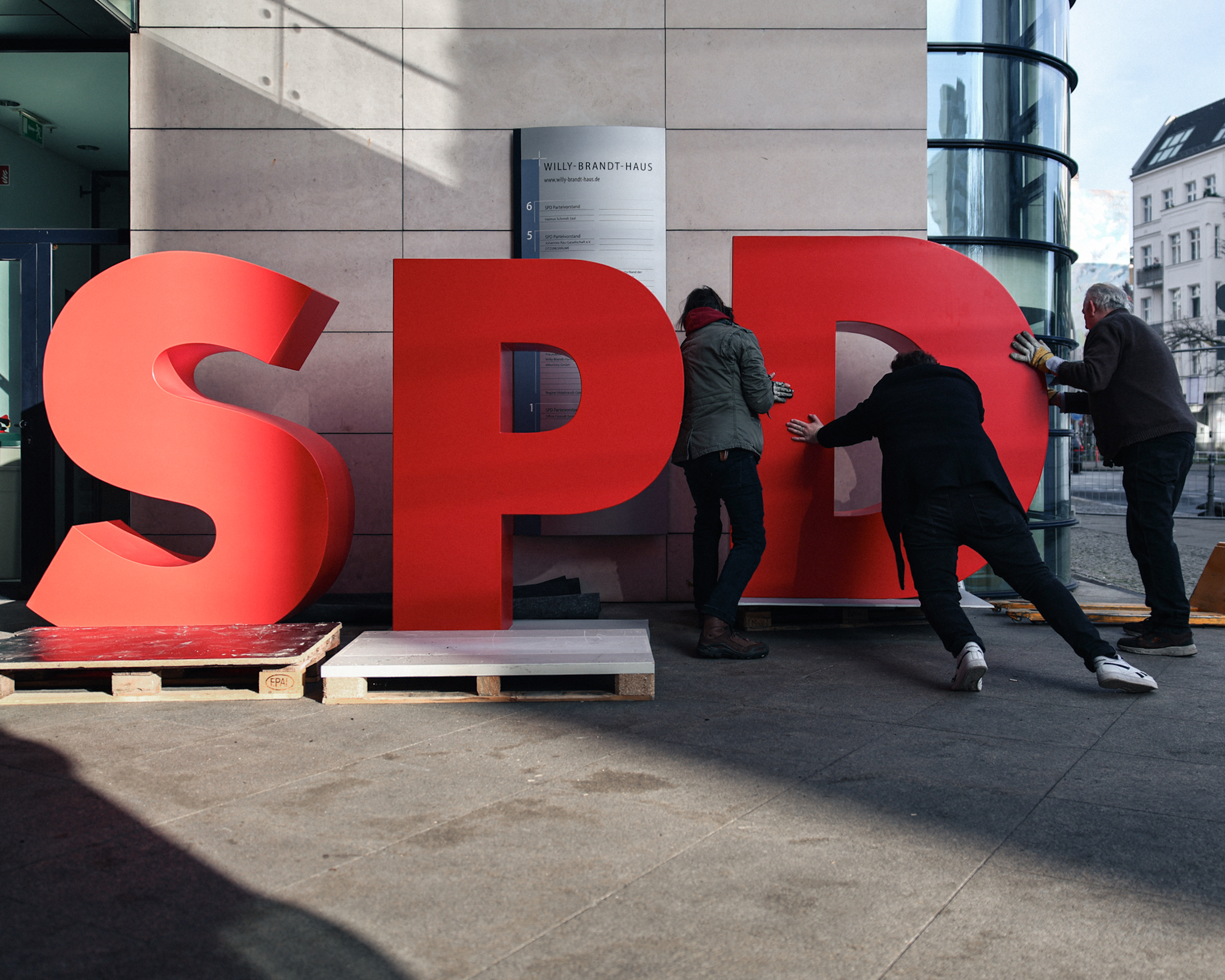
Nostalgia by default
Whether that success can be translated into the presidential race is another matter. At present, the answer appears to be no. Their local strength rests largely on the continued existence of organisational networks in smaller towns and rural areas.
When Emmanuel Macron first won the presidency, his newly founded movement was marked by a shallow membership base, drawing heavily on defectors and independents. Other newer political forces face similar structural weaknesses.
A second factor is nostalgia. For many voters, backing the traditional parties reflects a longing for a more stable political era. That dynamic has particularly benefited the Socialists, who retained control of Paris and secured several major cities including Nantes, Montpellier, Strasbourg and Lille.
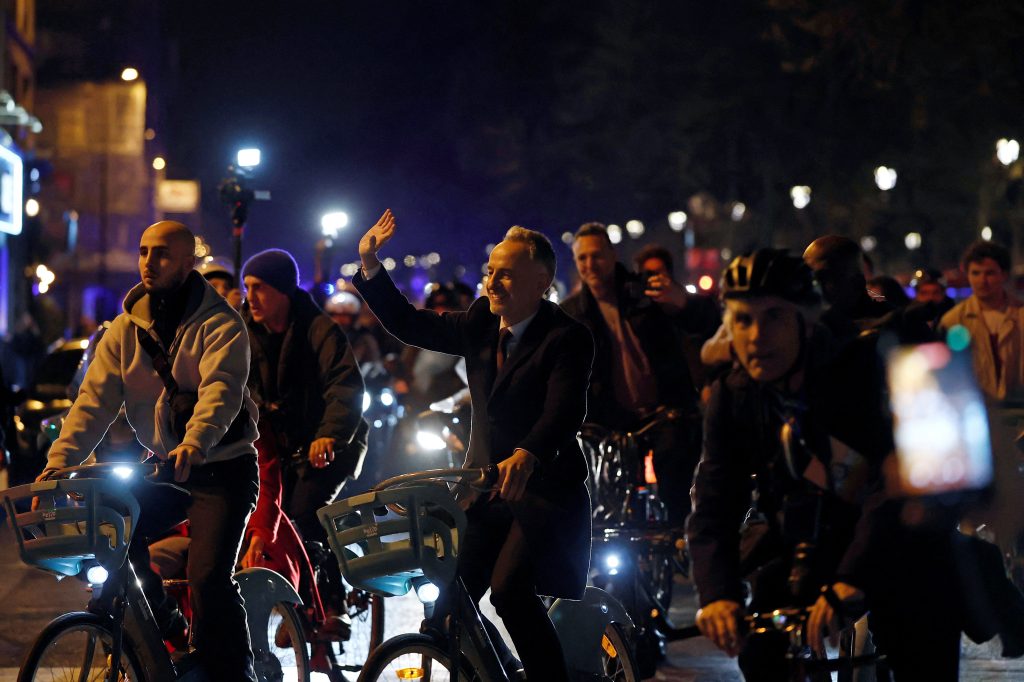
Attention in the capital focused on Emmanuel Grégoire, who arrived at city hall on a shared bicycle, a gesture that prompted wry commentary about preparing the public for an oil crisis. The display of informality, however, sits uneasily with a career spent largely within the party apparatus. Having risen from first deputy to succeed Anne Hidalgo, he is hardly an outsider figure.
The Socialists thus present a left-wing alternative without the sharper edges associated with the Greens or Jean-Luc Mélenchon. For many voters on the left, they appear the more palatable option.
Yet many of France’s current economic and security challenges have roots in the decades when those same parties dominated political life. Their return offers little assurance of renewal in a world shaped by figures such as Donald Trump and by weakening institutions.
The collapse of the Republican front
Another clear signal from the elections is the deepening fragmentation of French politics. The electoral system, based on a two-round majority model, traditionally produced second-round contests between candidates from the mainstream left and right. That pattern is eroding.
Any candidate securing at least 10 per cent of the vote qualifies for the second round. Contests now frequently feature three or even four candidates. That has complicated the formation of a unified ‘Republican front’ against the far right, embodied above all by Marine Le Pen’s National Rally.
The old model of a broad anti-extremist alliance is no longer functioning. Instead, the system increasingly resembles a fragmented contest of all against all, a dynamic that paradoxically benefits the very forces it was designed to contain.
In that sense, the National Rally can also claim partial success. Its number of mayors has reportedly tripled since the previous elections, with party leaders citing more than 70 municipalities. Achieving such gains within a majority system, where second-round alliances often coalesce against its candidates, is significant.
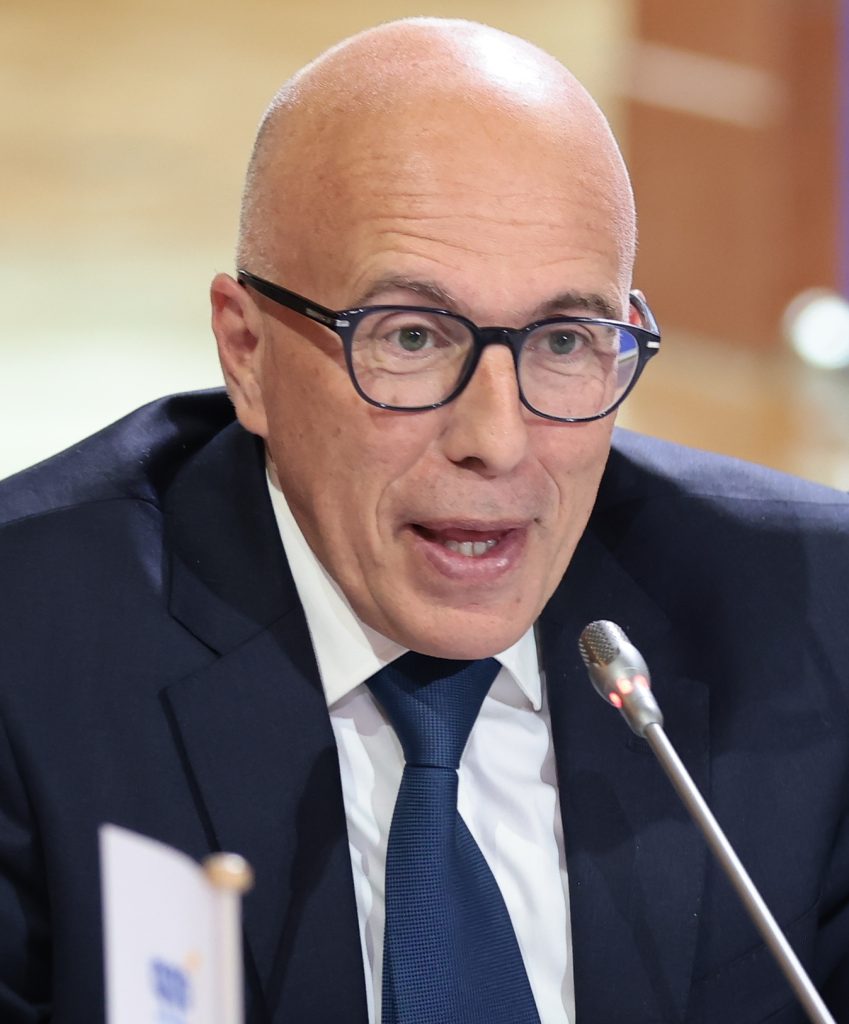
At the same time, the elections exposed a critical weakness: the major cities. The party managed to retain Perpignan and made gains in Nice with the backing of Éric Ciotti, a former senior figure in the Republicans who has shifted towards cooperation with the National Rally.
Beyond those cases, however, the party failed to secure meaningful breakthroughs in France’s largest urban centres. Without support in the big cities, a presidential victory will remain difficult.
The scale of the challenge was evident in Paris, where Thierry Mariani attracted just 13,096 votes.
For the National Rally, the path to the Élysée therefore runs through alliances in the capital. One potential partner is Sarah Knafo, now a leading figure in Éric Zemmour’s Reconquête party.
She reached the second round of the Paris mayoral contest with 10.40 per cent before withdrawing. Knafo has demonstrated an ability to appeal to younger, security-focused voters in urban areas.
Should she reject cooperation, however, the party’s path to the presidency would remain narrow, and the prospect of substantive political change remote.