
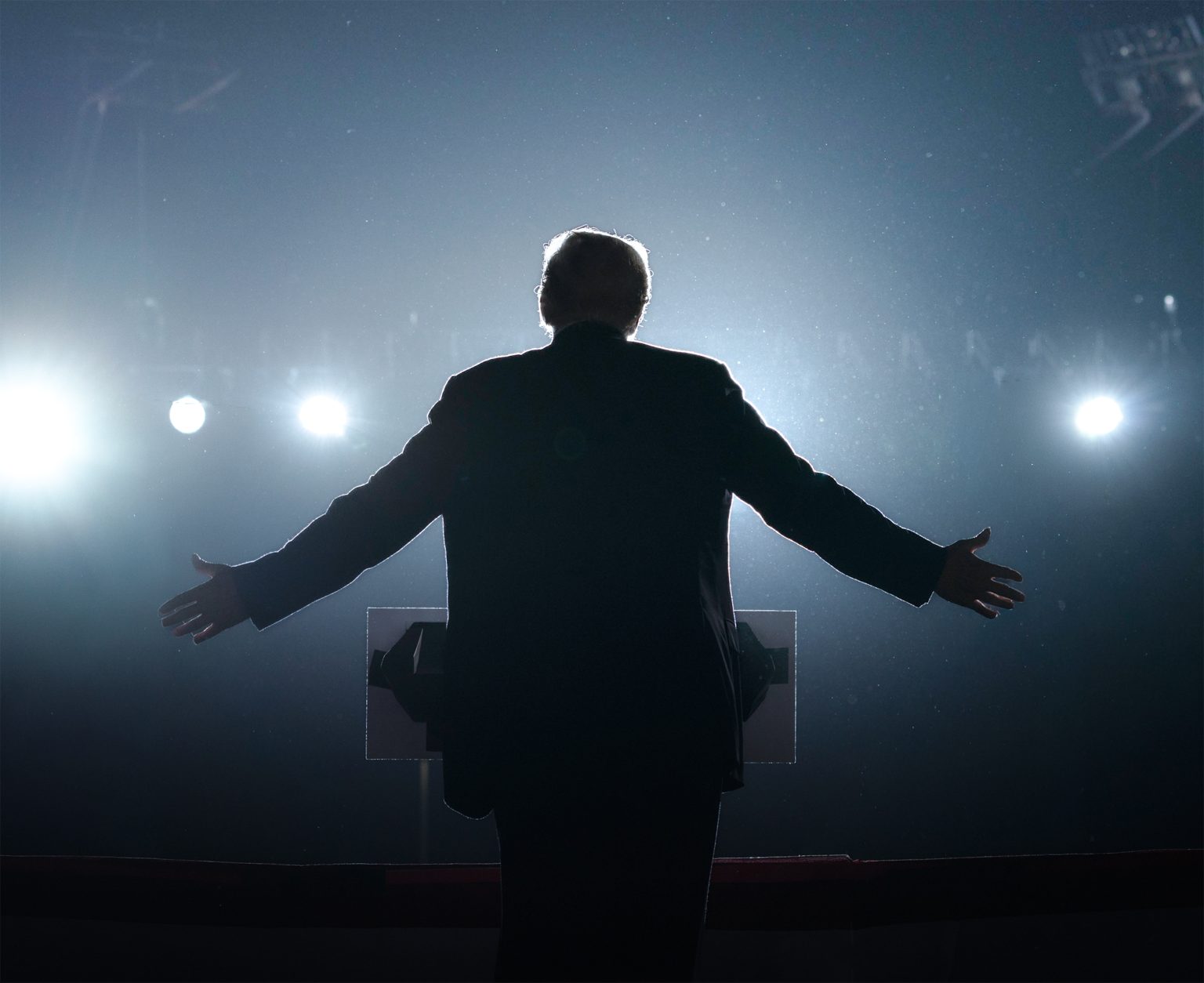
US President Donald Trump is facing growing public anxiety over the war and declining poll numbers at home. In a prime-time address on Wednesday, he said the US had destroyed Iran’s navy and air force and crippled both its ballistic missile and nuclear programmes.
While he said the US military had achieved ‘swift, decisive and overwhelming victories’ in Iran, he added that it would continue to strike the country ‘extremely hard’ over the next two to three weeks.
Trump said the US military was on track to achieve its goals ‘very quickly’, but did not provide a specific timetable for the end of hostilities. He also hinted that the conflict could escalate if Iranian leaders do not accept US terms during negotiations and acknowledged attacks on Iran’s energy and oil infrastructure.
The statement appeared deliberately vague, likely aimed at reassuring financial markets. It also sat uneasily alongside remarks made just hours earlier, when he told the public that the United States could end the war with Iran in ‘two or three weeks’, even without a peace deal.
According to Reuters, the mixture of threats and bluster is unlikely to calm jittery markets or ease public concern. The often contradictory signals he has sent throughout the conflict have added to the uncertainty, with the president calling for a diplomatic settlement at one moment and threatening further destruction of Iran – while bolstering the US military presence in the region – the next.
No clarity on NATO exit
The president also did not clarify whether US military operations could end before Iran reopens the Strait of Hormuz. The waterway is a critical energy artery, and its closure has sent shockwaves through global markets, particularly in oil and liquefied natural gas.
He repeated his call for countries dependent on Gulf oil – but reluctant to engage in a war launched by the US and Israel without consultation – to ‘take the initiative’ and assume responsibility for reopening the strait.
However, he did not mention that he is considering withdrawing from NATO over what he sees as the organisation’s failure to support the US in its conflict with Iran.
Support hits new low
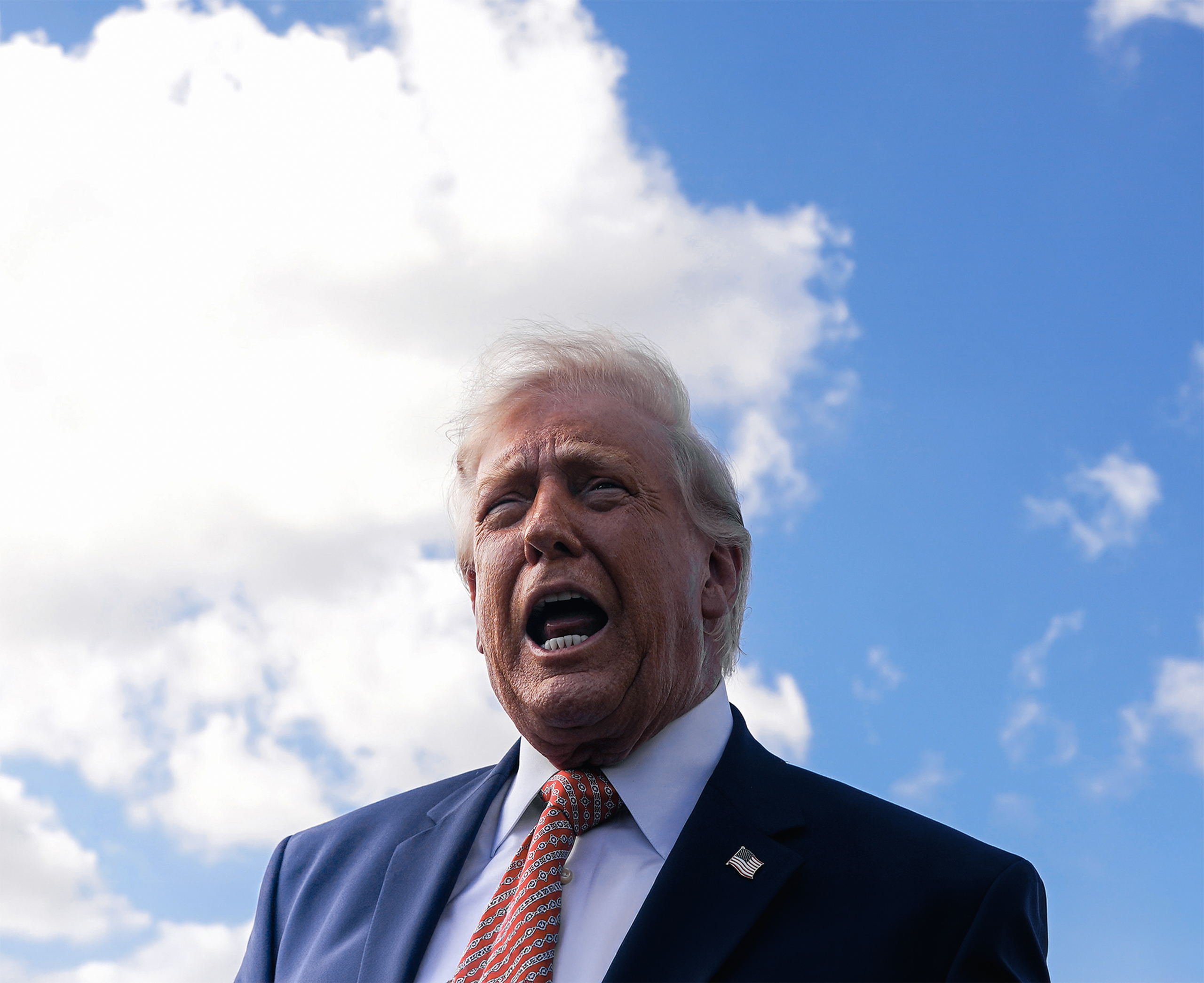
Trump’s first prime-time address since the start of the war was initially seen as an attempt to assuage public concern about the interventionist tendencies of a president who campaigned on a promise not to start new wars.
His approval rating has fallen to 36 per cent, according to a poll published on Monday – the lowest since he returned to the White House.
Yet he addressed domestic concerns only in general terms, dismissing economic pressures as temporary. In his view, they will ease once the conflict ends.
‘Many Americans have been concerned to see the recent rise in gasoline prices here at home. This short-term increase has been entirely the result of the Iranian regime launching deranged terror attacks against commercial oil tankers of neighboring countries that have nothing to do with the conflict,’ he said.
(reuters, sak)