
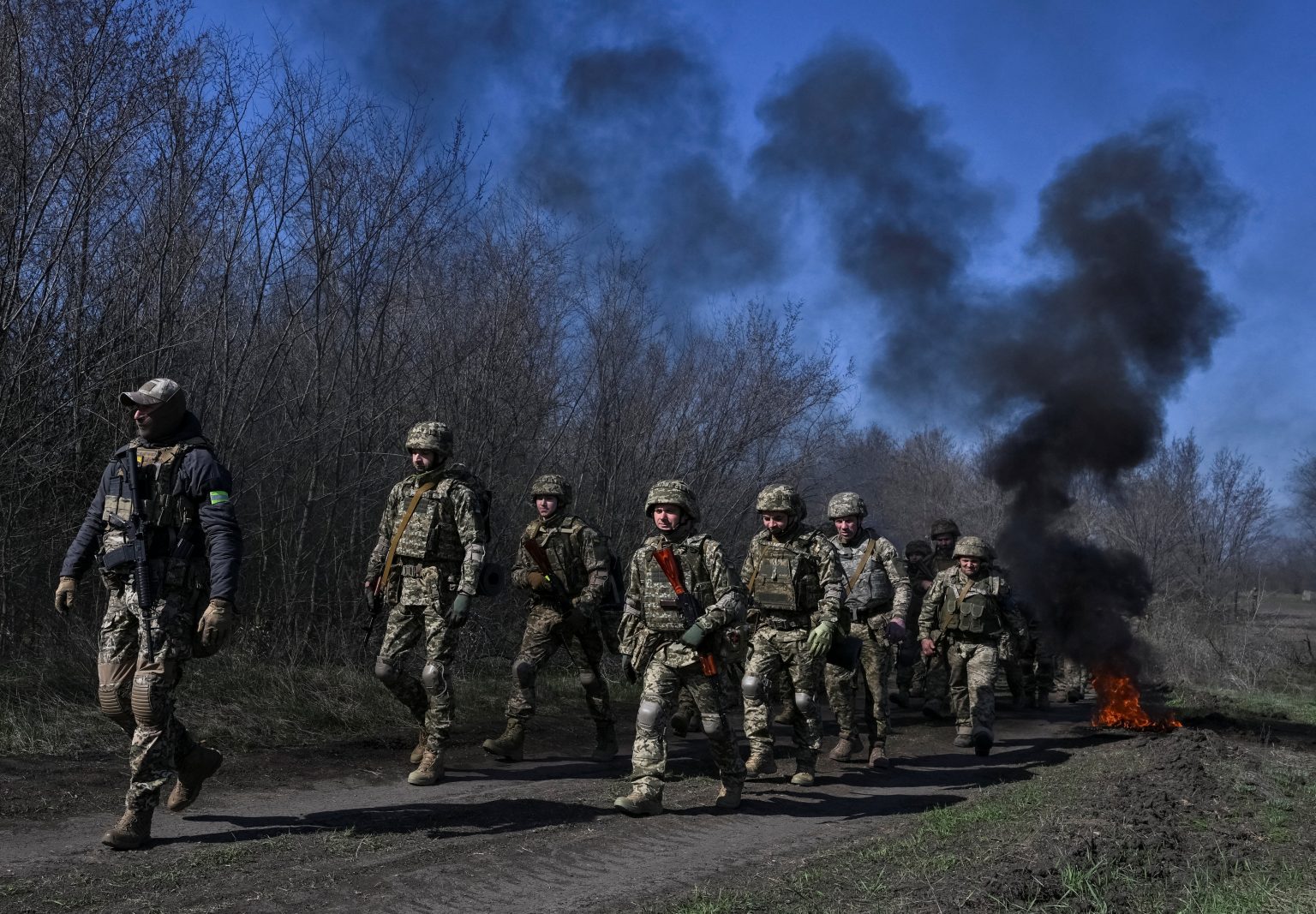
In early April, Oleh Avdeyev, a member of a Territorial Recruitment Centre (TCK), was killed in the western Ukrainian city of Lviv. In connection with the attack, a court remanded Andriy Trush, an inspector at Lviv customs, in custody.
In court, the suspect in the premeditated murder said he and his family had visited a funeral parlour following the death of his grandmother. He then reported hearing a noise outside and, when he ran out, witnessing a confrontation between his brother and TCK personnel. In his account, he only remembers standing up for his brother, after which tear spray was used against him. He added that he blacked out and later found himself back at home.
“A verbal altercation ensued between the parties which escalated into a scuffle. During the confrontation, the customs officer, trying to prevent his brother from being detained, pulled out a knife and inflicted several wounds on the soldier, including a wound to the neck,” the state investigator said.
Busification
The case is likely to become a landmark, as the clash in Lviv between civilians and TCK officers ended with the killing of a uniformed serviceman, something that had not occurred before 2 April 2026. However, dozens of similar detentions and confrontations have been recorded on video.
TCK personnel, often viewed with suspicion by the public, are frequently filmed forcibly detaining men who are then transported in vans from regional centres to training and, eventually, to the front. The practice has acquired its own popular name derived from the vehicles used: busification.
In many cases, a chase or a request to show identification precedes the detention of men suspected of evading conscription. Military Ombudsman Olga Reshetilova notes, however, that the law does not allow TCK personnel to conduct forced mobilization.
“Their task is to create a mobilization plan, register soldiers or maintain records and communicate directly with military units,” Reshetilova explained, adding that other authorities, such as the national police, are responsible for forced mobilization.
Most Ukrainian men never encounter TCK personnel on the street. If a man who receives a draft order fulfils his legal obligation and reports as instructed, there is no attempt to track him down. The same applies to volunteers who enlist without waiting for a summons.
A Hotbed of Corruption
Citizens, however, have rights as well as obligations. While pursuing men who violate the conscription law and refuse to enlist may be legally defensible, problems arise when TCK personnel detain individuals who are exempt from mobilization. This includes, for example, fathers of several minor children, university students or men caring for a family member.
In April, the Ukrainian outlet Ekonomichna Pravda, part of the Ukrainska Pravda newspaper, reported widespread bribery at TCK offices and related medical commissions. According to the outlet, for substantial payments, genuine or fabricated medical assessments are issued declaring a man unfit for service. The least expensive option is to arrange for a man to no longer be sought for avoiding military service. The most expensive is to arrange for a conscription-eligible man to leave the country in violation of the law.
The National Police has uncovered dozens to hundreds of such corruption cases each year since the invasion began.
Soldiers Divided
Some frontline soldiers who have been defending Ukraine for several years express little sympathy for draft evaders. Others argue that forcibly mobilized men will not perform effectively at the front and may endanger others.
Junior Lieutenant Fedir Kiselar, commander of the Ukrainian unit Kat, told the Suspilne portal that men who had to be tracked down should serve in rear positions where they would not endanger their comrades.
The commander of a detachment of the 28th Independent Mechanized Brigade, known by the call sign Kurt and fighting for 12 years, told the BBC that Ukrainian society risks underestimating the consequences if desertions reach a critical level.
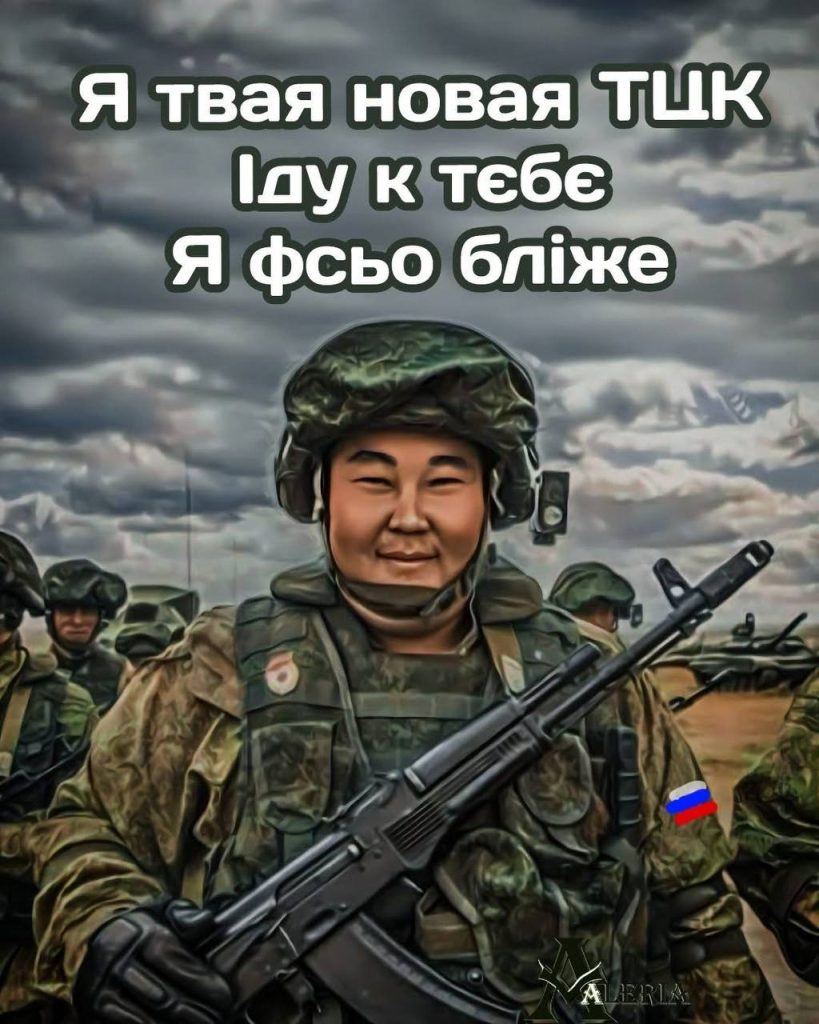
Critics within Ukraine sometimes compare TCK personnel to Buryat soldiers from Russia’s Asian regions, who have been associated with war crimes against civilians, including during the occupation of Bucha and Irpin.
Meanwhile, Kyiv is preparing a major reform of the mobilization process. Details and implementation remain unclear.