Blockades at Key Locations
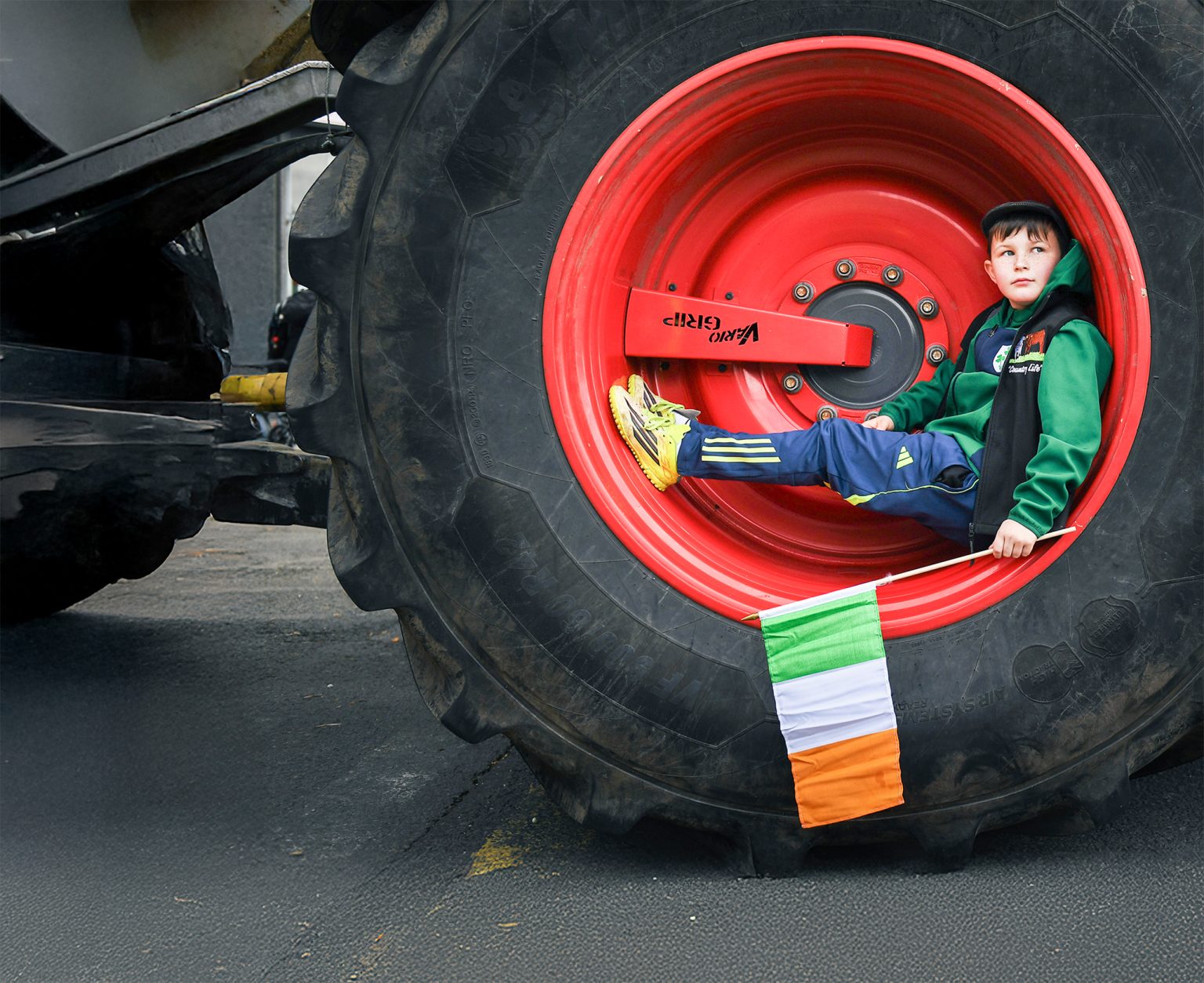
Lorries and tractors also blocked access to fuel depots and critical supply infrastructure. Major traffic disruption was reported in several cities, including Dublin, Cork and Galway. Demonstrators blocked motorways, ports and main arterial routes. Slow-moving convoys of tractors, trucks and coaches obstructed central roads in Dublin as well as the port of Foynes in County Limerick and Whitegate in Cork. At Whitegate, protests focused primarily on the refinery located there.
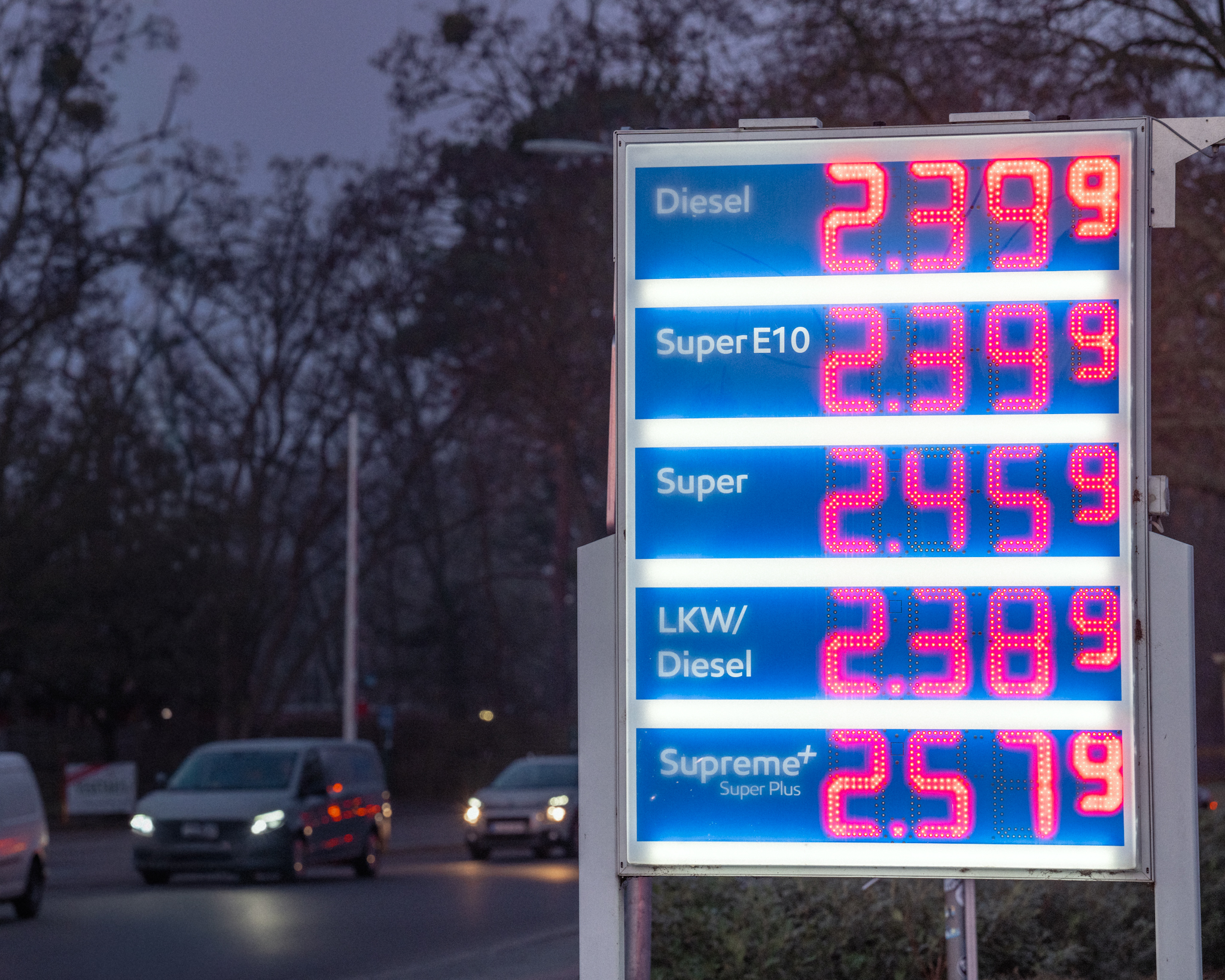
The impact of the blockades is already visible. Fuel supplies are now running low or exhausted at more than 100 filling stations. The blockade of the refinery at Whitegate in County Cork, the country’s only oil refinery, proved particularly significant. The facility covers a substantial share of Ireland’s fuel supply.
Police moved against the blockade on Saturday, using pepper spray against participants. Officers arrested numerous demonstrators to disperse the protest. Security forces were supported by military personnel, who escorted tanker trucks leaving the facility.
A Broad Alliance Demonstrates
The protests are supported by an unusually broad alliance. Alongside farmers, hauliers, bus drivers and other transport workers are taking part. Observers describe a coordinated but not centrally led movement organized via social networks. Demonstrations are taking place simultaneously at multiple locations. Reports of convoys involving hundreds of vehicles and concurrent blockades across several regions point to a high level of mobilization.
The government has so far largely rejected direct negotiations with protest organizers. It argues that the movement lacks clear interlocutors and that its actions endanger public safety. Security forces have repeatedly intervened against blockades.
Authorities warned about the consequences of the protests. Disruptions could affect fuel supplies for emergency services and thereby threaten public safety. The risk became concrete when some emergency services were forced to restrict operations.
Global Politics Reaches Households
There are also indications of tensions within the security forces. According to reports, some police officers called in sick to avoid acting against demonstrators. No official figures are available. Observers nevertheless interpret this as a sign of broad societal support for the protests.
The causes of the crisis extend beyond Ireland. The sharp rise in energy prices is linked to international developments, particularly geopolitical conflicts and disrupted supply chains in the global oil market. Existing inflationary pressure is adding to the burden on households and businesses. Rising fuel costs are acting as an additional amplifier of social tensions.
Experts see parallels with earlier protest movements in Europe. As with the Yellow Vest protests in France, rising energy prices have triggered broader social mobilization. In Ireland, the absence of a central leadership makes the movement difficult to predict. The further development remains uncertain. Initial talks between the government and industry representatives have taken place, but no agreement is in sight. The protests continue and could expand again.
The events in Ireland illustrate how quickly economic strain can turn into political crisis when key parts of the population are affected. The energy sector touches everyone. From heating and lighting to household appliances and private vehicles, the energy demand of Western societies continues to rise. The current oil crisis offers a realistic picture of how dependent economies and households remain on fossil fuels.