Politics in Announcement Mode
All other measures remain at the level of announcements or have been passed on to ministers as working briefs. This includes reform of the statutory health insurance system, which is at risk of spiralling due to excessive spending. The agreed steps reflect the lowest common denominator. More importantly, they expose the deep divisions within the governing coalition. It had already been clear in advance that no comprehensive plan was in sight. The conflict follows familiar lines. While large parts of the SPD are calling for stronger state intervention in response to rising living costs and growing social pressures, the CDU/CSU insists on fiscal discipline and market-based principles.
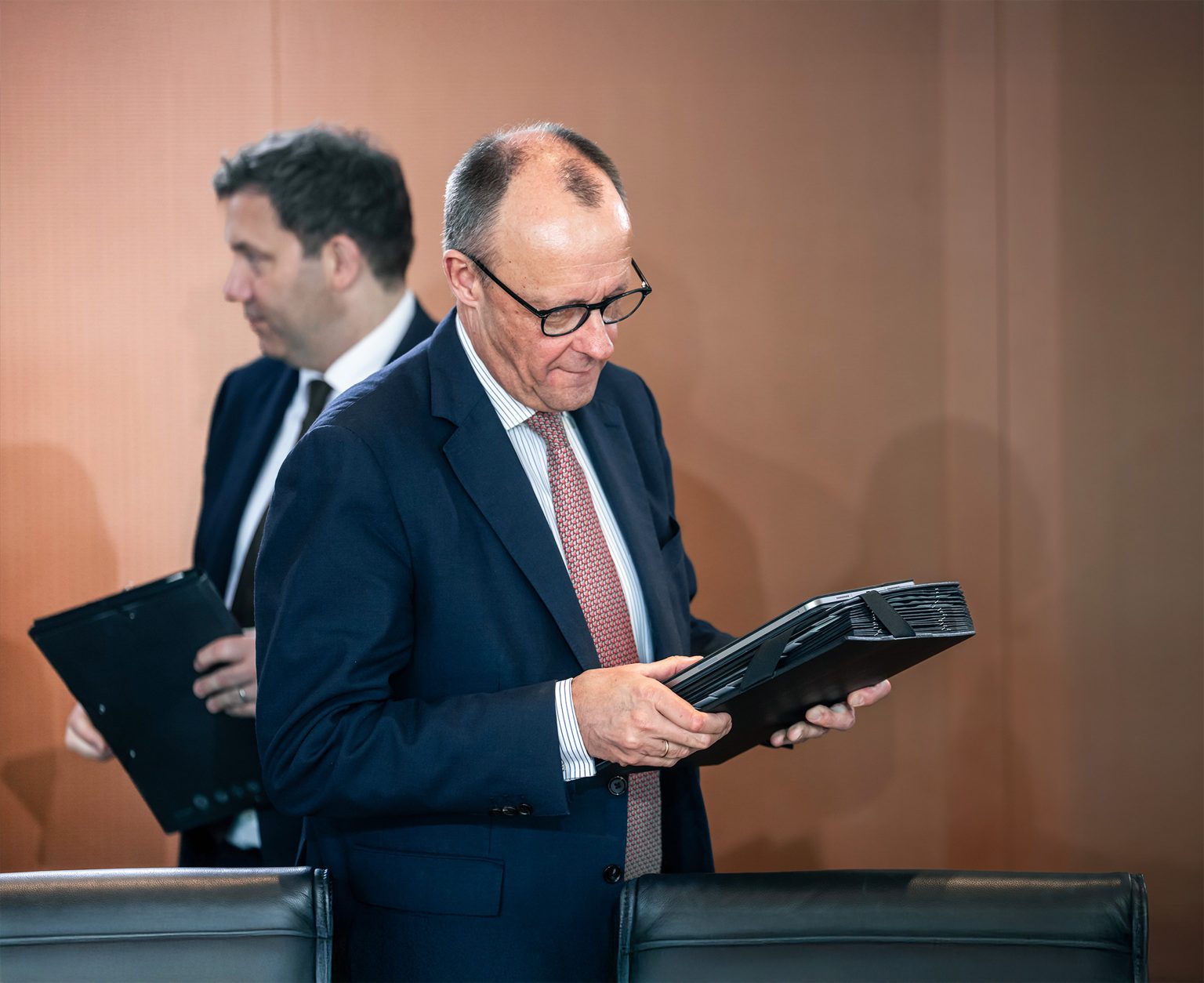
Chancellor Merz has repeatedly stressed that the state cannot cushion all economic distortions and has warned against a mentality of comprehensive state protection. However, experience in recent months suggests these statements have little substance. When decisions are required, the chancellor does not stand firmly behind his own party but instead aligns himself with the SPD. Within the Social Democrats, calls for tax increases continue unabated. Members of the CDU point to the coalition agreement, which explicitly rules out such measures.
These differences are also reflected in demands from Germany’s federal states. Several SPD-led states are pushing for a joint federal-state conference and additional measures such as price caps or windfall taxes. The CDU/CSU is blocking such interventions, arguing that most of its politicians see them as ineffective.
The result is political paralysis at a time when swift decisions are needed. Minimal compromises are taking the place of bold action.
With state elections approaching in Saxony-Anhalt and Mecklenburg-Western Pomerania, as well as elections to Berlin’s House of Representatives, none of the coalition parties is willing to tackle politically sensitive issues. Consequently, statements by state leaders remain largely generic. Saxony-Anhalt’s Sven Schulze has called for greater speed and unity, criticizing the federal government’s lack of action following the coalition talks. Hendrik Wüst of North Rhine-Westphalia has likewise urged more cohesion. Beyond such generalities, little else is forthcoming.
Friendly Fire Against the Economy Minister
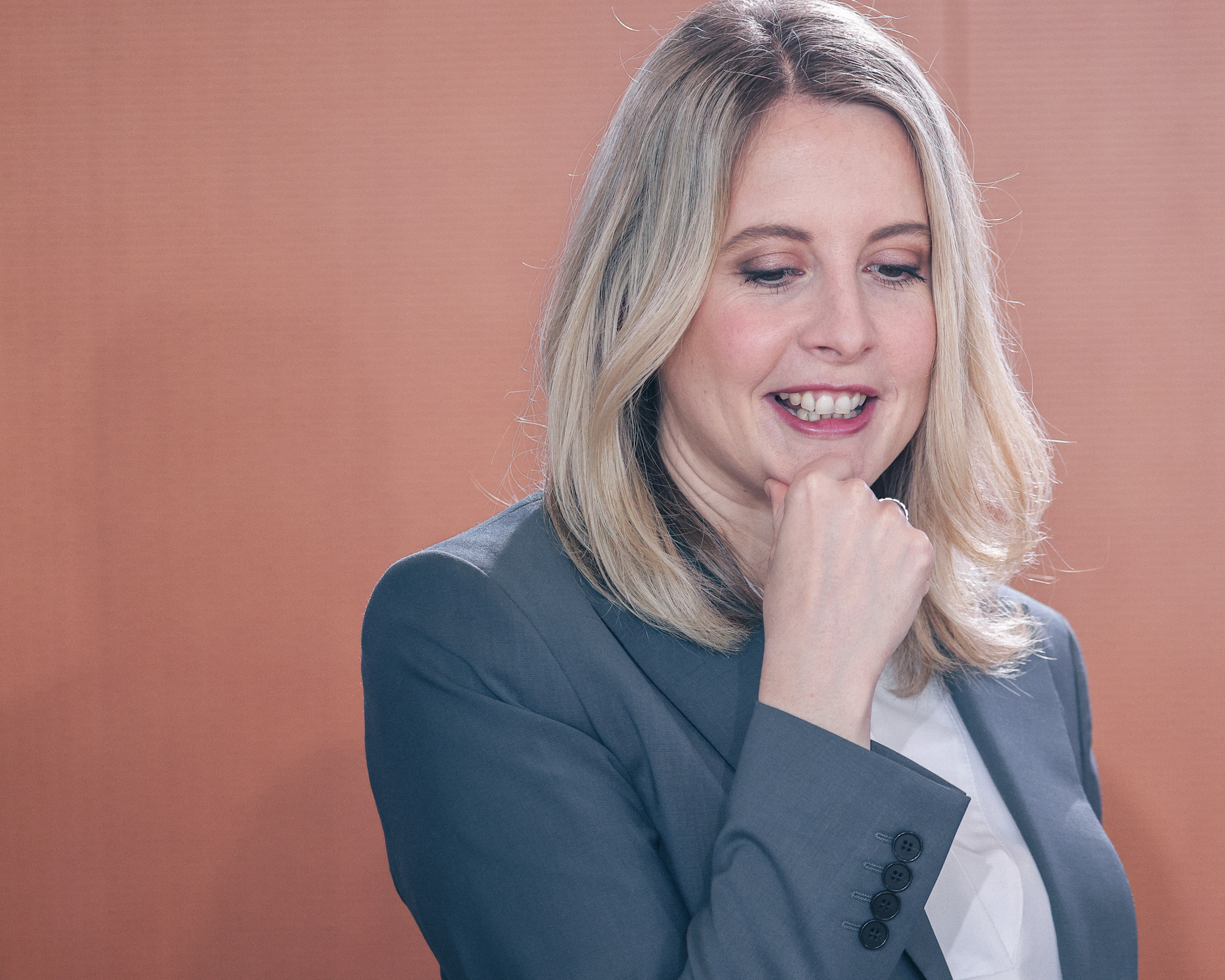
At the same time, Economy Minister Katherina Reiche (CDU) remains in the spotlight. She represents the CDU/CSU’s economic policy approach, which prioritizes structural reform over short-term intervention. Reiche has taken a clear stance and faced heavy criticism as a result. Necessary reforms continue to stall due to what is described as Social Democratic obstruction.
Reiche is also coming under increasing pressure from within her own ranks. Members of the coalition have accused her of lacking both a clear strategy to address the energy crisis and a convincing reform agenda. In her dispute with SPD politician Lars Klingbeil, the chancellor did not back his minister but instead sided with Klingbeil.
While the coalition remains mired in disputes and incremental policymaking, leading economists in Germany warn that the government’s measures are wholly insufficient to generate economic recovery. Veronika Grimm, a member of the German Council of Economic Experts, has criticized the approach as too short-term and called for far-reaching reforms, including in the tax and pension systems. Only such structural changes, she argues, can secure Germany’s long-term competitiveness.
Infighting at the Heart of the Problem
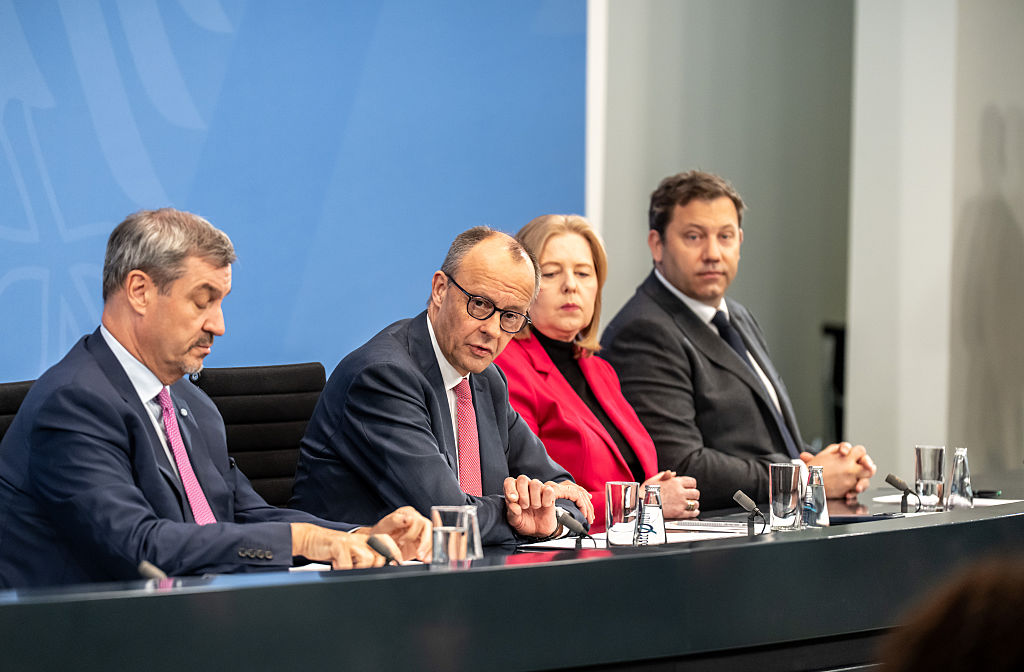
This criticism points to a fundamental weakness of the current government. It reacts primarily to acute crises without addressing the structural causes of economic stagnation. The coalition agreement had already outlined ambitious projects, including investment programs and the so-called Germany Fund aimed at strengthening the economy. Yet implementation has been slow, even as economic conditions continue to deteriorate rapidly. The latest press conference by coalition leaders made clear that the government is largely preoccupied with internal disputes. Instead of a clear reform roadmap, vague announcements and mutual recriminations dominate. Observers speak of a coalition locked in constant conflict and increasingly losing its ability to act.
The pressure to act is considerable. The combination of an energy crisis, weak economic performance and structural deficits presents Germany with one of its greatest economic challenges in decades. High energy prices are weighing heavily on industry in particular and are threatening domestic investment. At the same time, uncertainty among businesses and workers is growing.
Against this backdrop, the assessment of many observers appears convincing. Germany is not experiencing a “spring of reform”, but rather a period of political paralysis. The coalition acknowledges the problems but fails to find a common path to resolve them. The outcome of the latest coalition talks offers little hope of a rapid change in direction. Instead of bold reform, policymaking continues to proceed in small steps.