
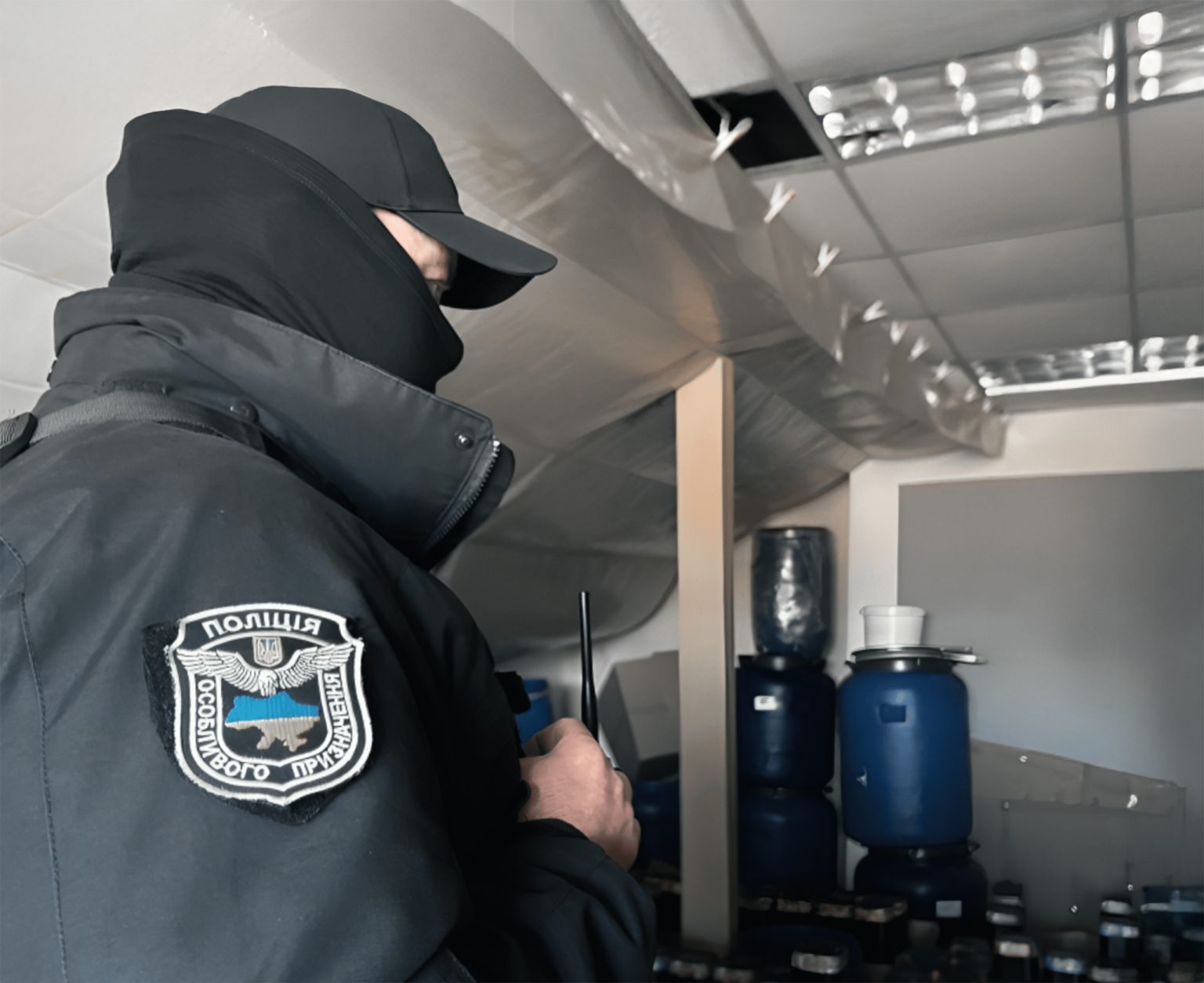
Ukraine’s national police have launched a criminal investigation into the U420 retail chain, a network of cannabis-themed coffee shops that had rapidly expanded across the country, raising questions over whether authorities or nationalist activists ultimately triggered the crackdown.
In a brief statement on 14 April, police said that, under the supervision of the Prosecutor General’s Office, they had opened proceedings into suspected criminal offences linked to the chain. These include forming a criminal organization, as well as producing, possessing, transporting and selling drugs and psychotropic substances, and laundering the proceeds from their sale.
Officials declined to provide further details, citing the ongoing investigation.
A Rapidly Expanding Chain
U420 is part of a broader trend of cannabis-branded coffee shop chains, similar to the 420Cafe model that has been spreading across Europe. In Ukraine, the brand marketed itself as offering products for “lovers of quality goods based on legalized marijuana”.
Physical U420 outlets began appearing rapidly in 2024, expanding to around 30 shops in Kyiv alone, with additional locations in Lviv, Kharkiv, Odessa and Dnipro by the time of the police intervention.
Under Ukrainian law, medical cannabis has been permitted since 2024, but only for specific health conditions. Recreational use remains illegal and can carry penalties ranging from fines to prison sentences.
Concerns Over Illegal Substances and Minors
Investigative journalists from the Ukrainian outlet Bihus Info purchased products from several U420 stores and submitted them for laboratory testing. According to their findings, confirmed on 23 March by the forensic centre of the Ministry of Internal Affairs, the samples contained a banned psychotropic substance in the form of synthetic cannabinoids.
The investigation also suggested that a significant share of the chain’s customers were minors and young people. The stores had been widely promoted by influencers and bloggers, none of whom have publicly distanced themselves from the brand.
Police later released images of the operation, showing heavily armed special units involved in the raids.
Nationalists Act Before Police
However, the police intervention came only weeks after a separate action by the nationalist youth group Centuria, which targeted one of the shops in Kharkiv.
On the night of 25-26 March, masked individuals attacked a U420 outlet in the city. Centuria later claimed responsibility, publishing footage of the incident online.
Centuria is widely described as a nationalist youth organization with links to the Azov movement and is often characterized as nationalist to far-right. It presents itself as a group that “educates” young people for service in nationalist military units and maintains contacts with like-minded groups in parts of the European Union.
Lieutenant Colonel Maksym Zhorin of Ukraine’s 3rd Army Corps praised the group’s actions on the day of the police crackdown, saying: “Thanks to youth right-wing movements – especially Centuria – Ukrainian society has finally seen the true nature of these coffee shops. They sell drugs even to minors and systematically destroy entire generations.”
Who Forced the Crackdown?
The sequence of events has raised questions about whether the authorities acted independently or were prompted by pressure from nationalist groups.
A source familiar with the situation told Statement, speaking on condition of anonymity, that the authorities had shown little interest in the chain’s activities until the Kharkiv incident.
“The U420 chain operated for more than a year in what appeared to be a fully legal manner, with widespread advertising. Despite the suspicious nature of the business, the authorities did not intervene,” the source said.
“The turning point came only after Centuria drew attention to it – and did so by attacking a shop and damaging property.”
According to the same source, nationalist groups have long campaigned against drug use and have called for strict penalties, particularly in cases involving minors.
The timing of the police action has also drawn scrutiny. While authorities have said they had been monitoring the chain since December, the official crackdown took place only on 14 April, nearly three weeks after the attack in Kharkiv.