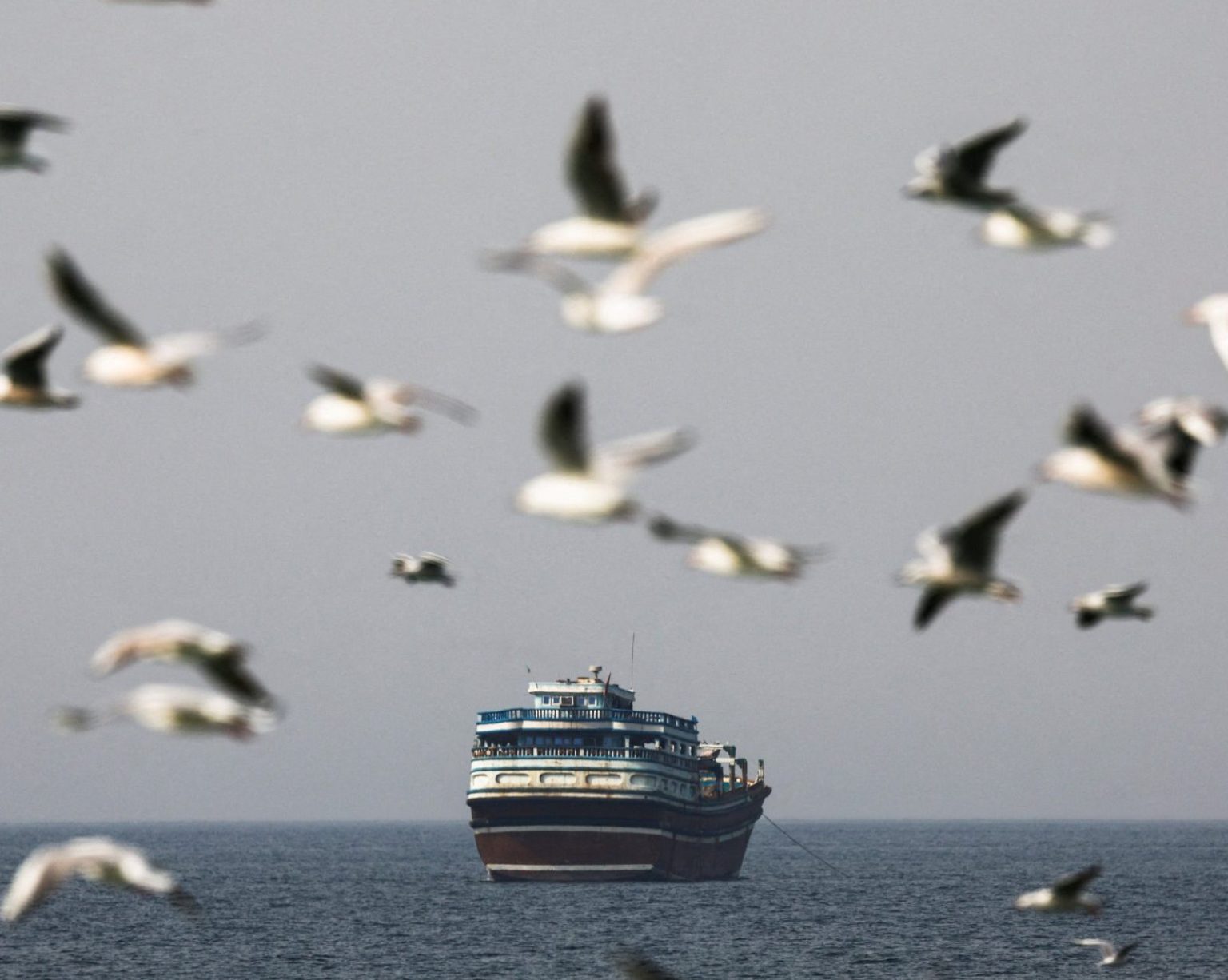
Iran has reopened the Strait of Hormuz to commercial shipping for the duration of the 10-day ceasefire between Israel and Lebanon, brokered by the United States.
Iranian Foreign Minister Abbas Araqchi announced that the strategic strait remains open to all commercial vessels. They will, however, have to follow a route designated by Tehran.
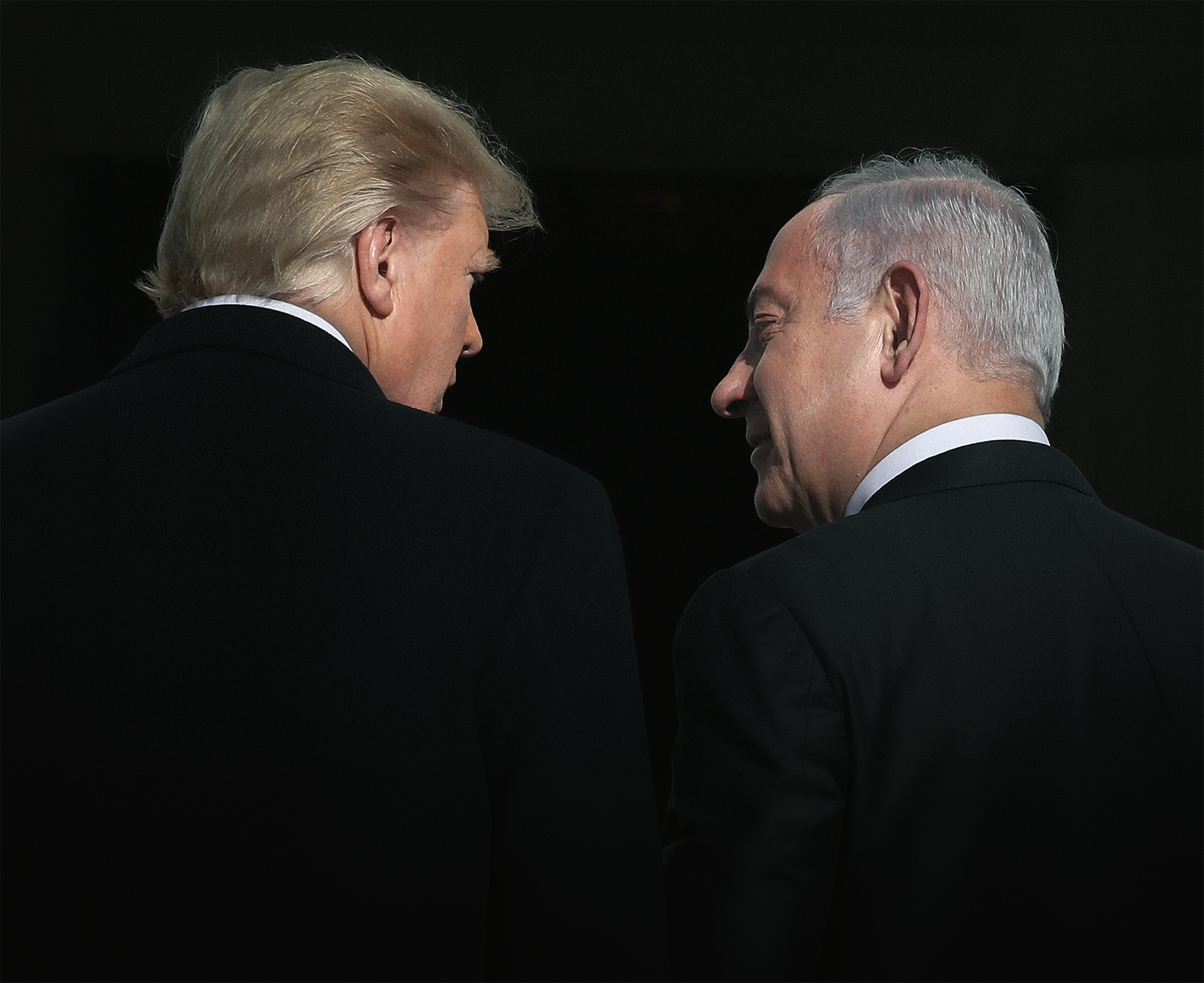
US President Donald Trump responded to Araqchi's comments, writing on Truth Social that the Strait of Hormuz is open and ready for normal operations. He added that the naval blockade against Iran remains in place and will continue until Washington and Tehran reach an agreement.
Speaking outside the White House on Thursday, Trump said he expects an early deal with Tehran. He added that Iran has offered a commitment not to possess nuclear weapons for more than 20 years. He said Washington is now awaiting further developments and that negotiations could begin as early as this weekend.
By Friday afternoon, it remained unclear whether that would happen. According to sources close to the talks, a key complication is moving officials to Islamabad, where the meetings are due to take place.
Oil Prices Fall
Following the news of the reopening of the Strait, oil prices fell sharply. North Sea Brent crude lost $11.12, or 11.2%, to trade at $88.27 a barrel at around 13:11 GMT on Friday. US WTI crude fell $11.40, or 12%, to $83.29 a barrel.
The price decline continued from the early hours of Friday's trading. Markets also reacted to news of possible further negotiations between the United States and Iran over the weekend and a ten-day ceasefire between Lebanon and Israel.
UBS Bank analyst Giovanni Staunovo said Araqchi's comments suggest de-escalation while the truce is in effect. He said it will be important to see if there is a significant increase in the number of tankers crossing the Strait of Hormuz again.
The conflict between Iran on one side and the United States and Israel on the other began on 28 February. The fighting has reportedly killed thousands of people and affected the entire Middle East region. During the conflict, traffic through the Strait of Hormuz – through which around a fifth of the world's oil and liquefied natural gas supplies pass – has virtually come to a standstill.