
NATO airspace is periodically disrupted by large suicide drones in Poland and reconnaissance drones in Romania, which follow pre-programmed routes. Russian forces also use large Shahed drones, alongside missiles, to strike critical infrastructure and civilian targets in the Ukrainian hinterland.
Alongside these larger systems, much smaller drones play a growing role. Unlike their counterparts, they are not launched from ramps but take off from the ground or even from an operator’s hand. They were deployed, for example, during Operation Spiderweb, a covert Ukrainian drone operation in June 2025 that targeted Russian air bases deep inside the country.
Signal and Fiber
FPV drones, controlled in real time by operators tens of kilometres away, are responsible for hundreds of deaths and the destruction of dozens of pieces of equipment each month. Operators follow their targets through the drone’s onboard camera until impact.
On the front line, many drones are shot down before reaching their targets. More than 70% of losses are attributed to electronic warfare (EW), including jamming systems that sever the connection between drone and operator, causing the drone to fall harmlessly.
To counter this, some FPV drones are now connected to operators via optical fiber. This approach is not used for larger Shahed-type drones. Fiber-optic FPV drones are immune to jamming because there is no radio signal to disrupt.
“Most FPV attack drones rely on a radio link to the operator, which can be an Achilles’ heel. Fly too low, or behind a hill and the connection may be lost”, Forbes wrote in June 2025. By the time of publication, however, the situation had already begun to shift.
“This year has changed the situation on the battlefield quite dramatically. The most complex issue, in my opinion, is the large-scale use of fiber optics. There are no clearly effective solutions to counter such drones yet”, wrote Maksym Zhorin, a lieutenant colonel in Ukraine’s 3rd Army Corps, in late 2025.
Passive and Active Measures
Because fiber-optic drones are immune to EW, civilian and military infrastructure across the battlespace and in the rear is shielded by anti-drone nets. Equipment, including tanks, armoured vehicles and SUVs, is fitted with factory-made or improvised cages and chains.
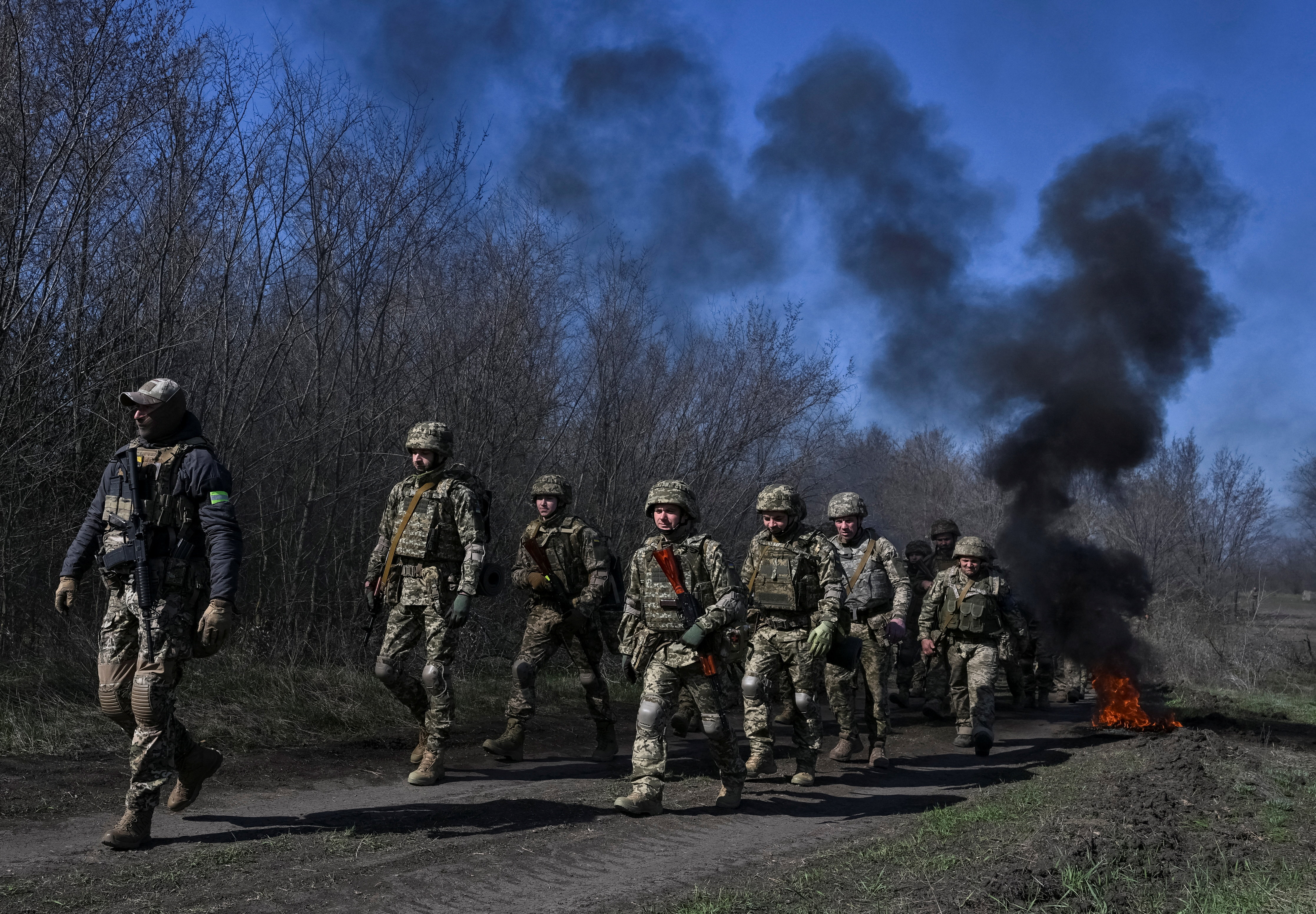
Entrances to bunkers in trench systems are covered with heavy blankets designed to prevent drones from entering. Soldiers, however, have limited options for passive protection. If they hear or spot a drone, they must either take cover or attempt to shoot it down, often in exposed positions.
The capabilities of soldiers and infantry units remain constrained. In late 2025, the Ukrainian Ministry of Defense announced plans to increase production of specialized anti-drone ammunition to counter Russian FPV drones more effectively.
Denys Shmyhal, then prime minister of Ukraine, said such munitions, produced by several domestic manufacturers, had already been standardized and were ready for mass production.
“Their feature is a special warhead that significantly increases the chances of shooting down a Russian drone”, he said, adding that no specialized weapons are required, as the ammunition can be used with standard infantry firearms already deployed at the front.
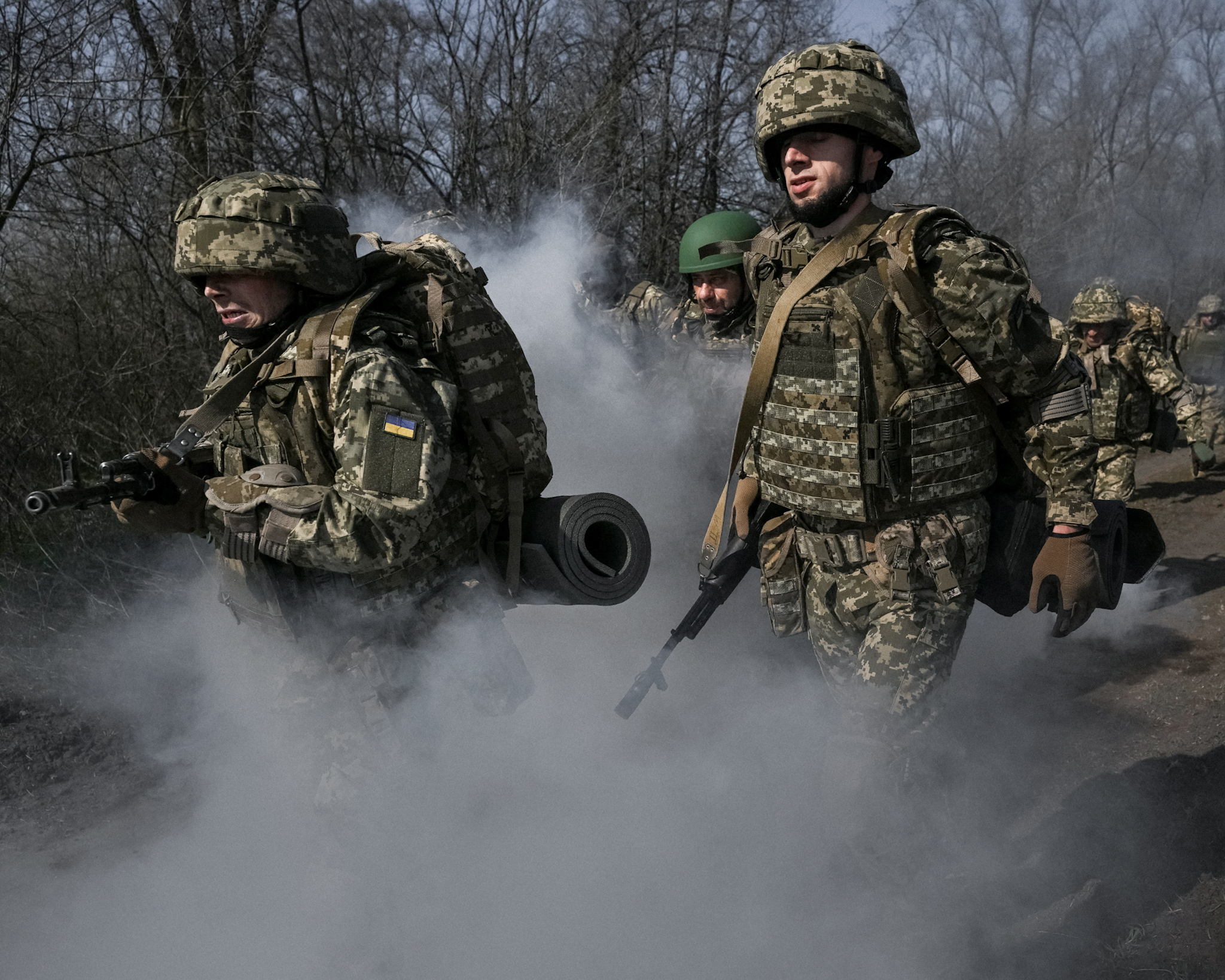
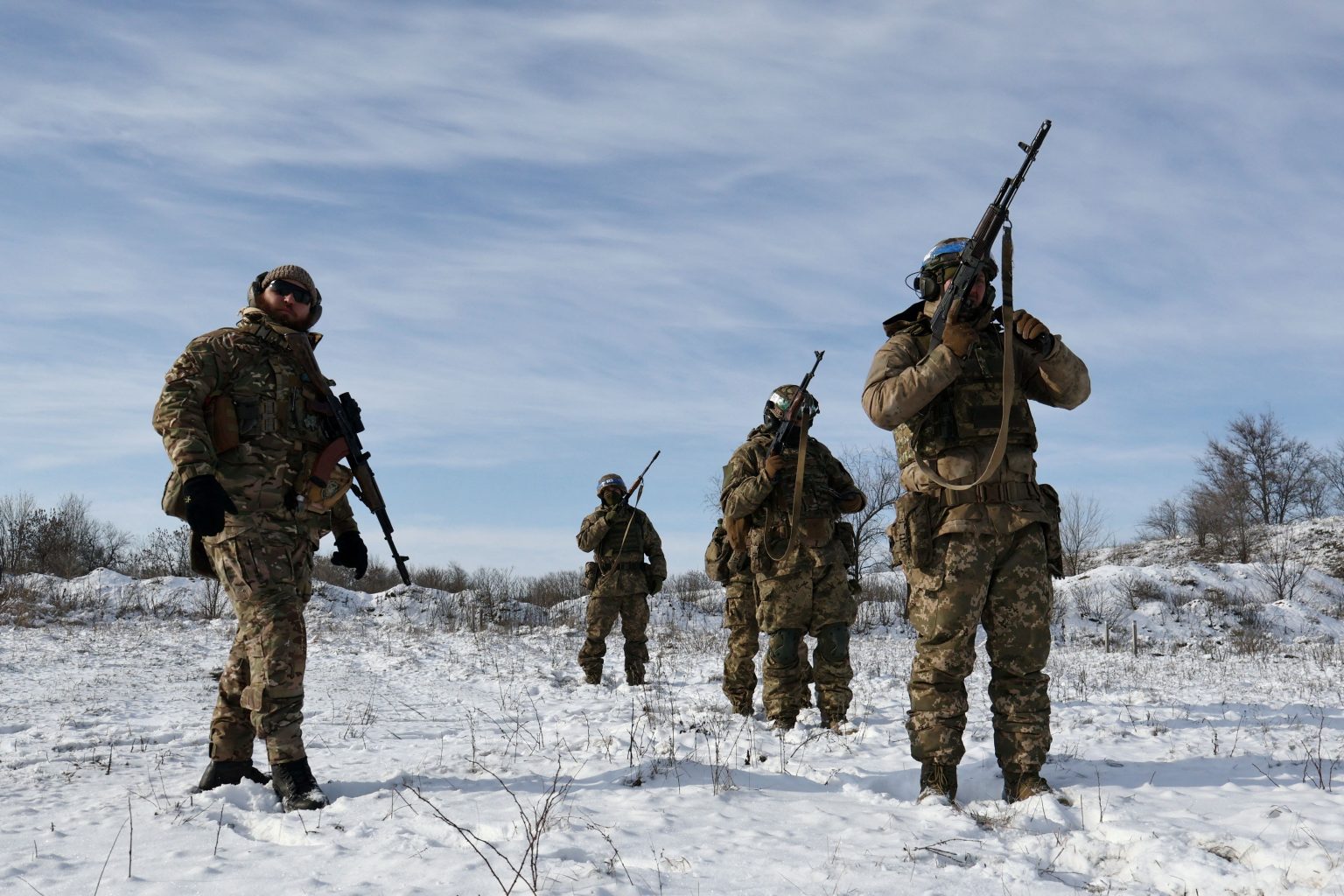
In theory, each soldier could carry one or two magazines loaded with anti-drone ammunition alongside standard rounds. If a drone appears, the soldier would switch magazines and engage the target.
Russian forces, for their part, have begun mass-producing ejection nets fired from grenade launchers mounted beneath assault rifles. Neither the Ukrainian nor the Russian approach has yet been deployed consistently across the entire front.
For now, shotguns remain the most widely used countermeasure on both sides. In many units, several soldiers are equipped with semi-automatic firearms fitted with collimator sights. These weapons are rarely used against infantry and are deployed primarily against drones.
Operational experience in the coming months will determine which methods prove most effective against FPV drones. For now, shotguns are favored by both Ukrainian and Russian forces, as their spread increases the likelihood of hitting small aerial targets. Nets and specialized ammunition, meanwhile, are still being gradually introduced.