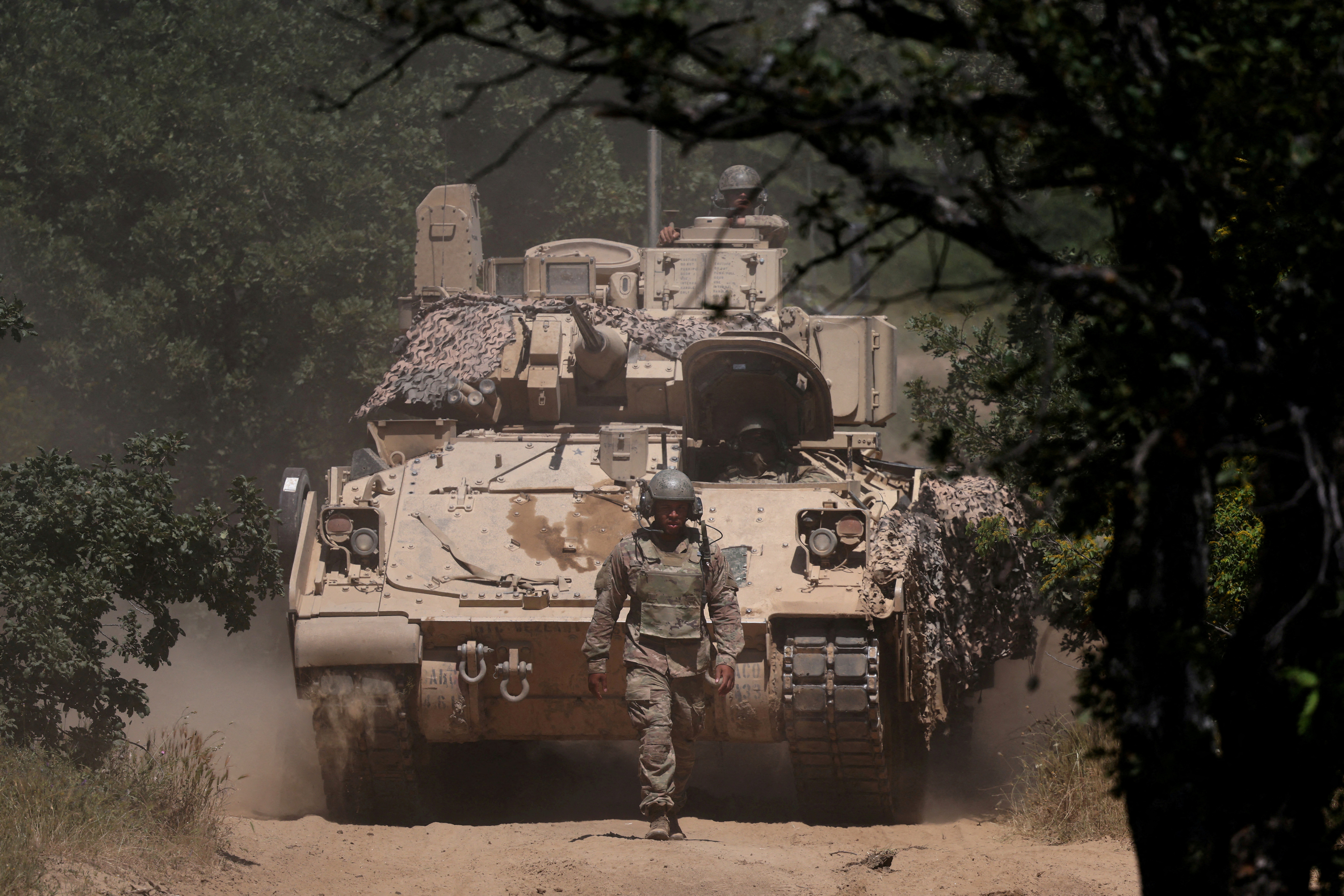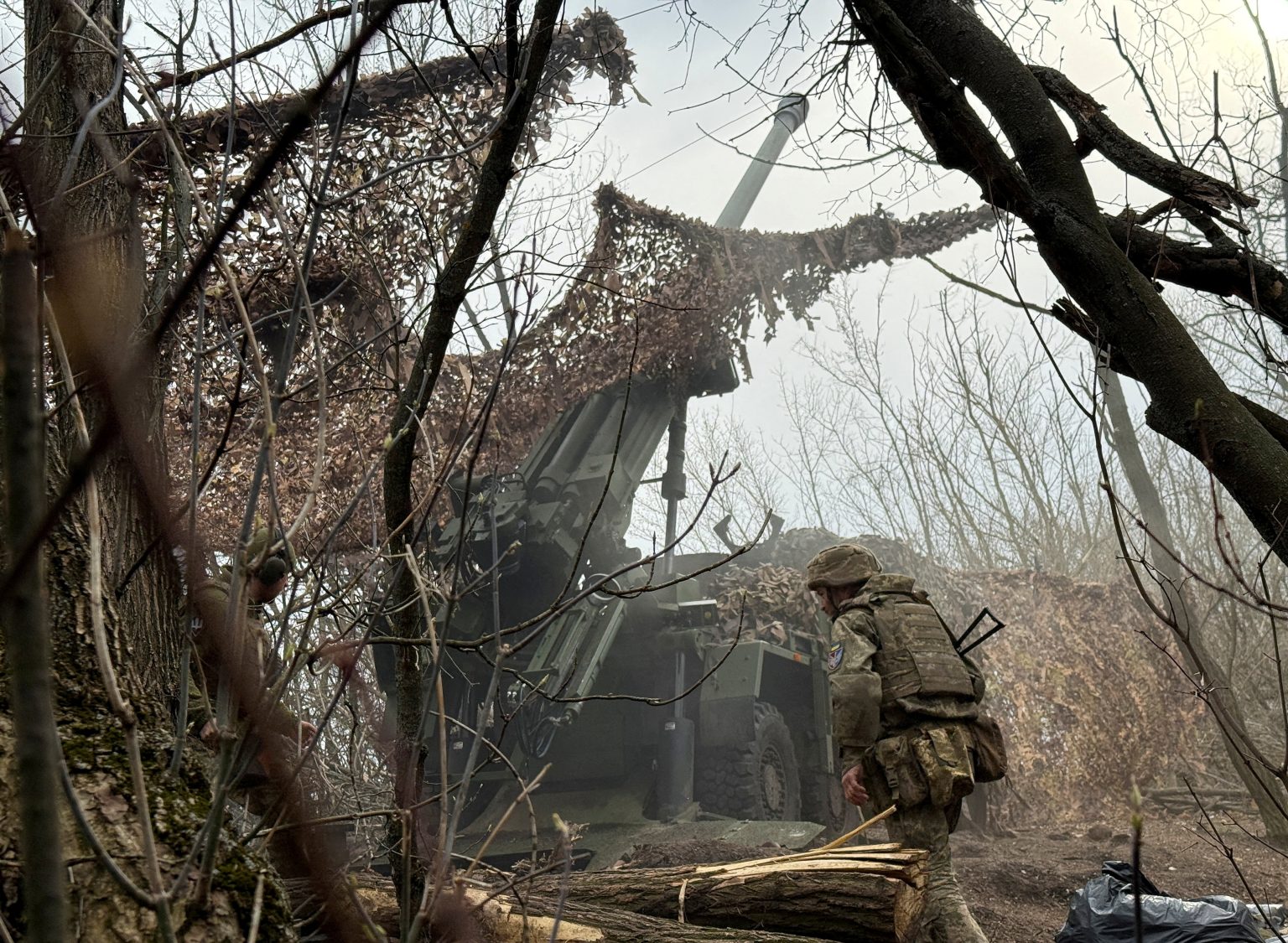
According to analysts at the Institute for the Study of War (ISW), Russia occupied or infiltrated 28.28 sq km in April. But as Ukraine advanced on several sections of the front, the Kremlin ultimately lost control of 116 sq km overall.
The figure does not include areas over which the Kremlin only gained temporary control, meaning the so-called gray zone. Such a shift had not occurred since August 2024, when the Armed Forces of Ukraine began their advance into Russia’s Kursk region. It was the first time since World War II that the army of a foreign state had launched such an incursion into internationally recognized Russian territory.
Freezing the Front?
The pace of the Russian army’s advance has been declining for months. Over the past six months, the Kremlin has occupied 1,443 sq km, according to ISW estimates, compared with 2,368 sq km in the same period in 2024–25.
In the first four months of 2026, Russia occupied Ukrainian territory at an average rate of 2.9 sq km per day, compared with 9.76 sq km in the same period last year.
“Weather data indicates that average temperatures in eastern Ukraine were about three degrees Fahrenheit [1.7C, editor’s note] colder in Winter 2025 to 2026 (December to February) than in Winter 2024 to 2025, and that Winter 2025 to 2026 was significantly wetter than Winter 2024 to 2025”, the ISW report said.
Russia’s advance may therefore have been slowed not only by frost, but also by the spring thaw. In previous years, Russian forces typically accelerated their advance in May and June, when the ground in that part of Europe dried out. It is not yet clear whether that trend will be repeated in 2026.
There Are Several Reasons
ISW experts attribute Russia’s loss of occupied territory not only to successful Ukrainian ground counterattacks, but also to the fact that Russian forces have been prevented since February from using Starlink terminals, for which Moscow has no replacement.
Another reason is the throttling of Telegram inside Russia. The messaging app, which is heavily used by Russian soldiers, still partly functions as a communications tool for the invading and occupying forces.
Although Russian President Vladimir Putin has declared that Kyiv is losing control of the country’s territory every day, the Russian army has long been unable to capture any of Ukraine’s major cities.
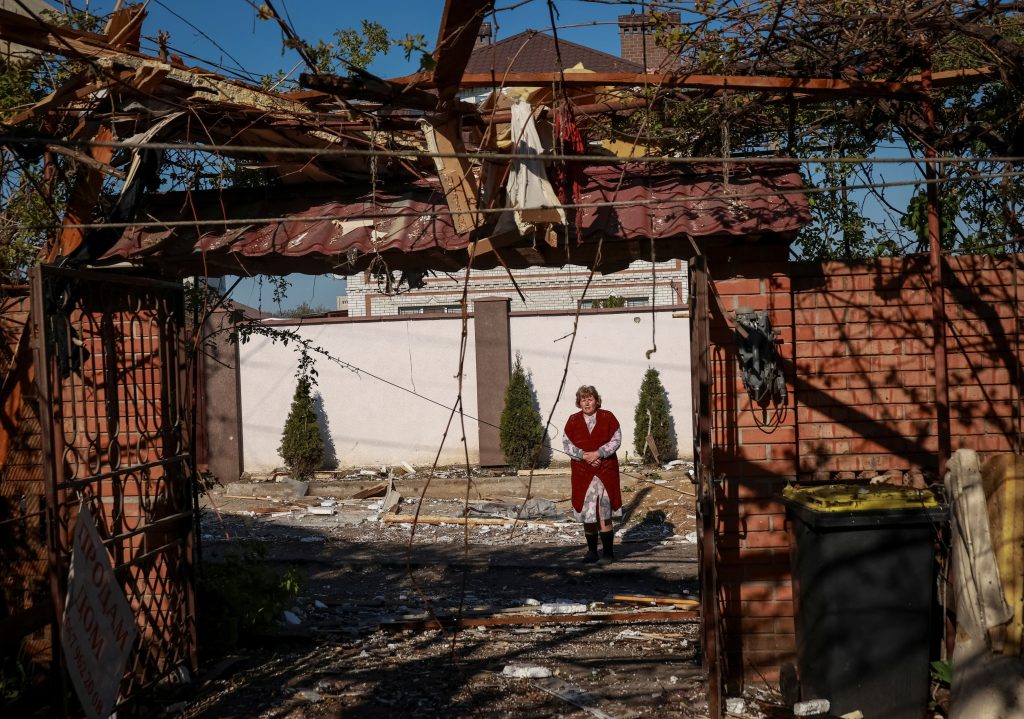
In mid-April, a video went viral on both the Ukrainian and Russian internet. It showed Russian television footage from 5 May 2025 to 8 April 2026 that continued to focus on the village of Mala Tokmachka in the Zaporizhzhia region. Although the village had already been razed to the ground, Russian forces had still not occupied it after a year.