Raids on a secluded Crewe compound and interim anti-slavery orders against five members have thrust a little-known religious group into the spotlight, amid allegations of sexual assault, forced marriage and modern slavery.
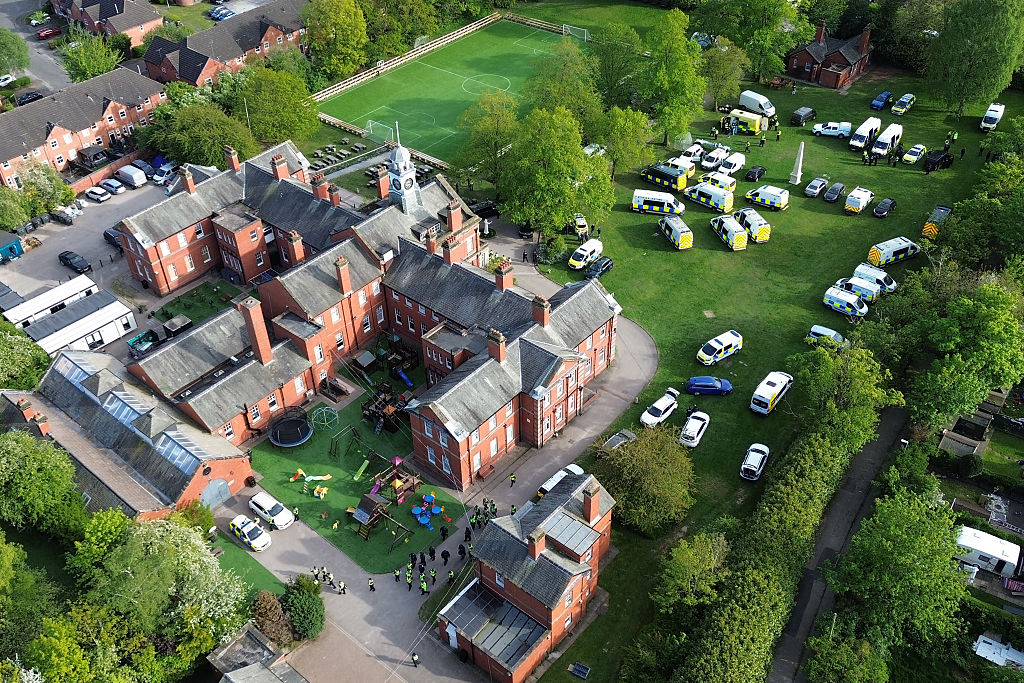
Police at the Webb House compound. Source: Ryan Jenkinson/Getty Images
|
Police arrested 10 people in a coordinated series of raids targeting properties linked to the Ahmadi Religion of Peace and Light (AROPL) in Crewe, northwest England, in a case that has raised fresh questions about the group’s activities across Europe. The organization, which has shifted its base between Egypt, Germany and Sweden in recent years, has already faced action by Swedish authorities, who revoked the residency permits of 69 of its members.
Investigators in Sweden concluded that individuals connected to AROPL had established a network of companies they described as “rogue employers”, allegedly used to secure legal residency. Workers listed on the payroll were paid minimal wages, which officials suspected were then channeled back into other businesses linked to the group, effectively leaving employees without meaningful income.
Cheshire Police said officers searched three addresses on 29 April 2026, including AROPL’s headquarters at Webb House, as part of an ongoing investigation into allegations of serious sexual offences, including rape, forced marriage and modern slavery. Police said one suspect was arrested on suspicion of rape, sexual assault, assault and forced marriage offences. All 10 suspects were later released on conditional bail as inquiries continue.
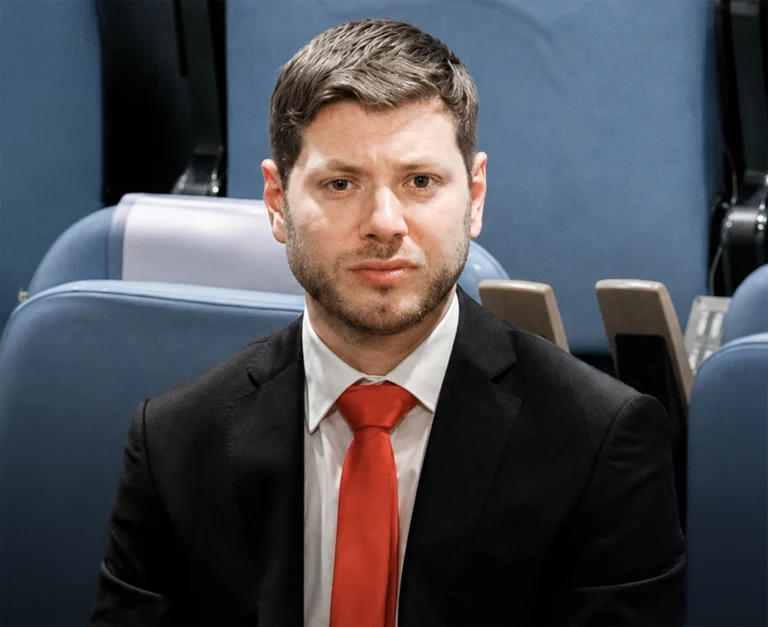
A court later granted interim anti-slavery and trafficking orders against five of those arrested: Abdullah Hashem, the group’s 42-year-old US leader; Veronica Espoda, a 44-year-old Italian national; Kevin Omar Rodriguez Ponce, a 30-year-old Mexican national; Eyad Elkhouli, a 44-year-old German national; and Ali Muhammed, a 35-year-old British national. The orders bar them from entering Crewe or contacting the alleged victim, and also restrict where they may live and travel.
Behind Closed Gates: The Beliefs and Reach of AROPL
Inevitably, questions are being asked about the organization operating behind heavily guarded gates, where more than 50 children were being home-schooled without oversight. AROPL is a relatively new religious movement led by Abdullah Hashem, who presents himself as the successor to Jesus Christ and Mohammed.
Hashem, in his 40s, is the son of an American mother and an Egyptian father. He is widely described as the leader and central religious authority of AROPL, a movement that emerged from followers of Shia Islam and developed its current form around him after 2015. The group promotes a mix of religious teachings, apocalyptic messaging and digital outreach. In 2022, Hashem wrote a religious book titled “The Goal of the Wise”, which is used to spread the group’s beliefs. He has sought to build an international audience via social media, gaining about 96,900 followers on TikTok and several thousand on YouTube.
The movement describes itself as a peaceful body derived from Shia Islam, the second largest branch of Islam, and says its followers have faced persecution around the world because of their belief in equality and human rights. At the same time, it advances several unconventional claims.
According to the Religion Media Center, AROPL teaches that 99% of all religions, including Islam, are wrong. It presents itself as the true Islam and a universal religion, and claims that the Quran has been corrupted. Its practices also differ from mainstream Islam: members do not observe obligatory daily prayers, Ramadan is marked in December, headscarves are not required for women, and while homosexuality is not encouraged, gay people are accepted within the community.
The video above shows the large compound, which was formerly used as an orphanage. Locals stand at the gate and protest. The group has so far strongly denied any wrongdoing. Supporters describe the Ahmadi Religion of Peace and Light as a peaceful spiritual movement unfairly targeted, arguing that accusations from former members are exaggerated or false. They maintain that the organization’s teachings emphasize discipline, faith and community.
The controversy has extended beyond criminal allegations. Separate reporting has highlighted concerns about the group’s presence in local civic life, including links to individuals involved with Crewe Town Council. The mayor is alleged to have promoted the religion. Critics argue that such involvement may reflect attempts to gain legitimacy and influence within public institutions, although there has been no suggestion so far that any council activity was unlawful. The situation has nevertheless raised questions among residents about the involvement of local councilors and politicians with the group.
The leader of the movement, Abdullah Hashem, remains a central figure in both its religious narrative and organizational structure. He is presented by followers as a divinely guided authority, and his teachings underpin the group’s doctrine. Observers note that such concentration of authority in a single figure can contribute to environments in which dissent is limited and internal accountability is weak.
https://www.youtube.com/watch?v=PucwVP9ufM4
Crewe Cult Case Raises Safeguarding Concerns
The Ahmadi Religion of Peace and Light is not connected to the Ahmadiyya Muslim Community, despite similarities in name. The two groups differ significantly in origin, leadership and theological outlook. Experts on new religious movements caution that allegations of abuse in such groups must be handled carefully, balancing the need for investigation with respect for religious freedom. At the same time, they note that tightly controlled communities can pose particular safeguarding risks.
Local reaction in Crewe has been mixed: residents have staged protests outside the building demanding that authorities shut down the cult. The group has tried to maintain a relatively low profile since the surge in public interest. The investigation remains ongoing, and no charges have been announced.
The allegations of serious sexual offences, including rape, forced marriage and modern slavery raise serious questions about oversight of such secluded movements. The group’s beliefs are now under increased scrutiny, particularly regarding the children who were taught at the compound. The case is likely to have wider implications for religious movements and sects in the UK, and for how they are monitored.
Welcome to the comments section of the Štandard daily. Please take note of our guidelines, comments are moderated by us. You can contact the moderators at support@statement.com.
Participate in the discussion
Comments are available to subscribers only. If you'd like to join the discussion, choose a subscription starting at €6.72 per month.
All comments 0
Register
Comments are available to registered users only. If you'd like to join the discussion, register here.