
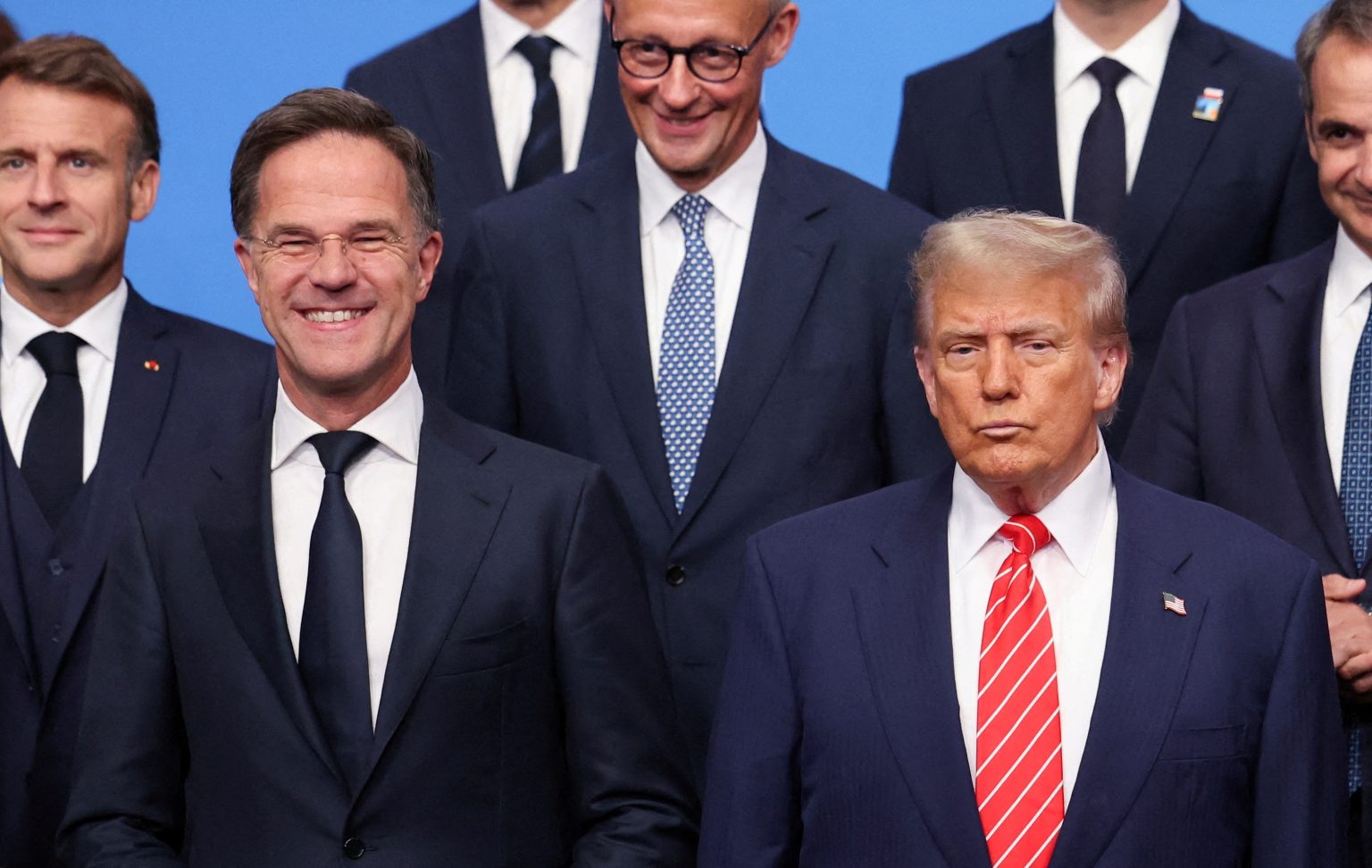
In recent years, European and US intelligence agencies have increasingly warned that Russia could test NATO’s defenses within the next several years. Some estimates suggest Moscow could attack a member state by 2029, while others envision an even earlier confrontation.
The problem for the alliance is that NATO’s preparations are progressing more slowly than the threat itself. Many European defense modernization plans are not expected to reach full capacity until around 2035. This creates a potentially dangerous window that Russia could exploit.
At the same time, the nature of warfare is changing rapidly. The wars in Ukraine and the Middle East suggest that military success increasingly depends not on a small number of advanced systems but on the ability to produce large quantities of cheap, effective weapons.
Ammunition Shortages and the Cost of Modern Warfare
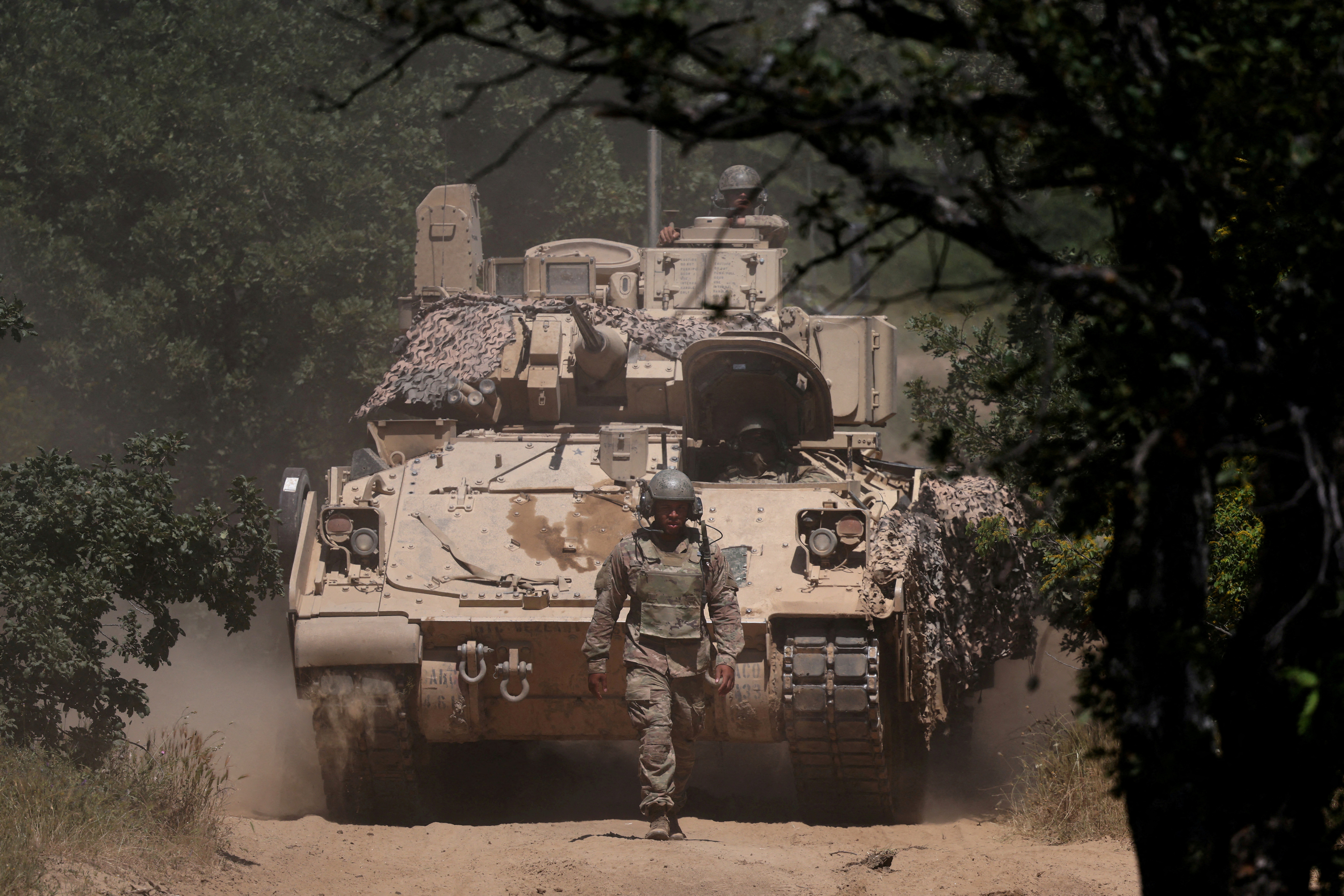
One of NATO’s most significant weaknesses is its shortage of ammunition and missile stockpiles. The conflict in the Middle East demonstrated how quickly even the United States can deplete critical systems. According to several reports, Washington used a substantial portion of its Patriot missile inventory during regional operations, while France reported declining stocks of Aster and Mica missiles in the first weeks of the conflict.
The imbalance between the price of weapons and the value of the targets they destroy has become another major concern. Advanced interceptor systems often cost millions of dollars, while the drones they are designed to stop may be worth only tens of thousands. Such a model is difficult to sustain in a prolonged war.
Recent conflicts in the Middle East and Ukraine suggest that NATO may need to rethink long-standing assumptions about air superiority. Modern warfare increasingly rewards volume, production speed and adaptability, not technological superiority alone. That points to a growing need for cheaper, more flexible defensive systems.
Naval Weaknesses and Political Divisions
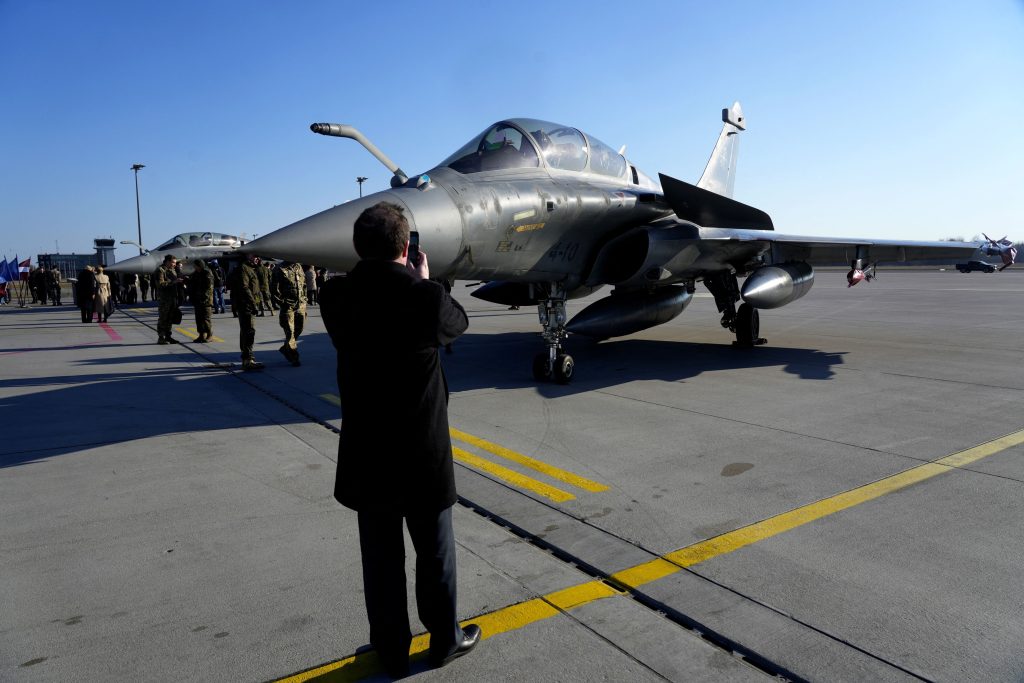
NATO also faces serious naval limitations, particularly in Europe. Britain recently encountered technical problems with HMS Dragon, forcing the destroyer to withdraw from deployment. According to some estimates, fewer than half of Canada’s naval vessels are fully operational.
In a conflict with Russia, naval forces would play a critical role. NATO would likely need to track Russian submarines in the Arctic, secure maritime supply routes and counter vessels equipped with long-range missiles.
A lack of investment, personnel shortages and technical readiness therefore weaken the alliance’s ability to manage a complex military confrontation.
Political divisions inside NATO present an equally serious challenge. Differences between the United States and European allies became visible during the conflict in the Middle East, when several European governments declined to support US military operations.
Meanwhile, the Pentagon recently announced plans to withdraw 5,000 US troops from Germany, raising fresh questions about America’s long-term military posture in Europe.
Concerns are also growing over whether the United States and its allies would react quickly and decisively enough in the event of a direct confrontation with Russia. The central question remains whether NATO members would invoke Article 5 rapidly and whether the alliance could respond with unity.
Without political cohesion, even the world’s most advanced military alliance risks reduced effectiveness.

NATO’s Personnel Problem
The war in Ukraine has highlighted another vulnerability: manpower.
Surveys in several European countries indicate that only a minority of citizens would be willing to defend their country in the event of war. In Germany, some polls place the figure at 23%. In Italy, it falls to 14%.
Ukraine itself, despite extensive Western support, continues to face mobilization difficulties and personnel shortages after years of war.
These trends raise broader concerns about whether NATO member states are prepared for a prolonged conflict involving heavy casualties and long-term societal pressure.
At the same time, Russia has adapted more quickly to the realities of modern warfare. In Ukraine, Moscow increasingly relies on cheap drones, decentralized operations and flexible battlefield tactics.
Russia is also capable of producing thousands of drones each month, placing continuous pressure on Ukrainian and Western air defense systems. Its strategy increasingly focuses on exhausting opponents over time rather than achieving rapid breakthroughs.
This approach contrasts sharply with NATO’s traditional reliance on smaller numbers of technologically superior systems.
Ukraine’s Growing Role in European Security
Paradoxically, Ukraine has become one of the most important contributors to Europe’s future security architecture.
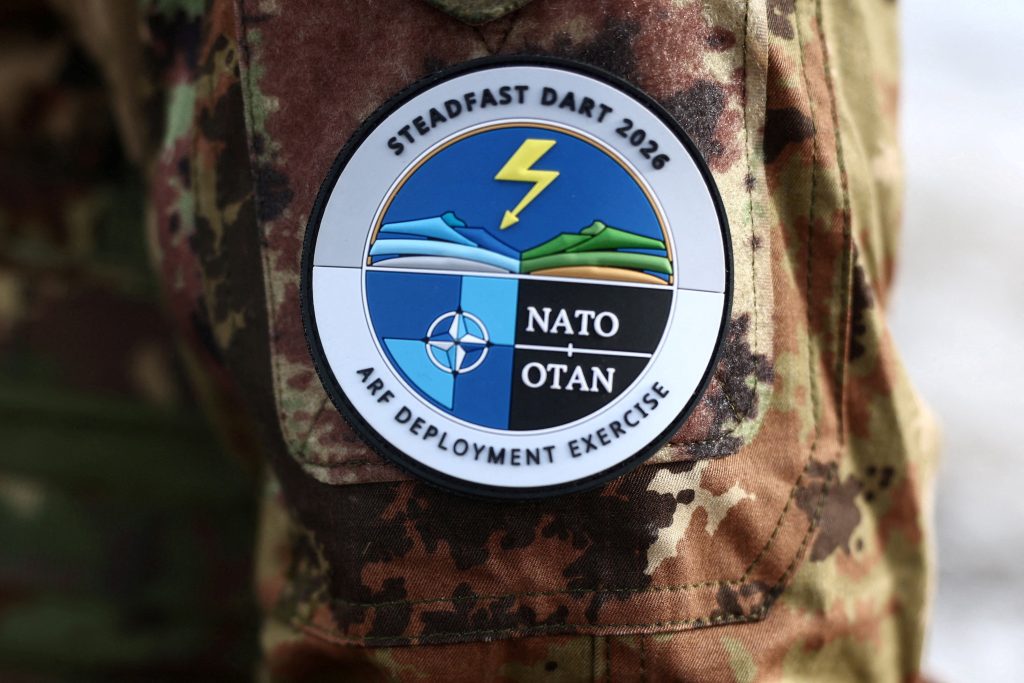
Its battlefield experience with drones, electronic warfare and adaptive military tactics now provides NATO with valuable operational lessons. Some analysts increasingly describe Ukraine not only as a recipient of Western assistance, but also as a provider of security expertise.
Without closer integration of Ukraine into Europe’s broader security framework, NATO risks losing both strategic knowledge and practical battlefield experience.
Yet views on Ukraine remain divided across Europe. Slovak Defense Minister Robert Kalinak recently argued that there is a gap between the public rhetoric and private positions of some European leaders regarding the war.
He also criticized what he described as Kyiv’s broader geopolitical ambitions beyond Ukraine itself, including activities in countries such as Libya and the United Arab Emirates.
These disagreements reflect a wider problem inside NATO: the absence of a unified long-term political vision. In a future confrontation with Russia, political cohesion may prove just as important as military strength.
NATO at a Strategic Crossroads
NATO still possesses enormous military resources and technological advantages. Yet the alliance increasingly lags behind in production capacity, strategic adaptation and political unity.
Ammunition shortages, outdated assumptions about warfare, naval weaknesses and internal divisions together create the image of an alliance that may not yet be fully prepared for a prolonged conflict with Russia.
If NATO hopes to deter future aggression, it may need to rethink its approach from the ground up, including weapons production and procurement, political coordination and military doctrine.
Otherwise, the alliance risks finding itself with impressive capabilities on paper, but insufficient strength on the battlefield when it matters most.