
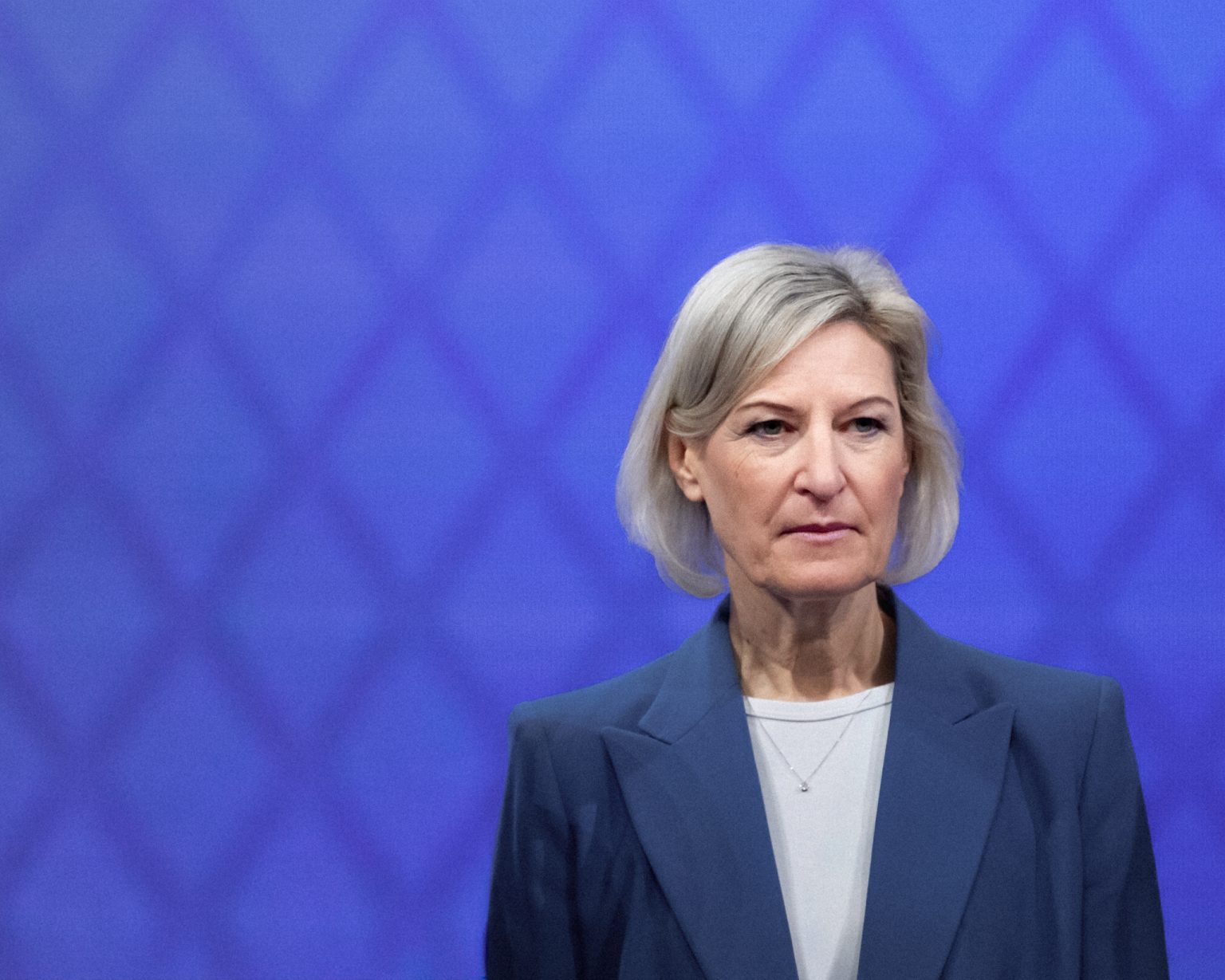
After a majority of European parliamentarians struck down a move to lift the immunity of long-serving council member Angelika Niebler, politicians and observers across the political spectrum expressed frustration over a lack of transparency and apparent bias in applying the process.
Niebler, a Brussels veteran who heads the Christian Social Union (CSU) group in the European Parliament, was accused of allegedly misusing European Parliament (EP) funds for private purposes, including being chauffeured to private and business appointments.
However, following a recommendation from the EP’s legal affairs committee (JURI), a majority of MEPs voted against lifting her immunity after a request from the European Public Prosecutor’s Office (EPPO) in a secret ballot.
The vote came after JURI warned the parliament it had serious doubts about the motives behind the case against Niebler, adding that it may have been politically motivated to damage her reputation.
The decision immediately drew criticism from across the political spectrum over concerns regarding transparency and potential bias.
Several parliamentary figures initially supporting Niebler were reportedly uncomfortable with the way in which the case proceeded. One politician in the ruling European People’s Party told the news site Euractiv that Niebler “played it quite smart, promising transparency and then organising a majority” to protect her.
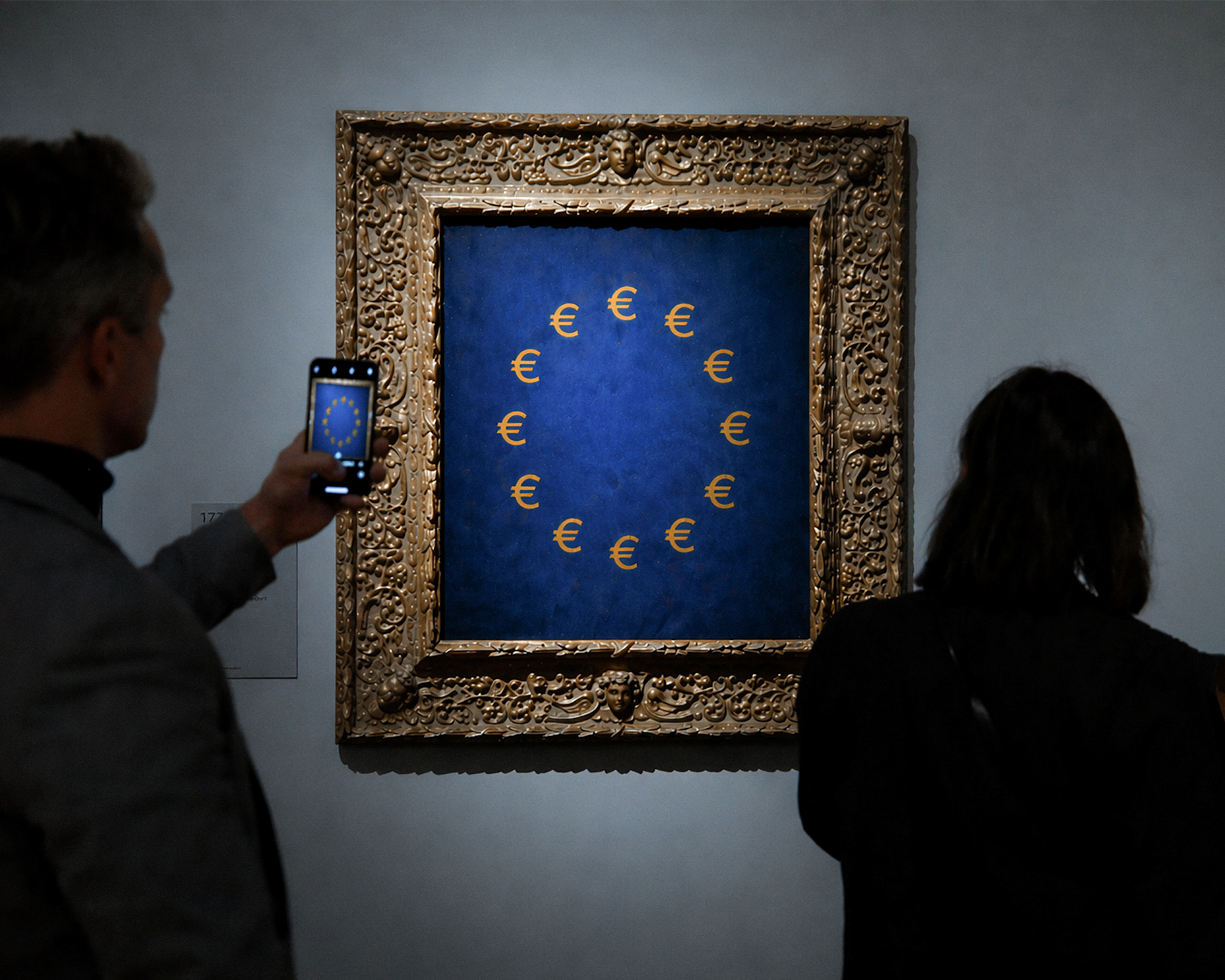
EU Lawmakers "Obstructing Justice"
The decision highlighted a “culture of impunity”, the director of the watchdog Transparency International EU Nick Aiossa said in a statement. He accused MEPs of taking action “tantamount to obstruction of justice of a criminal investigation”.
“Where the facts could be laid bare, MEPs have chosen to hide them”, Aiossa said following the decision.
The EU watchdog has previously called for greater transparency into how European lawmakers use public funds, citing a 2023 report from Dutch group Follow the Money (FTM) alleging as many as 140 MEPs had misused such money.
Transparency International says there is insufficient openness around the use of the more than €50,000 per year allocated to each MEP, adding that parliament has repeatedly voted against legislation that would improve oversight.
The decision to block an EPPO investigation into Niebler’s alleged misuse of public funds contrasts with the approach taken in a case involving French politician Marine Le Pen.
The former leader of the anti-establishment National Rally, was found guilty of misspending her parliamentary allowance by a French court in a verdict she called a “political decision” and which she immediately appealed.
While Le Pen’s comments related to her own national context, questions about the politicization of the EP’s decisions on immunity have also been raised.
Politicization of Immunity Decisions
In April, the EP waived immunity for four conservative Polish politicians following a request from Polish authorities.
(I will insert graph here when it is ready)
One of the accused, Gabriel Obajtek, said the vote gave Poland’s current government “the green light to continue repressing political opponents”, while another, Patryk Jaki, described the proceedings as an attempt to “persecute the political competition”.
Jaki is a former minister in the conservative Law and Justice (PiS) party, whose leader Jarosław Kaczynski, accused the EP of enabling “further repression” against opposition politicians and punishing those who defend religious and national values.
Poland is one of the top three countries for requesting lifting immunity of MEPs, according to a report from FTM, with many cases aimed at right-wing parliamentarians. Four other PiS MEPs – Adam Bielan, Maciej Wasik, Mariusz Kaminski and Michal Dworczyk – have also had their immunity lifted to face charges brought by Polish prosecutors.
According to FTM, 127 requests for immunity have been made since 2014. Greece, Poland, and France submitted the most requests in this time, accounting for almost half. Only 15 of those requests were rejected, according to the Dutch group.

Some Countries Receive Preferential Treatment
Concerns of politicization of the immunity mechanism have also been raised by European politicians on the left, with two parliamentarians indicating that cases from Hungary - previously led by eurosceptic PM Victor Orban - should be treated differently from other member states.
Referring to a case brought by Hungarian prosecutors, Socialists and Democrats MEP René Repasi told FTM that when “there are clear signs that someone won’t get a fair trial, we should handle requests from those countries differently than we would from, say, the Netherlands, Denmark, Spain, or Portugal”.
His comments came after a secret ballot on a request to lift the immunity of left-wing politician and fellow S&D MEP Ilaria Salis narrowly failed by just one vote. Salis is wanted by prosecutors in Hungary for allegedly participating in a series of attacks organized by a German left-wing militant group linked to Antifa. She has denied the accusations.
In a separate instance relating to another case against S&D members, The Left co-chair MEP Manon Aubry also highlighted his belief that requests should be treated differently depending on the state they come from.
Commenting on a case in which Belgian officials sought the lifting of immunity from two S&D lawmakers, Aubry said in December 2025: “If the MEPs are not guilty… they are not going to be proved guilty with a proper judicial system.” He added: “I don’t think we can compare the Belgium judicial system with the Hungarian one, for example.“
The ruling group in Parliament, the EPP, has defended the immunity process. Axel Voss, the group’s coordinator on the JURI committee, told Politico that it is “precisely the role of the Committee to identify allegations that are made on fabricated, irrelevant grounds with the aim of causing political harm to Members of the European Parliament”.
In the case of Niebler, Voss said, “following a thorough examination of the allegations, a hearing of the accused and extensive discussion, the members of the Committee concluded by a large majority (16:3:3) that this is indeed such a case”.