
Trinidad, a small town in eastern Texas with around 860 residents, has become the unlikely focus of an international dispute over water quality, government power and free speech.
The case touches on a basic principle of liberal public life. Can the state arrest a citizen for warning on social media, on her own initiative, about possible health risks when the precise facts remain disputed or unclear? And must a democracy tolerate such warnings as long as there is no proof that the person knowingly lied or caused concrete panic?
Jennifer Combs had used her Facebook page Southern Belle Watch to report complaints from the town. According to media reports, she wrote that she had received information that residents had been taken to hospital because of bacteria in the water. She also asked others to come forward if their water was discolored, smelled, contained sediment or had caused health problems.
Threshold for a False Alarm
Trinidad police arrested Combs on 8 May, treating her Facebook post as a criminal false alarm. In Texas, knowingly false reports about a present, past or future emergency can be prosecuted if they trigger an official response or put people in fear. The charge can become more serious when it concerns public water, gas or electricity supplies, and may then rise to a state jail felony.
The use of that provision in Combs’s case is problematic and has sparked suspicion of an attempted act of censorship. The key question is not only whether her statement was objectively false. It is whether she knew it was false or baseless, and whether her post amounted to a criminal alarm at all.
Local officials have taken a hard line. The police chief described the case as clear-cut and said the claim that residents had been taken to hospital because of bacteria in the water was false. The city also noted that discolored water could be caused by rust, sediment or old pipes.
Public Risk or Public Scrutiny?
The authorities argue that anyone who deliberately invents a health hazard can cause real harm. Public utilities are sensitive infrastructure, and claims that the water supply is contaminated can create a public risk. Local officials say the essential importance of drinking water therefore justifies firm action.
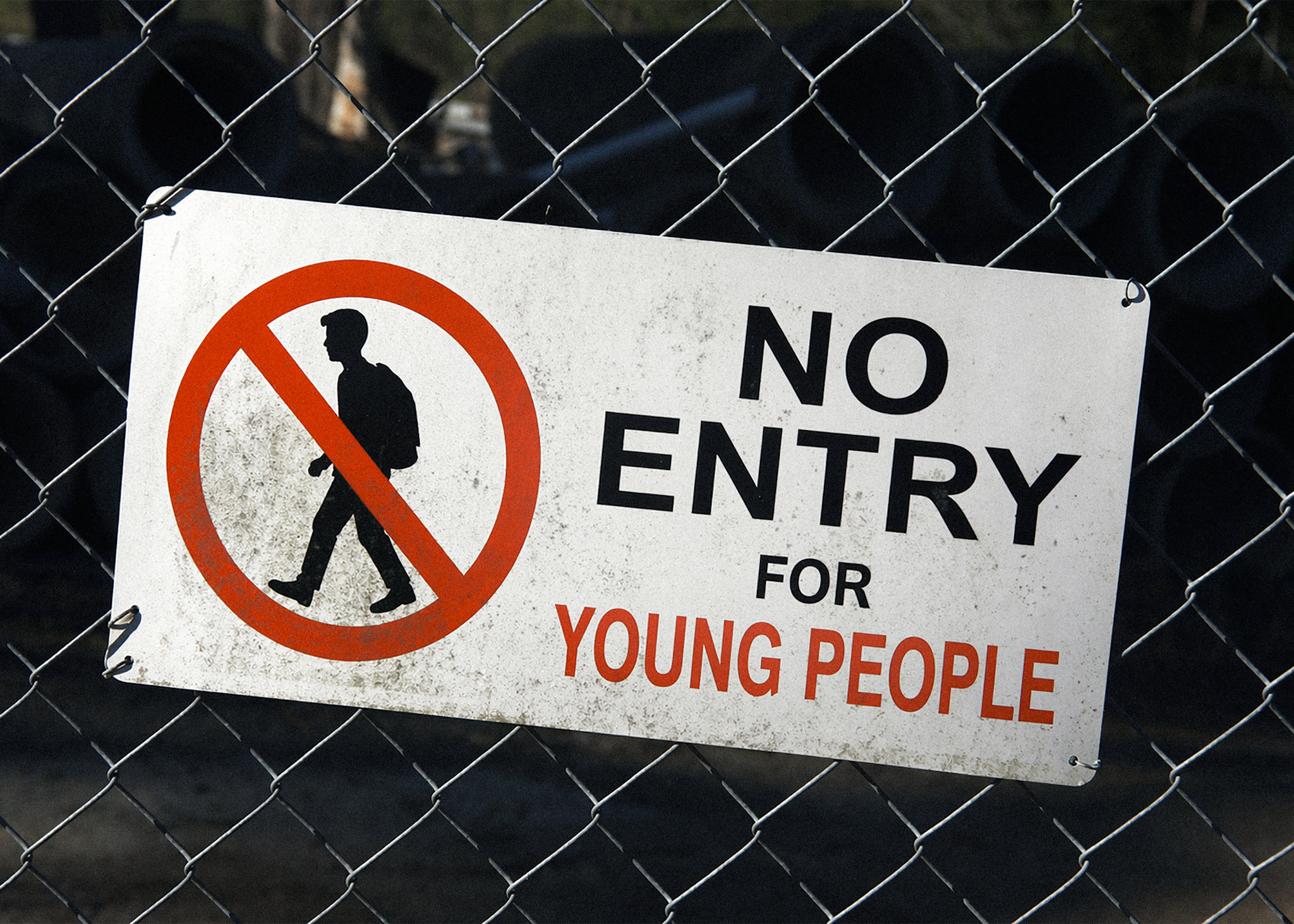
Critics say the case points to a broader question about how far citizens may go in voicing concerns, gathering information, alerting authorities and asking other residents to document suspected failings without risking criminal prosecution.
Combs did not claim there had been a catastrophe. She published what had been reported to her and asked for tips and information that she intended to pass on to officials. On that view, her post looked more like research than a false alarm.
The Chilling Effect
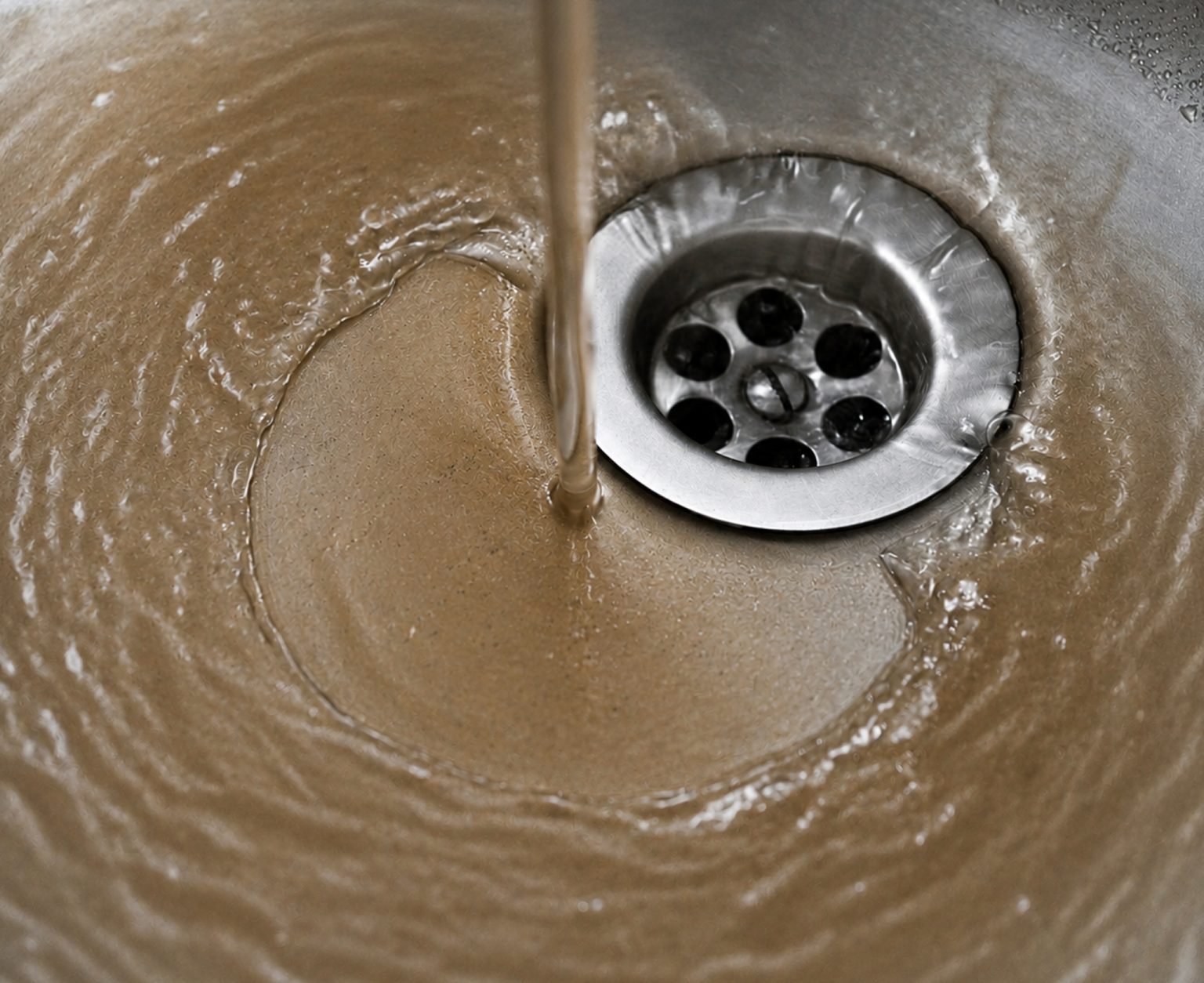
The city of Trinidad later acknowledged problems with its water system. The mayor said the town’s pipes dated from the 1950s and that the drinking water situation was unquestionably difficult. Photos published elsewhere showed brown water running from a tap.
A few days after Combs’s Facebook post, Trinidad was also placed under a boil-water notice. Her concern was therefore not invented out of thin air.
Combs’s arrest and overnight detention sent a sharp signal. Punish one, warn many. In American constitutional debates, this is known as a chilling effect. People then remain silent not because a court has ruled against them, but because they fear being dragged into criminal proceedings at all if they speak out.
When Criticism Meets Handcuffs
The arrest recalls the treatment of Priscilla Villarreal, a Texas-based citizen journalist known online as La Gordiloca. She was jailed in 2017 after publishing information she had obtained from a police officer about people involved in a suicide and a fatal car crash. The criminal charges against her were later dismissed by a state judge, but her civil lawsuit against local officials ultimately failed after federal courts found that the officials were protected by qualified immunity.
The two episodes are not identical, but the pattern is similar. In both, local authorities treated uncomfortable information published online not as public scrutiny, but as grounds for criminal prosecution.
In Combs’s case, the criminal allegation also appears to have gone no further. According to media reports, a grand jury declined to indict her. At the same time, a lawsuit against the city and municipal officials over the water supply is pending, and the town’s water quality is now being examined in detail.
The question of censorship, however, remains relevant, especially as the underlying concerns were not invented.
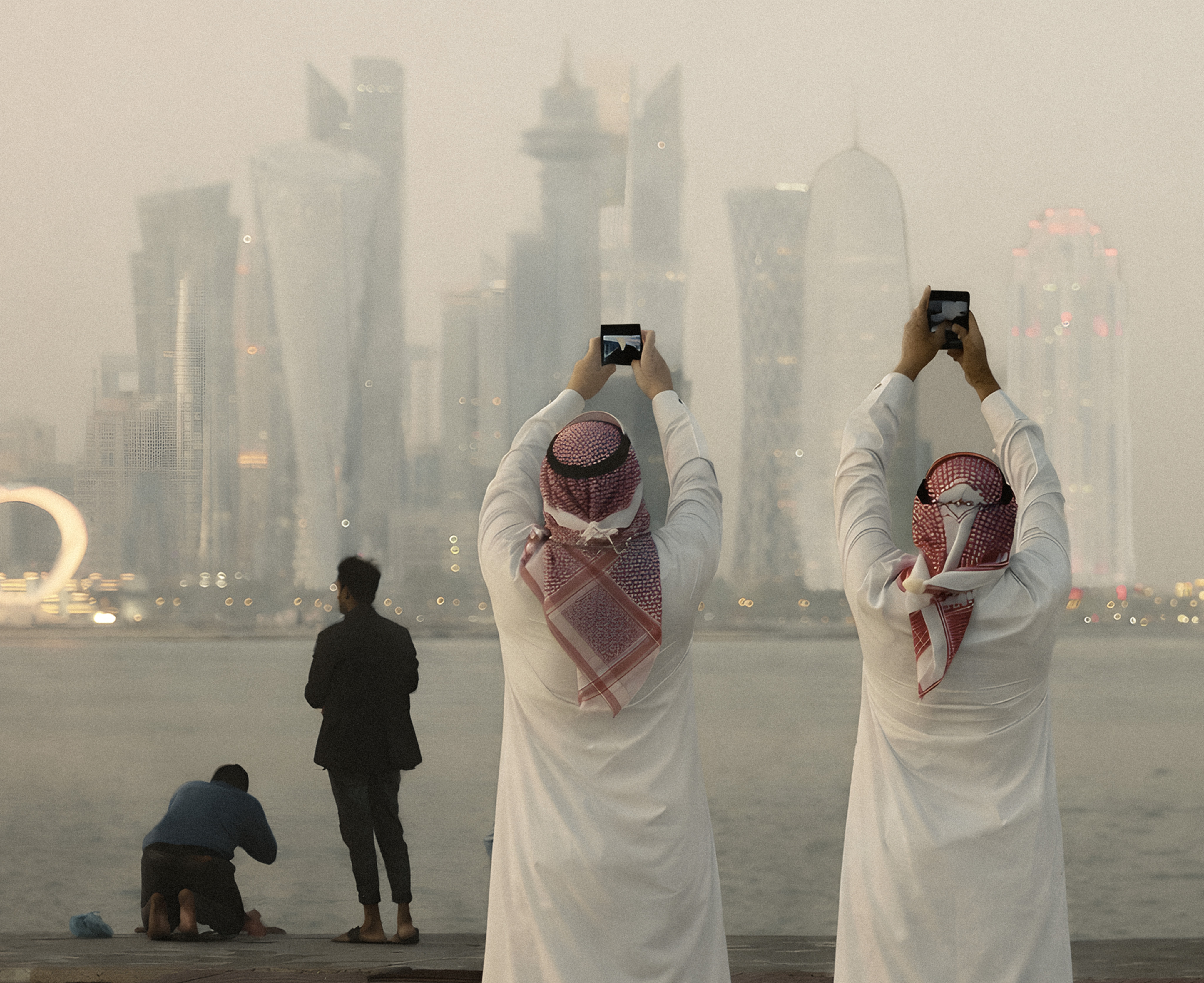
The episode also invites comparison with more restrictive approaches elsewhere. In the United Arab Emirates, users of X were reportedly punished for posting images and videos of Iranian attacks on Dubai.
Both examples show how sensitive it becomes when authorities respond to online posts about contested or inconvenient information with punitive measures. In the United States, where free speech has constitutional protection, the arrest of a citizen over such a post requires especially careful justification.