
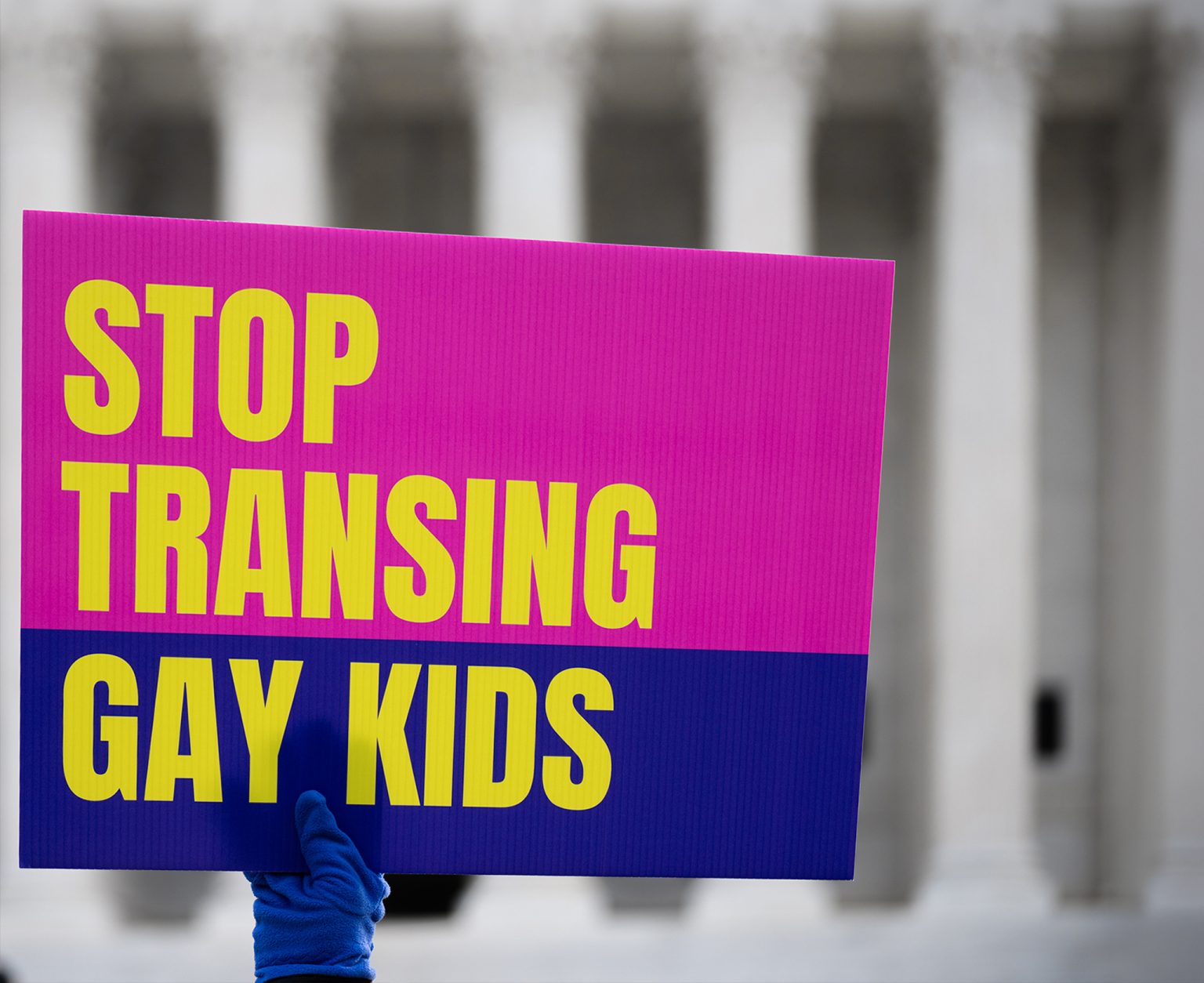
Many doctors and public institutions argue that hormonal treatment or surgery can improve the mental health and well-being of people experiencing gender dysphoria. Supporters of so-called “gender-affirming care” (GAC) point to studies suggesting that medical intervention, counseling and social support can help transgender people align their physical appearance with their gender identity.
The American Medical Association describes GAC as medically necessary in some cases and says many patients report improved mental health outcomes after treatment. The American Academy of Pediatrics also supports puberty blockers and hormone therapy for appropriately assessed minors.
At the same time, major medical organizations stress that such interventions require extensive psychological evaluation and careful diagnosis. The Endocrine Society, one of the leading professional bodies in the field, says specialists must distinguish gender dysphoria from other psychological conditions while also assessing broader social and mental health factors before treatment. The organization further states that irreversible medical interventions should be performed only in adults with a well-documented condition who are capable of making fully informed decisions.
In February 2026, the American Society of Plastic Surgeons recommended delaying sex reassignment surgery until at least age 19, citing uncertainty surrounding long-term evidence and increasing reports of medical complications and regret.

Detransition Lawsuits Gain Momentum
As the medical debate intensifies, lawsuits connected to gender-transition procedures are increasing in the United States. A growing number of detransitioners, people who later reversed their transition, allege that doctors and therapists failed to conduct adequate psychological assessments before recommending hormones or surgery.
Several lawsuits accuse clinics and medical professionals of rushing vulnerable patients into irreversible procedures without properly examining underlying mental health conditions or alternative explanations for psychological distress. Plaintiffs also argue that informed consent was often superficial and failed to fully explain long-term consequences such as infertility, chronic pain, scarring, sexual dysfunction or later regret.
Many of the cases involve minors or young adults with histories of ADHD, depression, anxiety, autism or trauma. Critics say these patients required greater caution and longer-term psychological assessment before undergoing irreversible interventions.

Camille Kiefel’s Lawsuit
One of the most prominent lawsuits was filed by Camille Kiefel, a 32-year-old American woman who sued therapists, a surgeon and a hospital after undergoing a double mastectomy.
According to the lawsuit, Kiefel had long struggled with ADHD, depression, anxiety and suicidal thoughts linked to childhood trauma. After becoming interested in transgender issues during college, she came to believe that adopting a male identity might explain her psychological difficulties.
Kiefel alleged that therapists Amy Ruff and Mara Burmeister recommended breast removal after only two short consultations conducted via Zoom. The lawsuit claims the therapists failed to adequately consider her mental health history before recommending irreversible surgery.
Kiefel later underwent a double mastectomy but said the procedure did not resolve her psychological problems. Less than two years later, she detransitioned.
She eventually reached a confidential settlement with some of the defendants. A separate lawsuit against surgeon Tina Jenq and the Oregon Cosmetic and Reconstructive Clinic remains ongoing. According to the complaint, the surgeon allegedly failed to obtain psychological clearance from Kiefel’s regular therapists before operating.

Jury Awards Damages in Fox Varian Case
Another high-profile case involved Fox Varian, who underwent a double mastectomy at age 16 after receiving a recommendation from psychologist Kenneth Einhorn.
Varian later detransitioned and sued both the psychologist and surgeon Simon Chin. The lawsuit argued that the psychologist failed to properly assess her mental health history, ignored her age and existing diagnoses, and recommended surgery despite lacking specialist training in transgender medicine.
According to the complaint, Varian had previously been diagnosed with autism, ADHD, anxiety, depression and social phobia. The lawsuit also alleged that informed consent was inadequate and that the surgeon proceeded without independently consulting a psychologist despite the patient being a minor.
A New York jury awarded Varian $2m in damages, including compensation for pain and suffering as well as future medical expenses. The case became legally significant because it focused not on transgender ideology itself, but on whether doctors and therapists met the required standard of professional care before performing irreversible surgery.

Broader Questions About Medical Responsibility
Similar lawsuits have emerged across the United States involving plaintiffs such as Chloe Cole and Prisha Mosley, who claim they underwent irreversible procedures without sufficient psychological assessment beforehand.
The central legal question in many of these cases is whether doctors adequately verified diagnoses, explored less invasive alternatives and ensured patients fully understood the long-term consequences of treatment. Surgeons are also accused in some lawsuits of relying too heavily on referral letters from therapists without conducting independent evaluations of psychological readiness.
Critics argue that some medical professionals have become too willing to affirm a patient’s desired identity without sufficient caution, particularly when dealing with minors or psychologically vulnerable individuals. Supporters of gender-affirming care, meanwhile, warn against using malpractice cases to discredit treatments that many transgender patients say improved their lives.
The growing number of court cases has intensified the debate over how doctors should balance patient autonomy, mental health concerns and the irreversible nature of some gender-transition procedures.
For both supporters and critics of current medical practices, the lawsuits increasingly center on one question: where should the boundary lie between respecting patient identity and exercising medical caution?