Disputed Claims of Russian Hacking
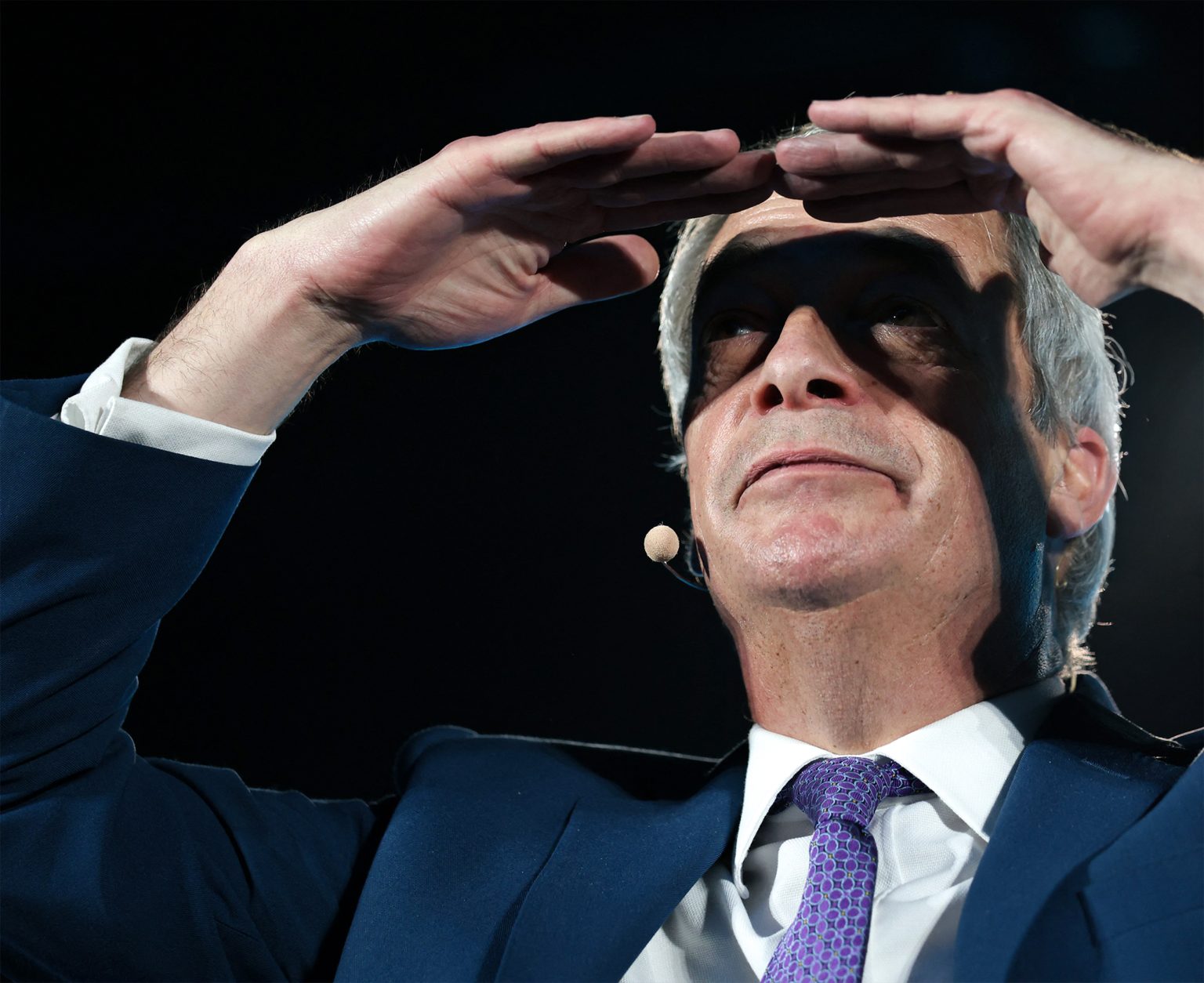
The controversy widened after Farage claimed that hostile state actors, allegedly linked to Russia, had accessed his phone, email and bank accounts and leaked details of the payment.
According to Reform UK sources, forensic analysis suggested that spear-phishing techniques had been used to compromise his accounts. The party said the matter had been reported to the relevant authorities, but did not initially confirm whether this included the Metropolitan Police or the National Cyber Security Centre.
Labour chair Anna Turley later wrote to Farage asking him to confirm whether he had reported the alleged hack to police or security officials. When he failed to do so, Labour referred the matter to the authorities itself.
The allegation remains disputed. Ciaran Martin, the former head of the National Cyber Security Centre, described Farage's claim as unsubstantiated and said any evidence should be passed to the proper authorities. Cybersecurity experts have also warned that it is difficult to attribute a hack to Russia without detailed technical evidence.
Farage insists the episode shows the seriousness of foreign interference. His opponents argue that the hacking claim risks diverting attention from the central issue of the £5 million gift and whether it should have been declared.
A Wider Pattern of Russian Cyber Activity
Even if Farage's allegation remains unproven, Russia-linked cyber operations have repeatedly targeted British politics.
In 2023, the UK government accused Russia's Federal Security Service, the FSB, of running a long-term cyber campaign against politicians, civil servants, journalists, academics and others involved in public life. The National Cyber Security Centre said the group known as Star Blizzard was almost certainly subordinate to Centre 18 of the FSB.
The campaign relied heavily on spear phishing, a method in which attackers impersonate trusted contacts to trick victims into revealing passwords or opening malicious links. British officials said the aim was to gather sensitive information and interfere in the democratic process.
One of the clearest named cases involved former trade secretary Liam Fox. In 2020, reports said suspected Russian hackers had accessed a personal email account used by Fox and obtained UK-US trade documents. Some of those documents later appeared online before the 2019 general election and were used in the campaign debate over the future of the NHS.
Sir Keir Starmer has also reportedly been affected. According to reports based on the book Get In, Starmer was forced to stop using a personal email account in 2022 after it was suspected of having been compromised by Kremlin-linked hackers. The incident allegedly occurred while he was leader of the opposition, after Russia's full-scale invasion of Ukraine.
Former prime minister Liz Truss has also been named in reports about suspected Russian hacking. Her phone was reportedly compromised while she was foreign secretary, although the full details have never been officially confirmed.
Other MPs have said they believe they were targeted. Labour's Ben Bradshaw said in 2019 that he believed he had been subject to Russian interference. British officials have also said that parliamentarians from several parties were targeted by Star Blizzard, although many victims have not been publicly named.
The distinction matters. Some cases, such as the Fox email hack, have been reported in detail and linked to Russian actors by UK officials or media reports citing investigators. Others, including Farage's claim, remain allegations that require independent verification.