

The strained financial position of the Federal Employment Agency (BA) is continuing to worsen. The BA is Germany’s central authority for employment services, unemployment insurance and labor market support. Under previous plans, the Nuremberg-based agency had already expected a deficit of almost €4bn ($4.7bn) in 2026. Current forecasts point to a gap that could grow to more than €5bn ($5.8bn) by the end of 2026. Some government sources have put the figure as high as €8bn ($9.3bn).
Such a steep increase would turn an expected shortfall into a budgetary problem with considerable political force. The BA is financed mainly through unemployment insurance contributions, which in Germany are paid equally by employees and employers. If revenue from those contributions is not sufficient, the state has to step in. For 2026, the plan had been to cover the previously identified deficit through liquidity support from the federal budget. The increase effectively adds a new burden at a time when that budget has hardly any room for maneuver left.

Weak Economy
The gap stems from Germany’s persistently weak economy. Companies are investing less, hiring more rarely and cutting jobs. The result is rising unemployment and higher spending on unemployment benefits, employment services and labor market programs. At the same time, revenue is falling. Those who lose their jobs no longer pay into the system, but draw money from the insurance fund.
The BA’s financial position is not the cause of the economic crisis, but a consequence of it, Marie-Christine Ostermann, president of the business association Die Familienunternehmer, said in a press release. “As long as Germany does not get back on track on growth, investment and competitiveness, the deficits will continue to rise – regardless of what short-term savings measures are adopted.”
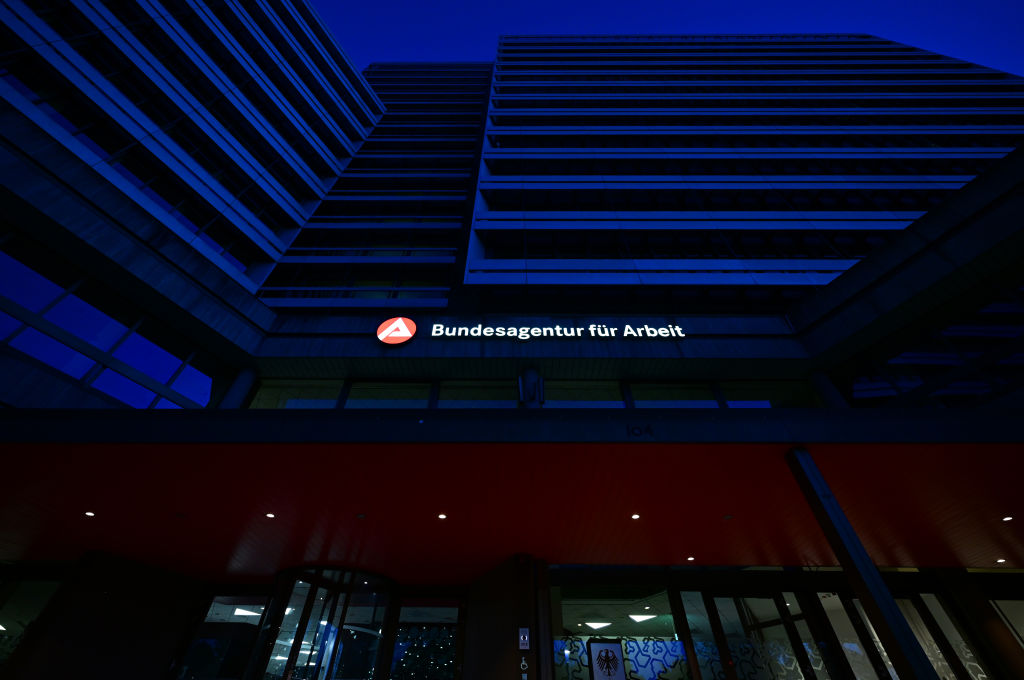
After several years of crisis, the agency also has hardly any reserves left. The current economic weakness is now turning into a financing problem for the BA. A structural economic crisis, high energy and raw material prices and a political class unwilling to counter the situation with reforms are now feeding through to the unemployment insurance fund.
Federal Support as the First Option
The most obvious solution at present is stronger support from the federal government. That does not resolve the structural question, because it merely shifts the burden from contributors to the general budget, which is financed by all taxpayers.
A second option would be savings within the BA. That would affect administration, investment and programs. The scope for such cuts is limited. In a period of rising unemployment, the agency needs staff, digital systems and support instruments to help people return to work more quickly. Cuts could provide temporary relief, but weaken employment services over the longer term.
Third, cuts to benefits for unemployed people are being discussed. Possible measures include changes to unemployment benefit, including the duration of entitlement. Such steps could provide significant relief for the budget, but would be politically sensitive because the Social Democrats in particular would oppose any reduction. They would also hit unemployed people at a time when the labor market is under strain.
An increase in unemployment insurance contributions also remains an option in the background. It would stabilize the agency’s revenue on paper, but would make labor more expensive for both employees and employers.