
Germany, France and the UK are working with Kyiv on plans to bring Russia to the negotiating table, according to Bloomberg, which cited anonymous sources familiar with the discussions. The European allies believe a shift in the dynamics of the conflict is strengthening Ukrainian President Volodymyr Zelensky's hand.
Moscow, meanwhile, has its own preferred figure in mind: former German Chancellor Gerhard Schröder, Putin’s longtime friend, who was spotted in the Russian capital this week. It is not a choice European capitals are likely to warm to.
The leaders of Europe's three largest economies are exploring direct talks with both sides and appear to have already consulted Kyiv on their plans. The German government said on 3 June 2026 that the window for dialogue with Russia was gradually opening, while cautioning that real negotiations remained months away and would need to be conducted in full coordination with Ukraine.
France and Britain did not respond to Bloomberg's requests for comment. The German government declined to comment.
Bloomberg's sources say European leaders moved because US-led negotiations have stalled and Russian forces have taken significant casualties, leaving parts of the front in stalemate. Ukrainian drone strikes deep inside Russia are adding to the pressure on the Kremlin, and opposition to the war within Russia appears to be growing.
Beating the Winter Deadline
The allies believe that talks could spare Ukraine another winter of war, when Russia has traditionally intensified attacks on civilian infrastructure and energy supplies to break Ukrainian morale.
What they will not do, sources stress, is force Zelensky's hand. European countries have made clear that they will not pressure the Ukrainian president into accepting a strategy against his wishes.
British Prime Minister Keir Starmer is expected to meet German Chancellor Friedrich Merz and French President Emmanuel Macron in the coming days, as the E3 countries step up consultations. The talks coincide with the International Economic Forum in St Petersburg, where Putin is due to speak.
Zelensky, for his part, has repeatedly called for more Patriot air defense systems and urged Europe to take a more prominent role in diplomatic efforts hitherto led primarily by the United States. He has also pressed allies to tighten pressure on Moscow.
The Case Against Talks
The approach is not without its critics. Some officials, including figures within the E3 countries themselves, argue that the moment for negotiations has not yet arrived.
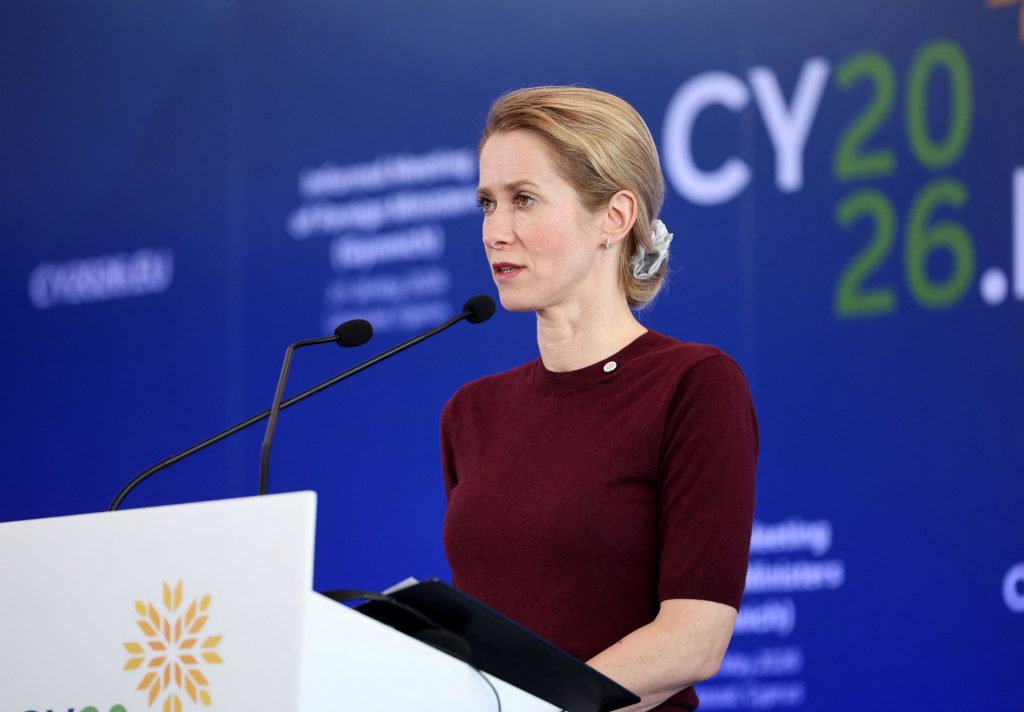
The most prominent skeptic is Kaja Kallas, the EU's High Representative for Foreign Affairs and Security Policy, who has warned that Europe risks "falling into the Russian trap" by offering talks from a position of weakness. Putin, she argues, should first be compelled to make concessions through sustained pressure and sanctions. Without that, any negotiations would amount to little more than a pause that benefits Moscow.
In this view, Putin has shown no serious willingness to negotiate and continues to press maximalist demands, including the withdrawal from territories Russia does not even occupy. The priority, critics argue, should be arming Zelensky and tightening sanctions.
Europe, they insist, should not be the one seeking talks. Given Russia's mounting economic difficulties and sustained battlefield losses, the pressure to negotiate should come from Moscow, not the other way around.
Cracks in the Kremlin
Senior officials at Russia's finance ministry and central bank have again warned Putin that the costs of the war and associated arms production are becoming unsustainable – one of the first signs of internal dissent in Moscow since the full-scale invasion began. Putin has repeatedly brushed aside these warnings and ordered military spending to be maintained at the expense of other areas.
Tensions are also rising within the security apparatus, according to European intelligence services. At one meeting, Federal Security Service (FSB) chief Bortnikov, Chief of the General Staff Valery Gerasimov and National Guard commander Zolotov reportedly came to blows over who was responsible for failing to protect senior officers.
A separate power struggle is unfolding within the Kremlin itself. Sergei Kiriyenko, deputy head of the presidential administration, leads one camp, which favors governing through political technology. The other, centered on the FSB, specifically the Service for Protection of the Constitutional System, is pushing for tighter repression. The Washington Post has called these the most serious internal divisions Russia has seen since the Yeltsin era.
Putin's Man in Moscow
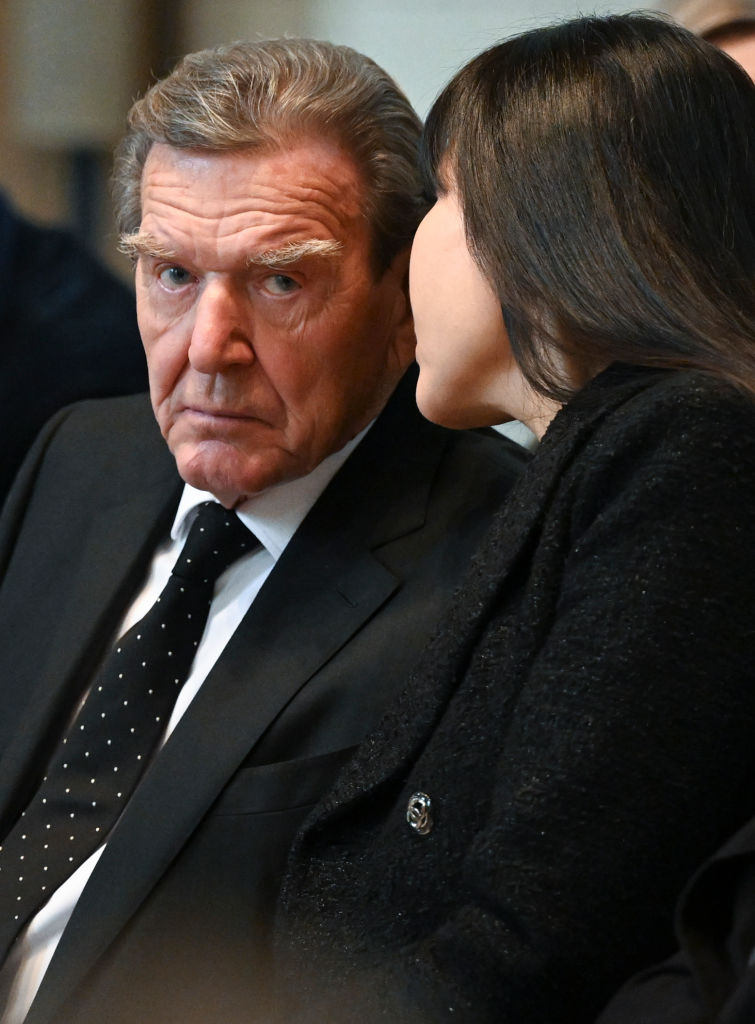
Former German Chancellor Gerhard Schröder is in Moscow, according to the German television channel n-tv, whose correspondent spotted him at the Kempinski Hotel on Tuesday. The purpose of the visit is unknown. Russia had proposed Schröder, a longtime personal friend of Putin, as a possible European negotiator, a suggestion Berlin flatly rejected.
The question of who might represent Europe in any talks remains open. The EU has also floated the names of former German Chancellor Angela Merkel, former Italian Prime Minister Mario Draghi and Finnish President Alexander Stubb. Zelensky has indicated openness to the E3 countries taking the lead but has not ruled out a role for Turkey or the Nordic countries.
German Chancellor Merz said Europeans would decide for themselves who represented them, adding: “No one else will do it for us.” Kallas, the EU’s foreign policy chief, described Schröder as a “Russian lobbyist”.
Schröder served as German chancellor from 1998 to 2005, signing the Nord Stream 1 pipeline deal before leaving office. He went on to hold senior positions in companies linked to Russia's Gazprom, a record that has long drawn accusations of conflicts of interest and undue closeness to the Kremlin.