Consider: A review of the past nine weeks shows that the president has claimed that the war was ending and that peace was almost at hand on an almost weekly basis – eight times, to be precise – over that period. On 15 April, he said the war was “close to over”. On 16 April, the US and Iran were “very close to a deal”. On 6 May, there had been “great progress in talks”. On 23 May, the peace deal had been “largely negotiated and will be announced soon”. On 2 June, the peace deal was “less than a week away”.
Five days later, Iran attacked Israel.
Meanwhile, there is no sign that Iran has budged in the negotiations. In fact, as the negotiations have progressed, the Iranians have publicly sounded increasingly recalcitrant, even as Trump insists peace is getting closer. That is hardly a coincidence – by projecting desperation for peace, Trump is making Iran more confident both at the negotiating table and in ramping up its military activity and assaults on Israel.
The “Art of the Deal”?
Donald Trump’s pitch for the office once seen as the world’s most powerful was largely based on his reputation as a negotiator. During his 2016 campaign, the president insisted that “the one thing I know is deals” and suggested that he was best placed to negotiate both with Democrats and America’s international partners and enemies since he had pioneered “the art of the deal”. That promise looks increasingly fanciful: not only has Trump failed to pass a single signature piece of domestic legislation across six cumulative years in office, but his negotiating position on the international stage looks weaker than ever.
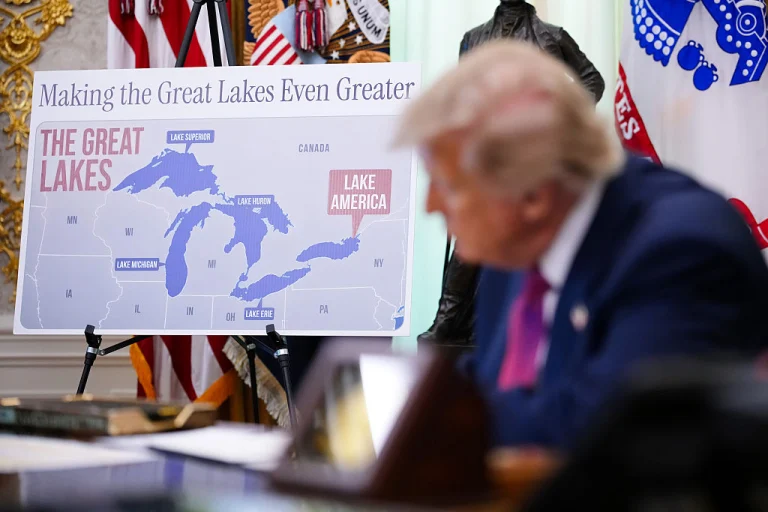
Consider, by way of example, his statement last night that the Iranian strikes would not impact peace negotiations. That is, by any measure, a strange statement to make and amounts to handing the Iranians a pass to fire occasional barrages of missiles without, in so doing, risking a return to American strikes. Consider also that the president’s first words were not to condemn the strikes against his country’s ally, but to warn that ally not to return fire. If a cardinal rule in international diplomacy is “treat your friends better than you treat your enemies”, then the president is breaking that rule, just as he did in Greenland, Canada and in his approach to trade with his allies.
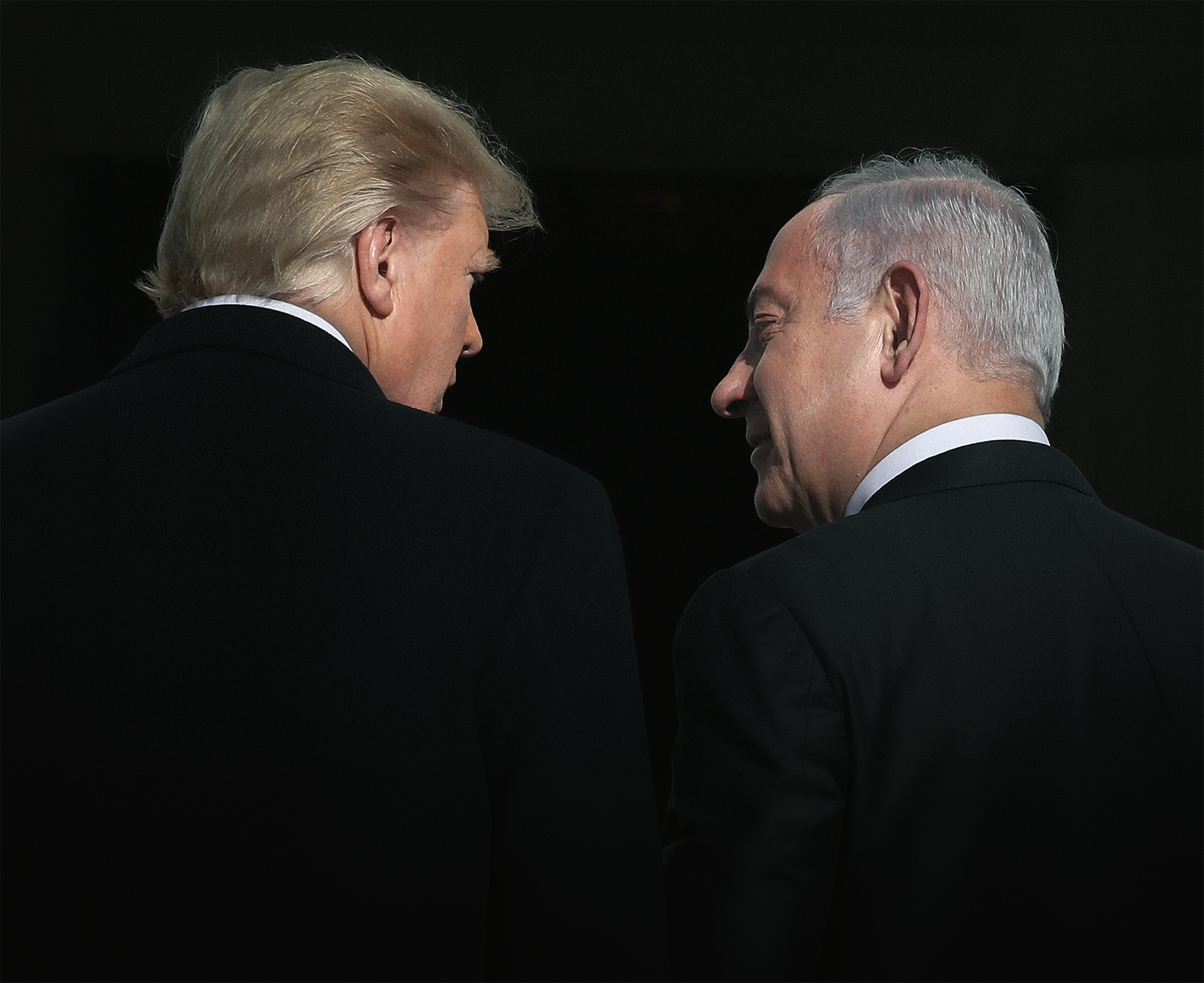
How might this pattern be viewed in Tehran? The regime, at least, has a very clear and obvious strategy: to drive a wedge between Washington and Jerusalem and take advantage of the tension between Israel’s desire for survival and Trump’s desire for peace. Sitting in Tehran this afternoon, it might well be observing the events of the past 24 hours with some satisfaction – for a wedge has indeed been driven, and a gulf between Netanyahu and Trump has obviously emerged.
And given that gulf, what incentive does the regime have to enter peace talks with Trump now? As the president becomes ever more publicly desperate for peace, and as he increasingly appears to blame his own ally for the delay in peace being achieved, the Iranians have no reason to imagine that their hand is weakening: Tehran can continue to instruct its proxy Hezbollah to fire at Israel, provoking Israeli responses and then using that conflict to justify prolonging the talks while Trump tries to leverage Israel into a deal on Iran’s terms.
If this is the “art of the deal”, it is the art of a very bad deal indeed.
Madman Theory
For a large part of the dual Trump presidencies, the president has benefited from “madman theory” – that being the idea that he could, at any point, do just about anything. Up to and including pushing the big red button on his desk, perhaps mistaking it for the one he had installed to order himself a Diet Coke.
The advantage of appearing an unpredictable madman in the eyes of your enemies is that doing so provokes some caution from them in return – the madman throws out ideas of proportional responses and “the escalatory ladder” and might, at any time, decide to retaliate to a provocation with overwhelming economic, diplomatic or military force. He might invade Greenland. He might place a 500% tariff on your country. He might invade North Korea. And so on.
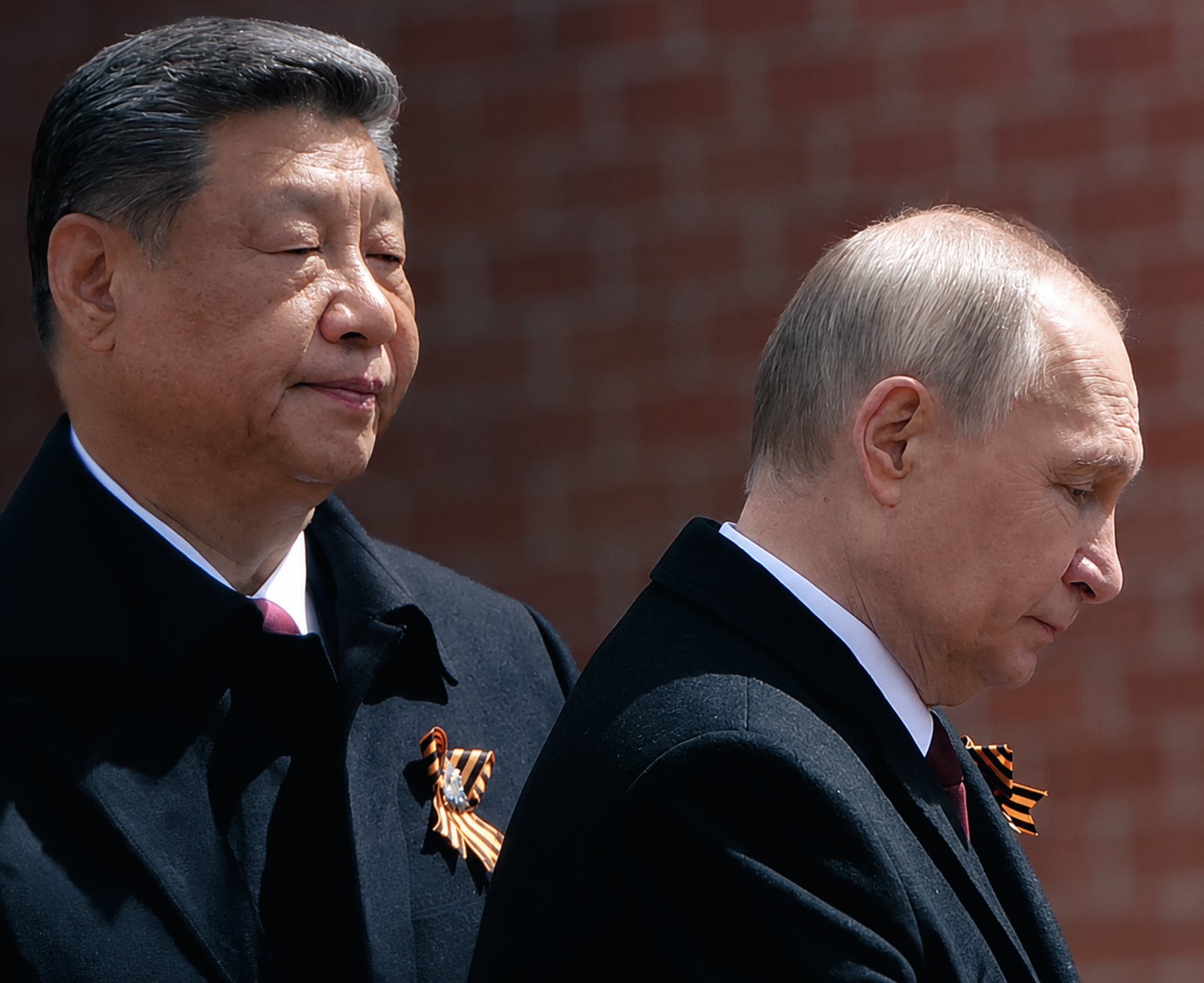
The problem is that as his presidency has advanced, clear patterns have emerged: that the president respects strength in his enemies more than he respects cooperation from his allies. That he is willing to throw allies aside or take action against them with tariffs even as he goes to great lengths to accommodate geopolitical foes like Russia and China. That he bends American dependencies to his will, but – an incredibly weak Venezuela aside – has never taken decisive action against an American foe.
And so, “madman theory” has been replaced with “schoolyard bully theory”: that those who stand up to the bully do better than those who submit.
America’s Foes Understand Democracy’s Weaknesses
One of the weaknesses Western democracies increasingly face in geopolitical exchanges is that their non-democratic enemies understand the pressures of democracy just as much as they do. The Iranians – and indeed the Russians and the Chinese – know that Trump is facing critical midterm elections in November. They know how much the price of oil, and therefore gasoline at the pumps, matters to him. They know that should Democrats take both houses of Congress, Trump’s domestic political life will be miserable. They know what he needs just as well as he does. In this instance, it is peace. They know exactly what he cannot afford, also: American body bags.
The problem for Trump is that his weakness being apparent to America’s foes is one problem – but his weakness becoming apparent to America’s own voters is a bigger one. The president has increasingly developed a pattern of overpromising and underdelivering on the international stage: his tariffs have not worked as promised. His pledged peace between Russia and Ukraine, which he said could be delivered in a day, is no closer. Now, his Iran war seems to be spiraling out of his control, and gas prices are likely to spike further.
So, we watch, as the president struts across the world’s stage insisting that he is master of it, while his enemies increasingly push him around. Israel last year announced a plan to become militarily independent of the United States in the coming years – presumably so Prime Minister Netanyahu is not reduced to pretending that calls between him and Trump have a “bad line” and can operate as he wishes. In this, and in other ways, the former superpower is increasingly in decline, with lesser influence over the world than it had just a decade ago.
President Trump is not the only reason for that – but his desperation for a deal in Iran, and the signals that he is sending in the process, are most encouraging indeed for America’s enemies. Since we in Europe largely have the same enemies, it is perhaps time for us to worry about that.