
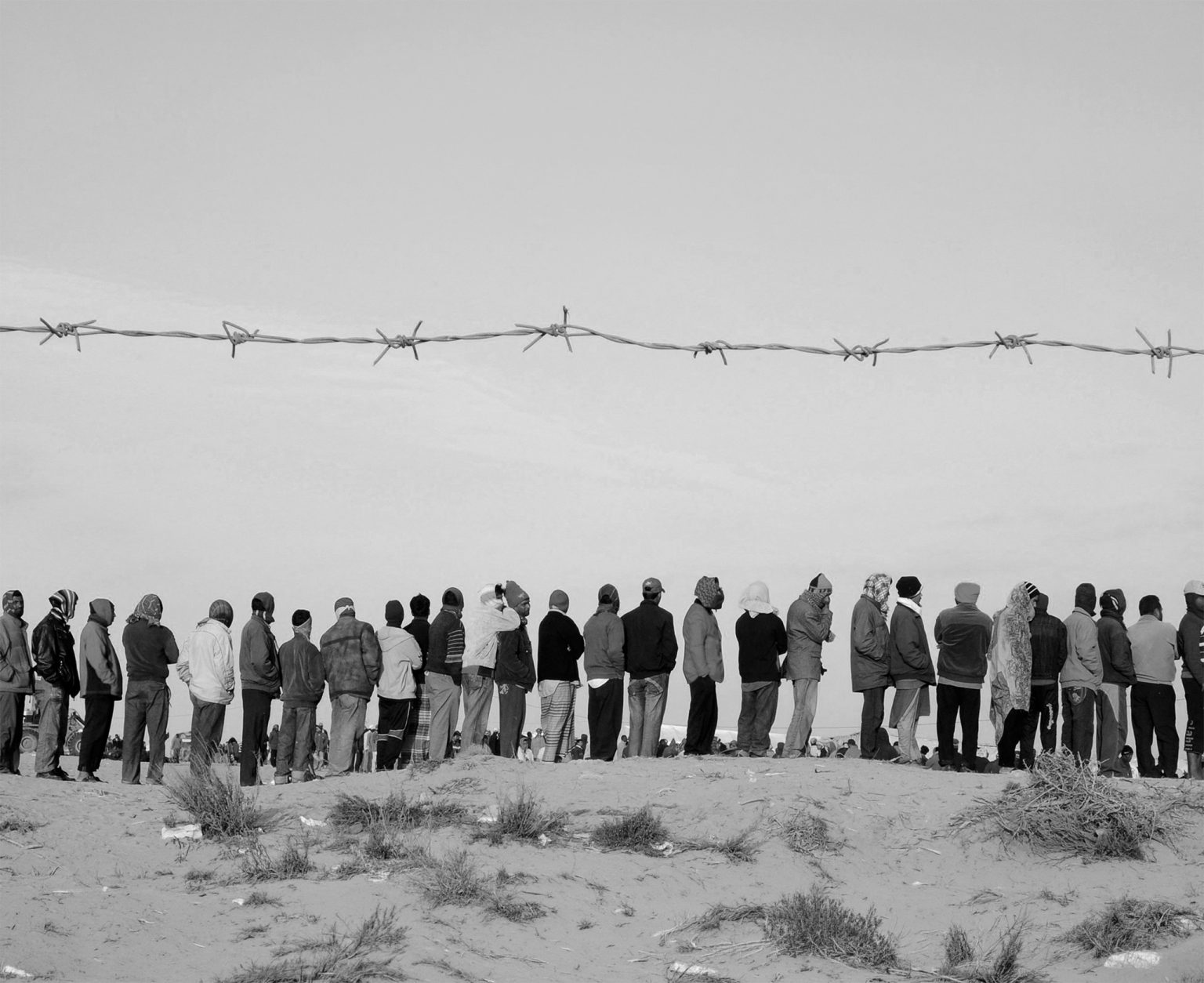
On 12 June 2026, the EU’s New Pact on Migration and Asylum became applicable, bringing new rules on migration management and a revised common asylum system across the bloc. Proposed by the European Commission and agreed by the Council of the EU and the European Parliament, the pact is binding on all member states.
Austrian EU Commissioner for Internal Affairs and Migration Magnus Brunner, who is overseeing implementation of the pact, has described the new framework as determining “who can stay and who needs to leave”.
The pact also transforms Eurodac, the EU’s shared fingerprint database, into a comprehensive asylum and migration database, which will store and process biometric data on asylum seekers and irregular migrants. Its central purpose is to support the asylum system, help manage irregular migration and harmonize asylum procedures across the bloc.
Any migrant entering the EU irregularly will be subject to registration, identity verification and security and health checks before the asylum procedure begins. Applicants from countries where the likelihood of being granted asylum is low, and those deemed a potential security risk, will be channeled into a fast-track procedure that allows for rejection at the border.
Solidarity, with Exceptions
Under the new agreement, member states must choose one of three types of measures designed to assist the countries most affected by migration pressure, particularly in southern Europe. The new Asylum and Migration Management Regulation replaces the Dublin Regulation; its solidarity mechanism, set out in Articles 56 to 66, introduces new burden-sharing rules.
Member states may opt for physical solidarity, meaning they accommodate asylum seekers on their own territory. The second option is a financial contribution to migration-management measures. The third consists of alternative measures such as operational support, the precise scope of which will only become clear in practice.
In short, each EU member state must either accept relocated migrants, pay roughly €20,000 per relocation not undertaken or participate in an alternative arrangement. The principal intended beneficiaries of the mechanism should be Cyprus, Greece, Spain and Italy.
Not all states face these obligations equally. Bulgaria, the Czech Republic, Estonia, Croatia, Poland and Austria have been granted temporary relief under the pact, given the scale of refugee arrivals from Ukraine. Germany will also not have to contribute to the common solidarity fund this year, as it will receive credit for the large number of asylum applicants it has admitted who would otherwise have been the responsibility of other countries.
Slovakia also sought relief but was turned down. Poland’s Deputy Interior Minister Maciej Duszczyk said on 6 June that Warsaw plans to apply only the “reasonable elements” of the pact, with any provisions considered a threat to national security to be superseded by national directives.

Ordered to Leave, Reluctant to Go
According to Politico, citing Eurostat figures, the number of non-EU citizens ordered to leave the bloc reached around 100,000 per quarter from April 2023 until the end of 2025. Despite this, only around 27% actually left EU territory.
Alongside the pact, the EU is finalizing a Return Regulation, which will replace the existing Return Directive and is intended in part to address the roughly 70% who do not comply with departure orders. The approach has drawn criticism from a number of human rights groups as well as organizations advocating for irregular migrants.
Measures targeting irregular migrants who have failed to comply with departure orders will include house raids and searches of "other relevant premises" aimed at physically compelling such individuals to leave.
The regulation will also allow for the creation of return hubs in third countries for people who have no legal right to stay in the EU. Such hubs could serve either as a final destination or as transfer centers facilitating onward return to a country of origin or another third country.
Several EU member states are in talks with prospective host countries, mostly in Africa, about establishing such hubs, though no agreements have yet been announced. Kazakhstan, Rwanda, Uzbekistan and Uganda have been mentioned in this context, and Germany and France are pushing for early progress.
Migrants who resist return could be detained for up to two years under the new regulation, with the possibility of extension to 30 months, compared with the current maximum of 18 months. Those who fail to comply with departure orders may also have their social benefits and other allowances reduced.
Individuals assessed as a security threat could face a permanent ban on entering the EU, replacing the current 10-year maximum. These measures would apply to migrants whose asylum applications have been refused, who have overstayed their permitted period of residence or who have no right of residence.
Legal, but No Less Significant
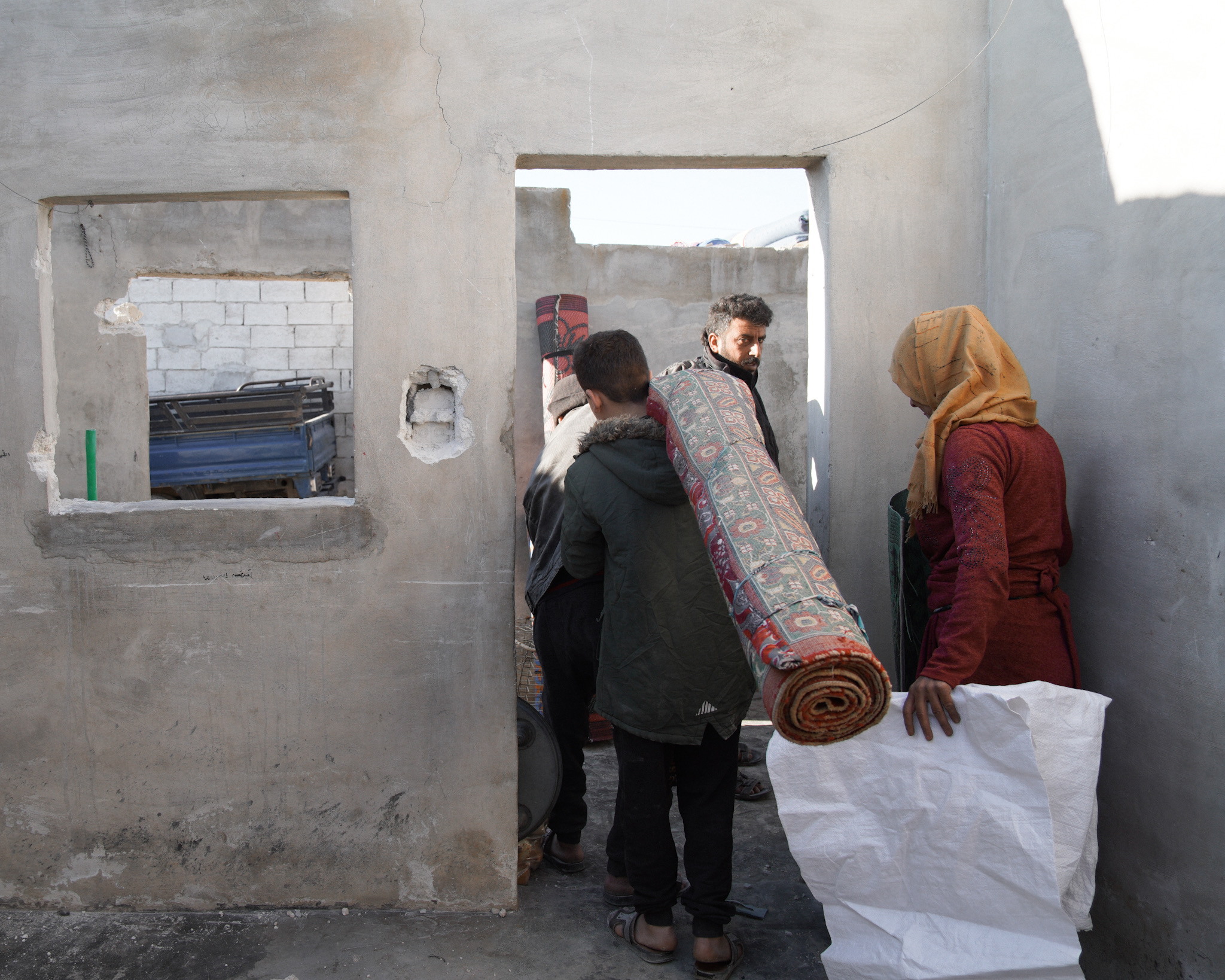
The Migration and Asylum Pact may now apply, but the overall number of migrants in Europe is unlikely to fall. Any eventual decline in irregular arrivals is likely to be offset, and possibly exceeded, by an influx of legal migrants from non-European countries.
In autumn 2025, Brussels launched a parallel initiative, the Pact for the Mediterranean, which aims among other things to "strengthen mobility across the region". The pact covers five countries of North Africa as well as Israel, Jordan, Lebanon, Palestine and Syria.
The initiative also envisages stronger university networks, joint programs and expanded academic connections, including through Erasmus+, with a focus on students, staff and researchers. Legal labor migration is set to grow alongside student mobility. The EU and India have also concluded a Comprehensive Framework of Cooperation on Mobility and launched a pilot European Legal Gateway Office in India, designed as a one-stop hub to support the movement of workers to the EU, starting with the ICT sector.
In April, Brussels also announced the initialing of a comparable agreement with Bangladesh, one of whose stated aims is to strengthen cooperation on migration and people-to-people exchanges.
Individual member states are also pursuing policies that contribute to broader migration flows. Germany and Spain are among those receiving substantial numbers of legal non-European migrants at national level, with totals in the hundreds of thousands.
Given the principle of free movement within the EU, migrants admitted by one member state can ultimately become migrants to Europe as a whole. The pact may tighten procedures for irregular arrivals, but it does not answer the broader question of how many people Europe is willing to admit legally, and on what terms.