
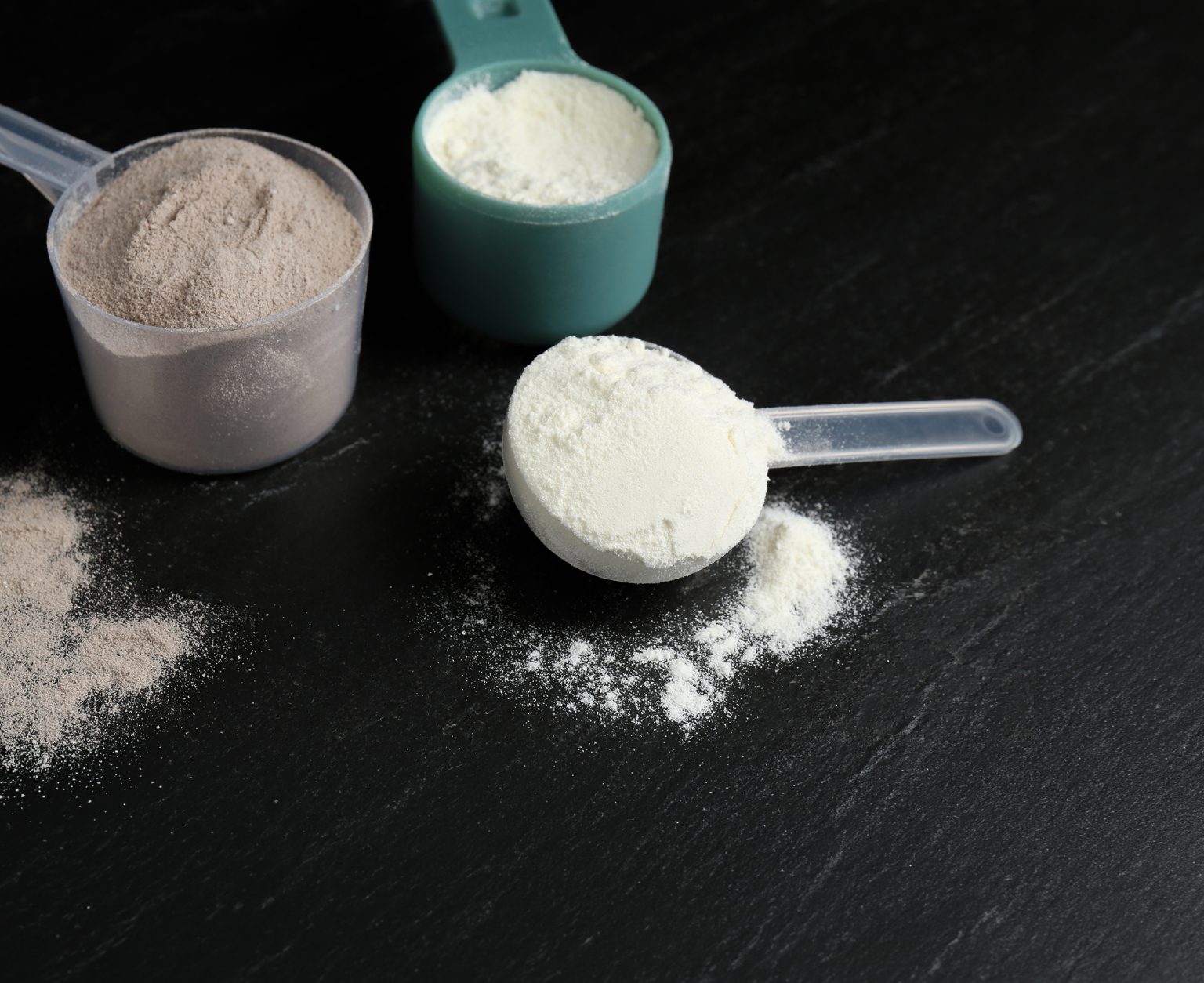
Protein powders are now a common sight on the shelves of drugstores and supermarkets, no longer confined to specialist sports nutrition stores. Their growing visibility suggests they are not intended solely for strength trainers seeking to build above-average muscle mass.
Rather, they serve as a practical dietary supplement for anyone struggling to get enough protein from a high-quality diet.
Supplements Cannot Replace a Good Diet
Several sources recommend that adults consume at least 0.8 grams of protein per kilogram of body weight. During periods of increased physical activity, weight loss, or in older age, this figure can rise to between 1.2 and 1.6 grams per kilogram per day, and in extreme cases, coefficients as high as 2.5 have been cited.
Yet protein powders remain only a supplement. Diet is what matters most, and experts agree that protein is best obtained from natural sources such as meat, fish, eggs, dairy products and tofu.
According to Reka Palinkasova of Nutri Food Plan, a network of nutrition counseling centers specializing in weight loss and healthy eating, natural protein sources stand out for containing all the essential amino acids in optimal proportions, while also being highly digestible and easily utilized by the body, she tells Statement.
Plant-based protein sources, including legumes, grains, nuts and seeds, are also a valuable part of the diet. However, because they tend to contain lower levels of essential amino acids, it is advisable to combine several of them.
Nutrition specialist Monika Bachrata tells Statement that protein powders are best understood as a practical supplement, not a replacement for high-quality foods, given that they are no more effective.
Palinkasova points to convenience, easy dosing and quick consumption as their chief benefits.

Whey, Casein and Plant-Based: What Sets Them Apart
Protein powders fall into several categories based on their source, the most common being whey, plant-based and casein.
Whey proteins are most highly recommended for strength training and building muscle mass, as they contain high amounts of essential amino acids, including leucine, which plays a key role in muscle protein synthesis, explains Palinkasova.
Within whey itself, products are further divided into concentrates, isolates and hydrolysates, depending on how heavily they have been processed.
Concentrate is the least expensive of the three, takes the longest to digest, and has a lower protein content, ranging between 65% and 80%, along with higher levels of carbohydrates and lactose. Isolate, by contrast, is a very pure protein with minimal lactose and rapid absorption. Hydrolysate goes a step further, broken down enzymatically into smaller peptides that the body can process more quickly, though it tends to be more expensive and, for most people, offers little real advantage over isolate.
Casein powder takes its name from the main protein found in cow's milk. Because it is absorbed slowly, it is often consumed before bedtime, and its satiating effect also makes it useful for weight loss.
According to Bachrata, plant-based proteins are a suitable alternative for vegans, vegetarians, and those who are lactose intolerant or allergic to milk protein.
What to Check Before You Buy
Reading the label closely, rather than reaching for the first product on the shelf, makes a real difference. The nutritional information and ingredients list are the key things to check.
High-quality protein should contain at least 70 to 80 grams of protein per 100 grams of product, and even more in the case of isolates, recommends Palinkasova. For plant-based proteins, she suggests choosing products that combine multiple sources, such as pea and rice protein, since this results in a more favorable amino acid profile.
Bachrata adds that a good powder should also keep sugars and saturated fats to a minimum, with a simple composition free of unnecessary colorings and additives.
No Miracle Powder, but a Useful One
Once the right protein has been selected, what remains is how to incorporate it into a daily routine.
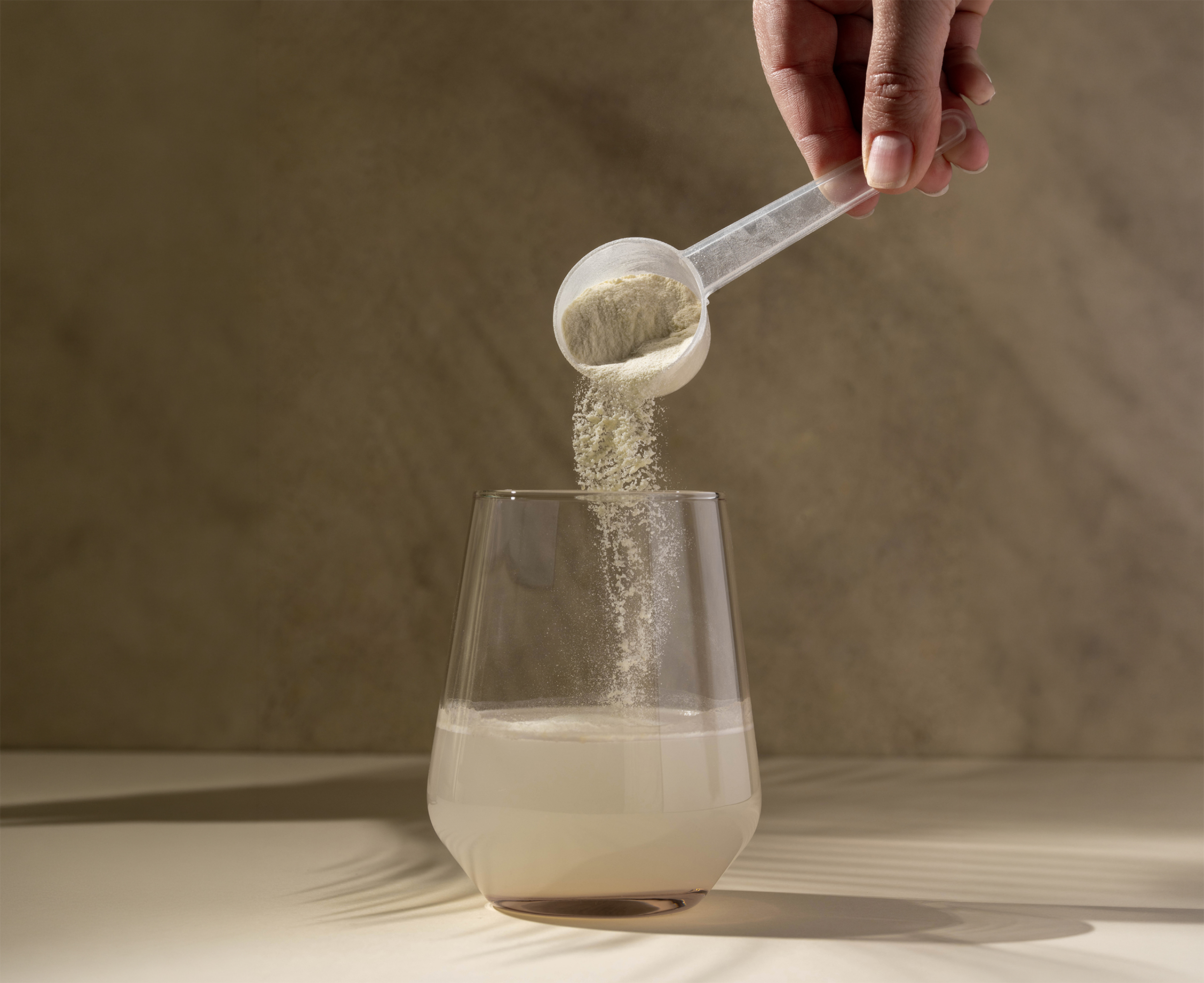
It can be mixed with water, cow's milk or a plant-based beverage, largely a matter of personal preference and desired calorie intake. Cow's milk adds more energy and nutrients, such as calcium, but also comes with more calories than plant-based alternatives.
That said, there is no particular urgency to drink protein straight after exercising. The so-called "anabolic window", a period in which the body is thought to be especially receptive to protein, has not been backed up by research.
For most people, total daily protein intake matters far more than precise timing, notes Palinkasova, who recommends spreading consumption evenly across three to five servings a day.
Protein powders need not be confined to the shaker, either. They can just as easily be mixed into Greek yogurt or cottage cheese, with Bachrata recommending whey protein for this purpose, since it dissolves well and lends a creamy consistency.
Protein powders can even find their way into baked goods. Whey or milk proteins are the most commonly used for this purpose, since they have the least impact on taste and texture, explains the nutrition expert. There is some debate, however, over how stable sucralose-sweetened proteins remain at high temperatures, making unflavored or stevia-sweetened varieties a safer bet.
Ultimately, protein powders are not a miracle product for building muscle. Their real value lies in helping supplement daily protein intake when a regular diet falls short. Rather than price or attractive packaging, the deciding factors should be protein content and a lower amount of additives.