The EU's New GMO Rules: What They Mean for the Future of Food
After three years of negotiations, the European Union has voted to ease restrictions on new genetically modified foods, a decision dividing scientists, farmers and members of the European Parliament, and raising questions about the future of European agriculture.
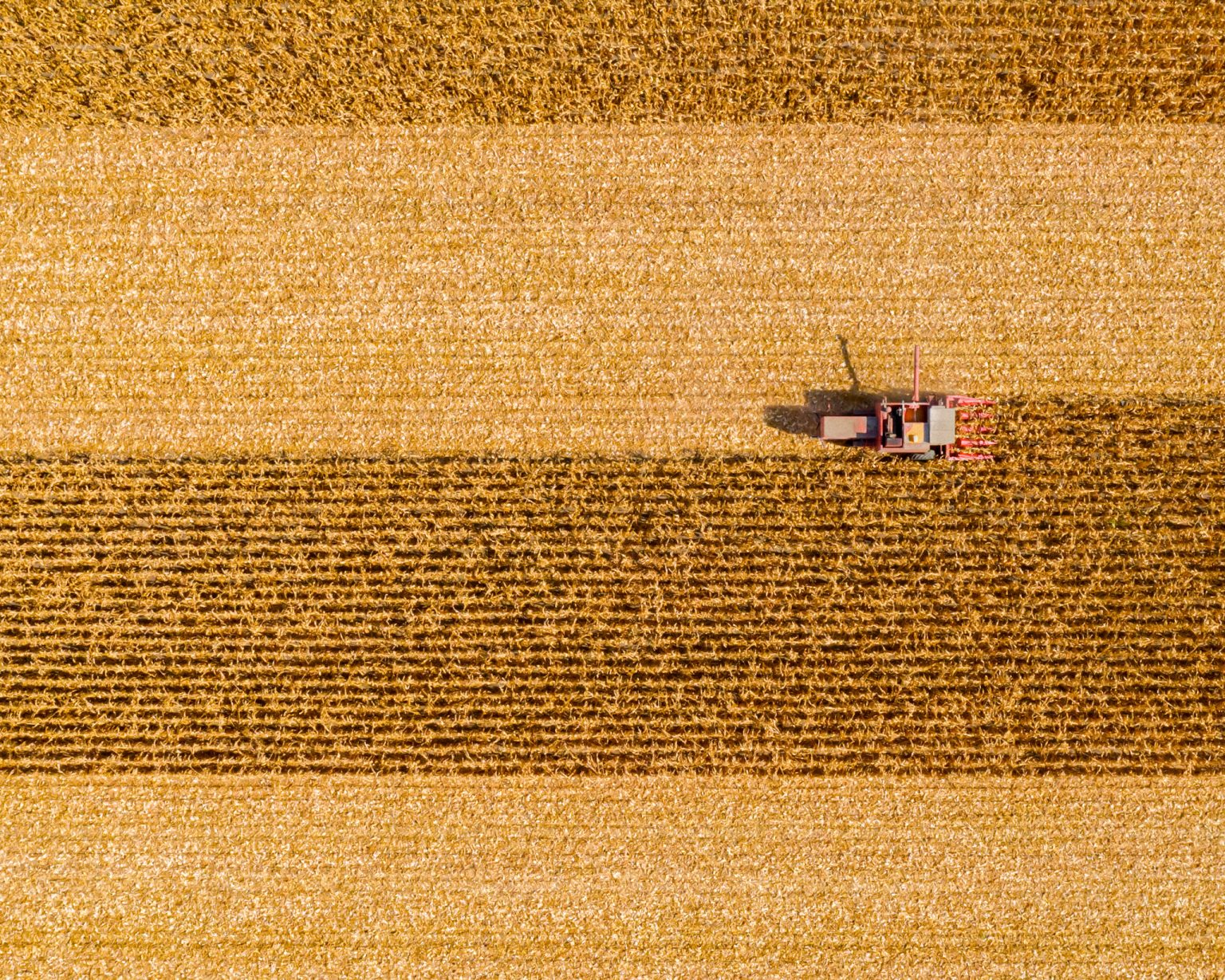
A harvester cuts maize in a field. Photo: roman023/Getty Images
|
Last week, the European Parliament approved one of the most hotly contested changes to agricultural policy in years. Supporters say the new rules for genetically modified crops created using so-called new genomic techniques (NGTs) will help farmers cope with climate change and strengthen the competitiveness of European agriculture.
Critics, however, warn of weakened oversight, diminished transparency and the growing influence of large patent holders.
For the average consumer, the debate can be hard to follow. It is not simply a matter of food safety. Farmers' rights, product labeling rules and future control over plant genetic resources are also at stake.
What Has Actually Changed
The new European legislation applies to plants created using new genomic techniques, modern methods of genetic modification that allow scientists to edit plant DNA with far greater precision than earlier generations of genetically modified organisms (GMOs).
Until now, such plants were subject to almost the same rules as traditional genetically modified organisms, including mandatory risk assessments, tracking through the food chain and, in many cases, mandatory product labeling.
That changes under the new rules. Most such plants will now fall under a category called NGT1, exempting them from the bulk of existing requirements and allowing the European Union to assess them much as it would plants bred through conventional methods.
It is this shift that lies at the heart of the controversy.
Proponents of the reform argue that the existing rules date back to 2001, long before today's genetic modification technologies existed.
According to the European Commission, several member states and parts of the scientific community, new genomic techniques make it possible to develop plants that better withstand drought, extreme temperatures or new diseases. In the face of climate change, they argue, this could prove an important tool for safeguarding food security.
Supporters also point out that Europe has fallen behind the United States, China and some South American countries, where regulations governing such technologies are less stringent.
Several organizations representing farmers, breeders and food processors have therefore urged members of the European Parliament to approve the reform, warning that without modernizing the rules, European agriculture risks losing its competitive edge.
Opponents of the new rules argue that the European Union is abandoning important safeguards.
The organization Slovakia Without GMOs points out that the approved legislation weakens three pillars of the current system: pre-market health and environmental risk assessments, mandatory labeling of GMO foods and product traceability throughout the supply chain.
Critics warn this could leave consumers without sufficient information about the origin of the food they buy. They also dispute the claim that new genomic techniques are safe enough to justify a less stringent regulatory regime.
Some scientific institutions, including the French agency ANSES and Germany's Federal Agency for Nature Conservation, have warned that DNA modification could produce unintended genetic changes. Critics are therefore calling for each new crop to undergo individual assessment.
Even the Experts Cannot Agree
The dispute is not confined to environmental organizations and the biotechnology industry. Scientists themselves are divided.
The European Food Safety Authority (EFSA) maintains that a blanket risk assessment is unnecessary for NGT1 plants, while the French agency ANSES favors a more cautious approach involving individual assessment of each plant.
This split in expert opinion is one of the reasons critics argue that deregulation is premature.
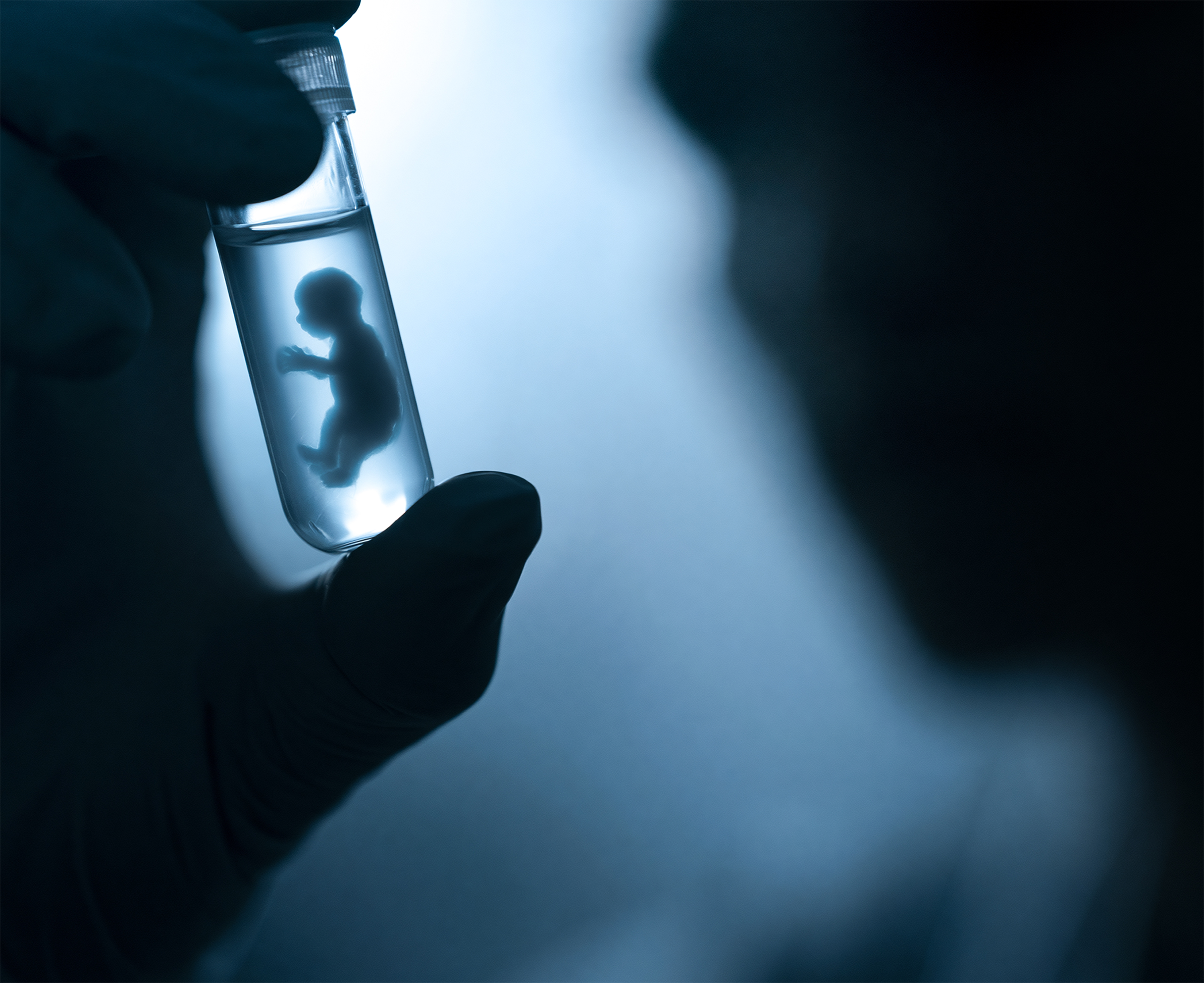
The scientific community is divided on the issue. Photo: South Agency/Getty Images
Patents, Not Safety, May Be the Real Fight
Although public debate often centers on food safety, a growing number of experts argue that patents may be the more consequential issue.
Genetic modification opens the door to patenting specific genetic traits in plants. Opponents fear that a handful of large companies could eventually control a significant share of the genetic resources used in agriculture.
Disputes over patents on climate-resistant soybean varieties are frequently cited as an example. Opponents of deregulation warn that such cases could deepen farmers' dependence on patent holders and narrow the scope for independent breeding.
Environmental organizations are not alone in raising objections to patenting. Germany's largest farmers' organization and some research institutions have voiced similar reservations.
Supporters of patent protection counter that innovation would suffer without it. French MEP Pascal Canfin has argued that developing new technologies requires substantial investment, and that patents give companies and research teams the incentive to fund that research.
The debate in the European Parliament made clear that this is not simply a contest between supporters and opponents of GMOs.
French Socialist MEP Christophe Clergeau said after the vote that Parliament had bowed to pressure from large seed and agrochemical companies, adding that questions around patents, labeling and the protection of small farmers remain unresolved.
Other MEPs, by contrast, argued for the need for technological progress and greater flexibility in European agriculture.
Among Slovak MEPs, Martin Hojsik and Michal Wiezik of Progressive Slovakia (PS) were among the proposal's most vocal critics. Both stressed the importance of preserving transparency, traceability and protections for organic farming, and voted against the proposal in the committee's final vote. The remaining Slovak MEPs took the same position during the European Parliament's plenary session.
The Dispute Is Far From Over
The political dispute did not end with the adoption of the legislation. If anything, it is entering a new phase.
Critics are already discussing potential legal challenges, pointing to court rulings in other countries that have addressed similar issues. At the same time, organizations pushing for stricter rules say they will keep campaigning for mandatory labeling of genetically modified foods.
The debate over new GMOs is therefore no longer purely a scientific matter. It also touches on who will decide the future of agriculture, what rights farmers and consumers will retain, and how much the public should be entitled to know about how the food on their table was produced.
That is precisely why a seemingly technical change in European legislation has become one of the most significant, and most contested, agricultural issues of recent years.
Placeholder For Topreaded Placeholder For Topreaded
Placeholder
Placeholder
Placeholder For Topreaded Placeholder For Topreaded
Placeholder
Placeholder
Placeholder For Topreaded Placeholder For Topreaded
Placeholder
Placeholder
Placeholder For Topreaded Placeholder For Topreaded
Placeholder
Placeholder
Placeholder For Topreaded Placeholder For Topreaded
Here is placeholder for Article excerpt Here is placeholder for Article excerpt Here is placeholder for Article excerpt Here is placeholder for Article excerpt
Here is placeholder for Article excerpt Here is placeholder for Article excerpt Here is placeholder for Article excerpt Here is placeholder for Article excerpt
Here is placeholder for Article excerpt Here is placeholder for Article excerpt Here is placeholder for Article excerpt Here is placeholder for Article excerpt
Welcome to the comments section of the Štandard daily. Please take note of our guidelines, comments are moderated by us. You can contact the moderators at [email protected].
Participate in the discussion
Comments are available to subscribers only. If you'd like to join the discussion, choose a subscription starting at €6.72 per month.
All comments 0
Register
Comments are available to registered users only. If you'd like to join the discussion, register here.