Germany’s Aid Millions Keep Vanishing Around Islamist Networks
After millions flowed to Islamic Relief despite years of warnings, Germany faces another aid controversy. This time, taxpayer money went missing in Houthi-controlled Yemen under the watch of an SPD-run development ministry.
The Yemen case has raised new questions about how German aid money is monitored in high-risk regions. Photo: Mohammed Hamoud/Getty Images
|
Germany is facing another scandal over aid money. After the controversy over payments from the Foreign Office to Islamic Relief, attention has now turned to the Deutsche Gesellschaft für Internationale Zusammenarbeit (GIZ), Germany’s main federal development agency. In Yemen, millions of euro are alleged to have been embezzled over several years.
According to reporting by Welt am Sonntag, Yemeni employees collected German taxpayer money for seminars that never took place. The allegations also include fictitious trips, currency manipulation and questionable contract awards, along with grants that partly ended up with aid workers or people close to them. In public, GIZ has referred to “commercial irregularities”. Internally, according to Welt, the case was initially described as “fraud” before later being called “systematic gang-style fraud”.
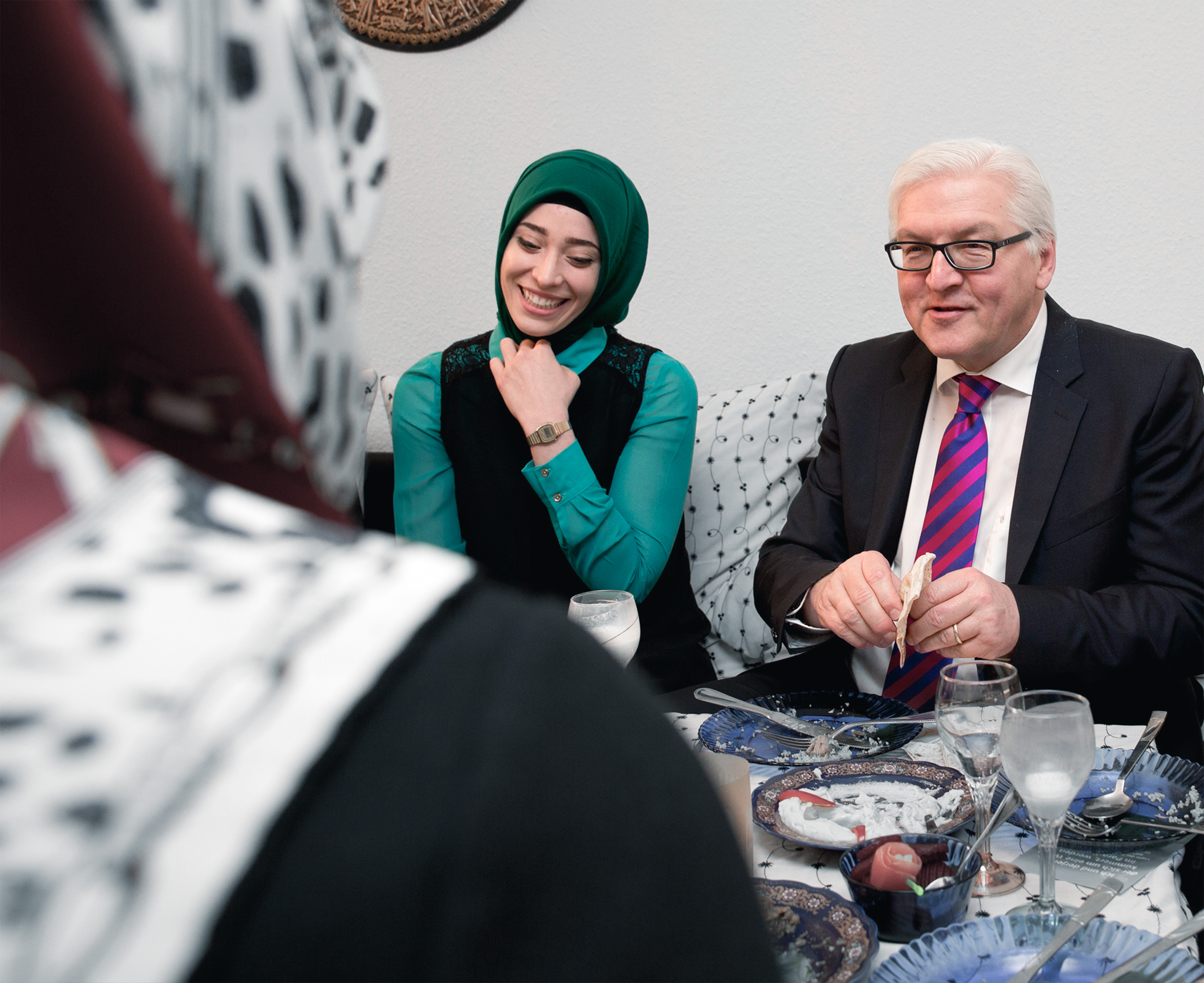
The political sensitivity also lies in the SPD connection. GIZ is headed by Thorsten Schäfer-Gümbel, the former deputy federal chairman of the SPD. The development ministry, which is responsible for the agency, is led by Reem Alabali Radovan, also from the SPD. And the previous scandal surrounding Islamic Relief also led back to an SPD-dominated milieu. The millions in funding provided by the Foreign Office date back to the tenure of Frank-Walter Steinmeier, now Germany’s federal president.
In the Islamic Relief complex, Germany’s Federal Court of Auditors sharply criticized the Foreign Office. Its report was made public only after legal pressure. According to media reports, millions flowed to Islamic Relief Germany under Steinmeier, even though there had for years been warnings about problematic links in the Muslim Brotherhood milieu. The parent organization, Islamic Relief Worldwide, was classified as terrorist and banned in Israel as early as 2014.
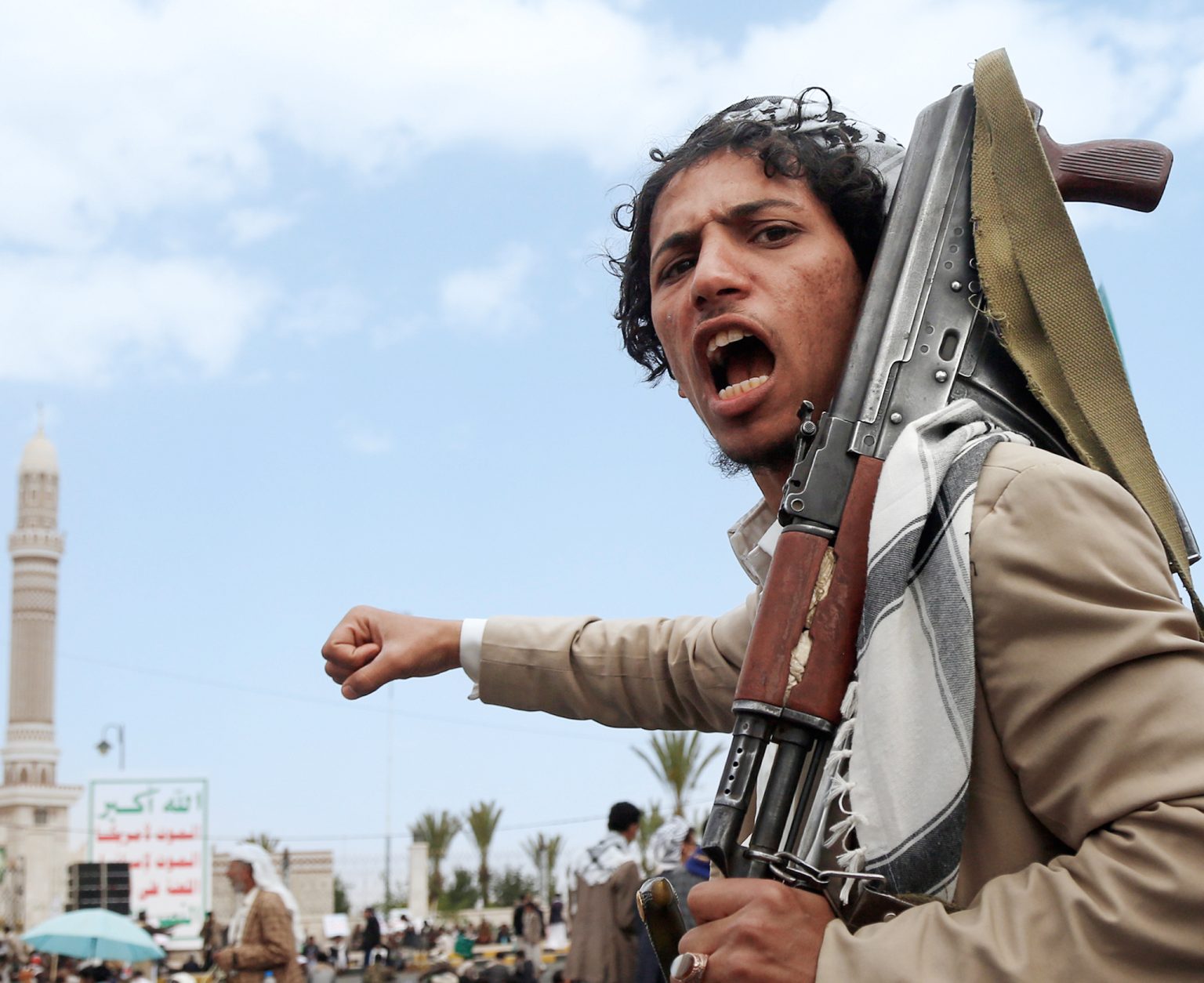
Now the focus is Yemen. GIZ has been active there since 2015 with more than €100m ($115m). Some of the projects were carried out in the north of the country, which is controlled by the Houthis. The militia is allied with Iran, attacked ships in the Red Sea after the Hamas massacre of 7 October 2023 and openly professes an antisemitic slogan calling for “death to America” and “death to Israel”.
It was sensitive enough that a German development organization was operating in such an environment at all. According to Welt’s reporting, GIZ coordinated key decisions on the ground with the Houthi authority SCMCHA. Organizations including Human Rights Watch and the Counter Extremism Project describe the authority as an instrument through which the Houthis exert influence over staff, projects and recipients of aid.
Because of the security situation, GIZ worked in Yemen largely from a distance. German employees were usually not on site. Local staff carried out projects, submitted receipts and confirmed procedures. Insiders see precisely that as a central weakness. Unlike KfW, GIZ did not establish consistent independent third-party monitoring.
A former German GIZ employee is said to have played a special role. She had married a Yemeni man, lived locally and was employed as a national staff member for finance and administration. In 2019, she received the Federal Cross of Merit. Now, according to Welt, she is suspected of having breached her duty of care at least negligently.
Houthi fighters in Yemen, where German aid money is alleged to have vanished in militia-controlled areas. Photo: Khaled Abdullah/Reuters
Destroyed Files and a Supervisory Board Kept in the Dark
According to GIZ, it received the first warnings as early as autumn 2022. In spring 2023, it informed the supervisory board in general terms about the problem. Specific sums were not disclosed to the board for a long time. Internal assessments of possible losses in the tens of millions were already circulating by mid-2023.
When GIZ decided in 2025 to leave Houthi-controlled northern Yemen, parts of the project files were reportedly destroyed. The development ministry is said to have approved the move, citing the security situation. That now poses a serious problem for any attempt to establish what happened.
The financial channels also raise questions. An external review is said to have advised GIZ as early as 2023 to end its business relationship with Yemen Kuwait Bank. The US placed the bank on its sanctions list in 2025. According to the American account, the Houthis used it to launder money and transfer funds to allied terrorist groups. GIZ is said to have continued working with the bank despite the warning.
Insiders consider it possible that some of the embezzled millions ended up with the militia. One person familiar with the affected projects said northern Yemen was desperately poor. If millions were diverted there, the people in power would notice. GIZ denies that around 20 armored vehicles fell into Houthi hands after the end of the project. It says the vehicles remain on secured premises owned by GIZ.
The affair is therefore more than an internal fraud case. At stake are possible losses in the tens of millions, projects in Houthi territory, questionable controls, destroyed files and a bank that later ended up on a US sanctions list. GIZ points to three special audits, regular updates to the supervisory board and the difficult security situation. The company initially left a detailed list of questions from Welt unanswered.
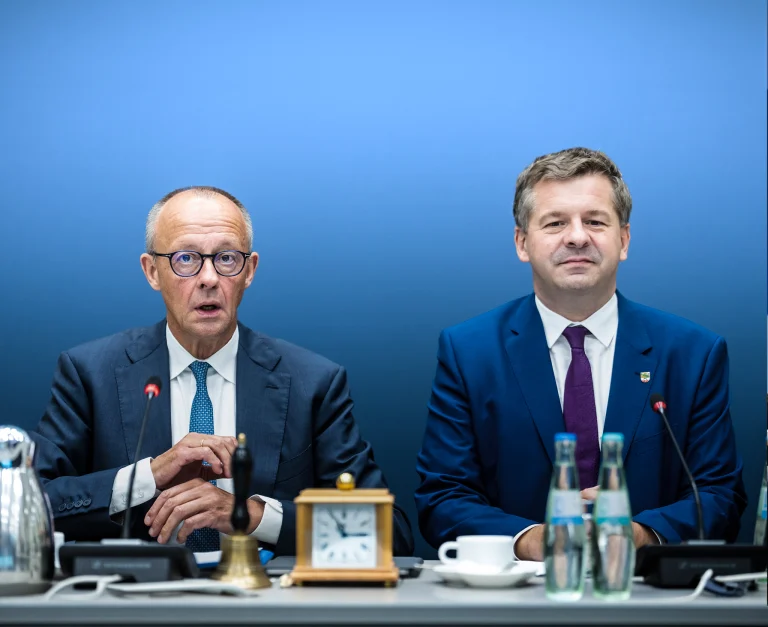
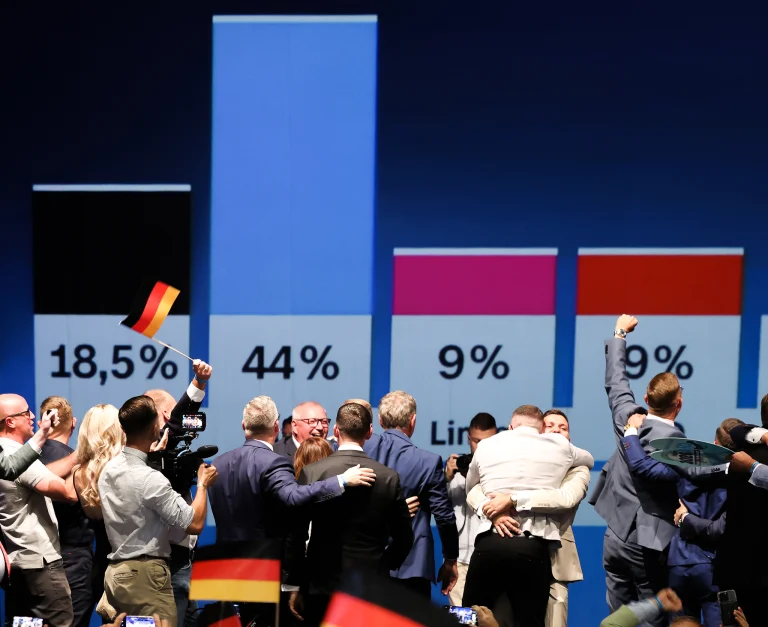
Politically, the case hits the SPD above all. The development ministry is led by an SPD minister. GIZ’s chairman of the management board comes from the SPD leadership. The older Islamic Relief complex dates back to the time of an SPD foreign minister who is now Germany’s federal president. The conservative Union is demanding clarification. The AfD is demanding the abolition of the development ministry. The Greens are defending Schäfer-Gümbel but are urging transparency. According to Welt, the SPD could not be reached for comment.
The Yemen scandal fits into a pattern that is becoming dangerous for German foreign and development policy. First it was Gaza and Islamic Relief. Now it is Yemen and GIZ. In both cases, taxpayer money is at issue in an Islamist-influenced environment, with weak oversight and accountability that came only late.
Welcome to the comments section of the Štandard daily. Please take note of our guidelines, comments are moderated by us. You can contact the moderators at support@statement.com.
Participate in the discussion
Comments are available to subscribers only. If you'd like to join the discussion, choose a subscription starting at €6.72 per month.
All comments 0
Register
Comments are available to registered users only. If you'd like to join the discussion, register here.